Εμφάνιση αναρτήσεων με ετικέτα πολιτική. Εμφάνιση όλων των αναρτήσεων

Δευτέρα 2 Φεβρουαρίου 2026

Η “βασιλική” πριν γίνει χριστιανική εκκλησία: ο ρωμαϊκός χώρος των δικαστηρίων και η Καινή Διαθήκη / Before the Christian Basilica: Roman Courts and the New Testament

Στις αφηγήσεις της Καινής Διαθήκης που περιέχουν σκηνές δημόσιας ακρόασης, απολογίας ή διαχείρισης του πλήθους, συνήθως εστιάζουμε στα πρόσωπα και στους λόγους τους—όχι στον χώρο μέσα στον οποίο λαμβάνει χώρα το γεγονός. Αυτό είναι εύλογο: τις περισσότερες φορές η ίδια η αφήγηση δεν περιγράφει αυτούς τους χώρους.

Μια πρόσφατη ανακάλυψη στην ιταλική πόλη Fano—η εύρεση μιας βασιλικής που ταυτίζεται με εκείνη που περιγράφει ο Βιτρούβιος—μας δίνει την ευκαιρία να ξανασκεφτούμε πώς ο δημόσιος χώρος διαμόρφωσε την εμπειρία και τη σημασία τέτοιων επεισοδίων. Κι αυτό, επειδή στον ρωμαϊκό κόσμο ο δημόσιος βίος, και ειδικότερα η απονομή της δικαιοσύνης, ήταν άρρηκτα δεμένος με συγκεκριμένες αρχιτεκτονικές δομές: το forum και τα διοικητικά συγκροτήματα που το πλαισιώνουν, αλλά και τη ρωμαϊκή basilica.

Η ανακάλυψη της basilica στη Fano (Fanum Fortunae)

Το 2022, στην Piazza Andrea Costa της ιταλικής πόλης Fano (της αρχαίας Fanum Fortunae), η αρχαιολογική έρευνα έφερε στο φως εντυπωσιακές μαρμάρινες κατασκευές και δάπεδα, ενδεικτικά ενός δημόσιου μνημειακού συγκροτήματος. Περαιτέρω εργασίες αποκάλυψαν ένα ορθογώνιο κτήριο διαστάσεων περίπου 50 × 35 μέτρων, με περιμετρική κιονοστοιχία.

Μετά την επίσημη ανακοίνωση της 19ης Ιανουαρίου 2026, η αρμόδια Soprintendenza (ABAP Ancona–Pesaro Urbino) παρουσίασε στις 20 Ιανουαρίου 2026 τα βασικά δεδομένα: πέντε κίονες σε opus vittatum (τεχνική με εναλλασσόμενες σειρές τούβλων και λίθου), διαμέτρου περίπου 1,5 μ., σε απόσταση περίπου 4 μ. ο ένας από τον άλλο—σε αντιστοιχία με την περιγραφή του Βιτρούβιου (De Architectura 5) για τις πλευρικές κιονοστοιχίες. Οι βάσεις των κιόνων επικαλύπτονταν από μαύρο επίχρισμα.

Βάση/τμήμα κίονα από την ανασκαφή της basilica
στην Piazza Andrea Costa  στη Fano
(Φωτο: Ministero della Cultura, Ufficio Stampa e Comunicazione
)

Η οριστική επιβεβαίωση ήρθε στις 16 Ιανουαρίου 2026, όταν με συστηματική έρευνα εντοπίστηκε η γωνιακή κολόνα του κτηρίου. Οι κίονες αυτού του κτηρίου, ύψους περίπου 15 μέτρων, στηρίζονταν σε φέροντες πεσσούς και παραστάδες για την υποστήριξη ενός δεύτερου ορόφου. Βρέθηκαν επίσης τμήμα του περιμετρικού τοίχου με μαύρο επίχρισμα, δύο τετράγωνες βάσεις (πιθανώς για αγάλματα), και εκτεταμένες επιφάνειες του δαπέδου της αίθουσας της βασιλικής.

Ας σημειωθεί ότι ήδη από το 2022 οι ανασκαφές στη via Vitruvio είχαν φέρει στο φως επιβλητικές οικοδομικές κατασκευές και μαρμάρινα δάπεδα που υποδήλωναν την παρουσία δημόσιων κτιρίων υψηλού επιπέδου. Η ανακάλυψη της βασιλικής συμπληρώνει την εικόνα αυτού του δημόσιου χώρου. Με βάση τα ευρήματα που έχουν μέχρι τώρα στη διάθεσή τους οι αρχαιολόγοι είναι σε θέση να αποκαταστήσουν την αρχική της μορφή και τις διαστάσεις της και την έχουν ταυτοποιήσει με τη βασιλική που περιγράφει ο Βιτρούβιος στο προαναφερθέν έργο του. Πρόκειται για την  πρώτη υλική απόδειξη της ύπαρξης του μοναδικού κτιρίου που ο Βιτρούβιος αποδίδει ρητώς στον εαυτό του.

Ανοιχτά ερωτήματα και μελλοντικές έρευνες

Η ανακάλυψη δημιουργεί μία σειρά από νέα ερωτήματα. Πού ακριβώς βρισκόταν ο aedes Augusti (ο ναός του Αυγούστου) που αναφέρει ο Βιτρούβιος; Πώς ήταν οργανωμένοι οι χώροι του forum; Οι έρευνες συνεχίζονται στην περιοχή του μοναστηριού του San Daniele, όπου εικάζεται ότι βρισκόταν το tribunalium και ο ναός. Προς την via Montevecchio, εντοπίστηκαν ήδη αρχιτεκτονικά υπολείμματα που πιθανόν σχετίζονται με το ρωμαϊκό macellum. Εκτιμάται ότι τα νέα ευρήματα θα επιτρέψουν την ανακατασκευή των άνω τμημάτων του κτηρίου της βασιλικής και θα οδηγήσουν στην επανεξέταση παλαιότερων υποθέσεων, όπως εκείνης του Palladio κατά το 16ο αιώνα.

Η ανακάλυψη της βασιλικής του Βιτρούβιου  είναι σημαντική όχι μόνο για τη ρωμαϊκή αρχαιολογία και την ιστορία της αρχιτεκτονικής αλλά και για την ιστορική μελέτη της εποχής της Καινής Διαθήκης. Μας βοηθά να κατανοήσουμε καλύτερα τους χώρους, όπου η ρωμαϊκή εξουσία εκδηλώνεται ως δημόσια διαδικασία.

Η βασιλική ως δημόσιο κτήριο 

Μολονότι σήμερα η βασιλική να ταυτίζεται με συγκεκριμένο ρυθμό χριστιανικών ναών κι έχει αποκτήσει θρησκευτικό χαρακτήρα, στα ρωμαϊκά, όμως, χρόνια, ήταν ένα δημόσιο κοσμικό κτήριο συναλλαγών, διοίκησης και κυρίως δικαστικών διαδικασιών. Τα κτήρια, άλλωστε, του δημόσιου χώρου στη ρωμαϊκή αυτοκρατορία είναι τόποι εξουσίας και φορείς ιδεολογίας. Ας θυμηθούμε εδώ ότι για τον Βιτρούβιο ο αρχιτεκτονικός σχεδιασμός πρέπει να ακολουθεί μία συγκεκριμένη τάξη κι αρμονία (για παράδειγμα, τα κτήρια πρέπει να ακολουθούν τις αναλογίες του ανθρώπινου σώματος). Η αρχιτεκτονική του δημόσιου χώρου, λοιπόν, επιβεβαιώνει και επιβάλλει μία συγκεκριμένη ιδεολογία και ιεραρχία της εξουσίας. 

Αυτός ο χώρος, όμως, είναι κι ο κόσμος στον οποίο κινούνται οι πρώτοι Χριστιανοί, οι οποίοι γίνονται αποδέκτες και κάποιες φορές θύματα της ιδεολογίας και της πολιτικής πραγματικότητας την οποία υπογραμμίζουν κτήρια, όπως η βασιλική του Βιτρούβιου. Θα πρέπει εδώ να θυμηθούμε, για παράδειγμα, ότι συχνά στις Πράξεις των Αποστόλων, διαβάζουμε για συλλήψεις και δίκες, κατηγορίες και απολογίες των αποστόλων, επαφές με τις αρχές και τη μεταφορά του ευαγγελίου από τον ιδιωτικό στο δημόσιο χώρο. Δε μπορούμε με βεβαιότητα πάντοτε να συνδέσουμε συγκεκριμένα περιστατικά των Πράξεων με αυτά τα δημόσια κτήρια που οι αρχαιολόγοι έχουν εντοπίσει. Ευρήματα, όμως, όπως αυτό στη Fano, επιτρέπουν να διαβαστούν με μεγαλύτερη ιστορική ακρίβεια σκηνές δημόσιας ακρόασης/αντιπαράθεσης που περιγράφονται στις πρώιμες χριστιανικές πηγές και καθιστούν απτό το υλικό και θεσμικό πλαίσιο αυτών των περιστατικών. Η έννοια της “κρίσης” και της “δικαιοσύνης” αποκτά λοιπόν και μια υλική/κοινωνική διάσταση: δεν είναι μόνο θεολογικό λεξιλόγιο, αλλά και εμπειρία ζωής μέσα σε συγκεκριμένους χώρους εξουσίας. Επομένως, η αρχαιολογία του χώρου δεν παρέχει απλά ένα αποδεικτικό συμπλήρωμα στον ερμηνευτή της Καινής Διαθήκης. Είναι ένα σημαντικό σημείο αφετηρίας της ερμηνείας και της κατανόησης του κειμένου μέσα στο ιστορικό, κοινωνικό και πολιτικό του πλαίσιο. Αν θέλουμε να διαβάσουμε αυτά τα κείμενα όπως τα διάβαζαν οι πρώτοι αναγνώστες, πρέπει να ανακατασκευάσουμε, κατά το δυνατόν, τον υλικό κόσμο μέσα στον οποίο εκτυλίχθηκαν τα γεγονότα που περιγράφουν. 

Η βασιλική της Fano λειτουργεί, επομένως, όπως μία "γέφυρα ανάμεσα στο κείμενο και τον τόπο"  (πρώτα μεταξύ του κειμένου του Βιτρούβιου και το συγκεκριμένο κτήριο και, δεύτερον, μεταξύ των αφηγήσεων όπως εκείνων των Πράξεων και της υλικής πραγματικότητας και του χώρου στις πόλεις του ελληνορωμαϊκού κόσμου). Ευρήματα, όπως αυτό, μας υπενθυμίζουν ότι η ιστορία των πρώτων χριστιανικών κοινοτήτων δεν εκτυλίσσεται σε κενό αλλά μέσα σε συγκεκριμένες υλικές συνάφειες του αστικού βίου που η αρχαιολογία μπορεί να ανασυνθέσει με αυξανόμενη ακρίβεια. 

Πηγές

-------------------------------------------------------

Ιn the New Testament narratives that contain scenes of public hearings, defenses, or crowd management, we typically focus on the individuals and their words rather than on the space in which the event takes place. This is because the narrative itself most often does not describe these spaces. A recent discovery in the Italian city of Fano—the finding of the first confirmed basilica of Vitruvius—gives us an opportunity to reconsider how these spaces shaped the meaning of these very texts. This is because in the Roman world, public life, and particularly the administration of justice, was inextricably bound to specific architectural structures: the forum and its administrative complexes, and especially the Roman basilica.

The discovery of the basilica at Fano (Fanum Fortunae)

In 2022, within the Piazza Andrea Costa in the Italian city of Fano (ancient Fanum Fortunae), the archaeological spade brought to light impressive marble architectural structures and floors. Further work revealed a rectangular building measuring approximately 50 x 35 meters with a perimeter colonnade. On January 20, 2026, the Italian Archaeological Service presented in a press conference (with the participation of Minister of Culture Alessandro Giuli) the extraordinary findings: five columns in opus vittatum (a technique with alternating rows of brick and stone), 1.5 meters in diameter, approximately 4 meters apart from one another—exactly as Vitruvius describes them in Book 5 of his work De Architectura for the lateral colonnades. The bases of the columns are covered with black plaster.

The definitive confirmation came on January 16, 2026, when through systematic investigation the corner column of the building was located. Its columns, approximately 15 meters high, rested on load-bearing piers and pilasters to support a second floor. Also found were a section of the perimeter wall with black plaster, two square bases (probably for statues), and extensive surfaces of the basilica hall's floor.

It should be noted that already in 2022, excavations on the via Vitruvio had brought to light imposing architectural structures and marble floors indicating the presence of high-level public buildings. The discovery of the basilica completes the picture of this public space. Based on the findings available to archaeologists so far, they are in a position to reconstruct its original form and dimensions and have identified it with the basilica that Vitruvius describes in his aforementioned work. This is the first material evidence of the existence of the only building that Vitruvius explicitly attributes to himself.

Open questions and future research

The discovery raises a series of new questions. Where exactly was the aedes Augusti, the temple of Augustus that Vitruvius mentions? How were the spaces of the complex organized? Excavations continue in the area of the monastery of San Daniele, where the tribunalium and temple may have been located. Toward the via Montevecchio, architectural remains have already been identified that probably belong to the Roman macellum. It is estimated that the new findings will allow the reconstruction of the upper sections of the building and the reexamination of earlier hypotheses, such as that of Palladio in the 16th century.

The discovery of Vitruvius's basilica matters not only for Roman archaeology and the history of architecture but also for the historical study of the New Testament period. It helps us better understand the spaces where Roman power manifests itself as a public process within buildings and public space.

The basilica as a public building

While today the basilica is identified with a specific style of Christian churches and has acquired a religious character, in Roman times it was a public secular building for judicial proceedings, administration, and politics. Moreover, the buildings of public space in the Roman Empire are sites of power and bearers of ideology. Let us recall here that for Vitruvius, architectural design must follow a specific order and harmony (for example, buildings must follow the proportions of the human body). The architecture of public space, therefore, confirms and imposes a specific ideology and hierarchy of power.

This space, however, is also the world in which the first Christians move, who become recipients of the ideology and political reality underscored by buildings such as Vitruvius's basilica. We should remember here, for example, that often in the Acts of the Apostles we read about arrests and trials, accusations and defenses of the apostles, contacts with authorities and the transfer of the gospel from private to public space. Without of course being able always to identify public buildings with certainty with specific incidents in Acts, findings such as that at Fano allow scenes of public hearing/confrontation described in early Christian sources to be read with greater historical accuracy. The concept of "judgment" and "justice" then acquires a material/social dimension as well: it is not only theological vocabulary, but also life experience within specific spaces of power. Therefore, the archaeology of space does not merely provide supporting evidence to the interpreter of the New Testament. It is an important point of departure for the interpretation and understanding of the text within its historical, social, and political context. If we want to read these texts as the first readers read them, we must reconstruct, as far as possible, the material world within which the events they describe unfolded.

The basilica at Fano thus functions as a "bridge between text and place" (first between Vitruvius's text and the specific building, and second, between narratives such as those of Acts and the material reality and space in the cities of the Greco-Roman world). Findings such as this remind us that the history of the early Christian communities does not unfold in a vacuum but within specific material contexts of urban life that archaeology can reconstruct with increasing accuracy.


Sources:

Σάββατο 24 Ιανουαρίου 2026

Διαβάζοντας ξανά τον Ωριγένη: σωκρατική διαλεκτική & πολιτική θεολογία στο Κατά Κέλσου / Origen and Contra Celsum: Socratic Dialectic & Political Theology

Στη σειρά των άρθρων του Ancient Jew Review που συζητούν τη νέα μετάφραση του Κατά Κέλσου του Ωριγένη από τους Joseph Trigg και Robin Darling Young, έχουν αναρτηθεί δύο ιδιαίτερα ενδιαφέροντα νέα κείμενα.

Το πρώτο άρθρο, του Mark Randall James, προτείνει να διαβαστεί το έργο του Ωριγένη ως φιλοσοφική άσκηση σε σωκρατικό-διαλεκτικό ύφος: ένας τρόπος φιλοσοφείν που δεν εξαντλείται στο επίπεδο τεχνικών εννοιών και σχολαστικής επιχειρηματολογίας, αλλά στοχεύει στην εξέταση πεποιθήσεων και στην παιδαγωγική ωφέλεια των «κοινών ανθρώπων». Ο James υποστηρίζει πως ο Ωριγένης, ακολουθώντας το παράδειγμα του Σωκράτη και του Επίκτητου, επιστρέφει σε θεμελιώδεις έννοιες της στωικής φιλοσοφίας όχι για να καταλήξει σε αφηρημένους ορισμούς, αλλά για να τις ενεργοποιήσει στην καθημερινή ζωή. Ιδιαίτερα ενδιαφέρουσα είναι η έμφαση στη χρήση στωικής λογικής και στη σύνδεση της διαλεκτικής με ένα είδος φιλοσοφικής αγωγής που ο Ωριγένης θεωρεί και θεολογικά θεμιτή.

Mark Randall James, "Contra Celsum as Socratic Philosophy

Στο δεύτερο άρθρο, του Samuel Pomeroy, ο Ωριγένης αναδεικνύεται ως στοχαστής που επεξεργάζεται μια πολιτική θεολογική προσέγγιση της προ-Κωνσταντίνειας Εκκλησίας. Σε αυτήν η κοσμική τάξη, ο νόμος και η δημόσια λατρεία διαβάζονται μέσα από τον άξονα Λόγος–δαίμονες–ἔθνη. Ο συγγραφέας δείχνει πώς η ωριγενική δαιμονολογία λειτουργεί ως ερμηνευτικό κλειδί για τη σύγκρουση ανάμεσα στον «φυσικό νόμο» και στις τοπικές/εθνικές νομοθεσίες, και πώς ο Ωριγένης μετατοπίζει τη συζήτηση από μια απλή αποδοχή του κοσμοπολιτικού πλαισίου του Κέλσου προς ένα νέο σχήμα, όπου ο Χριστός-Λόγος γίνεται το κριτήριο της ηθικής και της πολιτικής τάξης. Έτσι, η κοσμοπολιτική προοπτική του Ωριγένη δεν εδράζει σε μια παγκόσμια πολιτεία, αλλά σε ένα καθολικό ήθος προσανατολισμένο προς τον Λόγο—μια θεώρηση που τον τοποθετεί σε γόνιμο διάλογο με σύγχρονες συζητήσεις περί φυσικού δικαίου, οικολογίας και παγκόσμιων θρησκειών.


------------------------------------------------

In the series of articles published by Ancient Jew Review discussing the new translation of Origen's Contra Celsum by Joseph Trigg and Robin Darling Young, two particularly interesting new pieces have been posted.

The first article, by Mark Randall James, proposes reading Origen's work as a philosophical exercise in Socratic-dialectical style: a mode of philosophizing that is not exhausted at the level of technical concepts and scholastic argumentation, but aims at the examination of beliefs and the pedagogical benefit of "ordinary people." James argues that Origen, following the example of Socrates and Epictetus, returns to fundamental concepts of Stoic philosophy not to arrive at abstract definitions, but to activate them in everyday life. Particularly interesting is the emphasis on the use of Stoic logic and the connection of dialectic with a kind of philosophical training that Origen considers theologically legitimate as well.

Mark Randall James, "Contra Celsum as Socratic Philosophy"

In the second article, by Samuel Pomeroy, Origen emerges as a thinker who develops a political-theological approach of the pre-Constantinian Church. In this approach, worldly order, law, and public worship are read through the axis of Logos–demons–nations. The author shows how Origenian demonology functions as an interpretive key to the conflict between "natural law" and local/national legislations, and how Origen shifts the discussion from a simple acceptance of Celsus's cosmopolitan framework toward a new scheme, where Christ-Logos becomes the criterion of moral and political order. Thus, Origen's cosmopolitan vision is not grounded in a worldwide state, but in a universal ethos oriented toward the Logos—a view that places him in fruitful dialogue with contemporary discussions concerning natural law, ecology, and world religions.

Samuel Pomeroy, "Origen as Political Theologian"

Δευτέρα 12 Ιανουαρίου 2026

Το τρέχον τεύχος του Biblical Theology Bulleting / The current issue of Biblical Theology Bulletin

 Biblical Theology Bulletin 55:4 (2025)

Το τρέχον τεύχος του περιοδικού έχει ως θέμα τη θέση και τη σημασία της βιβλικής θεολογίας μέσα στο κοσμικό κράτος. 

  • Teresa J. Hornsby, "Building Intersectional Coalitions with Jesus and the WNBA: A Response to Judith Butler’s Who’s Afraid of Gender?" 232-239 (abstract)
  • Erik J. Wielenberg, "Jesus’s Ethics of Wealth: Where Your Treasure Is, There Your Heart Will Be Also," 240-251 (abstract)
  • Mark W. Hamilton, "Metaphors of Renewal and Return in the Hebrew Bible and Today," 252-262 (abstract)
  • Drew J. Strait, "Resisting Trump’s Fascist Politics of Human Animalization: The Canaanite Woman, Jesus, and Gentile “Dogs” as a Paradigm," 263-276 (abstract)
  • David J. Zucker, "Tamar, Abigail, Esther: A Thrice Told Tale," 277-287 (abstract)

Τετάρτη 10 Αυγούστου 2022

Στο τρέχον τεύχος του Religion and Theology / In the current issue of Religion and Theology

Religion & Theology 29/1-2 (2022)

Response

  • Gerhard van den Heever, "Revisiting the Death/s of Religions," 141–173 (abstract)

Σάββατο 2 Οκτωβρίου 2021

Το τρέχον τεύχος του Early Christianity / The current issue of Early Christianity

 Early Christianity 21/3 (2021)

Das Markusevangelium im Brennpunkt der Forschung

  • Jörg Frey, "Das Markusevangelium im Brennpunkt der Forschung," 287-296 
  • Cilliers Breytenbach, "Mark's Tense Future," 297-321 (abstract)
  • Jan Rüggemeier, "Mark's Narrative Christology Following the Cognitive Turn," 322-345 (abstract)
  • Markus Lau, "Ein politischer Markus?" 346-368 (abstract)
  • Elizabeth E. Shively, "The Eclipse of the Markan Narrative," 369-387 (abstract)
  • Morten Hørning Jensen, "The Temple “before the Temple” in the Gospel of Mark: How the Temple is a Focus in Mark 1-10," 388-420 (abstract)

Σάββατο 7 Αυγούστου 2021

Το τρέχον τεύχος του BZ / The current issue of BZ

 Biblische Zeitschrift 65/2 (2021)

  • Carolin Neuber, "„Ich bringe euch in die Wüste der Völker“ (Ez 20,35): Das Raumgefüge in Ez 20 und das Exil als Übergangsprozess im Ezechielbuch," 171–190 (abstract)
  • Hermann-Josef Stipp, "Überlegungen zu ausgewählten Aspekten der Behandlung des Jeremiabuchs in der Monographie von Benjamin Ziemer „Kritik des Wachstumsmodells“ (2020)," 191–215 (abstract)
  • Christian Blumenthal, "Das politische Potential neutestamentlicher Raumentwürfe: Ein Feldversuch am Ersten Petrusbrief und an der Johannesoffenbarung," 216–242 (abstract)
  • Esther Kobel, "Alma pater? Zum Topos männlichen Milchspendens im frühen Christentum," 243–265 (abstract)
  • Michael Bachmann, "Jerusalem in Lukasevangelium und Apostelgeschichte: Indiz eines gewissen Antijudaismus oder heilsgeschichtlicher Kontinuität?" 266–297 (abstract)

Kleinere Beiträge 

  • Gregory T. K. Wong, "Unearthing Text-Critical Possibilities through Lexical-Syntactic Analysis: A Case Study from Judg 15:3,"  299–307 (abstract)
  • Beatrice Bonanno, "Elimelech or Abimelech? A Study on the Textual Variant of the Name of Noemin’s Husband in LXX-Ruth,"  308–321 (abstract)

Σάββατο 20 Μαρτίου 2021

Στο τρέχον τεύχος του Theology / In the current issue of Theology

 Theology 124/2 (2021)

  • Stephen Laird, "The disputed letters of Paul and the ethics of the art trade," 101-107 (abstract)
  • Peter Gent, "The social power of the Bible in culture and politics," 108-116 (abstract)
  • Mark Laynesmith, "Difficult texts: Matthew 5.48 – are Christians to ‘be perfect’?" 117-119 (abstract)

Κυριακή 6 Δεκεμβρίου 2020

Στο τρέχον τεύχος του JBR / In the current issue of JBR

 Journal of the Bible and its Reception 7/2 (2020)

  • Sébastien Doane, "Experiencing a Biblical Self-Consuming Artifact: Jesus’ Genealogy (Matt 1:2-17)," 115-146 (abstract)
  • Nathan C. Johnson, "The Mind of Matthew, or the Text? Retrieving Eusebius’ Intertextual Proposal on the Crux Interpretum of Matthew 28:1," 147-165 (abstract)
  • Carson Bay, "Jewish National Decline and Biblical Figures as Classical Exempla: Moses, Aaron, Joshua, David, and Elisha in De Excidio 5.2.1," 167-204 (abstract)
  • Jason von Ehrenkrook, "The Inaugural Bible: Presidential Rhetoric and the Politics of Scripture," 205-240 (abstract)


Κυριακή 8 Νοεμβρίου 2020

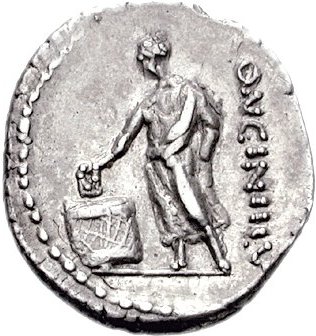
Οι εκλογές στην αρχαία Ελλάδα και Ρώμη / Voting in ancient Greece and Rome

Παράσταση ψηφοφορίας σε ρωμαϊκό 
νόμισμα, 63 π.Χ. (Classical Wisdom)
 Οι εκλογές στις ΗΠΑ, που προκάλεσαν το ενδιαφέρον σε όλη την υφήλιο, έχουν πλέον ολοκληρωθεί με
την ανάδειξη του νικητή της αναμέτρησης. Πώς όμως διεξάγονταν οι εκλογές στην αρχαία Ελλάδα και Ρώμη; Ο Ed Whelan μας γίνει κάποιες χρήσιμες πληροφορίες σχετικά με αυτές στην ιστοσελίδα Classical Wisdom: 

A Short History of Voting in the Ancient World

Παρασκευή 28 Αυγούστου 2020

Βίβλος και καπιταλισμός / Bible and capitalism

Μπορεί η Βίβλος να χρησιμοποιηθεί ως σημείο αναφοράς πολιτικών ομάδων για να δικαιολογήσουν συγκεκριμένα πολιτικά και οικονομικά συστήματα; Με αφορμή τον τρόπο που μία συγκεκριμένη ομάδα λευκών ευαγγελικαλικών στις ΗΠΑ αξιοποιεί τη Βίβλο για να στηρίξει την πολιτική του Doald Trump,o Tony Keddie (University of British Columbia) σχολιάζει τα όρια και τους κινδύνους μιας τέτοιας πρακτικής:

U.S. Republicans and the Fallacy of Biblical Capitalism

Πέμπτη 13 Φεβρουαρίου 2020

Ρώσοι αρχαιολόγοι στους Αγίους Τόπους / Russian archaeologists in the Holy Land

Στην ιστοσελίδα ANE Today οι Yana Tchekhanovets και Leonid Belyaev παρουσιάζουν την ιστορία της ρωσικής αρχαιολογικής παρουσίας στους Αγίους Τόπους κι εξηγούν τους τρόπους που συνδέεται με τα πολιτικά συμφέροντα στην περιοχή:

Παρασκευή 31 Ιανουαρίου 2020

Πολιτικά κείμενα τρόμου στο βιβλίο των Κριτών / Political texts of terror in the Book of Judges

Στην ιστοσελίδα The Bible and Interpretation ο Peter Feinman συζητά την περίπτωση ορισμένων κειμένων τα οποία μπορούν να θεωρηθούν πολιτικά κείμενα, όπου εμφανίζονται γυναικείοι χαρακτήρες με μεταφορικό χαρακτήρα. Ο συγγραφέας θέτει το ερώτημα, πώς λειτουργούν αυτοί οι χαρακτήρες μέσα στις αφηγήσεις και κατά πόσο αυτές οι ιστορίες έχουν πολιτικό χαρακτήρα: 

Δευτέρα 6 Ιανουαρίου 2020

Στο τρέχον τεύχος του ABSA / In the Current Issue of ABSA

Annual of the British School of Athens 114 (2019)
  • Kyriakos Savvopoulos, "Popular Divine Imagery in Hellenistic and Roman Alexandria. The Terracotta Figurines Collection of the Patriarchal Sacristy in Alexandria," 317-368 (abstract)
  • Antonis Kotsonas, "Politics, Research Agendas and Abortive Fieldwork Plans over Lyktos, Crete: A History of Archaeological Research," 399-443 (abstract)

Δευτέρα 9 Δεκεμβρίου 2019

Στο τρέχον τεύχος του Kleos / In the current issue of Kleos

Kleos 2 (2019)

Sander Egberink, "Revisiting Statues: The appropriation of Pompeius Magnus at the Forum of Augustus"
Ever since Paul Zanker published his book ‘Forum Augustum’ in 1968, there has been debate regarding the Forum of Augustus as a ‘propaganda forum’. In this article, a novel approach is suggested to add to this debate by borrowing the notion of ‘appropriation’ from cultural history. In order to attune this approach to the study of ancient monuments, the three questions of how, why and who serve as analytical tools to study the process of appropriation. The case under study is the group of Republican statues at the Forum of Augustus, more specifically the statue of Pompeius Magnus.
The result of the analysis is twofold:
1. appropriation is a useful notion for the study of monuments in which the past played a pivotal role;
2. psychological preparation, selection criteria and deliberate alterations, as well as the design of comparison for visitors, were all highly relevant in the appropriation of the Republican past in the Forum Augustum.

Τετάρτη 4 Δεκεμβρίου 2019

Το τρέχον τεύχος του JSPs / The current issue of JSPs

Journal for the Study of Pseudepigrapha 29:2 (2019)

  • Grant Macaskill, "Meteorology and metrology: Evaluating parallels in the Ethiopic Parables of Enoch and 2 (Slavonic) Enoch,"  79-99 (abstract)
  • Doron Mendels, "An overlooked treatise in Greek political thought: An essay on 2 Maccabees as a Hellenistic politico-theological manifest,"  100-131 (abstract)
  • Tom de Bruin, "Manifesting evil: Demons and physical monstrosity in the Testaments of the Twelve Patriarchs," 132-145 (abstract)

Δευτέρα 14 Οκτωβρίου 2019

Iudaea recepta

Iudaea recepta (Φωτο: JewishPress)
Ένας aureus, που κυκλοφόρησε μετά την καταστολή της ιουδαϊκής επανάστασης που κατέληξε στην καταστροφή του 70 μ.Χ. είναι το θέμα της μελέτης της ιστορικού Linda Zollschan, το οποίο θα δημοσιευθεί στο τεύχος του 2020 του περιοδικού Israel Numismatic Research Journal. Το τέλος του Ιουδαϊκού Πολέμου και η υποταγή των επαναστατημένων Ιουδαίων υπήρξε το θέμα πολλών νομισμάτων αυτής της περιόδου σε όλη την αυτοκρατορία και προσέδωσε στον Βεσπασιανό και στη δυναστεία των Φλαβίων εξαιρετική δύναμη και αίγλη. Δύο θρίαμβοι, του Βεσπασιανού και του Τίτλου, οργανώθηκαν μέσα σε έναν χρόνο -κάτι εξαιρετικά σπάνιο στη ρωμαϊκή ιστορία- με απόφαση της Συγκλήτου για να εορτάσουν το γεγονός. Ανάμεσα στις κοπές νομισμάτων ξεχωρίζει ο σπάνιος aureus με την επιγραφή Iudaea recepta (φωτο). Η γενική εκτίμηση στην έρευνα είναι ότι η λέξη recepta δηλώνει την επιστροφή της Ιουδαίας στο διοικητικό σύστημα της αυτοκρατορίας. Η Zollschan, ωστόσο, συνδέει το συγκεκριμένο νόμισμα με το τελετουργικό της παράδοσης ενός κράτους στην εξουσία των Ρωμαίων. Έτσι, δεν πρόκειται για μία περισσότερο ήπια έκφραση της κατάκτησης αλλά μάλλον παραπέμπει στην ίδια την πράξη και το λεκτικό της τελετής παράδοσης. Επομένως, σκοπό είχε να προσδώσει τιμή και κύρος στον Βεσπασιανό και να τον κατοχυρώσει πολιτικά στη Ρώμη:

Τετάρτη 9 Οκτωβρίου 2019

Η διάδοση της γνώσης στον αρχαίο κόσμο / Knowledge transmission in the ancient world

Κυκλοφόρησαν κι είναι διαθέσιμα ως open access τα πρακτικά ενός διεπιστημονικού συνεδρίου που έλαβε χώρα στην Nantes το 2007 κι είχε ως θέμα τους τρόπους διάδοσης της γνώσης γενικότερα και της τεχνογνωσίας ειδικότερα στον ελληνορωμαϊκό κόσμο:

Frédéric Le Blay (επιμ.), Transmettre les savoirs dans les mondes hellénistique et romain. Rennes: Presses universitaires de Rennes, 2010 (ηλεκτρονική έκδοση 2019)