Εμφάνιση αναρτήσεων με ετικέτα ρωμαϊκή αυτοκρατορία. Εμφάνιση όλων των αναρτήσεων

Τρίτη 10 Φεβρουαρίου 2026

Eugesta 15 (2025)

Kυκλοφόρησε το τεύχος 15 (2025) του ηλεκτρονικού περιοδικού για τις σπουδές φύλου στην αρχαιότητα Eugesta, με επτά πολύ ενδιαφέροντα άρθρα που εκτείνονται από τον Πλάτωνα έως τη γυναικεία αναγνωστική πράξη κατά το 16ο αιώνα. Η θεματική ποικιλία του τεύχους αντανακλά την πλούσια παράδοση των σπουδών φύλου στις κλασικές σπουδές: από τη βιολογία και την πολιτική στον Πλάτωνα, το ρωμαϊκό χορό και τη γυναικεία τρίτη ηλικία, την αφιέρωση μνημείων ύδρευσης από γυναίκες ευεργέτιδες στο ανατολικό τμήμα της ρωμαϊκής αυτοκρατορίας, έως τις θεοποιήσεις της Ινούς στον Οβίδιο και την "παρακωμωδία" (κωμικές παραστάσεις παρεμβαλλόμενες σε τραγικά θεάματα) με αποκλειστική γυναικεία παρουσία. Όλα τα άρθρα είναι ελεύθερα διαθέσιμα. 

-------------------

[ENG] 

Issue 15 (2025) of Eugesta, the electronic journal for gender studies in antiquity, has been published, featuring seven very interesting articles ranging from Plato to female reading practices in the 16th century. The thematic variety of the issue reflects the rich tradition of gender studies in classical scholarship: from biology and politics in Plato, Roman dance and female old age, the dedication of waterworks monuments by female benefactors in the eastern part of the Roman Empire, to the deifications of Ino in Ovid and "paracomedy" (comic performances interpolated into tragic spectacles) with an exclusively female presence. All articles are open access.

Eugesta 15 (2025)

Δευτέρα 2 Φεβρουαρίου 2026

Η “βασιλική” πριν γίνει χριστιανική εκκλησία: ο ρωμαϊκός χώρος των δικαστηρίων και η Καινή Διαθήκη / Before the Christian Basilica: Roman Courts and the New Testament

Στις αφηγήσεις της Καινής Διαθήκης που περιέχουν σκηνές δημόσιας ακρόασης, απολογίας ή διαχείρισης του πλήθους, συνήθως εστιάζουμε στα πρόσωπα και στους λόγους τους—όχι στον χώρο μέσα στον οποίο λαμβάνει χώρα το γεγονός. Αυτό είναι εύλογο: τις περισσότερες φορές η ίδια η αφήγηση δεν περιγράφει αυτούς τους χώρους.

Μια πρόσφατη ανακάλυψη στην ιταλική πόλη Fano—η εύρεση μιας βασιλικής που ταυτίζεται με εκείνη που περιγράφει ο Βιτρούβιος—μας δίνει την ευκαιρία να ξανασκεφτούμε πώς ο δημόσιος χώρος διαμόρφωσε την εμπειρία και τη σημασία τέτοιων επεισοδίων. Κι αυτό, επειδή στον ρωμαϊκό κόσμο ο δημόσιος βίος, και ειδικότερα η απονομή της δικαιοσύνης, ήταν άρρηκτα δεμένος με συγκεκριμένες αρχιτεκτονικές δομές: το forum και τα διοικητικά συγκροτήματα που το πλαισιώνουν, αλλά και τη ρωμαϊκή basilica.

Η ανακάλυψη της basilica στη Fano (Fanum Fortunae)

Το 2022, στην Piazza Andrea Costa της ιταλικής πόλης Fano (της αρχαίας Fanum Fortunae), η αρχαιολογική έρευνα έφερε στο φως εντυπωσιακές μαρμάρινες κατασκευές και δάπεδα, ενδεικτικά ενός δημόσιου μνημειακού συγκροτήματος. Περαιτέρω εργασίες αποκάλυψαν ένα ορθογώνιο κτήριο διαστάσεων περίπου 50 × 35 μέτρων, με περιμετρική κιονοστοιχία.

Μετά την επίσημη ανακοίνωση της 19ης Ιανουαρίου 2026, η αρμόδια Soprintendenza (ABAP Ancona–Pesaro Urbino) παρουσίασε στις 20 Ιανουαρίου 2026 τα βασικά δεδομένα: πέντε κίονες σε opus vittatum (τεχνική με εναλλασσόμενες σειρές τούβλων και λίθου), διαμέτρου περίπου 1,5 μ., σε απόσταση περίπου 4 μ. ο ένας από τον άλλο—σε αντιστοιχία με την περιγραφή του Βιτρούβιου (De Architectura 5) για τις πλευρικές κιονοστοιχίες. Οι βάσεις των κιόνων επικαλύπτονταν από μαύρο επίχρισμα.

Βάση/τμήμα κίονα από την ανασκαφή της basilica
στην Piazza Andrea Costa  στη Fano
(Φωτο: Ministero della Cultura, Ufficio Stampa e Comunicazione
)

Η οριστική επιβεβαίωση ήρθε στις 16 Ιανουαρίου 2026, όταν με συστηματική έρευνα εντοπίστηκε η γωνιακή κολόνα του κτηρίου. Οι κίονες αυτού του κτηρίου, ύψους περίπου 15 μέτρων, στηρίζονταν σε φέροντες πεσσούς και παραστάδες για την υποστήριξη ενός δεύτερου ορόφου. Βρέθηκαν επίσης τμήμα του περιμετρικού τοίχου με μαύρο επίχρισμα, δύο τετράγωνες βάσεις (πιθανώς για αγάλματα), και εκτεταμένες επιφάνειες του δαπέδου της αίθουσας της βασιλικής.

Ας σημειωθεί ότι ήδη από το 2022 οι ανασκαφές στη via Vitruvio είχαν φέρει στο φως επιβλητικές οικοδομικές κατασκευές και μαρμάρινα δάπεδα που υποδήλωναν την παρουσία δημόσιων κτιρίων υψηλού επιπέδου. Η ανακάλυψη της βασιλικής συμπληρώνει την εικόνα αυτού του δημόσιου χώρου. Με βάση τα ευρήματα που έχουν μέχρι τώρα στη διάθεσή τους οι αρχαιολόγοι είναι σε θέση να αποκαταστήσουν την αρχική της μορφή και τις διαστάσεις της και την έχουν ταυτοποιήσει με τη βασιλική που περιγράφει ο Βιτρούβιος στο προαναφερθέν έργο του. Πρόκειται για την  πρώτη υλική απόδειξη της ύπαρξης του μοναδικού κτιρίου που ο Βιτρούβιος αποδίδει ρητώς στον εαυτό του.

Ανοιχτά ερωτήματα και μελλοντικές έρευνες

Η ανακάλυψη δημιουργεί μία σειρά από νέα ερωτήματα. Πού ακριβώς βρισκόταν ο aedes Augusti (ο ναός του Αυγούστου) που αναφέρει ο Βιτρούβιος; Πώς ήταν οργανωμένοι οι χώροι του forum; Οι έρευνες συνεχίζονται στην περιοχή του μοναστηριού του San Daniele, όπου εικάζεται ότι βρισκόταν το tribunalium και ο ναός. Προς την via Montevecchio, εντοπίστηκαν ήδη αρχιτεκτονικά υπολείμματα που πιθανόν σχετίζονται με το ρωμαϊκό macellum. Εκτιμάται ότι τα νέα ευρήματα θα επιτρέψουν την ανακατασκευή των άνω τμημάτων του κτηρίου της βασιλικής και θα οδηγήσουν στην επανεξέταση παλαιότερων υποθέσεων, όπως εκείνης του Palladio κατά το 16ο αιώνα.

Η ανακάλυψη της βασιλικής του Βιτρούβιου  είναι σημαντική όχι μόνο για τη ρωμαϊκή αρχαιολογία και την ιστορία της αρχιτεκτονικής αλλά και για την ιστορική μελέτη της εποχής της Καινής Διαθήκης. Μας βοηθά να κατανοήσουμε καλύτερα τους χώρους, όπου η ρωμαϊκή εξουσία εκδηλώνεται ως δημόσια διαδικασία.

Η βασιλική ως δημόσιο κτήριο 

Μολονότι σήμερα η βασιλική να ταυτίζεται με συγκεκριμένο ρυθμό χριστιανικών ναών κι έχει αποκτήσει θρησκευτικό χαρακτήρα, στα ρωμαϊκά, όμως, χρόνια, ήταν ένα δημόσιο κοσμικό κτήριο συναλλαγών, διοίκησης και κυρίως δικαστικών διαδικασιών. Τα κτήρια, άλλωστε, του δημόσιου χώρου στη ρωμαϊκή αυτοκρατορία είναι τόποι εξουσίας και φορείς ιδεολογίας. Ας θυμηθούμε εδώ ότι για τον Βιτρούβιο ο αρχιτεκτονικός σχεδιασμός πρέπει να ακολουθεί μία συγκεκριμένη τάξη κι αρμονία (για παράδειγμα, τα κτήρια πρέπει να ακολουθούν τις αναλογίες του ανθρώπινου σώματος). Η αρχιτεκτονική του δημόσιου χώρου, λοιπόν, επιβεβαιώνει και επιβάλλει μία συγκεκριμένη ιδεολογία και ιεραρχία της εξουσίας. 

Αυτός ο χώρος, όμως, είναι κι ο κόσμος στον οποίο κινούνται οι πρώτοι Χριστιανοί, οι οποίοι γίνονται αποδέκτες και κάποιες φορές θύματα της ιδεολογίας και της πολιτικής πραγματικότητας την οποία υπογραμμίζουν κτήρια, όπως η βασιλική του Βιτρούβιου. Θα πρέπει εδώ να θυμηθούμε, για παράδειγμα, ότι συχνά στις Πράξεις των Αποστόλων, διαβάζουμε για συλλήψεις και δίκες, κατηγορίες και απολογίες των αποστόλων, επαφές με τις αρχές και τη μεταφορά του ευαγγελίου από τον ιδιωτικό στο δημόσιο χώρο. Δε μπορούμε με βεβαιότητα πάντοτε να συνδέσουμε συγκεκριμένα περιστατικά των Πράξεων με αυτά τα δημόσια κτήρια που οι αρχαιολόγοι έχουν εντοπίσει. Ευρήματα, όμως, όπως αυτό στη Fano, επιτρέπουν να διαβαστούν με μεγαλύτερη ιστορική ακρίβεια σκηνές δημόσιας ακρόασης/αντιπαράθεσης που περιγράφονται στις πρώιμες χριστιανικές πηγές και καθιστούν απτό το υλικό και θεσμικό πλαίσιο αυτών των περιστατικών. Η έννοια της “κρίσης” και της “δικαιοσύνης” αποκτά λοιπόν και μια υλική/κοινωνική διάσταση: δεν είναι μόνο θεολογικό λεξιλόγιο, αλλά και εμπειρία ζωής μέσα σε συγκεκριμένους χώρους εξουσίας. Επομένως, η αρχαιολογία του χώρου δεν παρέχει απλά ένα αποδεικτικό συμπλήρωμα στον ερμηνευτή της Καινής Διαθήκης. Είναι ένα σημαντικό σημείο αφετηρίας της ερμηνείας και της κατανόησης του κειμένου μέσα στο ιστορικό, κοινωνικό και πολιτικό του πλαίσιο. Αν θέλουμε να διαβάσουμε αυτά τα κείμενα όπως τα διάβαζαν οι πρώτοι αναγνώστες, πρέπει να ανακατασκευάσουμε, κατά το δυνατόν, τον υλικό κόσμο μέσα στον οποίο εκτυλίχθηκαν τα γεγονότα που περιγράφουν. 

Η βασιλική της Fano λειτουργεί, επομένως, όπως μία "γέφυρα ανάμεσα στο κείμενο και τον τόπο"  (πρώτα μεταξύ του κειμένου του Βιτρούβιου και το συγκεκριμένο κτήριο και, δεύτερον, μεταξύ των αφηγήσεων όπως εκείνων των Πράξεων και της υλικής πραγματικότητας και του χώρου στις πόλεις του ελληνορωμαϊκού κόσμου). Ευρήματα, όπως αυτό, μας υπενθυμίζουν ότι η ιστορία των πρώτων χριστιανικών κοινοτήτων δεν εκτυλίσσεται σε κενό αλλά μέσα σε συγκεκριμένες υλικές συνάφειες του αστικού βίου που η αρχαιολογία μπορεί να ανασυνθέσει με αυξανόμενη ακρίβεια. 

Πηγές

-------------------------------------------------------

Ιn the New Testament narratives that contain scenes of public hearings, defenses, or crowd management, we typically focus on the individuals and their words rather than on the space in which the event takes place. This is because the narrative itself most often does not describe these spaces. A recent discovery in the Italian city of Fano—the finding of the first confirmed basilica of Vitruvius—gives us an opportunity to reconsider how these spaces shaped the meaning of these very texts. This is because in the Roman world, public life, and particularly the administration of justice, was inextricably bound to specific architectural structures: the forum and its administrative complexes, and especially the Roman basilica.

The discovery of the basilica at Fano (Fanum Fortunae)

In 2022, within the Piazza Andrea Costa in the Italian city of Fano (ancient Fanum Fortunae), the archaeological spade brought to light impressive marble architectural structures and floors. Further work revealed a rectangular building measuring approximately 50 x 35 meters with a perimeter colonnade. On January 20, 2026, the Italian Archaeological Service presented in a press conference (with the participation of Minister of Culture Alessandro Giuli) the extraordinary findings: five columns in opus vittatum (a technique with alternating rows of brick and stone), 1.5 meters in diameter, approximately 4 meters apart from one another—exactly as Vitruvius describes them in Book 5 of his work De Architectura for the lateral colonnades. The bases of the columns are covered with black plaster.

The definitive confirmation came on January 16, 2026, when through systematic investigation the corner column of the building was located. Its columns, approximately 15 meters high, rested on load-bearing piers and pilasters to support a second floor. Also found were a section of the perimeter wall with black plaster, two square bases (probably for statues), and extensive surfaces of the basilica hall's floor.

It should be noted that already in 2022, excavations on the via Vitruvio had brought to light imposing architectural structures and marble floors indicating the presence of high-level public buildings. The discovery of the basilica completes the picture of this public space. Based on the findings available to archaeologists so far, they are in a position to reconstruct its original form and dimensions and have identified it with the basilica that Vitruvius describes in his aforementioned work. This is the first material evidence of the existence of the only building that Vitruvius explicitly attributes to himself.

Open questions and future research

The discovery raises a series of new questions. Where exactly was the aedes Augusti, the temple of Augustus that Vitruvius mentions? How were the spaces of the complex organized? Excavations continue in the area of the monastery of San Daniele, where the tribunalium and temple may have been located. Toward the via Montevecchio, architectural remains have already been identified that probably belong to the Roman macellum. It is estimated that the new findings will allow the reconstruction of the upper sections of the building and the reexamination of earlier hypotheses, such as that of Palladio in the 16th century.

The discovery of Vitruvius's basilica matters not only for Roman archaeology and the history of architecture but also for the historical study of the New Testament period. It helps us better understand the spaces where Roman power manifests itself as a public process within buildings and public space.

The basilica as a public building

While today the basilica is identified with a specific style of Christian churches and has acquired a religious character, in Roman times it was a public secular building for judicial proceedings, administration, and politics. Moreover, the buildings of public space in the Roman Empire are sites of power and bearers of ideology. Let us recall here that for Vitruvius, architectural design must follow a specific order and harmony (for example, buildings must follow the proportions of the human body). The architecture of public space, therefore, confirms and imposes a specific ideology and hierarchy of power.

This space, however, is also the world in which the first Christians move, who become recipients of the ideology and political reality underscored by buildings such as Vitruvius's basilica. We should remember here, for example, that often in the Acts of the Apostles we read about arrests and trials, accusations and defenses of the apostles, contacts with authorities and the transfer of the gospel from private to public space. Without of course being able always to identify public buildings with certainty with specific incidents in Acts, findings such as that at Fano allow scenes of public hearing/confrontation described in early Christian sources to be read with greater historical accuracy. The concept of "judgment" and "justice" then acquires a material/social dimension as well: it is not only theological vocabulary, but also life experience within specific spaces of power. Therefore, the archaeology of space does not merely provide supporting evidence to the interpreter of the New Testament. It is an important point of departure for the interpretation and understanding of the text within its historical, social, and political context. If we want to read these texts as the first readers read them, we must reconstruct, as far as possible, the material world within which the events they describe unfolded.

The basilica at Fano thus functions as a "bridge between text and place" (first between Vitruvius's text and the specific building, and second, between narratives such as those of Acts and the material reality and space in the cities of the Greco-Roman world). Findings such as this remind us that the history of the early Christian communities does not unfold in a vacuum but within specific material contexts of urban life that archaeology can reconstruct with increasing accuracy.


Sources:

Τετάρτη 28 Ιανουαρίου 2026

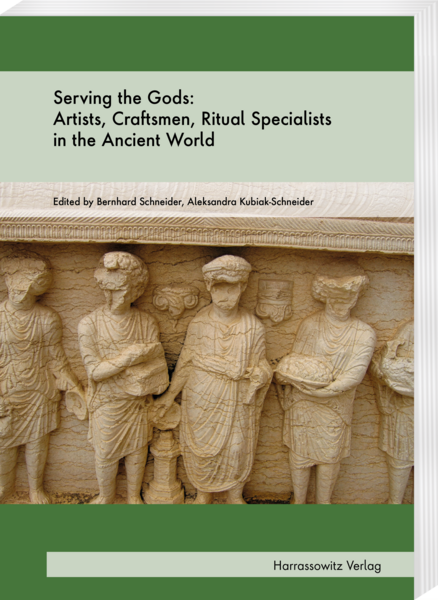
Serving the Gods: ένας νέος Open Access τόμος για τους ανθρώπους των ιερών στην αρχαιότητα / Serving the Gods: A New Open-Access Volume on the People Who Served Ancient Sanctuaries

Kυκλοφόρησε πρόσφατα (2025) σε open access από τον οίκο Harrassowitz ένας συλλογικός τόμος Serving the Gods: Artists, Craftsmen, Ritual Specialists in the Ancient World, σε επιμέλεια Bernhard Schneider και Aleksandra Kubiak-Schneider. Οι μελέτες που φιλοξενούνται σε αυτόν τον τόμο προσφέρουν μια διεπιστημονική και διαπολιτισμική ματιά στο ερώτημα: ποιος, πέρα από τους ιερείς, υπηρετούσε τους θεούς στην αρχαιότητα;

Πρόκειται για τα πρακτικά του 23ου Melammu Workshop (Βρότσλαβ, Σεπτέμβριος 2024), με 16 μελέτες που καλύπτουν μία ευρεία γεωγραφικά, χρονικά και πολιτισμικά περιοχή: από τη Μεσοποταμία μέχρι τη ρωμαϊκή Παλαιστίνη και από την αρχαϊκή εποχή μέχρι την όψιμη αρχαιότητα.

Η βασική ιδέα είναι απλή αλλά πολύ γόνιμη: όταν μιλάμε για ναούς και λατρεία, συνήθως το ενδιαφέρον στρέφεται στο ιερατείο. Ο τόμος, όμως, μεταθέτει την προσοχή σε όσους/όσες στήριζαν πρακτικά τη λατρευτική ζωή και τη λειτουργία των ιερών: τεχνίτες, καλλιτέχνες, εργάτες, ειδικούς των τελετουργιών, μουσικούς, διαχειριστές, και γενικότερα το προσωπικό που έκανε δυνατή την καθημερινότητα του ιερού.

Ο τόμος είναι οργανωμένος σε δύο μέρη: 

  • Ιστορία/Φιλολογία (μελέτες που δουλεύουν κυρίως με κείμενα και ιστορικές μαρτυρίες)
  • Αρχαιολογία/Εθνογραφία (με έμφαση στην υλικότητα, τις πρακτικές και τα κατάλοιπα)

Ενδεικτικά αναφέρω εδώ κάποια θέματα του τόμου που έχουν ενδιαφέρον για τους αναγνώστες αυτού του ιστολογίου:

  • Το μη-ιερατικό προσωπικό του Ναού Ιερουσαλήμ στην περσική περίοδο (πυλωροί, Νετινείμ, υιοί δούλων του Σολομώντα, ψάλτες) με βάση τα βιβλία Έσδρα και Νεεμία
  • Παιδιά-ιερείς στη ρωμαϊκή Ιταλία – από τις Εστιάδες Παρθένες μέχρι τους Salii και την αυτοκρατορική οικογένεια
  • Κτίστες, γλύπτες και διακοσμητές στους παρθικούς και ρωμαϊκούς ναούς της Ανατολής
  • Εβραίοι στρατιώτες στο ρωμαϊκό στρατό και η θρησκευτική τους δράση (Dura-Europos, Παλμύρα, Σάρδεις)
  • Τεχνίτες και προμηθευτές στους αιγυπτιακούς ναούς της ρωμαϊκής εποχής
  • Εθνογραφικές προσεγγίσεις: από τους κεραμείς της αρχαίας Εγγύς Ανατολής μέχρι τους σύγχρονους κατασκευαστές θυμιατηρίων στην Κύπρο

Οι μελέτες του τόμου αναδεικνύουν πώς οι ναοί ήταν πολύπλοκοι κοινωνικοί, οικονομικοί και θρησκευτικοί θεσμοί που αξιοποιούσαν τεχνίτες, κτίστες, μουσικούς, διαχειριστές, βοσκούς, και πολλούς άλλους – και σίγουρα όχι μόνο ιερείς. Ο τόμος υπενθυμίζει ότι η λατρεία δεν είναι μόνο θεολογικό ή τελετουργικό γεγονός, αλλά και κοινωνική πράξη που προϋποθέτει ρόλους, εργασία και οργάνωση—και γι' αυτό έχει αξία ως υλικό συγκριτικής ανάγνωσης.

Bernhard Schneider / Aleksandra Kubiak-Schneider, Serving the Gods: Artists, Craftsmen, Ritual Specialists in the Ancient World, Harrassowitz Verlag 2025

doi: 10.13173/9783447125116

------------------------------------------------------------------

A new open access volume has recently been published (2025) by Harrassowitz: Serving the Gods: Artists, Craftsmen, Ritual Specialists in the Ancient World, edited by Bernhard Schneider and Aleksandra Kubiak-Schneider. The studies in this volume offer an interdisciplinary and cross-cultural perspective on the question: who, besides priests, served the gods in antiquity?

The volume contains the proceedings of the 23rd Melammu Workshop (Wrocław, September 2024), with 16 studies covering a broad geographical, chronological, and cultural area: from Mesopotamia to Roman Palestine and from the archaic period to late antiquity.

The core idea is simple but highly productive: when we talk about temples and worship, attention typically focuses on the priesthood. This volume, however, shifts attention to those who provided practical support for religious life and the functioning of sanctuaries: craftsmen, artists, laborers, ritual specialists, musicians, administrators, and more generally the personnel who made the daily operations of the sanctuary possible.

The volume is organized in two parts:

  • History/Philology (studies working primarily with texts and historical evidence)
  • Archaeology/Ethnography (emphasizing materiality, practices, and material remains)

Some topics in the volume of particular interest to readers of this blog include:

  • Non-priestly personnel of the Jerusalem Temple in the Persian period (gatekeepers, Netinim, sons of Solomon's servants, singers) based on the books of Ezra and Nehemiah
  • Child priests in Roman Italy – from the Vestal Virgins to the Salii and the imperial family
  • Builders, sculptors and decorators in Partho-Roman Eastern temples
  • Jewish soldiers in the Roman army and their religious activities (Dura-Europos, Palmyra, Sardis)
  • Craftsmen and suppliers in Egyptian temples during the Roman era
  • Ethnoarchaeological approaches: from potters in the ancient Near East to modern incense-burner makers in Cyprus

The studies in this volume demonstrate how temples functioned as complex social, economic, and religious institutions that employed craftsmen, builders, musicians, administrators, shepherds, and many others – and certainly not just priests. The volume reminds us that worship is not only a theological or ritual event, but also a social practice that presupposes roles, labor, and organization—and for this reason it has value as material for comparative analysis.

Bernhard Schneider / Aleksandra Kubiak-Schneider, Serving the Gods: Artists, Craftsmen, Ritual Specialists in the Ancient World, Harrassowitz Verlag 2025

doi: 10.13173/9783447125116

Τρίτη 13 Ιανουαρίου 2026

«Διομήδης χρηστιανός»: μια πρώιμη επιγραφική μαρτυρία χριστιανικής ταυτότητας από τη Μεσσήνη / "Διομήδης χρηστιανός": Early Epigraphic Evidence for Christian Identity from Messene

 Στο πρόσφατο άρθρο του Νίκου Τσιβίκη, “The Earliest χρηστιανοί of Messene and Their Third- and Fourth-century Funerary Monuments,” Tekmeria 19 (2025), δημοσιεύεται και αναλύεται μια σύντομη αλλά ιδιαίτερα ενδιαφέρουσα επιγραφή από την αρχαία Μεσσήνη που ρίχνει φως στον τρόπο που οι αρχαίοι Χριστιανοί αυτοπροσδιορίζονταν. 

Η επιγραφή είναι χαραγμένη σε αρχιτεκτονικό λίθο ρωμαϊκού ταφικού μνημείου  (Μνημείο Μ), το οποίο βρισκόταν extra muros, νότια του σταδίου–γυμνασίου της πόλης, σε περιοχή με μακρά χρήση ως νεκροταφείο. 

Η Επιγραφή του Διομήδη

Το κείμενο είναι εξαιρετικά απλό:

ΔΙΟΜΗ|ΔΗC | ΧΡΗCΤΙΑΝΟC

    Αυτή η λιτότητα της επιγραφής σε συνδυασμό με παλαιογραφικά κριτήρια οδηγεί τον Τ. να την χρονολογήσει στα τ. του 3ου αι. – αρχ. 4ου αι. μ.Χ., δηλαδή στην προκωνσταντίνεια περίοδο.Tο ταφικό μνημείο στο οποίο χαράχτηκε είναι του 1ου-2ου αι. μ.Χ. και ανήκε σε κάποια επιφανή πιθανόν οικογένεια της Μεσσήνης, της οποίας μέλος φαίνεται πως ήταν κι ο νεκρός. Ήταν ένα μικρό ορθογώνιο κτίριο με θέσεις για την τοποθέτηση των νεκρών. Η πρακτική της προσθήκης νέων επιγραφών σε παλαιότερα ταφικά μνημεία είναι καλά τεκμηριωμένη στη Μεσσήνη και αλλού στον ελληνικό χώρο. Το νέο στοιχείο εδώ δεν είναι το ίδιο μνημείο, αλλά ο τρόπος αυτοπροσδιορισμού του νεκρού.

Χρηστιανός vs. Χριστιανός: Μια Κρίσιμη Διαφορά

    Το όνομα «χριστιανός» ως δηλωτικό ενός μέλους της χριστιανικής ταυτότητας είναι ήδη γνωστό από την Καινή Διαθήκη: Πραξ 211:26 και 1Πε 4:16 (σε συνάφεια που παραπέμπει σε διωγμούς και θλίψεις). Κατά το 2ο αι. ο τίτλος χρησιμοποιείται ως προσδιορισμός των μελών της χριστιανικής Εκκλησίας από τις ρωμαϊκές αρχές κι αποκτά σταδιακά θετικό πρόσημο ως αυτοπροσδιορισμός των μελών της εκκλησιαστικής κοινότητας.

    Το πραγματικά συναρπαστικό στην περίπτωση της Μεσσήνης και σε άλλα επιγραφικά μνημεία είναι η ορθογραφία με ήτα (η) αντί για ιώτα (ι): χρη-στιανός αντί χρι-στιανός. Αυτή η παραλλαγή δεν είναι τυχαία ούτε ορθογραφικό σφάλμα, αλλά παραπέμπει σε μία μια βαθύτερη διαδικασία (αυτο)προσδιορισμού θρησκευτικών κι άλλων ομάδων στη ρωμαϊκή αυτοκρατορία.

    Πρόσφατη έρευνα του Walter Shandruk σε παπύρους από την Αίγυπτο έχει δείξει ότι οι δύο ορθογραφίες αντιπροσωπεύουν διαφορετικές οπτικές:

  • Χριστός (με ι) = η "εσωτερική" γλώσσα των χριστιανικών κοινοτήτων. Οι χριστιανοί χρησιμοποιούσαν τον προσδιορισμό Χριστός για τον Ιησού, ακολουθώντας τους κανόνες της κοινής ελληνικής.
  • Χρηστιανός (με η) = η "εξωτερική" γλώσσα της ρωμαϊκής διοίκησης. Όταν οι ρωμαϊκές αρχές κατηγοριοποιούσαν τους χριστιανούς, βασίστηκαν στο λατινικό όνομα Chrestus και δημιούργησαν τον όρο chrestiani, από όπου προέκυψε το ελληνικό χρηστιανός.

    Η ορθογραφία με «η» επικρατεί σε παπύρους έως τον 4ο αιώνα,  πριν δηλ. ο χριστιανισμός γίνει επίσημη θρησκεία και τυποποιηθεί η ορολογία. Όπως υποστηρίζει ο Sylvain Destephen: "η μεμονωμένη χρήση του όρου 'χριστιανός', ειδικά όταν υιοθετεί αρχαϊκή ορθογραφία (χρηστιανός αντί χριστιανός), φαίνεται να υποδεικνύει προκωνσταντίνεια χρονολόγηση".

    Το αξιοσημείωτο στην επιγραφή της Μεσσήνης είναι ότι αυτή η «εξωτερική» ονομασία υιοθετείται από τον ίδιο τον πιστό ως αυτοπροσδιορισμός. Πρόκειται για μια πρώιμη φάση κατά την οποία η χριστιανική ταυτότητα δεν έχει ακόμη πλήρως θεσμοποιηθεί, αλλά δηλώνεται με όρους που γίνονται κατανοητοί και από το ευρύτερο κοινωνικό περιβάλλον.

Μόνο Τέσσερις Επιγραφές σε όλη την Ελλάδα

    Η σπανιότητα των επιγραφών με τον προσδιορισμό «χρηστιανός» (δηλ. με «η») υπογραμμίζει τη σπουδαιότητα του ευρήματος. Μόνο τέσσερις επιγραφές στον ελλαδικό χώρο μαρτυρούν αυτήν την γραφή του ονόματος,

  • 2 από τη Θεσσαλονίκη:
    • ICG 3659: Ταφική επιγραφή
    • ICG 3141: Το επιτάφιο του Ευτυχίου με διπλή ορθογραφία: "χρηστιανοῦ χρηστειανοῦ" - πιθανώς διδάσκαλος και νεοβαπτισμένος ταυτόχρονα
  • Από τη Μεσσήνη:
    • Η νέα επιγραφή του Διομήδη (3ος αι.)
    • ICG 3432: Το επιτάφιο του Γλυκά (4ος-5ος αι.) με την πιο επεξεργασμένη φόρμουλα "χρηστιανέ, φιλοπάτωρ, φιλάδελφε, φιλόφιλε"

    Αντίθετα, στη Φρυγία αυτός ο τύπος ήταν εξαιρετικά διαδεδομένος. Έχουν έως τώρα εντοπισθεί 33 επιγραφές με τον προσδιορισμό «χρηστιανός», οι γνωστές επιγραφές με τη διατύπωσ "Χριστιανοί υπέρ Χριστιανῶν" του 3ου και του4ου αιώνα. Η σπανιότητα στην Ελλάδα ίσως υποδηλώνει διαφορετικές τοπικές παραδόσεις ή όψιμη ανάπτυξη των ελληνικών χριστιανικών κοινοτήτων (κυρίως από τον ύστερο 4ο αι. κι εξής).

Ποιος ήταν ο Διομήδης;

    Ο Διομήδης είναι το τρίτο γνωστό μέλος της προκωνσταντίνειας χριστιανικής κοινότητας της Μεσσήνης, μετά τον αναγνώστη Παράμονο και τον επίσκοπο Θεόδουλο. Αλλά αντίθετα με εκείνους τους κληρικούς, φαίνεται πως ήταν λαϊκός.

Η ανώτερη κοινωνική του θέση συνεπάγεται από:

  • Το μυθολογικό όνομα (ο ομηρικός ήρωας Διομήδης)
  • Την ταφή σε επιβλητικό οικογενειακό μνημείο (1ος-2ος αι. μ.Χ.)
  • Την επιλογή δημόσιας δήλωσης πίστης

    Αυτό το τελευταίο είναι κρίσιμο. Στην εποχή πριν ο χριστιανισμός αναγνωρισθεί επίσημα από το ρωμαϊκό κράτος, ο Διομήδης επέλεξε να δηλώσει την ταυτότητά του σε ένα μνημείο στο δημόσιο χώρο. Αυτή η πράξη αντικατοπτρίζει την πρακτική των μαρτύρων: όταν ο Κάρπος της Περγάμου (2ος αι.) ανακρινόταν για το όνομά του, απάντησε: "Τὸ πρῶτον καὶ ἐξαίρετον ὄνομα Χριστιανός" - "Το πρώτο και εξαίρετο όνομά μου είναι Χριστιανός". Η επιλογή του να δηλώσει στην ταφική του επιγραφή μόνο το όνομα και την ιδιότητα χρηστιανός κι όχι με την καταγωγή ή την οικογένειά του υποδηλώνει ότι, ήδη πριν από την Κωνσταντίνεια στροφή, η χριστιανική πίστη μπορούσε να λειτουργήσει ως πρωτεύων δείκτης ταυτότητας. Με αυτή την έννοια, η επιγραφή αποτελεί μικρό αλλά εξαιρετικά πυκνό τεκμήριο της διαδικασίας με την οποία ο Χριστιανισμός μετατρέπεται από περιθωριακή ομάδα σε σαφώς ορατή κοινότητα μέσα στον κοινωνικό ιστό της αρχαίας πόλης.

Η σπουδαιότητα του επιγραφικού ευρήματος

Η επιγραφή είναι σημαντική για την ιστορία του αρχαίου χριστιανισμού γιατί:

  • Προσφέρει σπάνια μαρτυρία για τον χριστιανισμό του 3ου αιώνα στην Πελοπόννησο, πριν ο χριστιανισμός γίνει επίσημη θρησκεία
  • Αποκαλύπτει τη διαδικασία κατασκευής ταυτότητας - πώς δημιουργούνταν οι θρησκευτικές ταυτότητες και πώς διέφεραν η "εσωτερική" και "εξωτερική" γλώσσα
  • Δείχνει την κοινωνική σύνθεση - ελίτ λαϊκοί χριστιανοί που διατηρούσαν παραδοσιακές ταφικές πρακτικές, ενώ δήλωναν δημόσια τη νέα τους πίστη
  • Επιτρέπει συγκρίσεις ανάλογων φαινομένων σε διαφορετικούς τόπους της ρωμαϊκής αυτοκρατορίας (Ελλάδα vs Φρυγία, Μεσσήνη vs Θεσσαλονίκη) και διερευνά τους τρόπους έκφρασης της χριστιανικής ταυτότητας σε αυτές τις τοπικές κοινότητες.
  • Παρακολουθεί τη διαχρονική εξέλιξη της δήλωσης της χριστιανικής ταυτότητας μέσα σε μία συγκεκριμένη κοινότητα, αυτήν της Μεσσήνης - από την αυστηρή "Διομήδης χρηστιανός" στην πιο επεξεργασμένη φόρμουλα του Γλυκά.
[Σημ. Για τη βάση των ελληνικών χριστιανικών επιγραφών βλ. https://icg.uni-kiel.de/]

----------------------------------------------------


In Nikos Tsivikis's recent article, "The Earliest χρηστιανοί of Messene and Their Third- and Fourth-century Funerary Monuments," Tekmeria 19 (2025), a brief but particularly intriguing inscription from ancient Messene is published and analyzed, shedding light on how early Christians self-identified.

The inscription is carved on an architectural block from a Roman funerary monument (Monument M), located extra muros, south of the city's stadium-gymnasium, in an area with a long history of cemetery use.

The Inscription of Diomedes
The text is remarkably simple:

ΔΙΟΜΗ|ΔΗC | ΧΡΗCΤΙΑΝΟC
"Diomedes Christian"

This stark simplicity, combined with paleographic criteria, leads Tsivikis to date it to the late 3rd–early 4th century CE, i.e., the pre-Constantinian period. The monument itself dates to the 1st-2nd century CE and likely belonged to a prominent Messenian family, of which the deceased appears to have been a member. The practice of adding new inscriptions to older funerary monuments is well-documented in Messene and elsewhere in Greece. What is novel here is not the monument itself, but the mode of self-identification of the deceased.

Chrestianos vs. Christianos: A Critical Difference
The name "Christian" as a designation for a member of the Christian community is already known from the New Testament: Acts 11:26 and 1 Pet 4:16 (in contexts referring to persecutions and tribulations). By the 2nd century, the title was used by Roman authorities to designate members of the Christian Church and gradually acquired a positive connotation as self-identification by members of the ecclesial community.

What is truly fascinating in the case of Messene and other epigraphic monuments is the spelling with eta (η) instead of iota (ι): chre-stianos instead of chri-stianos. This variation is neither accidental nor an orthographic error, but points to a deeper process of (self-)identification of religious and other groups in the Roman Empire.

Recent research by Walter Shandruk on papyri from Egypt has shown that the two spellings represent different perspectives:
  • Χριστός (with ι) = the "in-group" language of Christian communities. Christians used the designation Christos for Jesus, following the rules of common Greek.
  • Χρηστιανός (with η) = the "out-group" language of Roman administration. When Roman authorities categorized Christians, they based it on the Latin name Chrestus and created the term chrestiani, from which the Greek chrestianos derived.
The spelling with eta prevails in papyri up to the 4th century, before Christianity became the official religion and terminology was standardized. As Sylvain Destephen argues: "the isolated use of the term 'Christian,' especially when it adopts an archaic spelling (chrestianos instead of christianos), seems to indicate a pre-Constantinian date."

What is remarkable in the Messene inscription is that this "external" designation is adopted by the believer himself as self-identification. This represents an early phase during which Christian identity has not yet been fully institutionalized, but is declared in terms understood by the broader social environment.

Only Four Inscriptions in All of Greece
The scarcity of inscriptions with the designation "chrestianos" (i.e., with eta) underscores the importance of this find. Only four inscriptions in mainland Greece attest to this spelling:
  • From Thessaloniki:
    • ICG 3659: Funerary inscription
    • ICG 3141: The epitaph of Eutychios with double spelling: "χρηστιανοῦ χρηστειανοῦ" - possibly both teacher and neophyte
  • From Messene:
    • The new inscription of Diomedes (3rd cent.)
    • ICG 3432: The epitaph of Glykas (4th-5th cent.) with the more elaborate formula "chrestiane, philopator, philadelphe, philophile"
By contrast, in Phrygia this designation was extremely widespread. Thirty-three inscriptions with "chrestianos" have been identified so far, the famous "Christians for Christians" inscriptions of the 3rd-4th centuries. The scarcity in Greece may indicate different local traditions or late development of Greek Christian communities (mainly from the late 4th century onward).

Who Was Diomedes?
Diomedes is the third known member of Messene's pre-Constantinian Christian community, after the lector Paramonos and bishop Theodoulos. But unlike those clerics, he appears to have been a layperson.
His elite social status is suggested by:
  • His mythological name (the Homeric hero Diomedes)
  • Burial in an impressive family monument (1st-2nd cent. CE)
  • The choice to publicly declare his faith
This last point is crucial. In the period before Christianity was officially recognized by the Roman state, Diomedes chose to declare his identity on a monument in public space. This act mirrors the practice of martyrs: when Carpus of Pergamum (2nd cent.) was interrogated about his name, he answered: "My first and most distinctive name is Christian." His choice to declare on his funerary inscription only his name and the designation chrestianos suggests that, even before the Constantinian turn, Christian faith could function as a primary identity marker. In this sense, the inscription constitutes a small but extremely dense testament to the process by which Christianity transforms from a marginal group into a clearly visible community within the social fabric of the ancient city.

The Significance of This Epigraphic Find
The inscription is important for the history of early Christianity because it:
  • Offers rare evidence for 3rd-century Christianity in the Peloponnese, before Christianity became the official religion
  • Reveals the process of identity construction - how religious identities were formed and how "in-group" and "out-group" language differed
  • Shows social composition - elite lay Christians who maintained traditional burial practices while publicly declaring their new faith
  • Enables comparisons of analogous phenomena in different regions of the Roman Empire (Greece vs. Phrygia, Messene vs. Thessaloniki) and explores modes of expressing Christian identity in these local communities
  • Tracks diachronic evolution of Christian identity declaration within one specific community, Messene - from the austere "Diomedes chrestianos" to the more elaborate formula of Glykas
[For the ICG see https://icg.uni-kiel.de/] 

Κυριακή 11 Ιανουαρίου 2026

ΟΑ: Κλέβοντας από τους θεούς: η ιεροσυλία στο ρωμαϊκό αυτοκρατορικό αφήγημα / ΟΑ: Stealing from the Gods: Temple Robbery in the Roman Imperial Narrative

Το open access βιβλίο της Isabel K. Köster, Stealing from the Gods: Temple Robbery in the Roman Imagination (University of Michigan Press, 2026), προσεγγίζει την ἱεροσυλία όχι απλώς ως ποινικό αδίκημα, αλλά ως λόγια και πολιτισμική κατηγορία με καθοριστική λειτουργία στο ρωμαϊκό αυτοκρατορικό αφήγημα.

Η συγγραφέας δείχνει ότι η ἱεροσυλία (sacrilegium, με τη βασική σημασία της αφαίρεσης ιερού πράγματος) λειτουργεί στη ρωμαϊκή γραμματεία ως ισχυρός μηχανισμός ηθικής κατηγοριοποίησης. Ο ιερόσυλος περιγράφεται ως μορφή ακραίας ηθικής απόκλισης: άπληστος, χωρίς μέτρο και αποκομμένος από τις αξίες της pietas. Μέσω αυτής της κατασκευής, η ευθύνη για την προσβολή του ιερού μετατοπίζεται από συλλογικές πρακτικές—όπως η αρπαγή ιερών αντικειμένων στο πλαίσιο της πολεμικής επέκτασης—σε μεμονωμένα πρόσωπα, επιτρέποντας στη Ρώμη να διατηρεί την αυτοεικόνα της ως κατ' εξοχήν ευσεβούς αυτοκρατορίας και εξουσίας.

Κεντρική θέση στο επιχείρημα του βιβλίου κατέχει η κατανόηση της ιερότητας όχι ως σταθερής ιδιότητας, αλλά ως έννοιας διαρκώς υπό διαπραγμάτευση, της οποίας το περιεχόμενο καθορίζεται από το εκάστοτε αφηγηματικό και ιδεολογικό πλαίσιο. Τα ίδια αντικείμενα μπορούν, ανάλογα με τα συμφραζόμενα, να παρουσιαστούν είτε ως απαραβίαστα αφιερώματα είτε ως θεμιτή λεία, αποκαλύπτοντας τη στενή διαπλοκή θρησκείας, ιδιοκτησίας και αυτοκρατορικής ισχύος στον ρωμαϊκό κόσμο.

Το βιβλίο προσφέρει μια ιδιαίτερα γόνιμη συμβολή στη μελέτη της αρχαίας θρησκείας και της πολιτικής του ιερού, δείχνοντας πώς αφηγήσεις περί ἱεροσυλίας λειτουργούν ως εργαλεία οριοθέτησης της ηθικής τάξης και νομιμοποίησης της αυτοκρατορικής εξουσίας.

Κρίσιμο στοιχείο της μελέτης είναι ότι η ἱεροσυλία δεν αντιμετωπίζεται ως αυτονόητη ή αντικειμενικά οριζόμενη πράξη, αλλά ως ρητορική κατασκευή, η οποία αποκτά νόημα μέσα σε συγκεκριμένα αφηγηματικά και ιδεολογικά πλαίσια. Οι ρωμαϊκές πηγές δεν περιγράφουν μόνο την προσβολή του ιερού· την παράγουν νοηματικά, ορίζοντας ποιος μπορεί να χαρακτηριστεί ἱερόσυλος, υπό ποιες συνθήκες και με ποιες ηθικές συνέπειες.

Με τον τρόπο αυτό, ο λόγος περί ἱεροσυλίας λειτουργεί κανονιστικά: συγκροτεί πρότυπα ορθής θρησκευτικής συμπεριφοράς, αποκλείει αποκλίνουσες πρακτικές και συμβάλλει στη νομιμοποίηση της αυτοκρατορικής εξουσίας ως προστάτιδας του ιερού.

Η θεματική αυτή ανοίγει και ένα γόνιμο συγκριτικό πεδίο με βιβλικά, αρχαία ιουδαϊκά και πρώιμα χριστιανικά κείμενα, όπου η γλώσσα της ἱεροσυλίας εμφανίζεται άλλοτε ως κατηγορία εναντίον «άλλων» και άλλοτε ως κριτική της ίδιας της εξουσίας. Ενδεικτικά, ο Παύλος χρησιμοποιεί ρητά το ρήμα «ἱερὰ συλᾶν» ως ηθική αιχμή (Ρωμ 2:22), ενώ στις Πράξεις ο όχλος της Εφέσου διαβεβαιώνει ότι οι σύντροφοι του Παύλου «οὔτε ἱερόσυλοι εἰσίν» (Πρξ 19:37), δείχνοντας πόσο φορτισμένη ήταν η κατηγορία στον δημόσιο λόγο. Παράλληλα, η εβραϊκή ιστοριογραφία προσφέρει κλασικές αφηγήσεις «αρπαγής του ιερού» από φορείς εξουσίας: η απόπειρα του Ἡλιοδώρου να αφαιρέσει χρήματα από τον ναό (2 Μακκ 3) λειτουργεί ως υπόδειγμα της βίας της κοσμικής ισχύος απέναντι στο ιερό, ενώ στον Ιώσηπο απαντούν επεισόδια όπου ρωμαϊκοί διοικητές κατηγορούνται ότι πήραν χρήματα από το ἱερόν. Χαρακτηριστικά παραδείγματα: Πόντιος Πιλάτος (Αρχαιολ. 18.55–62) και Γέσσιος Φλώρος (Ιουδ. Πόλ. 2.293–296). Έτσι, σε αυτά τα σώματα κειμένων η «ἱεροσυλία» δεν είναι μόνο ατομικό έγκλημα· μπορεί να λειτουργεί και ως ερμηνευτική κατηγορία πολιτικής κριτικής.

[Το βιβλίο διατίθεται ελεύθερα (open access) με άδεια CC BY-NC 4.0.]

-------------------------------------------------------

[ENGLISH TRANSLATION] 

Isabel K. Köster's open access book, Stealing from the Gods: Temple Robbery in the Roman Imagination (University of Michigan Press, 2026), approaches temple robbery not simply as a criminal offense, but as a discursive and cultural category with a defining function in the Roman imperial narrative.

The author demonstrates that, in Roman literature, temple robbery (sacrilegium, meaning the removal of sacred property) functions as a powerful mechanism of moral categorisation. The temple robber is depicted as an extremely deviant figure: greedy, immoderate and disconnected from the values of pietas. Through this construction, responsibility for the violation of the sacred is shifted from collective practices, such as the seizure of sacred objects in the context of military expansion, to isolated individuals. This allows Rome to maintain its self-image as a supremely pious empire and power.

Central to the book's argument is the idea that sacredness is not a fixed property, but a constantly negotiated concept whose meaning is determined by the prevailing narrative and ideological framework. Depending on the context, the same objects can be presented either as sacred dedications or as legitimate spoils, revealing the close entanglement of religion, property and imperial power in the Roman world.

This work makes a significant contribution to the study of ancient religion and the politics of the sacred by showing how narratives about temple robbery function as tools for establishing moral order and legitimising imperial power.

A critical element of the study is that temple robbery is not treated as an inherently evil act, but as a rhetorical construction that acquires meaning within specific narrative and ideological frameworks. Roman sources do not merely describe the violation of the sacred; they semantically produce it, defining who can be characterised as a temple robber, under what conditions, and with what moral consequences.

In this way, discourse about temple robbery functions normatively: it establishes standards of proper religious behaviour, excludes deviant practices, and contributes to the legitimisation of imperial power as protector of the sacred.

This theme also opens up fertile ground for comparison with biblical, Jewish and early Christian contexts, in which the language of temple robbery is sometimes used to accuse 'others' and sometimes to critique power itself. For example, Paul explicitly uses the verb 'ἱερὰ συλᾶν' (to rob temples) as a moral weapon (Rom. 2:22), while in Acts, the crowd in Ephesus asserts that Paul's companions 'are not temple robbers' (Acts 19:37), demonstrating the gravity of this accusation in public discourse. Similarly, Jewish historiography provides classic examples of the 'seizure of the sacred' by those in power. Heliodorus' attempt to steal money from the Temple in 2 Maccabees 3 is a prime example of the violence of secular power against the sacred. Conversely, Josephus recounts instances in which Roman governors are accused of stealing from the Temple. Characteristic examples include: Pontius Pilate (Ant. 18.55–62) and Gessius Florus (B.J. 2.293–296). Thus, in these bodies of texts, 'temple robbery' is not only an individual crime, but can also function as an interpretive category of political critique.

Πέμπτη 8 Σεπτεμβρίου 2022

Στο τρέχον τεύχος του Ancient West & East / In the current issue of Ancient West & East

 Ancient West & East 20/21 (2022)

  • Irad Malkin, "Greek Networks vs Regional Hybridity? Greek Women and Greek Colonies," 51 - 69 (abstract)
  • Andrei Opait, "A Levantine Trade Diaspora at Pompeiopolis?" 81 - 97 (abstract)
  • Irina Demetradze-Renz, "Roman Urbanism in Caucasian Iberia:  A New Look at the City of Armazi," 99 - 119 (abstract)

Τετάρτη 24 Αυγούστου 2022

Στο τρέχον τεύχος του JAH / In the current issue of JAH

 Journal of Ancient History 10/1 (2022)

  • Seth Richardson, "Old Babylonian Letters and Class Formation: tropes of sympathy and social proximity," 1-34 (abstract)
  • Andreas Morakis, "The Introduction of Coinage in Southern Italy: Sybaris and Metapontium," 35-67 
  • Sylvie Honigman, Gilles Gorre, "Dynastic Genealogies and Funerary Monuments: Nectanebo, Alexander, and Judas Maccabee and the Evidence of Ptolemaic Influence on the Hasmoneans," 68-98 (abstract)
  • Philippus de Bree, "Roman Economic History from Coins and Papyri: Monetary Value, Trust and Crisis," 99-134 (abstract)
  • Andrei Gandila, "Fighting against nature: Romans and Barbarians on the Icy Danube," 135-164 (abstract)

Σάββατο 18 Ιουνίου 2022

Στο τρέχον τεύχος του Religion in the Roman Empire / In the current issue of Religion in the Roman Empire

 Religion in the Roman Empire 7/3 (2021)

  • Sarah Parkhouse, "Selling the Mysteries in Roman Egypt," 315-333 (abstract)
  • William Glyn-Jones, "Epiphany, Exaltation and the 'Sky Astonished'," 334-367 (abstract)
  • Otto H. Linderborg, "'The Firstborn of Satan': The Origins of Heresy in Polycarp's Letter to the Philippians," 368-383 (abstract)
  • Tibor Grüll, "'The Book of Fate': A Distinctive Representation of Matronae/Parcae and the Spread of Literacy in the Northern Provinces of the Roman Empire," 403-429 (abstract)
  • Markus Vinzent, "The Argument from Silence in Religio-Historical Research," 430-456 (abstract)

Τρίτη 24 Μαΐου 2022

Στο τρέχον τεύχος του BTB / In the current issue of BTB

 Biblical Theology Bulletin 52/2/ (2022)

  • Robert Gnuse, "The Covenant with Noah in Genesis 9," 68-76 (abstract)
  • Rowland Onyenali, "The Markan Proskuneo (Mark 5:6; 15:19) as Anti-Roman Motif in Mark’s Gospel," 77-87 (abstract)
  • June F. Dickie, "Older Persons in Biblical Texts: Using Modern Gerontological Theories to Cast Light and Raise Questions on Four Older Persons in Luke 2," 88-98 (abstract)
  • Sin Pan Ho, "Changes in the Centurion on Paul’s Last Journey to Rome in Acts 27," 99-110 (abstract)
  • Benjamin J. Burkholder, "The Kingdom of Jesus and Atonement Theology: Friends or Foes?"111-120 (abstract)

Δευτέρα 27 Σεπτεμβρίου 2021

Open Access: The reception of Roman law and tribunals by Jews and other inhabitants of the Empire

Katell Berthelot, Natalie B. Dohrmann et Capucine Nemo-Pekelman (επιμ.), Legal engagement:  The reception of Roman law and tribunals by Jews and other inhabitants of the EmpireCollection de l'École française de Rome | 579. Rome: Publications de l’École française de Rome 2021

Παρασκευή 14 Μαΐου 2021

Το τρέχον τεύχος του RRE / The current issue of RRE

 Religion in the Roman Empire 6/3 (2020)

  • Brent D. Shaw, "Charity and the Poor in Roman Imperial Society,"  229-267 (abstract)
  • Andromache Karanika, "Urban Landscapes and Religious Shifts in Lucian's Alexander," 268-287 (abstract)
  • Jörg Rüpke, "Grasping Urbanity: Propertius' Book 4 and Urban Religion of the Augustan Period," 288-309 (abstract)
  • Ulrike Egelhaaf-Gaiser, "Helpful Gods, Preaching Stoics, and Gossip from the Crossroads: Urban Religion in Horace's Satires and Epistles," 310-336 (abstract)

Τετάρτη 3 Φεβρουαρίου 2021

Online First: δύο ενδιαφέροντα άρθρα στο JSNT / Online First: two interesting new articles in JSNT

Το περιοδικό Journal for the Study of the New Testament, όπως κι άλλα περιοδικά, παρέχει τη δυνατότητα πρόσβασης σε άρθρα που πρόκειται να δημοσιευθούν σε προσεχή τεύχη. Διαβάστε τα δύο τελευταία των Cédric Brélaz και της Angela Standhartinger: 

Τετάρτη 13 Ιανουαρίου 2021

Στο τρέχον τεύχος του Numen / In the current issue of Numen

 Numen 68:1 (2021)

  • Jitse H. F. Dijkstra, "Appropriation: A New Approach to Religious Transformation in Late Antiquity," 1–38 (abstract)
  • Valentino Gasparini, "Religious Agency and Time Regimes in the Roman Empire: The Cult of Anubis as a Case Study," 39–76 (abstract)

Παρασκευή 8 Ιανουαρίου 2021

Δευτέρα 21 Δεκεμβρίου 2020

Στο τρέχον τεύχος του Journal of Roman Studies / In the current issue of Journal of Roman Studies

 Journal of Roman Studies 110/2020

  • Allison L. C. Emmerson, "Re-examining Roman Death Pollution," 5-27 (abstract)
  • John Weisweiler, "The Heredity of Senatorial Status in the Principate," 29-56 (abstract)
  • Monica Hellström, "Epigraphy and Ambition: Building Inscriptions in the Hinterland of Carthage," 57-90 (abstract)
  • Katharine P. D. Huemoeller, "Freedom in Marriage? Manumission for Marriage in the Roman World," 123-139 (abstract)    


Κυριακή 20 Δεκεμβρίου 2020

Στο τρέχον τεύχος του Journal of Ancient History / In the current issue of Journal of Ancient History

 Journal of Ancient History 8/2 (2020)

  • Dominic Machado, "Collective Military Resistance and Popular Power: Views from the Late Republic (90–31 BC)," 229-255 (abstract)
  • Anna Accettola, "Josephus’ Nabataeans: a vision of Roman power in the Near East," 256-280 (abstract)


Δευτέρα 28 Σεπτεμβρίου 2020

Damnatio memoriae στα ρωμαϊκά νομίσματα / Damnatio memoriae on Roman coins

 Η damnatio memoriae ήταν μία από τις τιμωρίες που περίμενε όποιους η συλλογική μνήμη θεωρούσε ότι έπρεπε να ξεχάσει. Αυτοκράτορες, άρχοντες, επιφανή μέλη των τοπικών κοινωνιών αλλά και ήρωες αφηγήσεων και πρόσωπα της θρησκευτικής ιστορίας υφίστανται την επιβολή της σιωπής και αμαύρωσης της μνήμης τους. Οι στρατηγικές της damnatio memoriae είναι πολλές στον αρχαίο κόσμο, όμως ανάμεσά τους πολύ συνηθισμένη είναι η απόσβεση του ονόματος σε επιγραφές ή η απότμηση των προτομών τους κι η αντικατάσταση από άλλων σε αγάλματα του δημόσιου χώρου. Στην ιστοσελίδα CoinWeek διαβάστε ένα σύντομο άρθρο που συνοδεύεται από πολλές φωτογραφίες για το πώς λειτουργούσε η damnatio memoriae στα ρωμαϊκά νομίσματα:

Money People Hated: Damnatio Memoriae on Ancient Roman Coins

Τρίτη 15 Σεπτεμβρίου 2020

Στο τρέχον τεύχος του RÉJ / In the current issue of RÉJ

 Revue des Études Juives 179/1-2 (2020)

  • Michel Roux, "Les Juifs de Phrygie et le service militaire de l'époque hellénistique à l'époque romaine," 1 - 34 (abstract)
  • Amram Tropper, "The Three Deaths of Rabbi Judah ben Bava," 35 - 61 (abstract)
  • Adiel Schremer, "The Lost Chapter: Imperialism and Jewish Society 70-135 CE," 63 - 82 (abstract)
  • Eran Schuali, "Yešu or Yešua'? A Sketch of the History of Jesus' Names in Hebrew from Antiquity to the Present," 161 - 179 (abstract)

Παρασκευή 4 Σεπτεμβρίου 2020

Στο τρέχον τεύχος του RRE / In the current issue of RRE

 Religion in the Roman Empire 6/1 (2020)

  • Harry O. Maier, Emiliano R. Urciuoli, "Urban Religion at the Neighbourhood Level in the Roman Empire: Christ Religion as Case Study,"  3-19 (abstract)
  • Emiliano R. Urciuoli, "Good) People Next Door," 20-47 (abstract)
  • Jan N. Bremmer, "Urban Religion, Neighbourhoods and the Early Christian Meeting Places,"  48-74 (abstract)
  • Richard Last, "The Silence of a God-Fearer: Anonymous Dedication in CIL 6.390a = 30752,"  75-103 (abstract)
  • Harry O. Maier, "Romans Watching Romans: Christ Religion in Close Urban Quarters and Neighbourhood Transformations," 104-121 (abstract)