Εμφάνιση αναρτήσεων με ετικέτα μεθοδολογία. Εμφάνιση όλων των αναρτήσεων

Τετάρτη 11 Φεβρουαρίου 2026

Οι φθεγγόμενοι λίθοι: επιγραφές και Καινή Διαθήκη (Ι) / The Stones that Speak: Inscriptions and the New Testament World (Ι)

 Σημειώσεις για την επιγραφική μαρτυρία και τον κόσμο της Καινής Διαθήκης.

Κάθε μήνα, κατά κανόνα την πρώτη Δευτέρα.


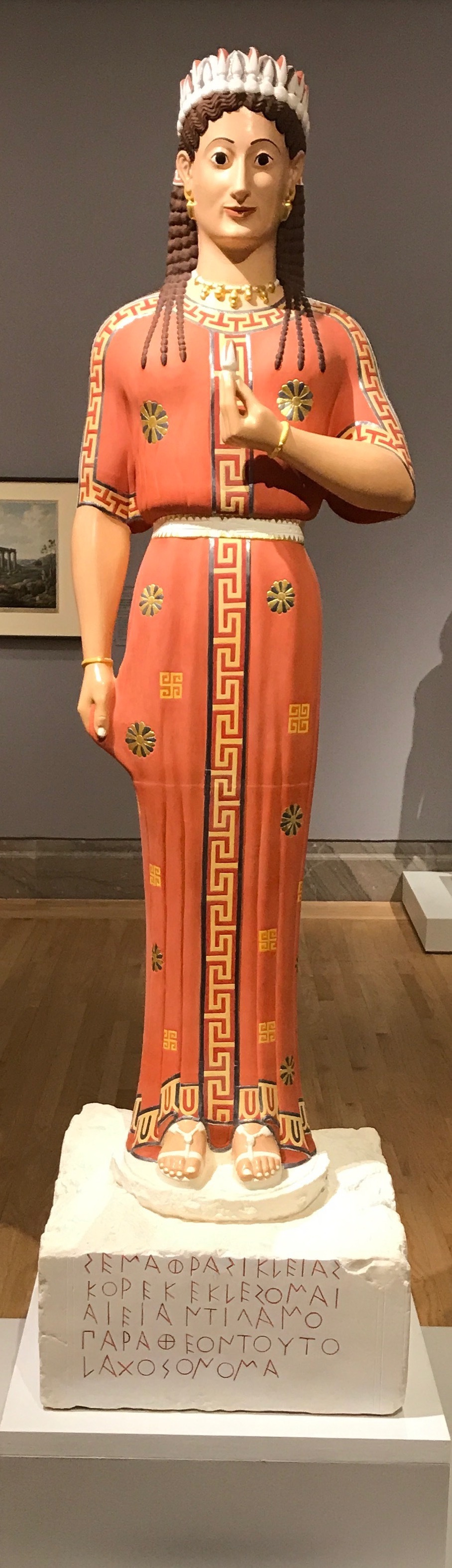
Οι επιγραφές —κείμενα, δηλαδή, γραμμένα επάνω σε σκληρές επιφάνειες (πέτρα, μέταλλο, κεραμικά και άλλα υλικά)— αποτελούν αναμφισβήτητα μία ιδιαίτερα σημαντική μορφή του αρχαίου γραπτού πολιτισμού. Δεν έχουμε μπροστά μας μόνο «λέξεις», αλλά υλικά μνημεία που στήνονται, εκτίθενται και διαβάζονται σε συγκεκριμένους χώρους: στην αγορά, στα ιερά, στα δημόσια κτήρια, κατά μήκος των οδών ή στις νεκροπόλεις. Με άλλα λόγια, η επιγραφή είναι ταυτόχρονα κείμενο και αντικείμενο· και ακριβώς γι’ αυτό λειτουργεί ως τεκμήριο μνήμης, τιμής, εξουσίας, ευσέβειας, πένθους, προσδοκιών — αλλά και ως ίχνος κοινωνικών σχέσεων μέσα στο δημόσιο (ή ημι-δημόσιο) χώρο της πόλης.

Αυτή η «υλικότητα» της γραφής έχει ιδιαίτερη σημασία για την κατανόηση του κόσμου της Καινής Διαθήκης. Οι πρώτες χριστιανικές κοινότητες δε γεννήθηκαν μέσα σε ιστορικό κενό· έζησαν μέσα σε ένα συγκεκριμένο κοινωνικό και πολιτισμικό περιβάλλον, στον ελληνορωμαϊκό κόσμο και, ειδικότερα, στην ανατολική ρωμαϊκή αυτοκρατορία, όπου η ελληνική γλώσσα λειτουργεί σε μεγάλο βαθμό ως κοινός κώδικας δημόσιας επικοινωνίας. Τα κείμενα της Καινής Διαθήκης γράφονται, διαβάζονται και ερμηνεύονται μέσα σε αυτό το πλαίσιο σχέσεων και θεσμών: μέσα σε πόλεις, δίκτυα, καθώς και σε ένα πολυεπίπεδο θρησκευτικό οικοσύστημα. Επομένως, η ερμηνεία των κειμένων δεν μπορεί να αποκοπεί από τον κόσμο που τα περιβάλλει. Αυτός ο κόσμος δεν είναι ένα γενικό και αόριστο σκηνικό, αλλά ένα δυναμικό πεδίο αλληλεπιδράσεων.

Σε αυτό ακριβώς το σημείο η επιγραφική μαρτυρία μπορεί να αποδειχθεί πολύτιμη. Οι επιγραφές καλύπτουν ένα ευρύ φάσμα της ιδιωτικής και δημόσιας ζωής και συχνά διασώζουν λεπτομέρειες που δεν αποτυπώνονται αλλού με τον ίδιο τρόπο: μορφές δημόσιου λόγου, πρακτικές τιμής και μνήμης, θεσμικές σχέσεις, τοπικές ιδιαιτερότητες, καθώς και φωνές κοινωνικών ομάδων που σπανιότερα ακούγονται στις φιλολογικές πηγές. Μπορούν, λοιπόν, να συμβάλουν ουσιαστικά ώστε ο ερμηνευτής της Καινής Διαθήκης και ο ιστορικός των πρώτων χριστιανικών κοινοτήτων να αναπαραστήσουν με μεγαλύτερη ακρίβεια το κοινωνικό περιβάλλον μέσα στο οποίο κινήθηκαν αυτές οι ομάδες και να κατανοήσουν μέσα σε αυτό τον κόσμο των ιδεών τα κείμενα της Καινής Διαθήκης.

Θα πρέπει, ωστόσο, να τονιστεί εξαρχής κάτι αυτονόητο αλλά συχνά παραγνωρισμένο: η επιγραφική δεν είναι «δεξαμενή παραλληλισμών» ούτε εργαλείο για εύκολες επιβεβαιώσεις. Πρόκειται για μία αυτοτελή επιστήμη, με δικά της μεθοδολογικά εργαλεία, η οποία προϋποθέτει κριτική επεξεργασία των δεδομένων. Το γεγονός ότι οι επιγραφές έχουν συχνά αμεσότητα, δεν σημαίνει ότι η χρήση τους είναι απλή· αντιθέτως, η επιγραφή σώζεται αποσπασματικά, φθείρεται, αποκαθίσταται, χρονολογείται, και πάντοτε πρέπει να εντάσσεται στη συνάφεια του μνημείου και του χώρου της.

Εδώ εμφανίζονται συνήθως δύο αντίθετοι κίνδυνοι. Ο πρώτος είναι να υποτιμηθεί η επιγραφική ως «βοηθητική» επιστήμη που απλώς συμπληρώνει άλλες πηγές. Ο δεύτερος είναι να υπερεκτιμηθεί, ζητώντας από τις επιγραφές να απαντήσουν σε ερωτήματα που δεν τις αφορούν ή να λειτουργήσουν ως άμεσες «αποδείξεις» για βιβλικά χωρία. Και στις δύο περιπτώσεις το αποτέλεσμα είναι προβληματικό. Αυτό που χρειάζεται είναι μια ισορροπημένη, μεθοδική προσέγγιση: σαφή ερωτήματα, προσεκτική αξιολόγηση των δεδομένων, καθαρή διάκριση ανάμεσα σε ό,τι πράγματι λέει το μνημείο και στις ερμηνευτικές υποθέσεις που μπορεί να προκύψουν.

Με αυτή τη στόχευση θα κινηθεί και η παρούσα σειρά. Δεν θα επιχειρήσει να συγκεντρώσει «εντυπωσιακές» επιγραφές που μοιάζουν με συγκεκριμένα χωρία, αλλά να δείξει πώς η επιγραφική μαρτυρία μπορεί να συμβάλει στη διαμόρφωση μιας πιο συγκεκριμένης, ιστορικά τεκμηριωμένης εικόνας για τον κόσμο της Καινής Διαθήκης: των θεσμών και των μορφών εξουσίας που διέπουν τη ζωή των πόλεων, των συλλογικών ταυτοτήτων και των κοινωνικών κατηγοριών, των θρησκευτικών οικοσυστημάτων και των πρακτικών τους, της μνήμη και της έκφρασης των συναισθημάτων. Επιπλέον, βοηθούν να κατανοήσουμε το τι σημαίνει να «γράφεται» κάτι δημόσια — και πώς αυτή η δημόσια γραφή λειτουργεί ως μνήμη, ως διάλογος με τον αναγνώστη και ως κοινωνική πράξη.

Το γεωγραφικό και γλωσσικό πλαίσιο της σειράς θα είναι κατά κύριο λόγο οι ελληνόφωνες επιγραφές της ανατολικής ρωμαϊκής αυτοκρατορίας. Η επιλογή αυτή δεν είναι τυχαία: επιτρέπει να εργαστούμε με υλικό που «μιλά» την ίδια γλώσσα με μεγάλο μέρος των κειμένων της Καινής Διαθήκης και να δούμε με μεγαλύτερη καθαρότητα το κοινωνικό πλαίσιο, τη θρησκευτική ατμόσφαιρα, τους πολιτικούς μηχανισμούς και τα οικονομικά δίκτυα του κόσμου μέσα στον οποίο συγκροτούνται οι πρώτες χριστιανικές ομάδες.

Στην επόμενη ανάρτηση (Μάρτιος): Όταν τα γράμματα μέσα σε αγκύλες [ ] γίνονται «γεγονότα». Τι συμβαίνει όταν αποκαθιστούμε μια επιγραφή με βάση το βιβλικό κείμενο—και μετά χρησιμοποιούμε την αποκατάσταση για να «επιβεβαιώσουμε» το ίδιο το βιβλικό κείμενο; Ένα παράδειγμα από την Πάφο της Κύπρου που δείχνει τους κινδύνους της κυκλικής επιχειρηματολογίας—και γιατί αυτό έχει σημασία για την ερμηνεία της Καινής Διαθήκης.

Σημείωση: Η παρούσα ανάρτηση κι όσες θα ακολουθήσουν στη συνέχεια σε αυτήν τη θεματική παρουσιάζει υλικό της υπό εκπόνηση μονογραφίας μου για τις ελληνόφωνες επιγραφές και τον κόσμο της Καινής Διαθήκης.

---------------------------------

[ENG] 

Notes on epigraphic evidence and the world of the New Testament.

Each month, typically the first Monday.


Inscriptions—texts, that is, written on hard surfaces (stone, metal, ceramics, and other materials)—constitute an undeniably significant form of ancient written culture. What we have before us are not merely "words," but material monuments that are erected, displayed, and read in specific spaces: in the agora, in sanctuaries, in public buildings, along roads, or in necropoleis. In other words, an inscription is simultaneously text and object; and precisely for this reason it functions as evidence of memory, honor, power, piety, grief, expectations—but also as a trace of social relationships within the public (or semi-public) space of the city.

This "materiality" of writing is particularly significant for understanding the world of the New Testament. The first Christian communities were not born in a historical vacuum; they lived within a specific social and cultural environment, in the Greco-Roman world and, more specifically, in the eastern Roman Empire, where the Greek language functioned largely as a common code of public communication. The texts of the New Testament were written, read, and interpreted within this framework of relationships and institutions: within cities, networks, and a multilayered religious ecosystem. Therefore, the interpretation of these texts cannot be severed from the world that surrounds them. This world is not a generic and vague backdrop, but a dynamic field of interactions.

It is precisely at this point that epigraphic evidence can prove invaluable. Inscriptions cover a wide spectrum of private and public life and often preserve details that are not captured elsewhere in the same way: forms of public discourse, practices of honor and memory, institutional relationships, local particularities, as well as voices of social groups that are heard less frequently in literary sources. They can, therefore, contribute substantially so that the interpreter of the New Testament and the historian of the early Christian communities can reconstruct with greater accuracy the social environment within which these groups moved and understand within this world of ideas the texts of the New Testament.

It should be emphasized from the outset, however, something self-evident but often overlooked: epigraphy is not a "reservoir of parallels" nor a tool for easy confirmations. It is an autonomous discipline, with its own methodological tools, which requires critical processing of data. The fact that inscriptions often have immediacy does not mean that their use is simple; on the contrary, an inscription survives fragmentarily, deteriorates, is restored, is dated, and must always be situated within the context of the monument and its space.

Here two opposing dangers usually emerge. The first is to underestimate epigraphy as an "auxiliary" discipline that merely supplements other sources. The second is to overestimate it, asking inscriptions to answer questions that do not concern them or to function as direct "proofs" for biblical passages. In both cases the result is problematic. What is needed is a balanced, methodical approach: clear questions, careful evaluation of data, clear distinction between what the monument actually says and the interpretive hypotheses that may emerge.

It is with this aim that the present series will proceed. It will not attempt to gather "impressive" inscriptions that resemble specific passages, but to show how epigraphic evidence can contribute to forming a more concrete, historically grounded picture of the world of the New Testament: of the institutions and forms of power that govern the life of cities, of collective identities and social categories, of religious ecosystems and their practices, of memory and the expression of emotions. Moreover, they help us understand what it means for something to be "written" publicly—and how this public writing functions as memory, as dialogue with the reader, and as social action.

The geographical and linguistic framework of the series will be primarily the Greek-language inscriptions of the eastern Roman Empire. This choice is not accidental: it allows us to work with material that "speaks" the same language as much of the texts of the New Testament and to see with greater clarity the social framework, the religious atmosphere, the political mechanisms, and the economic networks of the world within which the first Christian groups are formed.

Next post (March): When the letters inside square brackets [ ] become "facts." What happens when we restore an inscription based on the biblical text—and then use the restoration to "confirm" that same biblical text? An example from Paphos, Cyprus that shows the dangers of circular reasoning—and why this matters for the interpretation of the New Testament.

Note: This post and those that follow in this series present material from my monograph-in-progress on Greek-language inscriptions and the world of the New Testament.

Δευτέρα 9 Φεβρουαρίου 2026

Zeitschrift für Neues Testament 55 (2025)

Το νέο τεύχος του γερμανικού περιοδικού ZNT φιλοξενεί μελέτες που προτείνουν την κριτική θεώρηση των «μεγάλων αφηγήσεων» για τις απαρχές του Χριστιανισμού. Οι συντελεστές του τεύχους υπενθυμίζουν ότι η γνώση μας για το πρώιμο Χριστιανισμό δεν είναι ούτε ουδέτερη ούτε πλήρης· βασίζεται σε υποθετικά μοντέλα που αποπειρώνται να ερμηνεύσουν αποσπασματικές πηγές. Το τεύχος ενθαρρύνει μια παραγωγική και κριτική στάση απέναντι στον υποθετικό χαρακτήρα της ιστορίας, προειδοποιώντας ότι όταν αυτή η ευρύτητα περιοριστεί, η ιστορία "παγώνει" και μεταμορφώνεται σε μία δήθεν αδιάσειστη αλήθεια - κάτι που οδηγεί σε αναχρονισμούς, αποκλεισμούς και ιδεολογικοποιήσεις.

--------------------

[ENG] 

The new issue of the German journal ZNT features studies that advocate for a critical examination of the "grand narratives" concerning the origins of Christianity. The editors of the issue remind us that our knowledge of early Christianity is neither neutral nor complete; it is based on hypothetical models that attempt to interpret fragmentary sources. The issue encourages a productive and critical stance toward the hypothetical character of history, warning that when this openness is constrained, history "freezes" and transforms into a supposedly unshakeable truth—something that leads to anachronisms, exclusions, and ideological appropriations.

---------------------

 Zeitschrift für Neues Testament 55 (2025)

Ursprungsparadigmen 

Editorial

  • Wolfgang Grünstäudl, "Innovation in exegesegeschichtlicher Sicht. Ein Werkstattbericht"

Zum Thema

  • Sandra Huebenthal, "Einleitung weiter denken. Das Neue Testament als Familienalbum"
  • Jan Heilmann, "Das Paradigma des Urtextes in der neutestamentlichen Forschung"
  • Robyn Faith Walsh, "Jenseits der Gemeinde. Eine Neubewertung der Entstehungskontexte der Evangelien"

Kontroverse

  • Michael Sommer, "Geschichte in Geschichten. Einführung in die Kontroverse"
  • Udo Schnelle, "Einleitung als kritisch-konstruktive Basiswissenschaft"
  • Markus Vinzent, "Konstruktivität der neutestamentlichen Einleitungswissenschaft"

Hermeneutik

  • Michael Sommer, "Geschichte und die Schulbücher"

Κυριακή 20 Αυγούστου 2023

Το τρέχον τεύχος του NTS / The current issue of NTS

 New Testament Studies 69/3 (2023)

  • John M.G. Barclay, "Rich Poverty: 2 Corinthians 8.1–15 and the Social Meaning of Poverty and Wealth," 243-257 (open access)
  • Christina Hoegen-Rohls, "Rezeptionskritik und Rezeptionsgeschichte des Neuen Testaments: Eine methodologische Skizze," 258-270 (open access)
  • Régis Burnet, "What is Reception Study? A Proposal for Terminological Definitions Based on Christina Hoegen-Rohls’ Article," 271-276
  • Régis Burnet, "Why ‘Reception History’ Is Not Just Another Exegetical Method: The Case Of Mark's Ending," 277-290 (abstract)
  • Christina Hoegen-Rohls, "Überlegungen zur Rezeptionsgeschichte des Neuen Testaments im Gespräch mit Régis Burnet," 291-298 (open access)
  • Anders Runesson, "What Does It Mean to Read New Testament Texts ‘within Judaism’?" 299-312 (open access)
  • Michael P. Theophilos, "Numismatic Insights into Pauline Ethics: ΕΥΕΡΓ- on Roman Provincial, Parthian and Seleucid Coinage," 313-331 (open access)
  • Laurențiu Florentin Moț, "Is λιβανωτός a censer/brazier in Revelation 8.3, 5? How in the lexicon is this possible?" 332-344 (abstract)
  • David Cielontko, "The Second Teacher's Story in the Infancy Gospel of Thomas: A Contribution to the Recent Discussion on the Developmental Interpretation," 345-354 (open access)
  • Luisa Lesage Gárriga, "‘Why don't you sing, Thomas?’ The manuscript tradition omitting the Hymn of the Bride in Acta Thomae," 355-363 (abstract)

Δευτέρα 11 Ιανουαρίου 2021

Στο τρέχον τεύχος του MTSR / In the current issue of MTSR

 Method and Theory in the Study of Religion 32/4-5 (2020)

  • Stephen L. Young, "'Let’s Take the Text Seriously':  The Protectionist Doxa of Mainstream New Testament Studies," 328-363 (abstract)
  • M Adryael Tong, "Protecting Difference: Protectionist Strategies and the Parting of the Ways,"  364–372 (abstract
  • Guillaume Dye, "A Response to Stephen L. Young, 'Let’s Take the Text Seriously': the Protectionist Doxa in Mainstream New Testament Studies," 380–385 (abstract)

Στο τρέχον τεύχος του JECH / In the current issue of JECH

 Journal of Early Christian History 10/1 (2020)

  • Gerhard van den Heever, "New Testament and Early Christian Studies: Theses on Theory and Method," 1-3 
  • John-Christian Eurell, "The Delay of the Parousia and the Changed Function of Eschatological Language," 61-80 (abstract)

Παρασκευή 6 Δεκεμβρίου 2019

Αρχαιολογία και Βίβλος / Achaeology and the Bible

Με αφορμή το βιβλίο της Inhabiting the Promised Land: Exploring the Complex Relationship between Archaeology and Ancient Israel as Depicted in the Bible (Oxbow Books, 2019), η αρχαιολόγος Margreet Steiner διατυπώνει κάποιες σκέψεις σχετικά με τη σχέση αρχαιολογίας και Βίβλου και θέτει το σοβαρό μεθοδολογικό ερώτημα κατά πόσο οι αρχαιολογικές ανακαλύψεις θα πρέπει να διαβάζονται με τέτοιον τρόπο ώστε να κατανοούνται ως αποδείξεις της βιβλικής ιστορίας:

Παρασκευή 8 Νοεμβρίου 2019

Διαβάζοντας την ΠΔ υπό το πρίσμα της ιστορίας / Reading OT through the lenses of history

Ο Emanuel Pfoh (University of Buenos Aires) συζητά τα μεθοδολογικά εργαλεία που βοηθούν να διαβάσουμε την Παλαιά Διαθήκη υπό το πρίσμα της ιστορίας καθώς και τη λεπτή γραμμή μεταξύ μεταξύ ιστορίας και μύθου:

Πέμπτη 8 Αυγούστου 2019

Παπυρολογία: μια μεταποικιακή οπτική / Papyrology: a postcolonial view

Ο λέκτορας της Παπυρολογίας στο Πανεπιστήμιο του Κάιρο Usama Gad δημοσιεύει κάποιες σκέψεις για το μέλλον της παπυρολογίας, το αποικιακό ευρωκεντρικό παρελθόν της και τις προκλήσεις που έχει να αντιμετωπίσει στον 21ο αιώνα. Μολονότι μία παρόμοια συζήτηση έχει αρχίσει και στο χώρο των βιβλικών σπουδών, είναι ανάγκη, νομίζω, να ενταθεί.

Πέμπτη 4 Απριλίου 2019

Αυτοκρατορία και Καινή Διαθήκη / Empire and the New Testament

Στο ιστολόγιο The Logos Lab ο Tavis Bohlinger δημοσιεύει ένα σύντομο κείμενο για τον τρόπο με τον οποίο η ρωμαϊκή αυτοκρατορία λειτουργεί ως το υπόβαθρο των κειμένων της Καινής Διαθήκης:

Σάββατο 30 Μαρτίου 2019

Το τρέχον τεύχος του HeBAI / The current issue of HeBAI

Hebrew Bible and Ancient Israel 7:3 (2018)
Jeremiah, Ezekiel, and the Social Scientific Study of Involuntary Migration

  • C. L. Crouch - C. A. Strine, "Editorial Introduction," 285-288
  • C. A. Strine, "Is »Exile« Enough? Jeremiah, Ezekiel, and the Need for a Taxonomy of Involuntary Migration," 289-315 (abstract)
  • Mark Leuchter, "A Resident Alien in Transit: Exile, Adaptation and Geomythology in the Jeremiah Narratives," 316-333 (abstract)
  • David J. Reimer, "There – But Not Back Again: Forced Migration and the End of Jeremiah," 350-375 (abstract)
  • Dalit Rom-Shiloni, "Forced/Involuntary Migration, Diaspora Studies, and More:  Notes on Methodologies," 376-398 (abstract)
  • C. L. Crouch - C. A. Strine, "Final Thoughts: Reflections on Methodology," 399-402

Κυριακή 6 Ιανουαρίου 2019

Το τρέχον τεύχος του The Bible Translator / The current issue of The Bible Translator

The Bible Translator 69:3 (2018)

Special Issue: The Good News Bible at Fifty
  • Stephen Pattemore, "From the Editor: The Good News Bible at Fifty'," 333–334
  • Philip C. Stine, "From Good News for Modern Man to Good News Bible: Origins and Early Issues," 335–346 (abstract)
  • David G. Burke, "The 1992 Revision of the Good News Bible: The Context for Revision," 347–365 (abstract)
  • Philip H. Towner, "The Good News Bible at 50(ish): Translation, Localization, and Alterity," 366–382 (abstract)
Technical Paper
  • Hans Förster, "The Good News Bible: Is It Good News for the Jews? Methodological Observations on Translational Choices in GNB," 383–401 (abstract)
Notes
  • David J. Clark, "The Good News Blind Alley," 402–404
  • Paul Ellingworth, "GNB: A Personal Tribute," 405–406

Σάββατο 2 Σεπτεμβρίου 2017

Εμπειρικά μοντέλα και διαχρονική μέθοδος / Empirical models and diachronic method

Στην ιστοσελίδα The Bible and Interpretation ο Joshua Berman (Bar-Ilan University) συζητά τη συμβολή των εμπειρικών μοντέλων στη διαχρονική μελέτη της εξέλιξη των κειμένων της Παλαιάς Διαθήκης και της αρχαίας Εγγύς Ανατολής γενικότερα:


Τρίτη 4 Ιουλίου 2017

Γνωσιακή επιστήμη και Καινή Διαθήκη / Cognitive science and the New Testament

Στη σελίδα The Bible and Interpretation δημοσιεύεται ένα σύντομο αλλά κατατοπιστικό άρθρο του István Czachesz σχετικά με την εφαρμογή της γνωσιακής επιστήμης στη μελέτη της Καινής Διαθήκης και του αρχέγονου Χριστιανισμού:


Δευτέρα 1 Μαΐου 2017

Αξιοποιώντας τη βιβλιογραφία στην έρευνα της ΚΔ / Using secondary literature in NT research

Ένα εξαιρετικά βοηθητικό άρθρο του Andrew Byers στο ιστολόγιο The Academic Logos Blog προσφέρει χρήσιμες πληροφορίες για τα βοηθήματα που ο ερευνητής μπορεί να αξιοποιήσει στην έρευνά του για κείμενα της ΚΔ:

Κυριακή 1 Ιανουαρίου 2017

Ένα νέο περιοδικό: Research Perspectives in Biblical Interpretation / A new journal: Research Perspectives in Biblical Interpretation

Ένα νέο περιοδικό κυκλοφορεί από τον εκδοτικό οίκο Brill και φέρει τον τίτλο Research Perspectives in Biblical Interpretation. Σε κάθε τεύχς του φιλοξενεί ένα εκτενές άρθρο από έναν ειδικό που εξηγεί πώς νέες μεθοδολογίες και προσεγγίσεις μπορούν να συμβάλουν στην ερμηνεία του βιβλικού κειμένου. Ήδη έχουν κυκλοφορήσει τα τέσσερα τεύχη του 2016

Research Perspectives in Biblical Interpretation 1:1 (2016)
  • Maia Kotrosits, "How Things Feel: Biblical Studies, Affect Theory, and the (Im)Personal," 1-53 (abstract)

Research Perspectives in Biblical Interpretation 1:2 (2016)
  • George Aichele, "The Play of Signifiers: Poststructuralism and Study of the Bible," 1-91 (abstract

Research Perspectives in Biblical Interpretation 1:3 (2016)
  • Shawn Kelley, "Genocide, the Bible, and Biblical Scholarship," 1-71 (abstract)

Research Perspectives in Biblical Interpretation 1:4 (2016)
  • Stephen C. Russell, "Space, Land, Territory, and the Study of the Bible," 1-64 (abstract)

Πέμπτη 17 Νοεμβρίου 2016

Το τρέχον τεύχος του BibInt / The current issue of BibInt

Biblical Interpretation 24:4-5 (2016)
Emotions in Ancient Jewish Literature: Definitions and Approaches

  • Françoise Mirguet and Dominika Kurek-Chomycz, "Introduction," 435-441
  • Françoise Mirguet, "What is an “Emotion” in the Hebrew Bible?," 442-465 (abstract)
  • Angela Kim Harkins, "The Pro-Social Role of Grief in Ezra’s Penitential Prayer," 466-491 (abstract)
  • Ari Mermelstein, "Emotional Regimes, Ritual Practice, and the Shaping of Sectarian Identity," 492-513 (abstract)
  • Petra von Gemünden, "Emotions and Literary Genres in the Testaments of the Twelve Patriarchs and the New Testament: A Contribution to Form History and Historical Psychology," 514-535 (abstract)
  • Anke Inselmann, "Emotions and Passions in the New Testament: Methodological Issues," 536-554 (abstract)

Τετάρτη 3 Αυγούστου 2016

Κώδικας ηθικής στην παπυρολογία / Ethics code in papyrology

Διαβάστε το κείμενο της εισήγησης της Roberta Mazza, την οποία θα διαβάσει στο 28ο Διεθνές Παπυρολογικό Συνέδριο στις 8.8.2016. Το θέμα της είναι ο ηθικός κώδικας που πρέπει να διέπει όσους ασχολούνται με την έρευνα των παπύρων. Πολλά από όσα γράφει θα μπορούσαν εύκολα να εφαρμοστούν και σε άλλους τομείς της έρευνας των αρχαίων πηγών:

Roberta Mazza, "Papyrology and Ethics"