Εμφάνιση αναρτήσεων με ετικέτα ελληνορωμαϊκός κόσμος. Εμφάνιση όλων των αναρτήσεων

Πέμπτη 26 Φεβρουαρίου 2026

«Άκου τη Σίβυλλα»: Ιουδαϊκοί και χριστιανικοί χρησμοί σε ελληνικό εξάμετρο / “Listen to the Sibyl”: Jewish and Christian Oracles in Greek Hexameter

 Για σχεδόν χίλια χρόνια (2ος αι. π.Χ.–7ος αι. μ.Χ.) Ιουδαίοι και Χριστιανοί συγγραφείς έγραφαν ελληνικούς χρησμούς σε εξάμετρο και τους απέδιδαν σε μια αρχαία προφήτισσα: τη Σίβυλλα. Η εικόνα είναι από μόνη της αποκαλυπτική: η θεολογία, η ερμηνεία της Γραφής και ο σχολιασμός της ιστορίας περνούν μέσα από τη φωνή μιας γυναίκας που το αρχαίο ακροατήριο αναγνώριζε ως φορέα αυθεντίας.

Ο συλλογικός τόμος, που προέκυψε από τη Nangeroni Meeting του Enoch Seminar (2022) και θα κυκλοφορήσει από τις εκδόσεις Brill τον Μάρτιο του 2026 είναι αφιερωμένος σε αυτήν την ιουδαϊκή και χριστιανική συλλογή των σιβυλλικών χρησμών (“Listen to the Sibyl”: The History, Poetics, and Reception of Sibylline Oracles)

Γιατί, όμως, να προτιμάται μια γυναικεία φωνή για αυτά τα προφητικά κείμενα που έχαιραν εκτίμησης στην αρχαιότητα; Η Σίβυλλα δεν ήταν απλώς λογοτεχνικό τέχνασμα. Ήταν μια μορφή βαθιά ριζωμένη στη συλλογική μνήμη του ελληνορωμαϊκού κόσμου: αρχαία, αδιαμφισβήτητη, διαπολιτισμική. Σε κόσμους όπου η θρησκευτική αυθεντία ήταν κατά κανόνα ανδροκρατούμενη, είναι εντυπωσιακό ότι μια αρχαία γυναικεία προφητική φωνή τίθεται στο κέντρο της αποκάλυψης.

Παρά τη θρησκευτική και ιστορική τους σημασία αυτοί οι χρησμοί δε μελετήθηκαν αρκετά. Ο τόμος έρχεται να καλύψει αυτό το κενό κι οι 20 μελέτες που φιλοξενεί πραγματεύονται θέματα όπως την ιστορικότητα της Σίβυλλας, την ένταξη των σιβυλλικών χρησμών στα πολιτισμικά συμφραζόμενα, την ποιητική και αισθητική αξία αυτών των κειμένων και την πρόσληψή τους σε άλλα πολιτισμικά πλαίσια και μεταγενέστερες εποχές. 

Για την καινοδιαθηκική έρευνα οι σιβυλλικοί χρησμοί αποτελούν μαρτυρίες για τους τρόπους με τους οποίους τεκμηριώνονται οι πολιτισμικές διαδρομές μεταξύ διαφορετικών θρησκευτικών ομάδων (Ιουδαίων - Χριστιανών), ερμηνεύεται η Γραφή και κατανοείται θεολογικά η ιστορία. Η Σίβυλλα, μια γυναικεία προφητική μορφή, ενώνει δύο διαφορετικές πραγματικότητες, Ιουδαίους και χριστιανούς και καταδεικνύει πώς αυτές μπορούν να συναντώνται σε κοινό πολιτισμικό έδαφος χωρίς να χάνουν, όμως, την ιδιοπροσωπία τους. 

"Publication Preview | “Listen to the Sibyl”: The History, Poetics, and Reception of Sibylline Oracles"

Lester, Olivia Stewart, Max Leventhal, Hindy Najman, Joshua Scott, Elizabeth Stell (επιμ.), "Listen to the Sibyl": The History, Poetics, and Reception of Sibylline Oracles, Leiden: Brill, 2026.

------------------------------------------------

[ENG


For almost a thousand years (2nd century BCE–7th century CE), Jewish and Christian writers composed Greek oracles in hexameter verse and attributed them to an ancient prophetess: the Sibyl. The image is striking in itself: theology, scriptural interpretation, and historical commentary are all conveyed through the voice of a woman whom ancient audiences recognized as a bearer of authority.

The collected volume, which emerged from the Nangeroni Meeting of the Enoch Seminar (2022) and will be published by Brill in March 2026, is devoted to this Jewish and Christian collection of sibylline oracles ("Listen to the Sibyl": The History, Poetics, and Reception of Sibylline Oracles).

But why would a female voice be preferred for prophetic texts that enjoyed such esteem in antiquity? The Sibyl was not merely a literary device. She was a figure deeply embedded in the collective memory of the Greco-Roman world: ancient, uncontested, transcultural. In worlds where religious authority was typically male-dominated, it is remarkable that an ancient female prophetic voice is placed at the very center of revelation.

Despite their religious and historical significance, these oracles have not received the scholarly attention they deserve. This volume comes to fill that gap, and the twenty studies it contains address topics such as the historicity of the Sibyl, the place of the sibylline oracles within their cultural contexts, the poetic and aesthetic value of these texts, and their reception across different cultural settings and later periods.

For New Testament research, the Sibylline Oracles offer evidence of the ways in which cultural exchanges between different religious communities (Jewish and Christian) are documented, scripture is interpreted, and history is understood theologically. The Sibyl, a female prophetic figure, bridges two distinct realities — Jewish and Christian — and demonstrates how these can meet on common cultural ground without, however, losing their distinctive identities.

"Publication Preview | “Listen to the Sibyl”: The History, Poetics, and Reception of Sibylline Oracles"

Lester, Olivia Stewart, Max Leventhal, Hindy Najman, Joshua Scott, Elizabeth Stell (επιμ.), "Listen to the Sibyl": The History, Poetics, and Reception of Sibylline Oracles, Leiden: Brill, 2026.

Παρασκευή 20 Φεβρουαρίου 2026

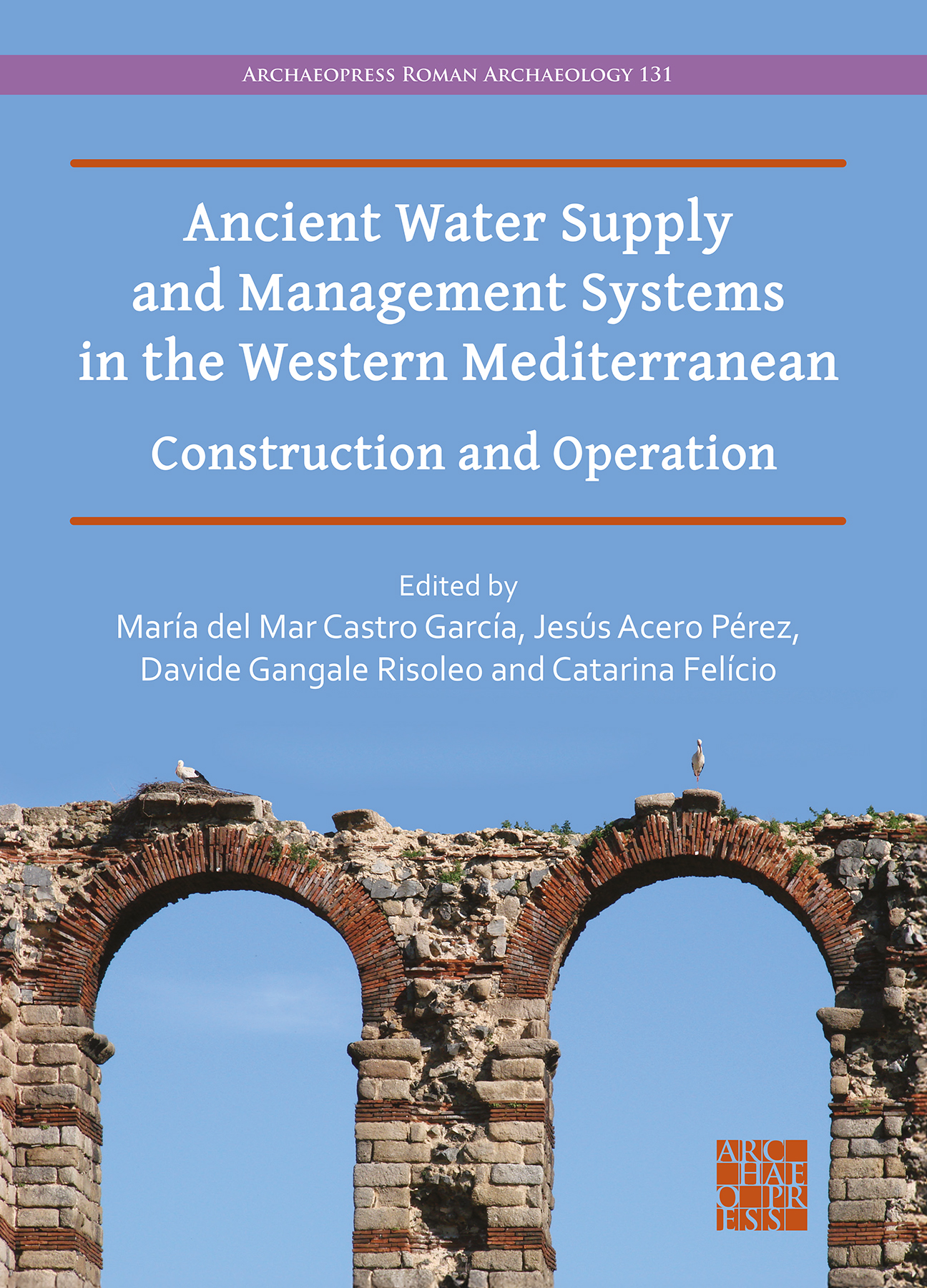
OA: Ancient Water Supply and Management Systems in the Western Mediterranean

(via AWOL)

Από τις εκδόσεις Archaeopress κυκλοφόρησε ένας συλλογικός τόμος που φιλοξενεί μελέτες σχετικές με τη διαχείριση των υδάτων από την εποχή του Σιδήρου έως την Ύστερη Αρχαιότητα στη δυτική Μεσόγειο (με έμφαση κυρίως στην Ιταλία, Γαλλία, Ισπανία και Πορτογαλία). Στον τόμο εξετάζονται κυρίως η κατασκευή και η λειτουργία υποδομών συγκέντρωσης και παροχής των υδάτων: υδραγωγεία, φρέατα, δεξαμενές/κινστέρνες, φράγματα, δίκτυα διανομής, αλλά και υποδομές απορροής και αποχέτευσης.

Οι μελέτες δεν περιορίζονται στην παρουσίαση μόνο των τεχνολογικών χαρακτηριστικών αυτών των υποδομών, αλλά εξετάζουν τη σημασία των τοπικών περιβαλλοντικών και πολιτισμικών παραγόντων και την προσαρμογή της τεχνολογίας στα επιμέρους τοπία και ανάγκες. Παράλληλα επισημαίνουν πώς το νερό καθίσταται το σημείο συνάντησης της τεχνικής γνώσης, της διοίκησης και των κοινωνικών πρακτικών, αλλά και πώς μετασχηματίζεται σε συμβολικό και ιερό αγαθό.

Ο τόμος παρουσιάζει ιδιαίτερο ενδιαφέρον για τους αναγνώστες αυτού του ιστολογίου, διότι προσφέρει στέρεο υλικό για την κατανόηση του νερού όχι μόνο ως συμβόλου, αλλά κι ως καθημερινής πραγματικότητας γύρω από την οποία οργανώνονται η πόλη, η εργασία, η υγιεινή κι η πρόσβαση σε πόρους.

Ιδιαίτερα ενδιαφέρουσες για τη θεματική του ιστολόγιου είναι εκείνες του Ugo Fusco ("Water and the City of Veii: A Link between Mythology, Religion, Archaeology, and History"), που συνδέει την υλική διάσταση του νερού με τον ιερό και συμβολικό χαρακτήρα του στην περίπτωση της πόλης Veii, της Gemma Jansen ("Rainwater Collection and Storage in the Pompeian House: Slaves at Work"), η οποία περιγράφει τον ρόλο των δούλων στη διαχείριση του νερού στην περίπτωση της Πομπηίας — με αξιοσημείωτη την αναφορά της Jansen στην απεικόνιση της Σαμαρείτιδος στο φρέαρ στις χριστιανικές κατακόμβες του 4ου αι. — και, τέλος, του Jesús Acero Pérez ("'Domesticating Water': Some Conclusions on Water Infrastructure in the Ancient World"), η οποία επισημαίνει τη διπλή πάντοτε σημασία του νερού ως χρηστικού και ιερού στοιχείου.

Η τελευταία μελέτη παρουσιάζει ιδιαίτερη οικοθεολογική σημασία: το νερό «εξημερώνεται» τεχνικά και ταυτόχρονα διατηρεί το θρησκευτικό του φορτίο. Αυτό το παράδοξο — ο έλεγχος της φύσης και η ταυτόχρονη αναγνώριση της ιερότητάς της — είναι ακριβώς στο επίκεντρο μιας βιβλικής οικοθεολογίας που δεν αρκείται στη χρήση αλλά αναζητά τη σχέση με τη δημιουργία.

María del Mar Castro García, Jesús Acero Pérez, Davide Gangale Risoleo, Catarina Felício (επιμ.), Ancient Water Supply and Management Systems in the Western Mediterranean: Construction and Operation (Archaeopress Roman Archaeology 131), 2025

-------------------------------------------------

[ENG]

A new edited volume has been published by Archaeopress, bringing together studies on water management in the western Mediterranean from the Iron Age to Late Antiquity (with a focus primarily on Italy, France, Spain, and Portugal). The volume examines the construction and operation of water-collection and supply infrastructure—aqueducts, wells, cisterns, dams, and distribution networks—as well as drainage and sewerage systems.

The contributions go beyond a purely technical account of these infrastructures, exploring the importance of local environmental and cultural factors and the ways in which technology is adapted to particular landscapes and needs. They also show how water becomes a meeting point of technical expertise, administration, and social practice—while at the same time taking on symbolic, even sacred, significance.

The volume is of particular interest to readers of this blog, as it offers solid material for understanding water not only as a symbol but also as an everyday reality around which urban life, labour, hygiene, and access to resources are organised.

Especially relevant to the themes of this blog are the studies by Ugo Fusco (“Water and the City of Veii: A Link between Mythology, Religion, Archaeology, and History”), which links the material dimension of water with its sacred and symbolic character in the case of Veii; by Gemma Jansen (“Rainwater Collection and Storage in the Pompeian House: Slaves at Work”), which examines the role of enslaved labour in water management at Pompeii (notably, Jansen refers to depictions of the Samaritan woman at the well in the Christian catacombs of Rome, 4th century AD); and finally by Jesús Acero Pérez (“‘Domesticating Water’: Some Conclusions on Water Infrastructure in the Ancient World”), which highlights the enduring dual significance of water as both a practical and a sacred element.

This final study has particular eco-theological resonance: water is technically “domesticated” while simultaneously retaining its religious charge. This paradox—the control of nature alongside the recognition of its sacredness—lies at the heart of a biblical eco-theology that is not content with mere use, but seeks a relationship with creation.

María del Mar Castro García, Jesús Acero Pérez, Davide Gangale Risoleo, Catarina Felício (eds.), Ancient Water Supply and Management Systems in the Western Mediterranean: Construction and Operation (Archaeopress Roman Archaeology 131), 2025

Τρίτη 10 Φεβρουαρίου 2026

Eugesta 15 (2025)

Kυκλοφόρησε το τεύχος 15 (2025) του ηλεκτρονικού περιοδικού για τις σπουδές φύλου στην αρχαιότητα Eugesta, με επτά πολύ ενδιαφέροντα άρθρα που εκτείνονται από τον Πλάτωνα έως τη γυναικεία αναγνωστική πράξη κατά το 16ο αιώνα. Η θεματική ποικιλία του τεύχους αντανακλά την πλούσια παράδοση των σπουδών φύλου στις κλασικές σπουδές: από τη βιολογία και την πολιτική στον Πλάτωνα, το ρωμαϊκό χορό και τη γυναικεία τρίτη ηλικία, την αφιέρωση μνημείων ύδρευσης από γυναίκες ευεργέτιδες στο ανατολικό τμήμα της ρωμαϊκής αυτοκρατορίας, έως τις θεοποιήσεις της Ινούς στον Οβίδιο και την "παρακωμωδία" (κωμικές παραστάσεις παρεμβαλλόμενες σε τραγικά θεάματα) με αποκλειστική γυναικεία παρουσία. Όλα τα άρθρα είναι ελεύθερα διαθέσιμα. 

-------------------

[ENG] 

Issue 15 (2025) of Eugesta, the electronic journal for gender studies in antiquity, has been published, featuring seven very interesting articles ranging from Plato to female reading practices in the 16th century. The thematic variety of the issue reflects the rich tradition of gender studies in classical scholarship: from biology and politics in Plato, Roman dance and female old age, the dedication of waterworks monuments by female benefactors in the eastern part of the Roman Empire, to the deifications of Ino in Ovid and "paracomedy" (comic performances interpolated into tragic spectacles) with an exclusively female presence. All articles are open access.

Eugesta 15 (2025)

Τετάρτη 28 Ιανουαρίου 2026

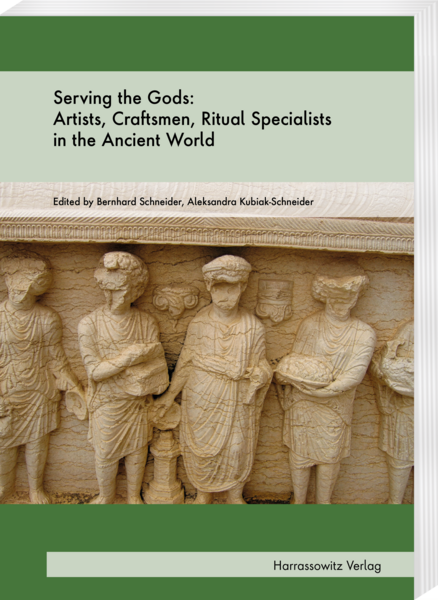
Serving the Gods: ένας νέος Open Access τόμος για τους ανθρώπους των ιερών στην αρχαιότητα / Serving the Gods: A New Open-Access Volume on the People Who Served Ancient Sanctuaries

Kυκλοφόρησε πρόσφατα (2025) σε open access από τον οίκο Harrassowitz ένας συλλογικός τόμος Serving the Gods: Artists, Craftsmen, Ritual Specialists in the Ancient World, σε επιμέλεια Bernhard Schneider και Aleksandra Kubiak-Schneider. Οι μελέτες που φιλοξενούνται σε αυτόν τον τόμο προσφέρουν μια διεπιστημονική και διαπολιτισμική ματιά στο ερώτημα: ποιος, πέρα από τους ιερείς, υπηρετούσε τους θεούς στην αρχαιότητα;

Πρόκειται για τα πρακτικά του 23ου Melammu Workshop (Βρότσλαβ, Σεπτέμβριος 2024), με 16 μελέτες που καλύπτουν μία ευρεία γεωγραφικά, χρονικά και πολιτισμικά περιοχή: από τη Μεσοποταμία μέχρι τη ρωμαϊκή Παλαιστίνη και από την αρχαϊκή εποχή μέχρι την όψιμη αρχαιότητα.

Η βασική ιδέα είναι απλή αλλά πολύ γόνιμη: όταν μιλάμε για ναούς και λατρεία, συνήθως το ενδιαφέρον στρέφεται στο ιερατείο. Ο τόμος, όμως, μεταθέτει την προσοχή σε όσους/όσες στήριζαν πρακτικά τη λατρευτική ζωή και τη λειτουργία των ιερών: τεχνίτες, καλλιτέχνες, εργάτες, ειδικούς των τελετουργιών, μουσικούς, διαχειριστές, και γενικότερα το προσωπικό που έκανε δυνατή την καθημερινότητα του ιερού.

Ο τόμος είναι οργανωμένος σε δύο μέρη: 

  • Ιστορία/Φιλολογία (μελέτες που δουλεύουν κυρίως με κείμενα και ιστορικές μαρτυρίες)
  • Αρχαιολογία/Εθνογραφία (με έμφαση στην υλικότητα, τις πρακτικές και τα κατάλοιπα)

Ενδεικτικά αναφέρω εδώ κάποια θέματα του τόμου που έχουν ενδιαφέρον για τους αναγνώστες αυτού του ιστολογίου:

  • Το μη-ιερατικό προσωπικό του Ναού Ιερουσαλήμ στην περσική περίοδο (πυλωροί, Νετινείμ, υιοί δούλων του Σολομώντα, ψάλτες) με βάση τα βιβλία Έσδρα και Νεεμία
  • Παιδιά-ιερείς στη ρωμαϊκή Ιταλία – από τις Εστιάδες Παρθένες μέχρι τους Salii και την αυτοκρατορική οικογένεια
  • Κτίστες, γλύπτες και διακοσμητές στους παρθικούς και ρωμαϊκούς ναούς της Ανατολής
  • Εβραίοι στρατιώτες στο ρωμαϊκό στρατό και η θρησκευτική τους δράση (Dura-Europos, Παλμύρα, Σάρδεις)
  • Τεχνίτες και προμηθευτές στους αιγυπτιακούς ναούς της ρωμαϊκής εποχής
  • Εθνογραφικές προσεγγίσεις: από τους κεραμείς της αρχαίας Εγγύς Ανατολής μέχρι τους σύγχρονους κατασκευαστές θυμιατηρίων στην Κύπρο

Οι μελέτες του τόμου αναδεικνύουν πώς οι ναοί ήταν πολύπλοκοι κοινωνικοί, οικονομικοί και θρησκευτικοί θεσμοί που αξιοποιούσαν τεχνίτες, κτίστες, μουσικούς, διαχειριστές, βοσκούς, και πολλούς άλλους – και σίγουρα όχι μόνο ιερείς. Ο τόμος υπενθυμίζει ότι η λατρεία δεν είναι μόνο θεολογικό ή τελετουργικό γεγονός, αλλά και κοινωνική πράξη που προϋποθέτει ρόλους, εργασία και οργάνωση—και γι' αυτό έχει αξία ως υλικό συγκριτικής ανάγνωσης.

Bernhard Schneider / Aleksandra Kubiak-Schneider, Serving the Gods: Artists, Craftsmen, Ritual Specialists in the Ancient World, Harrassowitz Verlag 2025

doi: 10.13173/9783447125116

------------------------------------------------------------------

A new open access volume has recently been published (2025) by Harrassowitz: Serving the Gods: Artists, Craftsmen, Ritual Specialists in the Ancient World, edited by Bernhard Schneider and Aleksandra Kubiak-Schneider. The studies in this volume offer an interdisciplinary and cross-cultural perspective on the question: who, besides priests, served the gods in antiquity?

The volume contains the proceedings of the 23rd Melammu Workshop (Wrocław, September 2024), with 16 studies covering a broad geographical, chronological, and cultural area: from Mesopotamia to Roman Palestine and from the archaic period to late antiquity.

The core idea is simple but highly productive: when we talk about temples and worship, attention typically focuses on the priesthood. This volume, however, shifts attention to those who provided practical support for religious life and the functioning of sanctuaries: craftsmen, artists, laborers, ritual specialists, musicians, administrators, and more generally the personnel who made the daily operations of the sanctuary possible.

The volume is organized in two parts:

  • History/Philology (studies working primarily with texts and historical evidence)
  • Archaeology/Ethnography (emphasizing materiality, practices, and material remains)

Some topics in the volume of particular interest to readers of this blog include:

  • Non-priestly personnel of the Jerusalem Temple in the Persian period (gatekeepers, Netinim, sons of Solomon's servants, singers) based on the books of Ezra and Nehemiah
  • Child priests in Roman Italy – from the Vestal Virgins to the Salii and the imperial family
  • Builders, sculptors and decorators in Partho-Roman Eastern temples
  • Jewish soldiers in the Roman army and their religious activities (Dura-Europos, Palmyra, Sardis)
  • Craftsmen and suppliers in Egyptian temples during the Roman era
  • Ethnoarchaeological approaches: from potters in the ancient Near East to modern incense-burner makers in Cyprus

The studies in this volume demonstrate how temples functioned as complex social, economic, and religious institutions that employed craftsmen, builders, musicians, administrators, shepherds, and many others – and certainly not just priests. The volume reminds us that worship is not only a theological or ritual event, but also a social practice that presupposes roles, labor, and organization—and for this reason it has value as material for comparative analysis.

Bernhard Schneider / Aleksandra Kubiak-Schneider, Serving the Gods: Artists, Craftsmen, Ritual Specialists in the Ancient World, Harrassowitz Verlag 2025

doi: 10.13173/9783447125116

Σάββατο 17 Ιανουαρίου 2026

Πέρα από τους “μεγάλους άνδρες”: ανδροκεντρισμός και βιογραφικό αφήγημα στην αρχαιότητα / Beyond the "Great Men": Androcentrism and Biographical Narrative in Antiquity

Στη σειρά Millennium-Studien του εκδοτικού οίκου De Gruyter κυκλοφόρησε πρόσφατα ένας συλλογικός τόμος που αξίζει της προσοχής όσων ενδιαφέρονται για τη βιογραφική αφήγηση στην αρχαία ελληνορωμαϊκή και πρωτοχριστιανική λογοτεχνία: 

Anna Ginestí Rosell & Felix John (επιμ.), Große Männer? Biographisches Erzählen in der griechischen und römischen, der frühjüdischen und der frühchristlichen Literatur (Millennium-Studien 117; Berlin/Boston: De Gruyter, 2026). DOI: 10.1515/9783112212295

Το βιβλίο είναι ελεύθερα διαθέσιμο σε Open Access.

Ο τόμος συγκεντρώνει μελέτες κλασικών φιλολόγων, ιστορικών και βιβλικών ερευνητών κι έχει ως στόχο να φέρει σε διάλογο τις παράλληλες αλλά συχνά απομονωμένες μεταξύ τους συζητήσεις για τη βιογραφία στον ελληνορωμαϊκό, τον αρχαίο ιουδαϊκό και τον πρωτοχριστιανικό κόσμο. Όπως επισημαίνουν οι επιμελητές στον πρόλογο, η ανδρική κυριαρχία αποτελεί σταθερό χαρακτηριστικό της αρχαίας βιογραφίας ανεξάρτητα από το λογοτεχνικό είδος ή την πολιτισμική προέλευση. Κατά συνέπεια, το ερωτηματικό στον τίτλο του τόμου («Μεγάλοι Άνδρες;») δεν είναι τυχαίο: ένας από τους στόχους του είναι να εξετάσει πού και πώς αυτή η κυριαρχία διαταράσσεται ή αμφισβητείται.

Η θεωρητική προσέγγιση του τόμου αντανακλά σύγχρονες εξελίξεις στις λογοτεχνικές σπουδές. Ιδιαίτερα σημαντική είναι η υπέρβαση της παλαιάς διάκρισης μεταξύ «μυθοπλασίας» και «ιστοριογραφίας» που επέτρεψε αφενός την αναβάθμιση της βιογραφίας ως φιλολογικό είδος (σε αντίθεση με την παλαιότερη υποτίμησή της), και αφετέρου την εφαρμογή αφηγηματολογικών εργαλείων που εξετάζουν τόσο το «πώς» όσο και το «τι» της αφήγησης, καθώς και τα πολιτισμικά πλαίσια που τη διαμορφώνουν.

Για όσους ασχολούνται με τις βιβλικές σπουδές ιδιαίτερο ενδιαφέρον παρουσιάζουν οι εξής μελέτες: 

Η μελέτη της Helen Bond για το κατά Μάρκον ως μία βιογραφία που ανατρέπει τις πολιτισμικές συμβάσεις/αξίες της εποχής του ("Mark’s Gospel: A Counter Cultural Bios"). Στη συνέχεια, στη μελέτη του Nils Neumann συγκρίνεται ο τρόπος που παρουσιάζεται ο Ιησούς στη συνοπτική παράδοση με τους βίους των κυνικών φιλοσόφων από τον Διογένη Λαέρτιο, εστιάζοντας στα κοινά εκείνα χαρακτηριστικά που συνθέτουν τον «ασεβή» χαρακτήρα αυτών των βιογραφιών ("Überzeugend respektlose Biographien: Jesus in der synoptischen Überlieferung und die Kyniker bei Diogenes Laertios"). Ο Felix John στη μελέτη του, εξετάζει τον τρόπο που περιγράφονται και αξιοποιούνται στην κεντρική αφήγηση των Πράξεων («Biographiewürdig? Nebenfiguren in der Apostelgeschichte»). Τέλος, η Silke Petersen  ανιχνεύει την εξέλιξη της βιογραφίας της Μαρίας, της μητέρας του Ιησού, από τα ευαγγέλια έως τις μεταγενέστερες παραδόσεις ("Vom Wachsen einer Biographie: Maria von Nazareth").

Ιδιαίτερο ενδιαφέρον παρουσιάζει επίσης η μελέτη της Anna Ginestí Rosell με τίτλο «Doch nicht nur Männer? 'Große Frauen' zwischen Herodot und Plutarch», που εξετάζει τις γυναικείες μορφές στην ελληνική ιστοριογραφία και βιογραφία. 

-----------------------------------------------------------

In the De Gruyter Millennium-Studien series, a new edited volume has recently been published that deserves the attention of those interested in biographical narrative in ancient Greco-Roman and early Christian literature:

Anna Ginestí Rosell & Felix John (eds.), Große Männer? Biographisches Erzählen in der griechischen und römischen, der frühjüdischen und der frühchristlichen Literatur (Millennium-Studien 117; Berlin/Boston: De Gruyter, 2026). DOI: 10.1515/9783112212295

The book is freely available in Open Access.

The volume brings together studies by classicists, historians, and biblical scholars, aiming to foster dialogue among the parallel but often isolated discussions of biography in the Greco-Roman, ancient Jewish, and early Christian worlds. As the editors note in their preface, male dominance is a constant feature of ancient biography regardless of literary genre or cultural origin. Consequently, the question mark in the volume's title ("Great Men?") is not accidental: one of its goals is to examine where and how this dominance is disrupted or contested.

The volume's theoretical approach reflects contemporary developments in literary studies. Particularly significant is the transcendence of the old distinction between "fiction" and "historiography," which has enabled both the elevation of biography as a literary genre (in contrast to its earlier devaluation) and the application of narratological tools that examine both the "how" and the "what" of narrative, as well as the cultural frameworks that shape it.

For those engaged in biblical studies, the following contributions are of particular interest:

Helen Bond's study of Mark's Gospel as a biography that subverts the cultural conventions/values of its time ("Mark's Gospel: A Counter Cultural Bios"). Next, Nils Neumann's study compares the way Jesus is presented in the Synoptic tradition with the lives of Cynic philosophers by Diogenes Laertius, focusing on the common characteristics that compose the "irreverent" character of these biographies ("Überzeugend respektlose Biographien: Jesus in der synoptischen Überlieferung und die Kyniker bei Diogenes Laertios"). Felix John's study examines how minor characters are described and utilized in the central narrative of Acts ("Biographiewürdig? Nebenfiguren in der Apostelgeschichte"). Finally, Silke Petersen traces the development of the biography of Mary, the mother of Jesus, from the Gospels to later traditions ("Vom Wachsen einer Biographie: Maria von Nazareth").

Also of particular interest is Anna Ginestí Rosell's study titled "Doch nicht nur Männer? 'Große Frauen' zwischen Herodot und Plutarch," which examines female figures in Greek historiography and biography.


Πέμπτη 15 Ιανουαρίου 2026

Το τρέχον τεύχος του RRE / The current issue of RRE

 Religion in the Roman Empire 11:3 (2025)

Activating Rituals (I): Materiality, Performativity, and Communication with the Superhuman

  • Chiara Di Serio - Silvia Fogliazza - Sofia Bianchi Mancini, "Activating Rituals (I) : Materiality, Performativity, and Communication with the Superhuman," 277-290 (OA)
  • Veronika Kolomaznik, "‘Revealing the Phallus’ : The Imagery of Dionysiac Mysteries on the Campana Reliefs," 291-317 (OA)
  • Chiara Di Serio, "Ritual Practices Performed by the Prophetess Manto in the Greco-Roman Sources," 318-342 (OA)
  • Luisa Mollweide, "Materiality and Communication: Rituals on Stage in Roman Comedies," 343-366 (OA)
  • Charlotte Spence, "Communication with the Superhuman through Curse Tablets," 367-385 (OA)
  • Gabriela De Tord Basterra, "Communicating with the Gods: Structures and Order of the Dedications in Local Languages from Italy," 386-403 (OA)

Παρασκευή 26 Αυγούστου 2022

Στο τρέχον τεύχος του Ancient Society / In the current issue of Ancient Society

 Ancient Society 51 (2021)

  • Julien Dechevez, "Construire la figure religieuse des souverains lagides: À propos d'une dédicace à Hestia Pantheos et aux Theoi Euergetai pour Ptolémée IV et Arsinoé III,"  51 - 79 (abstract)
  • Nico Dogaer, "Beer for the Gods and Coin for the Priests: Temple Involvement in the Beer Industry in Hellenistic Egypt," 81 - 100 (abstract)
  • Michael J. Taylor, "Centurions in Early Rome," 101 - 121 (abstract)
  • Sam Heijnen, "Statues in Dialogue:  Visual Similarities in 'Grown' Roman Imperial Statue Groups from the Greek East," 123 - 156 (abstract)

Στο τρέχον τεύχος του Greek and Roman Musical Studies / In the current issue of Greek and Roman Musical Studies

 Greek and Roman Musical Studies 10/2 (2022)

Τετάρτη 24 Αυγούστου 2022

Στο τρέχον τεύχος του JAH / In the current issue of JAH

 Journal of Ancient History 10/1 (2022)

  • Seth Richardson, "Old Babylonian Letters and Class Formation: tropes of sympathy and social proximity," 1-34 (abstract)
  • Andreas Morakis, "The Introduction of Coinage in Southern Italy: Sybaris and Metapontium," 35-67 
  • Sylvie Honigman, Gilles Gorre, "Dynastic Genealogies and Funerary Monuments: Nectanebo, Alexander, and Judas Maccabee and the Evidence of Ptolemaic Influence on the Hasmoneans," 68-98 (abstract)
  • Philippus de Bree, "Roman Economic History from Coins and Papyri: Monetary Value, Trust and Crisis," 99-134 (abstract)
  • Andrei Gandila, "Fighting against nature: Romans and Barbarians on the Icy Danube," 135-164 (abstract)

Τρίτη 23 Αυγούστου 2022

Στο τρέχον τεύχος του Klio / In the current issue of Klio

 Klio 104/1 (2022)

Σάββατο 20 Αυγούστου 2022

Στο τρέχον τεύχος του Greece & Rome / In the current issue of Greece & Rome

Greece & Rome 69/1 (2022)

Curses in Context IV: Curse Tablets in the Wider Realms of Execrations, Commerce, Law, and Technology 

Κυριακή 14 Αυγούστου 2022

Ένα νεκροταφείο μονομάχων; / A gladiators' graveyard?

Τούρκοι αρχαιολόγοι που εργάζονται στις ανασκαφές της αρχαίας Αναζάρβου (Κιλικία της Μ. Ασίας) ανακοίνωσαν την ανακάλυψη ενός νεκροταφείου μονομάχων. Τα σχετικά δημοσιεύματα στον τύπο δε δίνουν αρκετές πληροφορίες και συνδυάζουν το νέο εύρημα με την παλαιότερη εκτίμηση ότι στο αμφιθέατρο της πόλης, που ήρθε στο φως, φιλοξενούνταν μονομαχικοί αγώνες (βλ. σχετικό δημοσίευμα της Hurriyet Daily).  Αν η εκτίμηση των αρχαιολόγων ισχύει, τότε πρόκειται για ένα εξαιρετικά εντυπωσιακό και μοναδικό εύρημα, καθώς δεν έχουν εντοπιστεί πολλοί τέτοιοι τόποι ταφής μονομάχων στον αρχαίο κόσμο.  Για τις επιγραφικές μαρτυρίες από ταφικά μνημεία μονομάχων στο ανατολικό τμήμα της ρωμαϊκής αυτοκρατορίας βλ. την κλασική μελέτη του Louis Robert, Les gladiateurs dans l' orient grec (1940). 

Gladiator tombs discovered in ancient city in southern Turkiye

Παρασκευή 12 Αυγούστου 2022

Το τρέχον τεύχος του ZNW / The current issue of ZNW

 Zeitschrift für die neutestamentliche Wissenschaft 113/2 (2022)

  • John Granger Cook, "1Cor 15,40–41: Paul and the Heavenly Bodies," 150-179 (abstract)
  • Christian Blumenthal, "Die Mehrdeutigkeit der Gottgleichheitsaussage in Phil 2,6 und ihr argumentationsstrategisches Potential," 180-201 (abstract)
  • G. K. Beale, "The Background to “Fight the Good Fight” in 1 Timothy 1:18, 6:12, and 2 Timothy 4:7," 202-230 (abstract)
  • Josiah D. Hall, "Translocal Relationships among Associations and Christ Groups, Revisited," 231-260 (abstract)
  • Albertina Oegema, "What Are These Sons Doing? Filial Agency in New Testament and Early Rabbinic Writings," 261-283 (abstract)
  • Ruben A. Bühner, "Zwischen Abgrenzung und Annäherung. Essens- und Tischgemeinschaft von Juden und Nichtjuden anhand der Diasporanovellen Judith sowie Josef und Asenet," 284-302 (abstract)

Τρίτη 9 Αυγούστου 2022

Διαλέξεις του R.S. Bagnall για την οικονομική διαχείριση της Αιγύπτου των ρωμαϊκών χρόνων / R.S. Bagnall's lectures on labour and economic management in Roman Egypt

Μπορείτε να παρακολουθήσετε διαδικτυακά τις διαλέξεις που έδωσε ο ομότιμος καθηγητής Αρχαίας Ιστορίας του Πανεπιστήμιου της Ν. Υόρκης Roger S. Bagnall στο College de France στον Μάιο του 2022: 


Ευρήματα από την καθημερινή ζωή των ανθρώπων της Πομπηίας / Findings of everyday life in Pompeii

Kεραμικά και γυάλινα σκεύη σε έναν από τους βοηθητικούς χώρους 
της οικίας του Lalarium στην Πομπηία (Φωτο: Reuters)

Οι πρόσφατες ανασκαφές στους χώρους της "Οικίας του Lalarium" (εξαιτίας του σχετικού χώρου αφιερωμένου στη λατρεία των lares της οικίας), έφεραν στο φως έναν σημαντικό αριθμό οικιακών σκευών και επίπλων. Τα νέα ευρήματα φωτίζουν πτυχές της καθημερινής ζωής των ανθρώπων της Πομπηίας και παρέχουν πληροφορίες για την οικονομική και κοινωνική τους θέση. 

Διαβάστε το σχετικό δημοσίευμα στην ηλεκτρονική έκδοση του Τhe National: 

"New Pompeii finds highlight middle-class life in doomed city"

Τρίτη 12 Ιουλίου 2022

Στο τρέχον τεύχος του JThS / In the current issue of JThS

 Journal of Theologixal Studies 73/1 (2022)

  • Patricia Vesely, "The Physicality of Virtue in Job 31: The Use of Bodily Terms in Job’s Depiction of Moral Integrity," 1-21 (abstract)
  • Jennie Grillo, "Out of Print: Excising and Preserving the Daniel Tradition in Early Printed Greek Bibles,"  22-42 (abstract)
  • James M Morgan, "Proofs of the Divine: Luke’s Use of τεκμήριον in Acts 1:3 in Light of Herodotus’ Description of the Battle of Mycale (Hist. 9.100.2)," 43-61 (abstract)
  • John R L Moxon, "‘Rise, Kill and Eat!’—A Missing Dionysian Link in the Acts of the Apostles?" 62-91 (abstract)
  • Kyle B Wells, "The Liberation of the Body of Creation: Towards a Pauline Environmental Ethic," 92-103 (abstract)
  • Jan Heilmann, "Ancient Literary Culture and Meals in the Greco-Roman World: The Role of Reading During Ancient Symposia and its Relevance for the New Testament," 104-125 (abstract)
  • David Lincicum, "1 and 2 Clement in the Pandektes of Nikon of the Black Mountain," 126-311 (abstract)
  • Maria E Doerfler, "Translating Eve: Death and Female Identity in a Funerary Hymn Ascribed to Ephrem," 167-194 (abstract)

Σάββατο 9 Ιουλίου 2022

Open Access: Cities, Resources and Religion


Anna-Katharina Rieger und Johanna Stöger (επιμ.), Cities, Resources and Religion – Economic Implications of Religion in Graeco-Roman Urban Environments. Panel 7.7:  Archaeology and Economy in the Ancient World – Proceedings of the 19th International Congress of Classical Archaeology, Cologne/Bonn 2018, (Archaeology and Economy in the Ancient World – Proceedings of the 19th International Congress of Classical Archaeology, Cologne/Bonn 2018, Band 40), Heidelberg: Propylaeum, 2022

doi: https://doi.org/10.11588/propylaeum.904 

Σάββατο 18 Ιουνίου 2022

Στο τρέχον τεύχος του Religion in the Roman Empire / In the current issue of Religion in the Roman Empire

 Religion in the Roman Empire 7/3 (2021)

  • Sarah Parkhouse, "Selling the Mysteries in Roman Egypt," 315-333 (abstract)
  • William Glyn-Jones, "Epiphany, Exaltation and the 'Sky Astonished'," 334-367 (abstract)
  • Otto H. Linderborg, "'The Firstborn of Satan': The Origins of Heresy in Polycarp's Letter to the Philippians," 368-383 (abstract)
  • Tibor Grüll, "'The Book of Fate': A Distinctive Representation of Matronae/Parcae and the Spread of Literacy in the Northern Provinces of the Roman Empire," 403-429 (abstract)
  • Markus Vinzent, "The Argument from Silence in Religio-Historical Research," 430-456 (abstract)