Εμφάνιση αναρτήσεων με ετικέτα Εγγύς Ανατολή. Εμφάνιση όλων των αναρτήσεων

Τετάρτη 11 Φεβρουαρίου 2026

Πέτρα: η αινιγματική πόλη της Αραβικής ερήμου / Petra: The Enigmatic City of the Arabian Desert

Στο ιστολόγιο Bible History Daily (Biblical Archaeology Review) ο Glenn J. Corbett, ειδικός στην αρχαιολογία της προϊσλαμικής Αραβίας, μας ξεναγεί στην αρχαία Πέτρα, την εντυπωσιακή πρωτεύουσα των Ναβαταίων στη σημερινή Ιορδανία.

Οι Ναβαταίοι ξεκίνησαν ως νομαδικός αραβικός λαός κατά την περσική περίοδο (539-332 π.Χ.) και σταδιακά εξελίχθηκαν σε μια από τις πιο ακμάζουσες δυνάμεις της περιοχής, ελέγχοντας το εμπόριο λιβανιού και σμύρνας από τη νότια Αραβία ως τη Μεσόγειο. Ως τον 1ο αιώνα π.Χ. η Πέτρα είχε γίνει μια πλήρως ανεπτυγμένη πρωτεύουσα, αντίπαλη της Ιερουσαλήμ του Ηρώδη.

Αυτό που κάνει τους Ναβαταίους ιδιαίτερα ενδιαφέροντες είναι ο διπλός χαρακτήρας του πολιτισμού τους: αφενός, η ελληνιστική αρχιτεκτονική — λαξευτές προσόψεις, θέατρο, κολοσσαία ναοδομία, τοιχογραφίες πομπηιανού τύπου — αφετέρου, η αυθεντικά τοπική παράδοση, με υπαίθρια ιερά σε υψώματα, λιτές στήλες (betyls) ως αναπαραστάσεις των θεοτήτων τους και η λατρεία του Δουσάρη και της αλ-Ούζζα. Ιδιαίτερα εντυπωσιακή είναι η υδραυλική μηχανική τους: υδραγωγεία, σωληνώσεις και φράγματα που εκμεταλλεύονταν κάθε φυσική πηγή και χειμερινή βροχή.

Η ακμή της Πέτρας δεν κράτησε πολύ. Το 106 μ.Χ. η Ναβατία προσαρτήθηκε στη Ρωμαϊκή Αυτοκρατορία και, αν και η πόλη συνέχισε να ακμάζει για αρκετές δεκαετίες, η παρακμή του εμπορίου και ο καταστροφικός σεισμός του 363 μ.Χ. σήμαναν τη σταδιακή εγκατάλειψή της.

Για τον μελετητή της Καινής Διαθήκης, οι Ναβαταίοι αποτελούν σημαντικό μέρος του ιστορικού πλαισίου: ο βασιλιάς Αρέτας Δ' (9 π.Χ. – 40 μ.Χ.), στον οποίο αποδίδεται το περίφημο Khazneh ("Θησαυρός"), αναφέρεται ρητά στην 2 Κορ 11:32. Η Πέτρα δεν είναι “μία” ιστορία αλλά πολλές: ναβαταϊκή, ρωμαϊκή, και μια πορεία μετασχηματισμών στη μακρά διάρκεια της ζωής της. Μας υπενθυμίζει, επίσης, ότι η περιφέρεια της ρωμαϊκής αυτοκρατορίας δεν είναι στατική· αλλάζει πολιτικά καθεστώτα, διοικητική δομή και πρακτικές, πληθυσμούς και τελικά τους όρους μέσα από τους οποίους εκφράζονται οι κοινότητες και οι ταυτότητές τους. 

"Solving the Enigma of Petra and the Nabataeans"

Βιβλιογραφία

--------------------------------------

On the Bible History Daily blog (Biblical Archaeology Review), Glenn J. Corbett, a specialist in the archaeology of pre-Islamic Arabia, takes us on a tour of ancient Petra, the stunning capital of the Nabataeans in modern-day Jordan.

The Nabataeans began as a nomadic Arabian people during the Persian period (539–332 BCE) and gradually evolved into one of the most thriving powers in the region, controlling the trade in frankincense and myrrh from South Arabia to the Mediterranean. By the first century BCE, Petra had become a fully developed capital, rivalling Herod's Jerusalem.

What makes the Nabataeans particularly fascinating is the dual character of their civilization: on the one hand, Hellenistic architecture — rock-cut façades, a theatre, colossal temple construction, Pompeian-style frescoes — and on the other, an authentically local tradition, with open-air sanctuaries on high places, plain standing stones (betyls) as representations of their deities, and the worship of Dushara and al-Uzza. Equally impressive is their hydraulic engineering: aqueducts, piping systems, and dams that harnessed every natural spring and winter rainfall.

Petra's heyday did not last long. In 106 CE, Nabataea was annexed by the Roman Empire, and although the city continued to flourish for several decades, the decline of trade and the devastating earthquake of 363 CE marked its gradual abandonment.

For the student of the New Testament, the Nabataeans constitute an important part of the historical backdrop: King Aretas IV (9 BCE – 40 CE), to whom the famous Khazneh ("Treasury") is attributed, is explicitly mentioned in 2 Cor 11:32. Petra is not "one" story but many: Nabataean, Roman, and a trajectory of transformations across its long lifespan. It also reminds us that the periphery of the Roman Empire is not static; it undergoes changes in political regimes, administrative structures and practices, populations, and ultimately in the very terms through which communities and their identities find expression.

"Solving the Enigma of Petra and the Nabataeans"

Further reading 


Τετάρτη 28 Ιανουαρίου 2026

Serving the Gods: ένας νέος Open Access τόμος για τους ανθρώπους των ιερών στην αρχαιότητα / Serving the Gods: A New Open-Access Volume on the People Who Served Ancient Sanctuaries

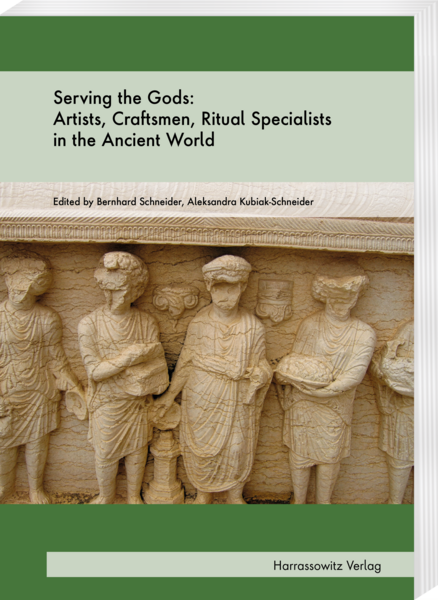
Kυκλοφόρησε πρόσφατα (2025) σε open access από τον οίκο Harrassowitz ένας συλλογικός τόμος Serving the Gods: Artists, Craftsmen, Ritual Specialists in the Ancient World, σε επιμέλεια Bernhard Schneider και Aleksandra Kubiak-Schneider. Οι μελέτες που φιλοξενούνται σε αυτόν τον τόμο προσφέρουν μια διεπιστημονική και διαπολιτισμική ματιά στο ερώτημα: ποιος, πέρα από τους ιερείς, υπηρετούσε τους θεούς στην αρχαιότητα;

Πρόκειται για τα πρακτικά του 23ου Melammu Workshop (Βρότσλαβ, Σεπτέμβριος 2024), με 16 μελέτες που καλύπτουν μία ευρεία γεωγραφικά, χρονικά και πολιτισμικά περιοχή: από τη Μεσοποταμία μέχρι τη ρωμαϊκή Παλαιστίνη και από την αρχαϊκή εποχή μέχρι την όψιμη αρχαιότητα.

Η βασική ιδέα είναι απλή αλλά πολύ γόνιμη: όταν μιλάμε για ναούς και λατρεία, συνήθως το ενδιαφέρον στρέφεται στο ιερατείο. Ο τόμος, όμως, μεταθέτει την προσοχή σε όσους/όσες στήριζαν πρακτικά τη λατρευτική ζωή και τη λειτουργία των ιερών: τεχνίτες, καλλιτέχνες, εργάτες, ειδικούς των τελετουργιών, μουσικούς, διαχειριστές, και γενικότερα το προσωπικό που έκανε δυνατή την καθημερινότητα του ιερού.

Ο τόμος είναι οργανωμένος σε δύο μέρη: 

  • Ιστορία/Φιλολογία (μελέτες που δουλεύουν κυρίως με κείμενα και ιστορικές μαρτυρίες)
  • Αρχαιολογία/Εθνογραφία (με έμφαση στην υλικότητα, τις πρακτικές και τα κατάλοιπα)

Ενδεικτικά αναφέρω εδώ κάποια θέματα του τόμου που έχουν ενδιαφέρον για τους αναγνώστες αυτού του ιστολογίου:

  • Το μη-ιερατικό προσωπικό του Ναού Ιερουσαλήμ στην περσική περίοδο (πυλωροί, Νετινείμ, υιοί δούλων του Σολομώντα, ψάλτες) με βάση τα βιβλία Έσδρα και Νεεμία
  • Παιδιά-ιερείς στη ρωμαϊκή Ιταλία – από τις Εστιάδες Παρθένες μέχρι τους Salii και την αυτοκρατορική οικογένεια
  • Κτίστες, γλύπτες και διακοσμητές στους παρθικούς και ρωμαϊκούς ναούς της Ανατολής
  • Εβραίοι στρατιώτες στο ρωμαϊκό στρατό και η θρησκευτική τους δράση (Dura-Europos, Παλμύρα, Σάρδεις)
  • Τεχνίτες και προμηθευτές στους αιγυπτιακούς ναούς της ρωμαϊκής εποχής
  • Εθνογραφικές προσεγγίσεις: από τους κεραμείς της αρχαίας Εγγύς Ανατολής μέχρι τους σύγχρονους κατασκευαστές θυμιατηρίων στην Κύπρο

Οι μελέτες του τόμου αναδεικνύουν πώς οι ναοί ήταν πολύπλοκοι κοινωνικοί, οικονομικοί και θρησκευτικοί θεσμοί που αξιοποιούσαν τεχνίτες, κτίστες, μουσικούς, διαχειριστές, βοσκούς, και πολλούς άλλους – και σίγουρα όχι μόνο ιερείς. Ο τόμος υπενθυμίζει ότι η λατρεία δεν είναι μόνο θεολογικό ή τελετουργικό γεγονός, αλλά και κοινωνική πράξη που προϋποθέτει ρόλους, εργασία και οργάνωση—και γι' αυτό έχει αξία ως υλικό συγκριτικής ανάγνωσης.

Bernhard Schneider / Aleksandra Kubiak-Schneider, Serving the Gods: Artists, Craftsmen, Ritual Specialists in the Ancient World, Harrassowitz Verlag 2025

doi: 10.13173/9783447125116

------------------------------------------------------------------

A new open access volume has recently been published (2025) by Harrassowitz: Serving the Gods: Artists, Craftsmen, Ritual Specialists in the Ancient World, edited by Bernhard Schneider and Aleksandra Kubiak-Schneider. The studies in this volume offer an interdisciplinary and cross-cultural perspective on the question: who, besides priests, served the gods in antiquity?

The volume contains the proceedings of the 23rd Melammu Workshop (Wrocław, September 2024), with 16 studies covering a broad geographical, chronological, and cultural area: from Mesopotamia to Roman Palestine and from the archaic period to late antiquity.

The core idea is simple but highly productive: when we talk about temples and worship, attention typically focuses on the priesthood. This volume, however, shifts attention to those who provided practical support for religious life and the functioning of sanctuaries: craftsmen, artists, laborers, ritual specialists, musicians, administrators, and more generally the personnel who made the daily operations of the sanctuary possible.

The volume is organized in two parts:

  • History/Philology (studies working primarily with texts and historical evidence)
  • Archaeology/Ethnography (emphasizing materiality, practices, and material remains)

Some topics in the volume of particular interest to readers of this blog include:

  • Non-priestly personnel of the Jerusalem Temple in the Persian period (gatekeepers, Netinim, sons of Solomon's servants, singers) based on the books of Ezra and Nehemiah
  • Child priests in Roman Italy – from the Vestal Virgins to the Salii and the imperial family
  • Builders, sculptors and decorators in Partho-Roman Eastern temples
  • Jewish soldiers in the Roman army and their religious activities (Dura-Europos, Palmyra, Sardis)
  • Craftsmen and suppliers in Egyptian temples during the Roman era
  • Ethnoarchaeological approaches: from potters in the ancient Near East to modern incense-burner makers in Cyprus

The studies in this volume demonstrate how temples functioned as complex social, economic, and religious institutions that employed craftsmen, builders, musicians, administrators, shepherds, and many others – and certainly not just priests. The volume reminds us that worship is not only a theological or ritual event, but also a social practice that presupposes roles, labor, and organization—and for this reason it has value as material for comparative analysis.

Bernhard Schneider / Aleksandra Kubiak-Schneider, Serving the Gods: Artists, Craftsmen, Ritual Specialists in the Ancient World, Harrassowitz Verlag 2025

doi: 10.13173/9783447125116

Παρασκευή 23 Ιανουαρίου 2026

Αρχεία γνώσης στην Ασσυρία: η “μεγαλύτερη βιβλιοθήκη” και οι ερμηνευτικές της συνέπειες / Archives of Knowledge in Assyria: The 'Greatest Library' and Its Interpretive Implications

 Στο τρέχον τεύχος του National Geographic History (Ιανουάριος/Φεβρουάριος 2026), η Michela Piccin παρουσιάζει την ιστορία της ανακάλυψης της βιβλιοθήκης του Ασσουρμπανιπάλ στη Νινευή από τον Austen Henry Layard το 1850. Ο Ασσουρμπανιπάλ, γνωστός για την πολεμική του σκληρότητα, αναδεικνύεται ιστορικά επίσης ως βασιλιάς-«βιβλιοθηκάριος». Η βασιλική βιβλιοθήκη, που περιελάμβανε πάνω από 30.000 πήλινες πλάκες, φωτίζει όχι μόνο τη μεσοποταμιακή γραμματεία αλλά και τις σύνθετες πολιτισμικές ανταλλαγές μεταξύ Ασσυρίας, Βαβυλώνας και γειτονικών λαών, συμπεριλαμβανομένων των Εβραίων. Στο άρθρο επισημαίνεται η ειρωνεία της τύχης: η πυρκαγιά που κατέστρεψε τη Νινευή το 612 π.Χ. "έψησε" τις πήλινες πλάκες, ενισχύοντας την αντοχή τους χωρίς να καταστρέψει τις επιγραφές. Ιδιαίτερο ενδιαφέρον παρουσιάζει η ασσυριακή λέξη girginakku για τη βιβλιοθήκη, η ανακάλυψη του Έπους του Γιλγαμές με τη διήγηση του κατακλυσμού που συγκλόνισε το βικτωριανό κοινό λόγω της ομοιότητας με τη βιβλική αφήγηση, και το γεγονός ότι παρά την ψηφιοποίηση του συνόλου των πινακίδων, μόνο περίπου 200 από αυτές έχουν αποκατασταθεί πλήρως. Πρόσφατη γερμανο-βρετανική έρευνα αποκαλύπτει ότι οι πλάκες φέρουν κολοφώνες που υποδεικνύουν κάποια μορφή καταλογογράφησης και οργάνωσης της συλλογής, στοιχείο που προσδίδει στη βιβλιοθήκη χαρακτηριστικά αναγνωρίσιμα ως βιβλιοθηκονομικά ακόμα και σήμερα.

Πηγή: Michela Piccin, "The greatest library in the world was built by this ruthless king", National Geographic History (January/February 2026)

--------------------------------------------------------------

In the current issue of National Geographic History (January/February 2026), Michela Piccin presents the story of Austen Henry Layard's 1850 discovery of Ashurbanipal's library at Nineveh. Ashurbanipal, known for his ruthless military prowess, is also historically revealed as a king-"librarian." The royal library, comprising over 30,000 clay tablets, illuminates not only Mesopotamian literature but also the complex cultural exchanges between Assyria, Babylon, and neighboring peoples, including the Hebrews. The article highlights an irony of fate: the fire that destroyed Nineveh in 612 BCE "baked" the clay tablets, strengthening them without destroying the inscriptions. Of particular interest are the Assyrian word girginakku for library, the discovery of the Epic of Gilgamesh with its flood narrative that shocked Victorian audiences due to its similarity to the biblical account, and the fact that despite digitization of all tablets, only about 200 have been fully reconstructed. Recent German-British research reveals that the tablets bear colophons indicating some form of cataloging and organization of the collection, a feature that gives the library characteristics recognizable as bibliographic even today.

Source: Michela Piccin, "The greatest library in the world was built by this ruthless king", National Geographic History (January/February 2026)

Κυριακή 11 Ιανουαρίου 2026

Το τρέχον τεύχος του HeBAI / The current issue of HeBAI

Hebrew Bible and Ancient Israel 14/4 (2025)

Does Wisdom Have a Sense of Humour? Exploring Humour in Proverbs, Job, Ecclesiastes, and Cognate Literatures

  • Alexander T. Kirk, Katherine E. Southwood, "Does Wisdom Have a Sense of Humour? Exploring Humour in Proverbs, Job, Ecclesiastes, and Cognate Literatures,"  423-442 (abstract)
  • Melissa A. Jackson, "What Could be Funny about Job?" 443-465 (abstract)
  • Stuart Weeks, "Wisdom, Qohelet, and the Art of Snark," 466-482 (abstract)
  • Joanna G. Kline, "The Wisdom of Beasts: Humour and Animal Imagery in Proverbs 30," 483-508 (abstract)
  • Maya Volodarski-Richter, "Humour, Irony, and Related Phenomena in Proverbs," 509-536 (abstract)
  • Nikolaos Lazaridis, "Humour in Ancient Egyptian Instructions," 537-563 (abstract)
  • Takayoshi M. Oshima, "'Goatcha': A New Interpretation of the Ancient Sumerian Fable of The She- Goat and the Lion," 564-579 (abstract)

Κυριακή 20 Αυγούστου 2023

Στο τρέχον τεύχος του ZThK / In the current issue of ZThK

 Zeitschrift für Theologie und Kirche 120/2 (2023)

  • Reinhard Gregor Kratz, "Media vita in morte sumus: Kanaanäische Mythologie und die biblischen Vorstellungen vom Tod," 155-191 (abstract)
  • Knut Backhaus, "Transformationen des Heils: Die Jüngerwunder in der Apostelgeschichte als theologisches Problem," 192-215 (abstract)

Τετάρτη 24 Αυγούστου 2022

Στο τρέχον τεύχος του JAH / In the current issue of JAH

 Journal of Ancient History 10/1 (2022)

  • Seth Richardson, "Old Babylonian Letters and Class Formation: tropes of sympathy and social proximity," 1-34 (abstract)
  • Andreas Morakis, "The Introduction of Coinage in Southern Italy: Sybaris and Metapontium," 35-67 
  • Sylvie Honigman, Gilles Gorre, "Dynastic Genealogies and Funerary Monuments: Nectanebo, Alexander, and Judas Maccabee and the Evidence of Ptolemaic Influence on the Hasmoneans," 68-98 (abstract)
  • Philippus de Bree, "Roman Economic History from Coins and Papyri: Monetary Value, Trust and Crisis," 99-134 (abstract)
  • Andrei Gandila, "Fighting against nature: Romans and Barbarians on the Icy Danube," 135-164 (abstract)

Παρασκευή 19 Αυγούστου 2022

Μεικτοί γάμοι των Ιουδαίων στη Βαβυλώνα / Jewish intermarriage in Babylon

 Μπορεί το βιβλίο του Έσδρα να ασκεί κριτική στους μεικτούς γάμους των Ισραηλιτών που έμειναν πίσω στην Παλαιστίνη κατά τη Βαβυλώνια Αιχμαλωσία, στην πραγματικότητα όμως βαβυλωνιακές πηγές μαρτυρούν ότι τέτοιοι μεικτοί γάμοι ήταν συνηθισμένοι μεταξύ των Ιουδαίων εξορίστων στη Βαβυλώνα. Η Laurie Pearce (Berkeley, UC) σχολιάζει το κείμενο του Έσδρα και το αντιπαραβάλλει προς τις βαβυλωνιακές μαρτυρίες:

Jews Intermarried Not Only in Judea but Also in Babylonia

Πέμπτη 18 Αυγούστου 2022

Στο τρέχον τεύχος του JAAR / In the current issue of JAAR

Journal of the Americal Academy of Religion 90/1 (2022)
  • Amy L Balogh, "Mapping the Path to Ecological Reparation: An Ecopsychological Reading of the Epic of Gilgamesh and Its Implications for the Study of Religion,"  86-120 (abstract)
  • Peter Sabo, "Exploring the Human and Animal Relationship in the Hebrew Bible Through the Blood Prohibition," 150-175 (abstract)

Κυριακή 14 Αυγούστου 2022

Το βασίλειο της Aram-Δαμασκού μέσα από τα αρχαιολογικά ευρήματα / The Aram-Damascus kingdom on the basis of archaeological findings

 Στην ιστοσελίδα The Torah.com ο Assaf Kleiman (Πανεπιστήμιο Ben-Gurion, Negev) παρουσιάζει τα αρχαιολογικά ευρήματα και τις ιστορικές μαρτυρίες για την στρατιωτική και πολιτική εξάπλωση του βασιλείου της Αram-Δαμασκού κατά τον 9ο αι. π.Χ.:

King Hazael of Aram-Damascus Subjugates Israel, 9th Century B.C.E.


Παρασκευή 12 Αυγούστου 2022

Η Αίγυπτος και η νεο-ασσυριακή αυτοκρατορία / Egypt and the Neo-Assyrian Empire

 Στο ιστολόγιο ANE Today διαβάστε το άρθρο του Mattias Karlsson (Πανεπιστήμιο της Uppsala) για τις πολιτικές σχέσεις μεταξύ της Ασσυρίας και της Αιγύπτου κατά την περίοδο της νεο-ασσυριακής αυτοκρατορίας:

The Neo-Assyrian Empire and Egypt

Πέμπτη 21 Ιουλίου 2022

Το τρέχον τεύχος του Vetus Testamentum / The current issue of Vetus Testamentum

Vetus Testamentum 72/3 (2022)

Δευτέρα 25 Απριλίου 2022

Το κοινωνικό πλαίσιο της γραφής / The social context of writing

 Στο ιστολόγιο ANE Today o Philip Boyes εξηγεί πώς η γραφή είναι μία σύνθετη κοινωνική διεργασία η οποία για να κατανοηθεί πρέπει να ληφθούν υπόψη διάφοροι πολιτισμικοί και κοινωνικοί παράγοντες, αλλά και τα υλικά που χρησιμοποιούνται στη διαδικασία γραφής καθώς κι οι άνθρωποι που εμπλέκονται σε αυτήν. Ως παράδειγμα ο Boyes παρουσιάζει τις πινακίδες της αρχαίας Ουγαρίτ:

The Social Context of Writing in Ancient Ugarit


Μπορείτε να διαβάσετε το βιβλίο του Philip Boyes, Script and Society: The Social Context of Writing Practices in Late Bronze Age Ugarit εδώ.

Πέμπτη 17 Φεβρουαρίου 2022

H λατρεία των βοδιών στην αρχαία Εγγύς Ανατολή και στον αρχαίο Ισραήλ / The cult of bulls in ancient Near East and Israel

Ορειχάλκινο αγαλματίδιο βοδιού από το ιερό  
Dhahrat et-Tawileh, Σαμάρεια, 12ος αι. 
Πηγή: Wikimedia (Nathaniel Ritmeyer

 Στην ιστοσελίδα TheTorah.com o Rami Arav (University of Nebraska) συζητά τις μαρτυρίες για τη λατρεία των βοδιών στην αρχαία Εγγύς Ανατολή και στον αρχαίο Ισραήλ. Αρχαιολογικές και βιβλικές μαρτυρίες πιστοποιούν την λατρεία αυτών των ζώων στο βόρειο βασίλειο του Ισραήλ, κάτι για το οποίο ασκούν κριτική τα κείμενα της Παλαιάς Διαθήκης:

The Golden Calf: Bull-El Worship

Κυριακή 13 Φεβρουαρίου 2022

Ποιοι ήταν τελικά οι Σουμέριοι; / Who were the Sumerians

 Στο ιστολόγιο ANE Today o Paul Collins (Ashmolean Museum) εξετάζει τα αρχαιολογικά ευρήματα που η έρευνα αποδίδει στους Σουμερίους και θέτει το ερώτημα, εάν τελικά οι Σουμέριοι υπήρξαν ως μία ιδιαίτερη εθνική ομάδα. Καταλήγει ότι μάλλον δεν πρόκειται για μία μόνο εθνική ομάδα, αλλά μάλλον περισσότερες ομάδες με μία κοινή γλώσσα:

Were There Sumerians?

Τετάρτη 2 Φεβρουαρίου 2022

Το τρέχον τεύχος του Vetus Testamentum / The current issue of Vetus Testamentum

 Vetus Testamentum 72/1 (2022)

Τρίτη 1 Φεβρουαρίου 2022

Στο τρέχον τεύχος του Religion in the Roman Empire / In the current issue of Religion in the Roman Empire

 Religion in the Roman Empire 7/2 (2021)

An Urban Archaeology of Ancient Religion

  • Rubina Raja, Jörg Rüpke, "Introduction: Urban Archaeology," 217-220 
  • Christopher H. Hallett, "The Wood Comes to the City: Ancient Trees, Sacred Groves, and the 'Greening' of Early Augustan Rome," 221-274 (abstract)
  • Christopher P. Dickenson, "From 'Civic' to 'Urban' Religion in Roman Britain," 275-296 (abstract)
  • Eivind Heldaas Seland, "Trade, Traders, and Religion in Gateway-Cities of the Roman East," 297-312 (abstract)

Πέμπτη 21 Οκτωβρίου 2021

Open Access: Εγγύς Ανατολή και αντισημιτισμός / Open Access: Near East Studies and Antisemetism


Heike Behlmer, Thomas L. Gertzen, Orell Witthuhn, Der Nachlass Paul de Lagarde: Orientalistische Netzwerke und antisemitische Verflechtungen.  Europäisch-jüdische Studien – Beiträge 46. Berlin: de Gruyter 2020 

ISBN: 9783110615463