(via AWOL)
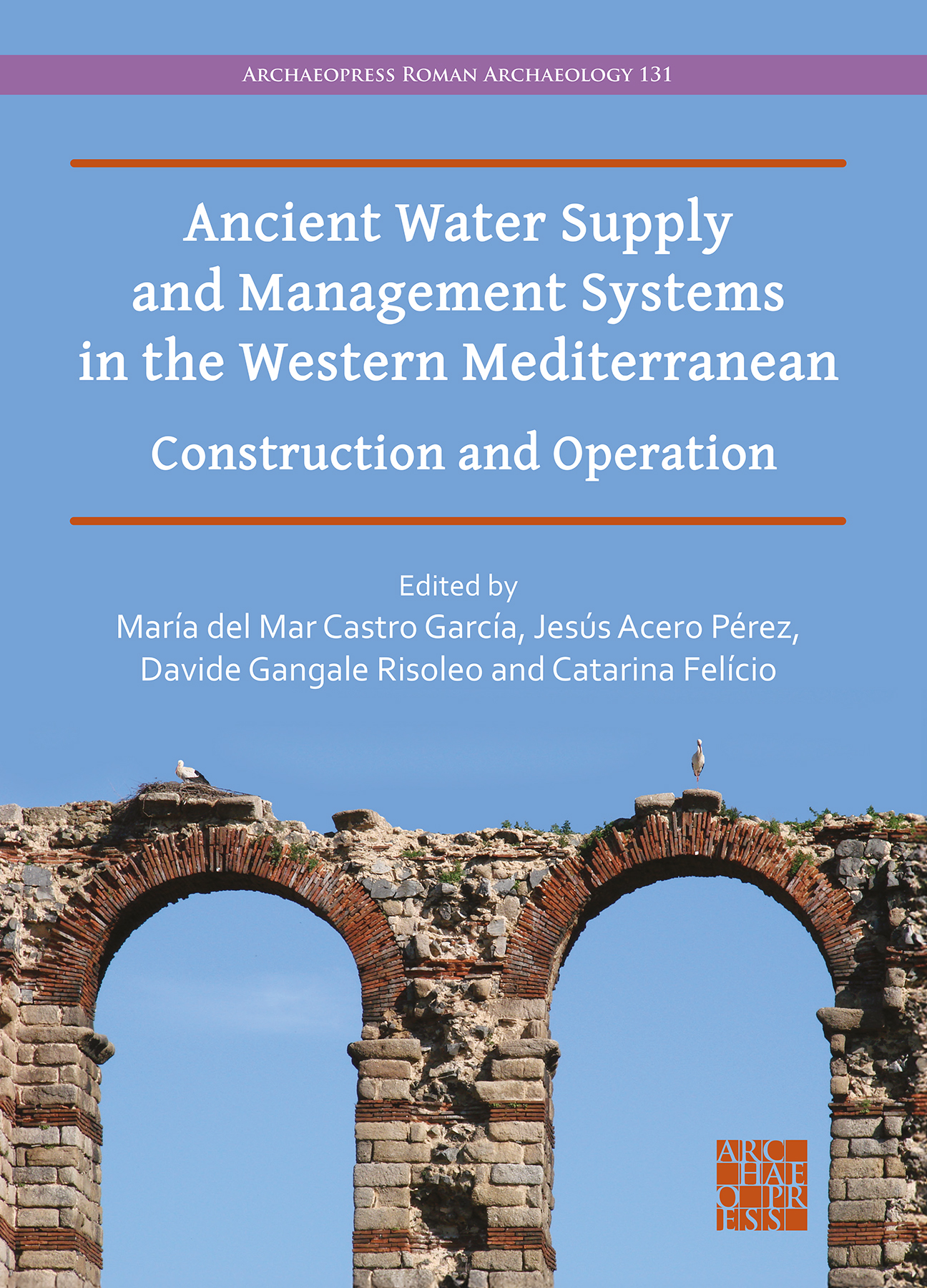
Από τις εκδόσεις Archaeopress κυκλοφόρησε ένας συλλογικός τόμος που φιλοξενεί μελέτες σχετικές με τη διαχείριση των υδάτων από την εποχή του Σιδήρου έως την Ύστερη Αρχαιότητα στη δυτική Μεσόγειο (με έμφαση κυρίως στην Ιταλία, Γαλλία, Ισπανία και Πορτογαλία). Στον τόμο εξετάζονται κυρίως η κατασκευή και η λειτουργία υποδομών συγκέντρωσης και παροχής των υδάτων: υδραγωγεία, φρέατα, δεξαμενές/κινστέρνες, φράγματα, δίκτυα διανομής, αλλά και υποδομές απορροής και αποχέτευσης.
Οι μελέτες δεν περιορίζονται στην παρουσίαση μόνο των τεχνολογικών χαρακτηριστικών αυτών των υποδομών, αλλά εξετάζουν τη σημασία των τοπικών περιβαλλοντικών και πολιτισμικών παραγόντων και την προσαρμογή της τεχνολογίας στα επιμέρους τοπία και ανάγκες. Παράλληλα επισημαίνουν πώς το νερό καθίσταται το σημείο συνάντησης της τεχνικής γνώσης, της διοίκησης και των κοινωνικών πρακτικών, αλλά και πώς μετασχηματίζεται σε συμβολικό και ιερό αγαθό.
Ο τόμος παρουσιάζει ιδιαίτερο ενδιαφέρον για τους αναγνώστες αυτού του ιστολογίου, διότι προσφέρει στέρεο υλικό για την κατανόηση του νερού όχι μόνο ως συμβόλου, αλλά κι ως καθημερινής πραγματικότητας γύρω από την οποία οργανώνονται η πόλη, η εργασία, η υγιεινή κι η πρόσβαση σε πόρους.
Ιδιαίτερα ενδιαφέρουσες για τη θεματική του ιστολόγιου είναι εκείνες του Ugo Fusco ("Water and the City of Veii: A Link between Mythology, Religion, Archaeology, and History"), που συνδέει την υλική διάσταση του νερού με τον ιερό και συμβολικό χαρακτήρα του στην περίπτωση της πόλης Veii, της Gemma Jansen ("Rainwater Collection and Storage in the Pompeian House: Slaves at Work"), η οποία περιγράφει τον ρόλο των δούλων στη διαχείριση του νερού στην περίπτωση της Πομπηίας — με αξιοσημείωτη την αναφορά της Jansen στην απεικόνιση της Σαμαρείτιδος στο φρέαρ στις χριστιανικές κατακόμβες του 4ου αι. — και, τέλος, του Jesús Acero Pérez ("'Domesticating Water': Some Conclusions on Water Infrastructure in the Ancient World"), η οποία επισημαίνει τη διπλή πάντοτε σημασία του νερού ως χρηστικού και ιερού στοιχείου.
Η τελευταία μελέτη παρουσιάζει ιδιαίτερη οικοθεολογική σημασία: το νερό «εξημερώνεται» τεχνικά και ταυτόχρονα διατηρεί το θρησκευτικό του φορτίο. Αυτό το παράδοξο — ο έλεγχος της φύσης και η ταυτόχρονη αναγνώριση της ιερότητάς της — είναι ακριβώς στο επίκεντρο μιας βιβλικής οικοθεολογίας που δεν αρκείται στη χρήση αλλά αναζητά τη σχέση με τη δημιουργία.
María del Mar Castro García, Jesús Acero Pérez, Davide Gangale Risoleo, Catarina Felício (επιμ.), Ancient Water Supply and Management Systems in the Western Mediterranean: Construction and Operation (Archaeopress Roman Archaeology 131), 2025
-------------------------------------------------
[ENG]
A new edited volume has been published by Archaeopress, bringing together studies on water management in the western Mediterranean from the Iron Age to Late Antiquity (with a focus primarily on Italy, France, Spain, and Portugal). The volume examines the construction and operation of water-collection and supply infrastructure—aqueducts, wells, cisterns, dams, and distribution networks—as well as drainage and sewerage systems.
The contributions go beyond a purely technical account of these infrastructures, exploring the importance of local environmental and cultural factors and the ways in which technology is adapted to particular landscapes and needs. They also show how water becomes a meeting point of technical expertise, administration, and social practice—while at the same time taking on symbolic, even sacred, significance.
The volume is of particular interest to readers of this blog, as it offers solid material for understanding water not only as a symbol but also as an everyday reality around which urban life, labour, hygiene, and access to resources are organised.
Especially relevant to the themes of this blog are the studies by Ugo Fusco (“Water and the City of Veii: A Link between Mythology, Religion, Archaeology, and History”), which links the material dimension of water with its sacred and symbolic character in the case of Veii; by Gemma Jansen (“Rainwater Collection and Storage in the Pompeian House: Slaves at Work”), which examines the role of enslaved labour in water management at Pompeii (notably, Jansen refers to depictions of the Samaritan woman at the well in the Christian catacombs of Rome, 4th century AD); and finally by Jesús Acero Pérez (“‘Domesticating Water’: Some Conclusions on Water Infrastructure in the Ancient World”), which highlights the enduring dual significance of water as both a practical and a sacred element.
This final study has particular eco-theological resonance: water is technically “domesticated” while simultaneously retaining its religious charge. This paradox—the control of nature alongside the recognition of its sacredness—lies at the heart of a biblical eco-theology that is not content with mere use, but seeks a relationship with creation.
María del Mar Castro García, Jesús Acero Pérez, Davide Gangale Risoleo, Catarina Felício (eds.), Ancient Water Supply and Management Systems in the Western Mediterranean: Construction and Operation (Archaeopress Roman Archaeology 131), 2025