Τρίτη 24 Φεβρουαρίου 2026

Έρως, σώμα και επιθυμία στον κόσμο της αρχαίας Εγγύς Ανατολής / Eros, Body and Desire in the Ancient Near Eastern World

Stephanie Lynn Budin, Sex and Sexuality in the Ancient Near East (Elements in the Ancient Near Eastern World and the Bible, Cambridge University Press, 2026).


Το νέο τεύχος της σειράς The Ancient Near Eastern World and the Bible (Cambridge Elements) έρχεται να καλύψει ένα θέμα που συχνά παραμένει στο περιθώριο της ακαδημαϊκής συζήτησης, παρά τη σημασία του για την κατανόηση των βιβλικών κειμένων: τη σεξουαλικότητα στον κόσμο της αρχαίας Εγγύς Ανατολής.

Η Stephanie Lynn Budin, έμπειρη ερευνήτρια της αρχαίας Εγγύς Ανατολής, παρουσιάζει με συστηματικό και προσιτό τρόπο τα δεδομένα που αντλούμε από τη Μεσοποταμία, την Ανατολία και το Λεβάντε, καλύπτοντας στο μικρό αυτό βιβλίο θεματικούς άξονες, όπως τη γυναικεία και την ανδρική σεξουαλικότητα, τη γονιμότητα και την υπογονιμότητα, το σεξουαλικό προσανατολισμό καθώς και τη σκοτεινή και παραβατική πλευρά της σεξουαλικότητας. Ιδιαίτερη έμφαση δίνεται στις πρωτογενείς πηγές (μυθολογικά και λογοτεχνικά κείμενα, νομοθεσία, μαγικά και ιατρικά κείμενα, οιωνοσκοπικά κείμενα), ώστε ο αναγνώστης να παρακολουθεί όχι μόνο τα συμπεράσματα αλλά και τη μεθοδολογία που τα στηρίζει.

Ένα από τα πιο ενδιαφέροντα σημεία του βιβλίου είναι η παρατήρηση ότι, σε σύγκριση με τις παραδόσεις της Μεσοποταμίας και γενικότερα της Εγγύς Ανατολής, τα βιβλικά κείμενα —με λίγες εξαιρέσεις— αφήνουν πολύ λιγότερο χώρο σε μια ρητά «γυναικεία» φωνή/οπτική γύρω από τον έρωτα και την ερωτική εμπειρία. Τα σουμεριακά ερωτικά ποιήματα της θεάς Inana, οι γαμήλιοι ύμνοι, ακόμα και ορισμένα βασιλικά ερωτικά τραγούδια φαίνεται να διασώζουν — έστω μέσα από θρησκευτική διαμεσολάβηση — μια γυναικεία οπτική της ερωτικής εμπειρίας: σωματική, αισθησιακή, αποδεσμευμένη από την αγωνία της τεκνοποίησης. Σημαντική εξαίρεση στη βιβλική παράδοση αποτελεί το Άσμα Ασμάτων. Στο ίδιο πνεύμα, ενδιαφέρουσα είναι και η επισήμανση για το μοτίβο της γυναίκας που λούζεται και γίνεται αντικείμενο επιθυμίας: σε ορισμένες αφηγήσεις της Εγγύς Ανατολής αυτό μπορεί να λειτουργεί ως σκηνή γυναικείας σαγήνης/αποπλάνησης, ενώ στη βιβλική αφήγηση του Δαβίδ και της Βηρσαβεέ η ίδια δομή επανανοηματοδοτείται προς την κατεύθυνση της ανδρικής εξουσίας και της βίας.

Από την οπτική της καινοδιαθηκικής έρευνας, το βιβλίο είναι χρήσιμο με έναν συγκεκριμένο τρόπο: υπενθυμίζει ότι τα κείμενά μας δεν «γεννήθηκαν στο κενό». Όταν ο Παύλος μιλά για σεξουαλική ηθική, όταν η Αποκάλυψη αξιοποιεί την εικόνα της πόρνης ή όταν τα Ευαγγέλια καταγράφουν στάσεις απέναντι στον γάμο και τη μοιχεία, όλα αυτά εντάσσονται μέσα σε ένα ευρύτερο πολιτισμικό πλαίσιο, όπου οι έννοιες του σώματος, της τιμής, της συγγένειας και της τάξης έχουν μακρά προϊστορία στην Εγγύς Ανατολή. Το βιβλίο της Budin βοηθά να διακρίνουμε τι είναι πράγματι ιδιαίτερο στη βιβλική παράδοση και τι αντανακλά κοινές πολιτισμικές παραδοχές της αρχαίας Εγγύς Ανατολής.

Αξίζει τέλος να σημειωθεί και η κριτική συζήτηση που γίνεται στο βιβλίο όσον αφορά κάποιες αναγνώσεις της σεξουαλικότητας υπό το πρίσμα του Foucault  — κριτική που αφορά άμεσα και τις βιβλικές σπουδές, όπου αντίστοιχα σχήματα έχουν λειτουργήσει, άλλοτε γόνιμα και άλλοτε απλουστευτικά, ως ερμηνευτικό υπόβαθρο.

Για περισσότερες πληροφορίες και για πρόσβαση στον τόμο, δείτε τη σελίδα του βιβλίου στο Cambridge Core (DOI: 10.1017/9781009559003).

------------------------------------------

[ENG

Stephanie Lynn Budin, Sex and Sexuality in the Ancient Near East (Elements in the Ancient Near Eastern World and the Bible, Cambridge University Press, 2026).

A new volume in the Cambridge Elements series The Ancient Near Eastern World and the Bible addresses a topic that often remains on the margins of academic discussion, despite its importance for understanding biblical texts: sexuality in the ancient Near Eastern world.

Stephanie Lynn Budin, an experienced scholar of the ancient Near East, presents in a systematic and accessible way the evidence drawn from Mesopotamia, Anatolia, and the Levant, covering in this slim volume key thematic axes such as female and male sexuality, fertility and infertility, sexual orientation, and the darker and transgressive dimensions of sexuality. Particular emphasis is placed on primary sources (mythological and literary texts, law codes, magical and medical texts, omen texts), so that the reader can follow not only the conclusions but also the methodology that supports them.

One of the most thought-provoking aspects of the book is the observation that, in comparison with the traditions of Mesopotamia and the ancient Near East more broadly, the biblical texts — with few exceptions — leave considerably less room for an explicitly "female" voice or perspective on love and erotic experience. The Sumerian erotic poems of the goddess Inana, the bridal hymns, and even certain royal love songs appear to preserve — albeit through religious mediation — a female perspective on erotic experience: embodied, sensual, and uncoupled from anxiety about procreation. A notable exception within the biblical tradition is the Song of Songs. In the same vein, the book raises an interesting point about the motif of the woman who bathes and becomes the object of desire: in certain ancient Near Eastern narratives this can function as a scene of female allure and seduction, whereas in the biblical account of David and Bathsheba the same structure is re-signified in the direction of male power and violence.

From the perspective of New Testament scholarship, the book is useful in a specific way: it reminds us that our texts were not "born in a vacuum." When Paul speaks of sexual ethics, when the Book of Revelation draws on the image of the prostitute, or when the Gospels record attitudes toward marriage and adultery, all of this is situated within a broader cultural framework in which concepts of the body, honor, kinship, and order have a long prehistory in the ancient Near East. Budin's book helps us to discern what is genuinely distinctive about the biblical tradition and what reflects shared cultural assumptions of the ancient Near Eastern world.

Finally, it is worth noting the critical discussion the book offers regarding certain readings of sexuality through a Foucauldian lens — a critique that is directly relevant to biblical studies as well, where analogous frameworks have functioned, sometimes productively and sometimes reductively, as an interpretive backdrop.

For more information and access to the volume, see the book's page on Cambridge Core (DOI: 10.1017/9781009559003).


Κείμενα και πράγματα: γιατί η αρχαιολογία χρειάζεται τη Βίβλο (και το αντίστροφο) / Texts and Things: Why Archaeology Needs the Bible (and Vice Versa)

Το πρόσφατο άρθρο της Lauren K. McCormick στο ιστολόγιο Bible History Daily (23 Φεβρουαρίου 2026) παρουσιάζει τις θέσεις του Aaron A. Burke, όπως αυτές αναπτύσσονται στο άρθρο του με τον τίτλο "Putting the Bible Back in Biblical Archaeology" (Biblical Archaeology Review, Χειμώνας 2025), και αξίζει την προσοχή όσων ασχολούνται με τη διεπιστημονική έρευνα στον χώρο των βιβλικών σπουδών.

Ο Burke θέτει ένα ερώτημα που δεν είναι καινούργιο αλλά παραμένει επίκαιρο: έχει χάσει ο κλάδος της βιβλικής αρχαιολογίας την ταυτότητά του; Η απάντησή του είναι ότι ο πραγματικός κίνδυνος δεν είναι μόνο θεσμικός — μείωση θέσεων, περικοπές χρηματοδότησης — αλλά κυρίως ταυτοτικός. Στο άρθρο τονίζεται κάτι πολύ σημαντικό που συχνά σήμερα υποβαθμίζεται, ότι, δηλαδή, δεν είναι ένα ιδιότυπο παρακλάδι της αρχαιολογίας (κι ειδικότερα της αρχαιολογίας της Εγγύς Ανατολής), αλλά συνδέεται ιστορικά με τη συγκρότηση της ίδιας της αρχαιολογίας ως επιστήμης (μεθοδολογία πεδίου, στρωματογραφία, κεραμική τυπολογία, συστηματική καταγραφή).

Σημαντική είναι επίσης η παρατήρηση του Burke ότι έχει βέβαια παρέλθει η εποχή που ανασκάπταμε για να αποδείξουμε την αλήθεια της Βίβλου, αυτό όμως δε σημαίνει ότι θα πρέπει να αποκόψουμε το κείμενο από την αρχαιολογική συζήτηση. Το ψευτοδίλημμα μεταξύ "επιστημονικής" αρχαιολογίας (εργαστηριακά δεδομένα και μέθοδοι) και κειμενικής/ιστορικής ερμηνείας δε μπορεί να ισχύσει. Όταν χάνεται ο διάλογος μεταξύ του υλικού πολιτισμού και του κειμένου, τότε κι οι δύο πλευρές βγαίνουν χαμένες: ο αρχαιολόγος κινδυνεύει να ερμηνεύσει λανθασμένα, ενώ ο μελετητής των κειμένων κινδυνεύει να αποσπάσει τη Βίβλο από τον πραγματικό κόσμο που τη γέννησε.

Βέβαια εδώ είναι απαραίτητο να γίνει μία διευκρίνιση. Ο τίτλος του άρθρου, «Putting the Bible Back», παραπέμπει σε μια επιστροφή, σαν να επρόκειτο για διόρθωση μιας παρέκκλισης. Αυτή η διατύπωση αξίζει προσοχή: η απομάκρυνση από έναν αφελή βιβλικό θετικισμό δεν ήταν λάθος αλλά αναγκαία ωρίμανση. Το ερώτημα δεν είναι πώς «φέρνουμε πίσω» τη Βίβλο, αλλά πώς την ενσωματώνουμε με μεθοδολογική διαύγεια σε έναν κλάδο που έχει πια πολύ ισχυρότερα ερευνητικά εργαλεία από ό,τι είχε τον 19ο αιώνα.

Το άρθρο κλείνει με δύο σημαντικά ερωτήματα: μπορεί η αρχαιολογία να «ξεχάσει» τα κείμενα που διαμόρφωσαν τους πολιτισμούς που ερευνά; και μπορεί η βιβλική επιστήμη να αγνοήσει τον υλικό κόσμο που έδωσε μορφή στα κείμενα; Αν κάτι θέλουμε να υπηρετεί το ιστολόγιο, είναι ακριβώς αυτή η άρνηση του ψευδοδιλήμματος: ούτε τα ευρήματα χωρίς ερμηνεία, ούτε τα κείμενα χωρίς τον κόσμο μέσα στον οποίο γεννήθηκαν.

Lauren K. McCormick, "Why Biblical Archaeology Still Matters"

-----------------------------------------------------

[ENG

A recent article by Lauren K. McCormick on the Bible History Daily blog (February 23, 2026) presents the arguments of Aaron A. Burke as developed in his essay "Putting the Bible Back in Biblical Archaeology" (Biblical Archaeology Review, Winter 2025), and deserves the attention of anyone engaged in interdisciplinary research in biblical studies.

Burke raises a question that is not new but remains pressing: has the field of biblical archaeology lost its identity? His answer is that the real danger is not only institutional — reduced faculty lines, funding cuts — but above all a crisis of identity. The article highlights something very important that tends to be undervalued today: that biblical archaeology is not an eccentric offshoot of archaeology (and specifically of Near Eastern archaeology), but is historically connected to the formation of archaeology itself as a discipline — field methodology, stratigraphy, ceramic typology, systematic recording.

Also significant is Burke's observation that while the era of excavating in order to prove the truth of the Bible has indeed passed, this does not mean that the text should be severed from archaeological discussion. The false dilemma between "scientific" archaeology (laboratory data and methods) and textual/historical interpretation simply cannot hold. When the dialogue between material culture and text is lost, both sides suffer: the archaeologist risks misinterpretation, while the text scholar risks detaching the Bible from the real world that gave it birth.

Here, however, a clarification is necessary. The title "Putting the Bible Back" implies a return, as if correcting a deviation. This formulation deserves careful thought: the move away from a naive biblical positivism was not a mistake but a necessary maturation. The question is not how to "bring the Bible back," but how to integrate it with methodological clarity into a field that now commands far more powerful research tools than it did in the nineteenth century.

The article closes with two important questions: can archaeology "forget" the texts that shaped the cultures it excavates? And can biblical scholarship ignore the material world that gave those texts their form? If there is one thing this blog seeks to serve, it is precisely the refusal of that false dilemma: neither finds without interpretation, nor texts without the world in which they were born.

Lauren K. McCormick, "Why Biblical Archaeology Still Matters"

Κυριακή 22 Φεβρουαρίου 2026

Από την πολυχρωμία της αρχαίας γλυπτικής στη «λευκή» αρχαιότητα της νεωτερικότητας / From the Polychromy of Ancient Sculpture to the "White" Antiquity of Modernity

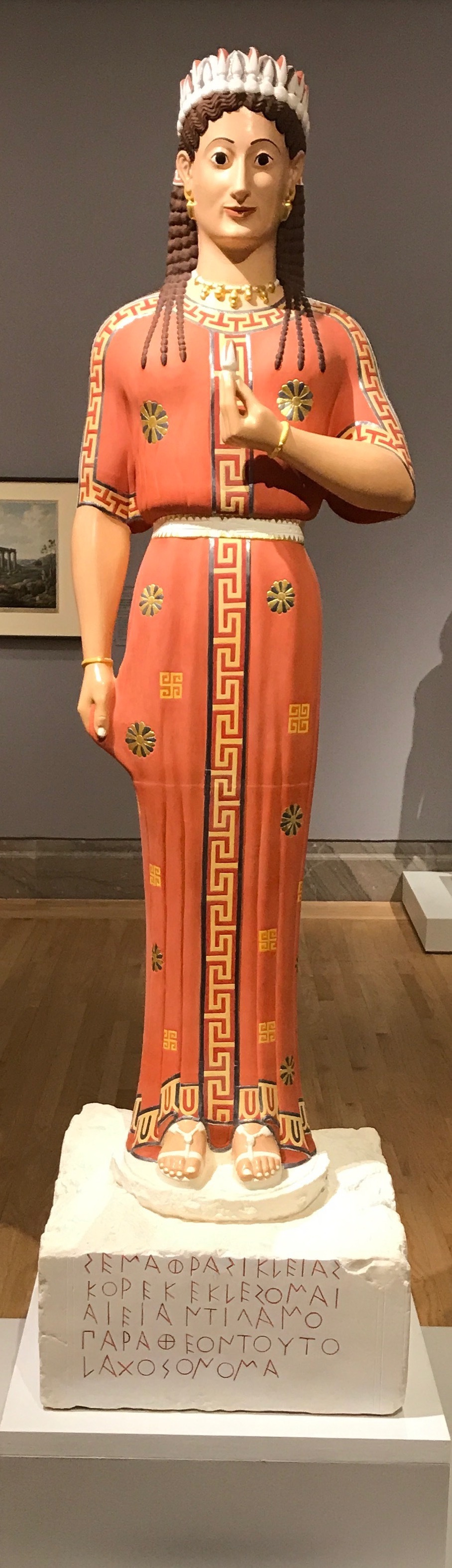
Η Φρασίκλεια (δημ. R.Marthaler, Wikimedia)

 Όταν σκεφτόμαστε τα αγάλματα και τα κτίρια που πλαισίωναν τη ζωή των πρώτων χριστιανών — τους ναούς, τις αγορές, τα ιερά, τα δημόσια μνημεία — τα φανταζόμαστε συνήθως στο λευκό του μαρμάρου, μια εικόνα που ταιριάζει με αυτήν που συχνά αποκομίζουμε από τα μουσεία. Όμως η αρχαιότητα δεν ήταν έτσι. Η πολυχρωμία —βαφές, επιχρυσώσεις, ένθετα υλικά, ποικίλες τεχνικές επεξεργασίας της επιφάνειας— δεν αποτελεί σήμερα απλώς μια «προκλητική ιδέα», αλλά ένα ερευνητικό πεδίο που στηρίζεται σε υλικά ίχνη και σε αναλυτικές μεθόδους. Αυτό που προκύπτει από την έρευνα είναι ότι η αυστηρή λευκότητα του μαρμάρου κι η μονοχρωμία των αγαλμάτων είναι νεωτερική κατασκευή και όχι η αρχαία πραγματικότητα.

Η έκθεση Chroma: Ancient Sculpture in Color του Μητροπολιτικού Μουσείου της Νέας Υόρκης (2022-2023) και ο συνοδευτικός τόμος Chroma: Sculpture in Color from Antiquity to Today, επιμ. Seán Hemingway, Sarah Lepinski, Vinzenz Brinkmann, (Yale University Press, 2025) τεκμηριώνουν με εντυπωσιακό τρόπο αυτό που η αρχαιολογία γνωρίζει εδώ και δεκαετίες: τα ελληνορωμαϊκά αγάλματα ήταν έντονα χρωματισμένα. Κόκκινα, κίτρινα, μπλε, πράσινα — χρώματα που καλύπτουν σώματα, ενδύματα, μαλλιά, ακόμη και τις σκηνές μάχης και τις μυθικές παραστάσεις που κοσμούσαν αετώματα και ζωφόρους. Η πολυχρωμία δεν ήταν πολυτέλεια· ήταν ο κανόνας σε μεγάλο μέρος της ελληνορωμαϊκής αρχιτεκτονικής και γλυπτικής.

Η «λευκή» κλασική αρχαιότητα που γνωρίζουμε από τα μουσεία είναι σε μεγάλο βαθμό προϊόν της πρώιμης νεωτερικής Ευρώπης, που ανακάλυψε τα αρχαία γλυπτά χωρίς τα χρώματά τους — διαβρωμένα από τον χρόνο — και τα ανήγαγε σε αισθητικό ιδεώδες. Τα χρώματα είχαν εξαφανιστεί, αλλά η απουσία τους δεν αξιολογήθηκε ως απώλεια, αλλά αναδείχθηκε σε αισθητικό κανόνα.

Ο νεοκλασικισμός —και ευρύτερα η νεότερη αισθητική ιεράρχηση— προέκρινε το “καθαρό” μάρμαρο ως ιδανικό. Το λευκό έγινε συνώνυμο του ευγενούς, του αυστηρού, του «κλασικού». Έτσι, ακόμη κι όταν υπήρχαν ενδείξεις χρώματος, συχνά αντιμετωπίζονταν ως κάτι δευτερεύον ή «ενοχλητικό», ως παρέκκλιση από την ωραία ιδέα που ήδη είχαμε σχηματίσει για την αρχαιότητα.

Με άλλα λόγια: δεν είναι μόνο ότι το χρώμα έφυγε από τα αντικείμενα· έφυγε και από τις προσδοκίες μας. Και όταν η προσδοκία κυριαρχεί, οργανώνει την έρευνα: τι ερωτήσεις θα κάνουμε, ποιες μεθόδους θα εφαρμόσουμε, ποια ευρήματα θα προβάλουμε, ποια θα περάσουν στο περιθώριο. Στην πράξη, η ιδεολογία συχνά λειτουργεί ως σιωπηλή προϋπόθεση κι όχι ως ρητή θέση. Κι αυτό ακριβώς την καθιστά επικίνδυνη στο ερευνητικό έργο. Στην περίπτωση του χρώματος στον αρχαίο κόσμο η πολιτισμικά ισχυρή προτίμηση του λευκού δεν είναι μόνο πολιτικά αλλά και επιστημολογικά επικίνδυνη. Αν θεωρούμε εξ αρχής ότι το «αληθινό» κλασικό είναι λευκό, τότε: α) υποβαθμίζουμε το υλικό τεκμήριο ως «λεπτομέρεια», β) μετατρέπουμε μια νεότερη αισθητική αξία σε ιστορική κανονικότητα και γ) δυσκολευόμαστε να ανασυνθέσουμε τον αρχαίο οπτικό κόσμο ως κόσμο διαφορετικό από τον δικό μας.

Συνειδητοποιώντας την ιδεολογική προδιάθεση ουσιαστικά αναγνωρίζουμε μία βασική αλήθεια, ότι, δηλαδή, στην έρευνα/επιστήμη η αυτοκριτική είναι ζωτικής σημασίας. Ο ερευνητής οφείλει να ελέγχει συνεχώς τους φακούς του. Η μελέτη της πολυχρωμίας αποτελεί ένα τέτοιο παράδειγμα: μας δείχνει πώς μια ισχυρή πολιτισμική προτίμηση (η πρόκριση της λευκότητας/μονοχρωμίας) μπορεί να επηρεάσει όχι μόνο την εικόνα που έχουμε για την αρχαιότητα, αλλά και την ίδια την επιστημονική ατζέντα.

Αν ο κόσμος του 1ου αιώνα ήταν έντονα έγχρωμος — αγάλματα, ναοί, αναθηματικές στήλες, ταφικά μνημεία, δημόσια κτίρια, όλα ζωγραφισμένα — τότε η αισθητική εμπειρία των πρώτων χριστιανών ήταν ριζικά διαφορετική από αυτή που φανταζόμαστε. Οι χριστιανοί δεν κινούνταν σε έναν κόσμο λιτής μαρμάρινης αξιοπρέπειας, αλλά σε ένα έντονα οπτικό περιβάλλον, γεμάτο χρώμα και συμβολισμό (βλ. και προηγούμενη ανάρτηση για τις διονυσιακές παραστάσεις στα τρικλίνια).

Αυτό έχει συνέπειες για την κατανόηση της σχέσης τους με τον γύρω κόσμο. Όταν ο Παύλος γράφει στους Θεσσαλονικείς για «είδωλα» (1 Θεσ 1:9) ή ο συγγραφέας της Αποκάλυψης περιγράφει τη «μεγάλη Βαβυλώνα» στολισμένη με χρυσό, πορφύρα και κόκκινο (Αποκ 17-18), δεν αναφέρονται σε αφηρημένες έννοιες αλλά σε έναν πολύχρωμο, ζωντανό κόσμο γεμάτο οπτικά ερεθίσματα που οι αναγνώστες τους έβλεπαν καθημερινά. Πώς διαχειρίζονταν αυτήν την εντυπωσιακή παρουσία; Πώς αξιοποίησαν το συμβολικό φορτίο αυτών των χρωμάτων στο δικό τους λόγο και στη συγκρότηση του δικού τους συμβολικού κόσμου;

Sarah Bond, "How White Elites Drained Ancient Art of Its Color," Hyperallergic (16 February 2026) [παρουσίαση του τόμου Chroma: Sculpture in Color from Antiquity to Today]

Πρόσθετη βιβλιογραφία

  •  Mark B. Abbe, "Polychromy of Antique Sculpture: A Difficult Heritage," in A Companion to Ancient Aesthetics, επιμ. Pierre Destrée, Penelope Murray. Oxford: Wiley-Blackwell, 2015, 242–257
  • Sarah E. Bond, "Why We Need to Start Seeing the Classical World in Color," Hyperallergic (7 June 2017)
  • Mark Bradley (επιμ.), Colour and Meaning in Ancient Rome. Cambridge: Cambridge University Press, 2009
  • Vinzenz Brinkmann, Raimund Wünsche (eds.), Bunte Götter: Die Farbigkeit antiker Skulptur. Munich: Staatliche Antikensammlungen und Glyptothek, 2004
  •  Renée Dreyfus, Vinzenz Brinkmann, Ulrike Koch-Brinkmann (επιμ.),  Gods in Color: Polychromy in the Ancient World. Munich/New York: Prestel, 2017
  • Seán Hemingway, Sarah Lepinski, Vinzenz Brinkmann (επιμ.), Chroma: Sculpture in Color from Antiquity to Today. New Haven: Yale University Press, 2025
  • Andrew Jones & Gavin MacGregor (επιμ.). Colouring the Past: The Significance of Colour in Archaeological Research. Oxford/New York: Berg, 2002.

 [ENG]

When we think of the statues and buildings that framed the lives of the first Christians — temples, marketplaces, sanctuaries, public monuments — we tend to imagine them in white marble, an image shaped largely by what we encounter in museums. But antiquity did not look like that. Polychromy — pigments, gilding, inlaid materials, varied techniques of surface treatment — is not merely a "provocative idea" today, but an established research field grounded in material evidence and analytical methods. What the evidence consistently shows is that the stark whiteness of marble and the monochromy of ancient statuary are a modern construction, not an ancient reality.

The exhibition Chroma: Ancient Sculpture in Color at the Metropolitan Museum of Art in New York (2022–2023) and the accompanying volume Chroma: Sculpture in Color from Antiquity to Today, edited by Seán Hemingway, Sarah Lepinski, and Vinzenz Brinkmann (Yale University Press, 2025), document in striking fashion what archaeology has known for decades: Greco-Roman statues were vividly colored. Reds, yellows, blues, greens — colors covering bodies, garments, hair, and even the battle scenes and mythological representations that adorned pediments and friezes. Polychromy was not a luxury; it was the norm across a large part of Greco-Roman architecture and sculpture.

The "white" classical antiquity familiar from museums is largely a product of early modern Europe, which encountered ancient sculptures stripped of their color by the passage of time and elevated their denuded state into an aesthetic ideal. The colors had disappeared, but their absence was not registered as a loss — it was transformed into an aesthetic standard.

Neoclassicism — and the broader hierarchies of modern taste — privileged "pure" marble as the ideal. White became synonymous with the noble, the austere, the "classical." Consequently, even when evidence of color was present, it was often treated as secondary or even inconvenient — a deviation from the idea of antiquity already firmly in place.

In other words: it is not only that color disappeared from the objects themselves; it disappeared from our expectations. And when expectation dominates, it shapes research — what questions get asked, what methods get applied, what findings are foregrounded and what gets marginalized. In practice, ideology frequently operates as a silent presupposition rather than an explicit position, and this is precisely what makes it dangerous in scholarly work. In the case of color in the ancient world, the culturally powerful preference for whiteness is not only politically but also epistemologically hazardous. If we assume from the outset that the "truly" classical is white, then we systematically undervalue the material evidence as mere "detail," we transpose a modern aesthetic value into historical normality, and we struggle to reconstruct the ancient visual world as something genuinely different from our own.

Recognizing ideological predisposition means acknowledging a fundamental truth: in research, self-criticism is indispensable. The scholar must continually examine the lenses through which they see. The study of polychromy offers precisely such an example — it shows how a powerful cultural preference (the privileging of whiteness and monochromy) can affect not only the image we construct of antiquity, but the scholarly agenda itself.

If the world of the first century was intensely colored — statues, temples, votive stelae, funerary monuments, public buildings, all painted — then the aesthetic experience of the first Christians was radically different from what we imagine. They did not move through a world of austere marble dignity, but through a visually dense environment saturated with color and symbolism (see also the previous post on Dionysian imagery in dining rooms).

This has consequences for understanding their relationship to the surrounding world. When Paul writes to the Thessalonians about "idols" (1 Thess 1:9), or when the author of Revelation describes "great Babylon" adorned with gold, purple, and scarlet (Rev 17–18), they are not invoking abstract concepts but a vivid, living world full of visual stimuli that their readers encountered every day. How did the first Christians navigate that overwhelming presence? How did they draw on the symbolic weight of these colors in their own discourse and in the construction of their own symbolic world?

Sarah Bond, "How White Elites Drained Ancient Art of Its Color," Hyperallergic (16 February 2026) [review of Chroma: Sculpture in Color from Antiquity to Today]

Further Reading

  • Mark B. Abbe, "Polychromy of Antique Sculpture: A Difficult Heritage," in A Companion to Ancient Aesthetics, ed. Pierre Destrée, Penelope Murray. Oxford: Wiley-Blackwell, 2015, 242–257
  • Sarah E. Bond, "Why We Need to Start Seeing the Classical World in Color," Hyperallergic (7 June 2017)
  • Mark Bradley (ed.), Colour and Meaning in Ancient Rome. Cambridge: Cambridge University Press, 2009
  • Vinzenz Brinkmann, Raimund Wünsche (eds.), Bunte Götter: Die Farbigkeit antiker Skulptur. Munich: Staatliche Antikensammlungen und Glyptothek, 2004
  • Renée Dreyfus, Vinzenz Brinkmann, Ulrike Koch-Brinkmann (eds.),  Gods in Color: Polychromy in the Ancient World. Munich/New York: Prestel, 2017
  • Seán Hemingway, Sarah Lepinski, Vinzenz Brinkmann (eds.), Chroma: Sculpture in Color from Antiquity to Today. New Haven: Yale University Press, 2025
  • Andrew Jones & Gavin MacGregor (eds.). Colouring the Past: The Significance of Colour in Archaeological Research. Oxford/New York: Berg, 2002.

Expository Times 137/5 (2026)

 Expository Times 137/5 (2026)

  • Yeremia Yordani Putra, Yohanes Krismantyo Susanta, "Pauline Preaching and the Formation of Christian Ethics: Reframing Homiletics through Imitatio Christi," 207-216 (abstract)
  • Jonathan Kangwa, "The river of life or death? An African Eco-Theological Interpretation of Genesis 2:10-14 in the context of water pollution in Zambia," 217-227 (OA)

Σάββατο 21 Φεβρουαρίου 2026

Romanian Orthodox Old Testament Studies [ROOTS] 14/2 (2025)

 Romanian Orthodox Old Testament Studies [ROOTS] 14/2 (2025)

  • Ioan Chirilă, "Patriarchs – Biblical Typologies for “Malkut Yahwe”," 13-28 (OA)
  • Asnat Klaiman, "The Meeting Between Abram and Melchizedek: From Bread and Wine to Peace Treaty," 29-51 (OA)
  • Stelian Pașca-Tușa, "The Sacrifice of Isaac in Byzantine Art – Christological Perspectives of Interpretation," 52-64 (OA)
  • Ioan Torcoș, "Jacob Wrestles at Peniel – The confrontation between the “God-Man” and the “man-god” (Gn 32:24-25)," 65-82 (OA)
  • Daniel Mocanu, "The Presence of Patriarchs in the Canon of Saint Andrew of Crete: A Hymnographic Analysis," 83-107 (OA)
  • Ilarion Argatu, "Jacob’s Journey of Virtue: From Genesis 32 to Hymnography and Philokalia," 108-116 (OA)
  • Alexandru Moldovan, "Abraham's Son and Sons in the New Testament," 117-143 (ΟΑ)
  • Adrian Vasile, "Marriage as a Covenant: The Old and New Testament Insights Within the Wedding at Cana," 144-161 (ΟΑ)
  • Gabriel Solomon, "From Weight to Worship: The Multifaceted Meanings of Kavod in Biblical and Ancient Near Eastern Contexts," 162-177 (ΟΑ)


Ricerche storico-bibliche 37/2 (2025)

 Ricerche Storico-Bibliche 37/2 (2025)

I volti di Israele nel primo cristianesimo (I-II secolo d.C.)"

  • Ossándon, Juan Carlo, "L' idea d’Israele nel periodo del secondo Tempio," 227-251
  • Garibba, Dario, "I confini, reali e immaginati, di una parola: Israele nel giudaismo del I secolo," 253-270
  • Pulcinelli, Giuseppe, "Rm 9–11: Israele ridefinito alla luce dell’inclusione dei gentili," 271-299
  • Guida, Annalisa, "Israele nel Vangelo secondo Marco," 301-313
  • Filannino, Francesco, "Pecore radunate, convitati con i patriarchi e tribù riunite: Israele nel Vangelo secondo Matteo," 315-339
  • Oliver, Isaac, "The Identity of Israel according to Luke and Acts," 341-355
  • Arcangeli, Davide, "Israele nel Vangelo secondo Giovanni," 357-379
  • Girolami, Maurizio, "«Israele» nella "Lettera di Barnaba" e nel Dialogo di Giustino," 381-400

Παρασκευή 20 Φεβρουαρίου 2026

Η λόγχη του βασιλιά: σύμβολο εξουσίας ή όπλο αδικίας; / The King’s Spear: A Symbol of Authority or a Weapon of Injustice?

Στο άρθρο του Daniel Bodi, "The King’s Spear", το οποίο δημοσιεύθηκε στην έγκριτη ιστοσελίδα TheTorah.com, υπογραμμίζεται ότι στις βιβλικές αφηγήσεις η λόγχη λειτουργεί ως έμβλημα εξουσίας—και ταυτόχρονα ως υπενθύμιση ευθύνης: ο βασιλιάς οφείλει να κρίνει δίκαια. Αυτό δίνει άλλη διάσταση τόσο στην τελετουργική σκηνή της στέψης του Ιωάς (2 Βασ 11), όπου εμφανίζονται «η λόγχη και οι ασπίδες του Δαβίδ» φυλαγμένες στον ναό, όσο και στις σκοτεινές στιγμές της βασιλείας του Σαούλ στην Α΄ Σαμουήλ, όπου η λόγχη γίνεται όργανο αυθαιρεσίας (εναντίον Δαβίδ και Ιωνάθαν) αλλά και «πειστήριο», όταν ο Δαβίδ την αφαιρεί από το προσκεφάλι του κοιμισμένου βασιλιά (1 Σαμ 26).

Αξιοποιώντας παράλληλο υλικό από τη Μάρι (Tell Hariri, Δ. όχθη του Ευφράτη) κι άλλες παραδόσεις της Εγγύς Ανατολής, ο Bodi υποστηρίζει ότι τέτοια «όπλα-σύμβολα» συνοδεύουν την ενθρόνιση ακριβώς για να δηλώσουν ότι η βασιλική ισχύς είναι δεμένη με τη δικαιοσύνη. Με αυτόν τον τρόπο, η βιβλική αφήγηση χρησιμοποιεί τη λόγχη του Σαούλ ως διαρκές σημάδι προς τους αναγνώστες της ιστορίας του ότι η εξουσία μπορεί να χάσει τον προσανατολισμό της.

Από το παράλληλο υλικό, που ο συγγραφέας παραθέτει στο κείμενό του, καθίσταται σαφές ότι το σύμβολο της βασιλικής λόγχης ήταν ένα διαδεδομένο μοτίβο στον κόσμο της αρχαίας Εγγύς Ανατολής. Επομένως, η κατανόησή του ως τέτοιο μέσα στα βιβλία των Βασιλειών και Σαμουήλ είναι εύλογη και πειστική. Ωστόσο, πρόκειται για ένα κοινό τελετουργικό υπόβαθρο ή και για μια εν μέρει τουλάχιστον λογοτεχνική κατασκευή, καθώς οι αφηγήσεις για την κατάχρηση της λόγχης από τον Σαούλ φαίνεται να προέρχονται από ένα φιλο-δαυιδικό στρώμα της παράδοσης; Επίσης πόσο βέβαιο είναι ότι οι συντάκτες του δευτερονομιστικού ιστορικού έργου γνώριζαν τις πρακτικές της Μάρι του 18ου αι. π.Χ.; 

Σε κάθε περίπτωση, όμως, το άρθρο προκαλεί ένα γόνιμο προβληματισμό όσον αφορά τον τρόπο που παρουσιάζεται η βασιλεία στα κείμενα της Παλαιάς Διαθήκης και καθιστά σαφές πόσο σημαντική είναι η συγκριτική ανάγνωσή τους σε σχέση με το περιβάλλον τους. 

*Ο Daniel Bodi είναι Καθηγητής Ιστορίας των Θρησκειών της Αρχαιότητας στο Πανεπιστήμιο Sorbonne του Παρισιού. Το έργο του εστιάζει στη σύγκριση της Εβραϊκής Βίβλου με τα κείμενα της αρχαίας Μεσοποταμίας — κυρίως τα αρχεία της πόλης Μάρι στη σημερινή Συρία — αναζητώντας τα κοινά πολιτισμικά πρότυπα που μοιράζονται ο κόσμος της Βίβλου και οι γειτονικοί λαοί του. Έχει αφιερώσει μια ολόκληρη σειρά μονογραφιών στις γυναίκες του Δαυίδ — τη Μιχάλ, την Αβιγαίλ, τη Βηθσαβεέ και την Αβισάγ — ανακαλύπτοντας πίσω από κάθε μία τους βαθύτερες διαστάσεις που η παραδοσιακή ανάγνωση είχε αγνοήσει ή υποβαθμίσει.

Daniel Bodi, "The King’s Spear"

-------------------------------------------------
[ENG
In Daniel Bodi's article "The King's Spear," published on the acclaimed website TheTorah.com, it is argued that in the biblical narratives the spear functions as an emblem of authority—and at the same time as a reminder of responsibility: the king is obliged to judge justly. This sheds new light both on the ceremonial scene of Joash's coronation (2 Kgs 11), where "the spear and shields of David" appear, kept in the Temple, and on the dark moments of Saul's reign in 1 Samuel, where the spear becomes an instrument of arbitrary power (against David and Jonathan), but also a piece of "evidence," when David removes it from the pillow of the sleeping king (1 Sam 26).

Drawing on comparative material from Mari (Tell Hariri, west bank of the Euphrates) and other ancient Near Eastern traditions, Bodi argues that such "weapon-symbols" accompany the enthronement precisely to declare that royal power is bound to justice. In this way, the biblical narrative uses Saul's spear as a persistent sign to the readers of his story that power can lose its bearings.

The comparative material the author presents makes it clear that the symbol of the royal spear was a widespread motif across the ancient Near Eastern world. Its interpretation as such within the books of Kings and Samuel is therefore plausible and convincing. Yet one may ask: are we dealing with a shared ritual background, or at least in part with a literary construction, given that the narratives about Saul's abuse of the spear appear to derive from a pro-Davidic layer of the tradition? And how certain can we be that the editors of the Deuteronomistic History were familiar with the practices of 18th-century BCE Mari?

In any case, the article stimulates fruitful reflection on the way kingship is portrayed in the texts of the Old Testament, and makes clear how important it is to read them comparatively in relation to their broader cultural environment.

*Daniel Bodi is Professor of History of Religions of Antiquity at the Sorbonne University in Paris. His work focuses on the comparative study of the Hebrew Bible and the texts of ancient Mesopotamia — chiefly the archives of the city of Mari in modern Syria — tracing the shared cultural patterns between the biblical world and its neighboring peoples. He has devoted an entire series of monographs to the women of David — Michal, Abigail, Bathsheba, and Abishag — uncovering behind each of them deeper dimensions that traditional readings had ignored or undervalued. 

Daniel Bodi, "The King’s Spear"

OA: Ancient Water Supply and Management Systems in the Western Mediterranean

(via AWOL)

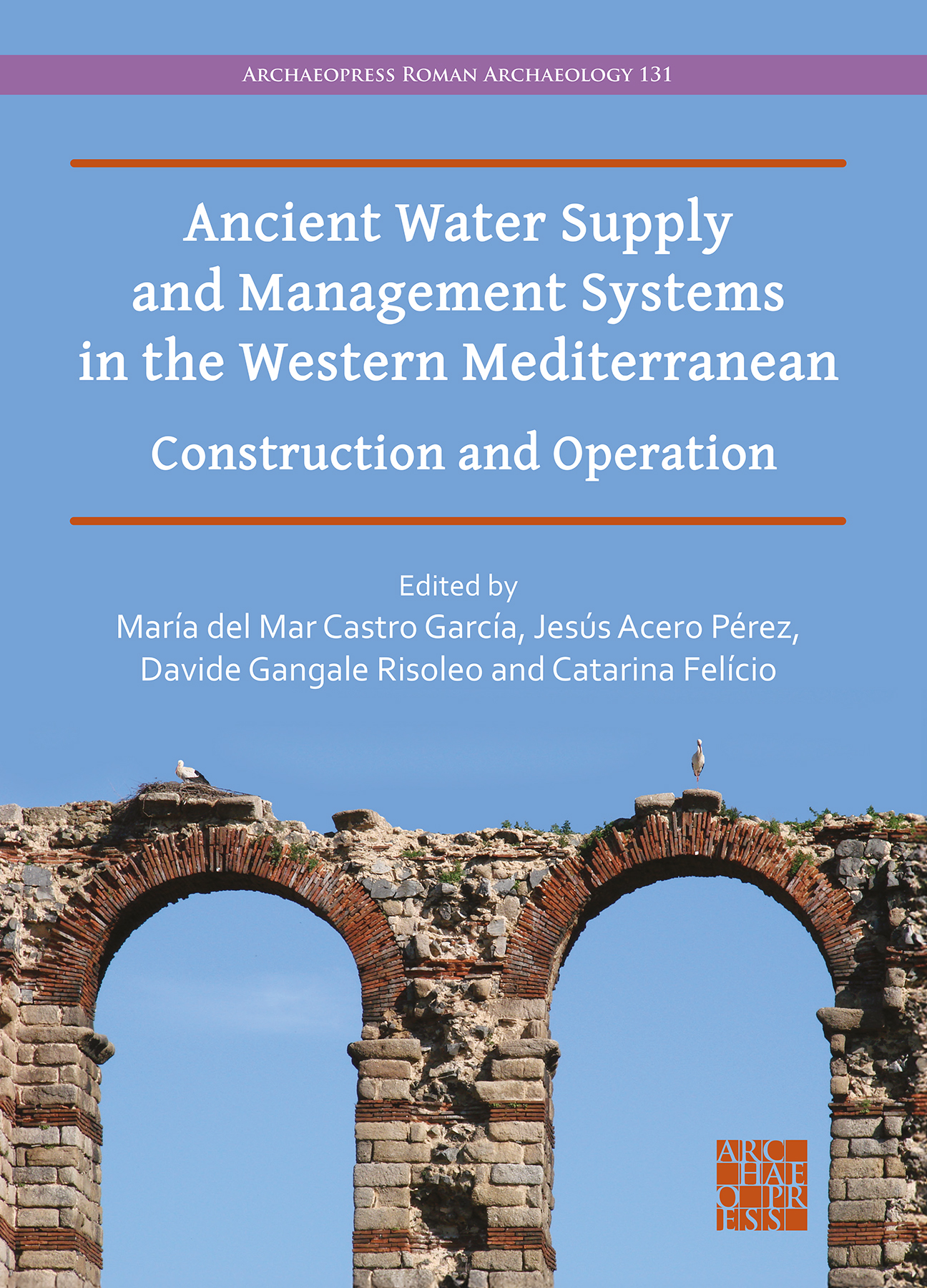
Από τις εκδόσεις Archaeopress κυκλοφόρησε ένας συλλογικός τόμος που φιλοξενεί μελέτες σχετικές με τη διαχείριση των υδάτων από την εποχή του Σιδήρου έως την Ύστερη Αρχαιότητα στη δυτική Μεσόγειο (με έμφαση κυρίως στην Ιταλία, Γαλλία, Ισπανία και Πορτογαλία). Στον τόμο εξετάζονται κυρίως η κατασκευή και η λειτουργία υποδομών συγκέντρωσης και παροχής των υδάτων: υδραγωγεία, φρέατα, δεξαμενές/κινστέρνες, φράγματα, δίκτυα διανομής, αλλά και υποδομές απορροής και αποχέτευσης.

Οι μελέτες δεν περιορίζονται στην παρουσίαση μόνο των τεχνολογικών χαρακτηριστικών αυτών των υποδομών, αλλά εξετάζουν τη σημασία των τοπικών περιβαλλοντικών και πολιτισμικών παραγόντων και την προσαρμογή της τεχνολογίας στα επιμέρους τοπία και ανάγκες. Παράλληλα επισημαίνουν πώς το νερό καθίσταται το σημείο συνάντησης της τεχνικής γνώσης, της διοίκησης και των κοινωνικών πρακτικών, αλλά και πώς μετασχηματίζεται σε συμβολικό και ιερό αγαθό.

Ο τόμος παρουσιάζει ιδιαίτερο ενδιαφέρον για τους αναγνώστες αυτού του ιστολογίου, διότι προσφέρει στέρεο υλικό για την κατανόηση του νερού όχι μόνο ως συμβόλου, αλλά κι ως καθημερινής πραγματικότητας γύρω από την οποία οργανώνονται η πόλη, η εργασία, η υγιεινή κι η πρόσβαση σε πόρους.

Ιδιαίτερα ενδιαφέρουσες για τη θεματική του ιστολόγιου είναι εκείνες του Ugo Fusco ("Water and the City of Veii: A Link between Mythology, Religion, Archaeology, and History"), που συνδέει την υλική διάσταση του νερού με τον ιερό και συμβολικό χαρακτήρα του στην περίπτωση της πόλης Veii, της Gemma Jansen ("Rainwater Collection and Storage in the Pompeian House: Slaves at Work"), η οποία περιγράφει τον ρόλο των δούλων στη διαχείριση του νερού στην περίπτωση της Πομπηίας — με αξιοσημείωτη την αναφορά της Jansen στην απεικόνιση της Σαμαρείτιδος στο φρέαρ στις χριστιανικές κατακόμβες του 4ου αι. — και, τέλος, του Jesús Acero Pérez ("'Domesticating Water': Some Conclusions on Water Infrastructure in the Ancient World"), η οποία επισημαίνει τη διπλή πάντοτε σημασία του νερού ως χρηστικού και ιερού στοιχείου.

Η τελευταία μελέτη παρουσιάζει ιδιαίτερη οικοθεολογική σημασία: το νερό «εξημερώνεται» τεχνικά και ταυτόχρονα διατηρεί το θρησκευτικό του φορτίο. Αυτό το παράδοξο — ο έλεγχος της φύσης και η ταυτόχρονη αναγνώριση της ιερότητάς της — είναι ακριβώς στο επίκεντρο μιας βιβλικής οικοθεολογίας που δεν αρκείται στη χρήση αλλά αναζητά τη σχέση με τη δημιουργία.

María del Mar Castro García, Jesús Acero Pérez, Davide Gangale Risoleo, Catarina Felício (επιμ.), Ancient Water Supply and Management Systems in the Western Mediterranean: Construction and Operation (Archaeopress Roman Archaeology 131), 2025

-------------------------------------------------

[ENG]

A new edited volume has been published by Archaeopress, bringing together studies on water management in the western Mediterranean from the Iron Age to Late Antiquity (with a focus primarily on Italy, France, Spain, and Portugal). The volume examines the construction and operation of water-collection and supply infrastructure—aqueducts, wells, cisterns, dams, and distribution networks—as well as drainage and sewerage systems.

The contributions go beyond a purely technical account of these infrastructures, exploring the importance of local environmental and cultural factors and the ways in which technology is adapted to particular landscapes and needs. They also show how water becomes a meeting point of technical expertise, administration, and social practice—while at the same time taking on symbolic, even sacred, significance.

The volume is of particular interest to readers of this blog, as it offers solid material for understanding water not only as a symbol but also as an everyday reality around which urban life, labour, hygiene, and access to resources are organised.

Especially relevant to the themes of this blog are the studies by Ugo Fusco (“Water and the City of Veii: A Link between Mythology, Religion, Archaeology, and History”), which links the material dimension of water with its sacred and symbolic character in the case of Veii; by Gemma Jansen (“Rainwater Collection and Storage in the Pompeian House: Slaves at Work”), which examines the role of enslaved labour in water management at Pompeii (notably, Jansen refers to depictions of the Samaritan woman at the well in the Christian catacombs of Rome, 4th century AD); and finally by Jesús Acero Pérez (“‘Domesticating Water’: Some Conclusions on Water Infrastructure in the Ancient World”), which highlights the enduring dual significance of water as both a practical and a sacred element.

This final study has particular eco-theological resonance: water is technically “domesticated” while simultaneously retaining its religious charge. This paradox—the control of nature alongside the recognition of its sacredness—lies at the heart of a biblical eco-theology that is not content with mere use, but seeks a relationship with creation.

María del Mar Castro García, Jesús Acero Pérez, Davide Gangale Risoleo, Catarina Felício (eds.), Ancient Water Supply and Management Systems in the Western Mediterranean: Construction and Operation (Archaeopress Roman Archaeology 131), 2025

«Οι Ασσύριοι έρχονται» – αλλά πού είναι; / "The Assyrians Are Coming" — But Where Are They?

Mία νέα μελέτη που δημοσιεύεται στη σελίδα The Bible and Interpretation, της  Margreet L. Steiner, με τον χαρακτηριστικό τίτλο “The Assyrians Are Coming” θέτει ένα από τα πιο ενδιαφέροντα ερωτήματα που απασχολούν την αρχαιολογία της Εποχής του Σιδήρου: πώς γίνεται μια αυτοκρατορία που κυριαρχεί στην Εγγύς Ανατολή για περίπου τρεις αιώνες (9ος–7ος αι. π.Χ.) να αφήνει τόσο «φτωχό» και δυσδιάκριτο υλικό αποτύπωμα στο νότιο τμήμα της περιοχής;

Από τον 9ο έως τον 7ο αι. π.Χ., η Ασσυρία επεκτάθηκε συστηματικά στην περιοχή. Ασσύριοι βασιλείς, όπως ο Ασσουρνασιρπάλ Β΄, ο Σαλμανασάρ Γ΄ και ο Τιγλάθ-Φαλασάρ Γ΄, υπέταξαν διάφορα βασίλεια, ανάμεσά τους εκείνα του Ισραήλ και του Ιούδα, ενώ πόλεις, όπως η Μεγιδδώ και η Σαμάρεια, έπεσαν στα ασσυριακά χέρια. Κι όμως, σε αντίθεση με τους μεταγενέστερους Ρωμαίους, που άφησαν ανεξίτηλο το αποτύπωμά τους σε κάθε πτυχή της τοπικής ζωής — από πολεοδομία και ναούς μέχρι κεραμική και γαστρονομία — οι Ασσύριοι σχεδόν «εξαφανίζονται» από το αρχαιολογικό τοπίο μόλις απομακρυνθούμε γεωγραφικά από το κέντρο της ασσυριακής εξουσίας. 

Ενδεικτικά, στην Παλαιστίνη έχουν ανακαλυφθεί μόλις τέσσερις μνημειακές επιγραφές. Η αρχιτεκτονική ασσυριακού τύπου ταυτοποιείται σε λίγες μόνο θέσεις κι ακόμη κι εκεί είναι συνήθως υβριδική — τοπική στην ουσία, ασσυριακή μόνο σε επιμέρους στοιχεία. Χαρακτηριστικό παράδειγμα είναι ο ναός 650 στην Ekron: ο ναός που κτίσθηκε από τοπικό βασιλιά, έχει ασσυριακής έμπνευσης κάτοψη, αφιερώθηκε σε άγνωστη τοπική θεότητα και τα ευρήματά του είναι κατά κύριο λόγο τοπικής ή αιγυπτιακής προέλευσης.

Η Steiner δίνει μία πειστική απάντηση για το λόγο που τα ίχνη της πολιτιστικής διείσδυσης των Ασσυρίων είναι τόσο λίγα. Οι Ασσύριοι δεν ενδιαφέρονταν να εξάγουν τον πολιτισμό τους· ενδιαφέρονταν να ενσωματώσουν τις κατακτημένες περιοχές σε ένα ενιαίο οικονομικό σύστημα — αυτό που η αρχαιολόγος Stefania Mazzoni έχει αποκαλέσει «ασσυριακή κοινή». Το σύστημα αυτό στηριζόταν σε τρεις άξονες: τη δικτύωση των τοπικών οικονομιών σε διαπεριφερειακές αγορές, την καταβολή φόρου-υποτέλειας στον ασσυριακό θρόνο (σε μέταλλα, υφάσματα, άλογα και αγροτικά προϊόντα), και την εντατικοποίηση του εμπορίου πολυτελών αγαθών σε μεγάλες αποστάσεις.

Τα αποτελέσματα αυτής της μορφής διείσδυσης είναι εντυπωσιακά. Η Ekron αναδείχθηκε στο μεγαλύτερο κέντρο παραγωγής ελαιόλαδου στην αρχαία Εγγύς Ανατολή, με πάνω από εκατό εγκαταστάσεις έκθλιψης που παρήγαγαν εκατοντάδες τόνους λαδιού ετησίως — σαφώς μία ένδειξη εξαγωγής σε διεθνείς αγορές. Στην Ιερουσαλήμ του 7ου αι. π.Χ. αποκαλύπτεται ένα αστικό πλέγμα τεχνιτών και εμπόρων που διακινούσαν έπιπλα από τη Βόρεια Συρία, ελεφαντόδοντο, κρασί από Ελλάδα και Κύπρο, σκαραβαίους από Αίγυπτο — ενώ αραβικές επιγραφές σε αγγεία μαρτυρούν εμπορικές επαφές με την Αραβία. Στη Μωάβ, το μικρό Mudayna Thamad αναδείχθηκε σε σημαντικό κέντρο παραγωγής εκλεπτυσμένων υφασμάτων — σε κλίμακα αδιανόητη για τα προγενέστερα δεδομένα της περιοχής — με πλούσια ευρήματα που αντικατοπτρίζουν τη συμμετοχή στα διεθνή εμπορικά δίκτυα.

Το άρθρο της Steiner είναι επίσης εξαιρετικά χρήσιμο στη βιβλική έρευνα. Επιβεβαιώνει ότι η ασσυριακή παρουσία δεν αφορά μόνο τη στρατιωτική κυριαρχία αλλά τη συνεχή διείσδυση στην καθημερινή ζωή των υποτελών λαών. Στα βιβλικά κείμενα η Ασσυρία εμφανίζεται ως απειλή και «ράβδος» κρίσης κι η μνήμη της συνδέεται με το φόβο, τη βία, στις εκτοπίσεις και την πολιτική εξάρτηση. Πίσω, όμως, από τη δραματική εξάρτηση υπάρχει μία περισσότερο «ήρεμη» αλλά πολύ δυναμική διείσδυση στις πολιτικές και οικονομικές δομές της κοινωνίας: φόρος υποτέλειας, αναγκαστική ανακατεύθυνση πόρων, κάτι που οι αφηγήσεις και η προφητική κριτική συχνά υπονοούν, χωρίς ωστόσο να το αναλύουν με οικονομικούς όρους.

Με άλλα λόγια: το άρθρο της Steiner υπογραμμίζει κάτι πολύ σημαντικό προκειμένου να καταλάβουμε τι σημαίνει «έρχονται οι Ασσύριοι»· για παράδειγμα, δεν αρκεί ο εντοπισμός ασσυριακής κεραμικής. Είναι απαραίτητο να διερευνηθεί πώς μια αυτοκρατορία γίνεται καθημερινότητα.

Margreet L. Steiner, "The Assyrians Are Coming"

Επιπλέον βιβλιογραφία

  • Farber, Z. & Wright, J.L. (επιμ.), Archaeology and History of Eighth-Century Judah (SBL Press, 2018)
  • Avraham Faust, “The Interests of the Assyrian Empire in the West: Olive Oil Production as a Test-Case,” Journal of the Economic and Social History of the Orient 54/1 (2011): 62-86
  • Finkelstein Ι.,  Gadot, Υ. & Langgut, D., “The Unique Specialised Economy of Judah under Assyrian Rule and its Impact on the Material Culture of the Kingdom,”  PEQ 154 (2022): 261-279
  • Gitin, S., Ortiz, S.M. & Dothan, T. (2022). Tel Miqne-Ekron Excavations: Iron Age IIC Temple Complex 650 (University Park, PA: Eisenbrauns, 2022)
  • Margreet L. Steiner, “The Walls that Nehemiah Built: The Town of Jerusalem in the Persian Period
  • Margreet L.Steiner, “Archaeology, Biblical Research and Ancient Israel
  • Ephraim Stern, Archaeology of the Land of the Bible, Volume II: The Assyrian, Babylonian, and Persian Periods, 732–332 BCE (Doubleday: Anchor Bible, 2001)
--------------------------------------------------
[ENG
A new study published on The Bible and Interpretation by Margreet L. Steiner, with the telling title “The Assyrians Are Coming,” poses one of the most intriguing questions in Iron Age archaeology: how can an empire that dominated the Near East for almost three centuries (9th–7th c. BCE) leave such a “thin,” barely visible material footprint in the southern Levant?

From the ninth to the seventh century BCE, Assyria expanded systematically across the region. Assyrian kings such as Ashurnasirpal II, Shalmaneser III, and Tiglath-pileser III subdued a number of kingdoms, including those of Israel and Judah, while cities such as Megiddo and Samaria fell into Assyrian hands. And yet, unlike the later Romans—who left an indelible mark on virtually every aspect of local life, from urban planning and temples to pottery and even cuisine—the Assyrians almost “disappear” from the archaeological landscape once we move away from the geographic heartland of Assyrian power.

Indicatively, in Palestine only four monumental inscriptions have been discovered. Assyrian-style architecture has been identified at only a handful of sites, and even there it is usually hybrid—essentially local in character, Assyrian only in certain features. A characteristic example is Temple 650 at Ekron: built by a local king, it has a ground plan inspired by Assyrian models, was dedicated to an unknown local deity, and its finds are largely of local or Egyptian origin.

Steiner offers a persuasive explanation for why the traces of Assyrian cultural penetration are so few. The Assyrians were not primarily interested in exporting their culture; they were interested in integrating conquered regions into a single economic system—what the archaeologist Stefania Mazzoni has called an “Assyrian koine.” This system rested on three axes: the networking of local economies into interregional markets; the payment of tribute to the Assyrian throne (in metals, textiles, horses, and agricultural products); and the intensification of long-distance trade in luxury goods.

The results of this form of penetration are striking. Ekron emerged as the largest center of olive-oil production in the ancient Near East, with more than one hundred pressing installations producing five hundred tons of oil annually—clear evidence of export to international markets. In seventh-century BCE Jerusalem, an urban web of artisans and merchants comes into view, trading furniture from northern Syria, ivory, wine from Greece and Cyprus, and scarabs from Egypt—while Arabic inscriptions on vessels attest commercial contacts with Arabia. In Moab, the small site of Mudayna Thamad developed into a major center for the production of refined textiles—on a scale unimaginable for earlier periods in the region—along with rich finds that reflect participation in international trade networks.

Steiner’s article is also exceptionally useful for biblical research. It confirms that Assyrian presence was not limited to military domination but involved a sustained infiltration into the everyday life of subject peoples. In biblical texts, Assyria appears as a threat and as a “rod” of judgment, and its memory is linked to fear, violence, deportations, and political dependence. Yet behind this dramatic subjugation lies a quieter—but highly dynamic—penetration of social and economic structures: tribute, vassalage, the forced redirection of resources—realities that narratives and prophetic critique often imply, even if they do not analyze them in explicitly economic terms.

In other words, Steiner’s article underscores something crucial for understanding what it means to say “the Assyrians are coming”: for example, the identification of Assyrian pottery is not enough. We also need to investigate how an empire becomes everyday reality.

Margreet L. Steiner, "The Assyrians Are Coming"

Further reading

  • Farber, Z. & Wright, J.L. (επιμ.), Archaeology and History of Eighth-Century Judah (SBL Press, 2018)
  • Avraham Faust, “The Interests of the Assyrian Empire in the West: Olive Oil Production as a Test-Case,” Journal of the Economic and Social History of the Orient 54/1 (2011): 62-86
  • Finkelstein Ι.,  Gadot, Υ. & Langgut, D., “The Unique Specialised Economy of Judah under Assyrian Rule and its Impact on the Material Culture of the Kingdom,”  PEQ 154 (2022): 261-279
  • Gitin, S., Ortiz, S.M. & Dothan, T. (2022). Tel Miqne-Ekron Excavations: Iron Age IIC Temple Complex 650 (University Park, PA: Eisenbrauns, 2022)
  • Margreet L. Steiner, “The Walls that Nehemiah Built: The Town of Jerusalem in the Persian Period
  • Margreet L.Steiner, “Archaeology, Biblical Research and Ancient Israel
  • Ephraim Stern, Archaeology of the Land of the Bible, Volume II: The Assyrian, Babylonian, and Persian Periods, 732–332 BCE (Doubleday: Anchor Bible, 2001)

Πέμπτη 19 Φεβρουαρίου 2026

Harvard Theological Review 118/4 (2025)

 Harvard Theological Review 118/4 (2025)

  • Andrew R. Davis, "A Nepeš Divided: Trust, Doubt, and Longing in Psalm 42–43," 601-616 (ΟΑ)
  • Helen R. Jacobus, "A Response to the Alleged “Fallacy of Jaubert’s Hypothesis”: The Question of Biblical Calendars and the 364-day Year Qumran Flood Calendar (4Q252)," 617-639 (ΟΑ)
  • Bart Bruehler, "The Presence, Nature, Cause, and Result of Jesus’s Anger in Mark 1:40–45," 640-664 (abstract)
  • Luis Menéndez-Antuña, "Historiographies of Enslavement: The Unthought Body of the Captive in Galatians 4:1–9," 665-690 (OA)
  • Jason S. Wendel, "Weeping Over Jerusalem: Luke’s Response to the Destruction of the Temple," 691-712 (OA)
  • Philip Abbott, "Divine Diction: Heavenly Speech among Sethians, Valentinians, and Ignatius," 713-734 (OA)
  • Charles Augustine Rivera, "The Soul of Jesus in the Land of the Dead: Origen on the Harrowing of Hell," 735-753 (ΟΑ)
  • Benjamin M. J. De Vos, "The Pseudo-Clementine Recognitions as Early Christian Philosophy: Plato’s Presence in the Construction of a Christian Philosophical Way of Life," 754-782 (abstract)
  • Loraine Schneider Enlow, " Another Judas and the Cross: Pseudo-Hebrew and the Politics of Conversion in the Judas Cyriacus Legend," 783-306 (abstract)