Πέμπτη 29 Ιανουαρίου 2026

Η γραφή ως υλικό γεγονός: παπυρολογία και επιγραφική σε δημιουργικό διάλογο / Writing as Material Event: Papyrology and Epigraphy in Creative Dialogue

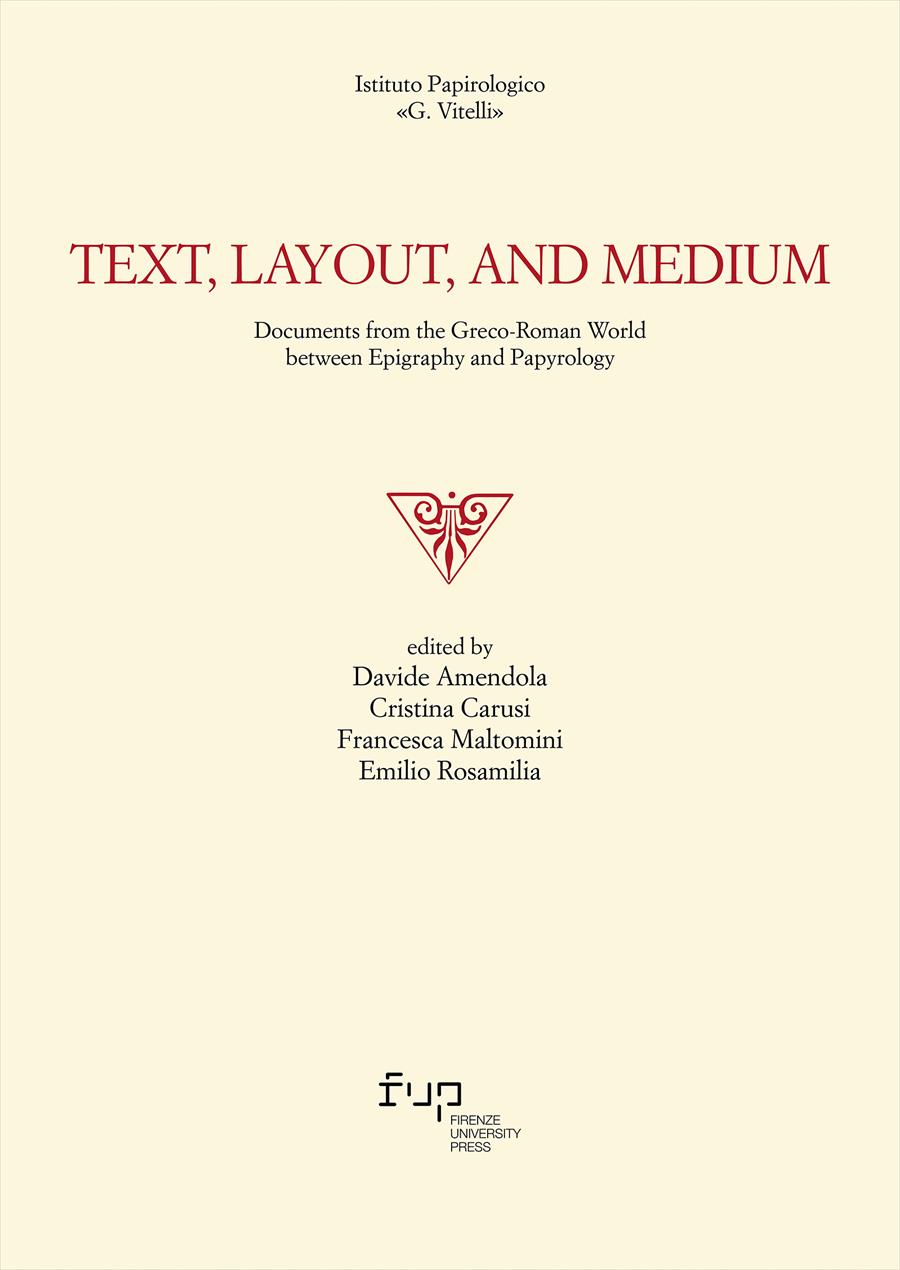
Συχνά τα αρχαία κείμενα εκλαμβάνονται αποκομμένα από την υλική τους διάσταση: άυλα και αμετάβλητα μέσα στον χρόνο και τον χώρο. Στην πραγματικότητα, όμως, τα κείμενα έχουν πάντοτε και μια υλική πλευρά. Φιλοξενούνται σε διαφορετικά υλικά—πάπυρο, λίθο, όστρακο, ξύλο, τοίχο—και η μορφή και η διάταξη που αποκτούν πάνω σε αυτά (στήλες, κενά, σημάδια, σύμβολα, συντομογραφίες) δεν είναι ουδέτερες. Δηλώνουν τον χαρακτήρα και τη λειτουργία τους και καθοδηγούν τον αναγνώστη στο πώς θα τα διαβάσει και θα τα χρησιμοποιήσει. Αυτή η θεμελιώδης διαπίστωση αποτελεί τη βάση του συλλογικού τόμου Text, Layout, and Medium: Documents from the Greco-Roman World between Epigraphy and Papyrology (Firenze University Press, 2024): δείχνει πώς το μέσο, η διάταξη και η μορφή δεν είναι στοιχεία άσχετα με το κείμενο, αλλά μέρος της ίδιας της διαδικασίας επικοινωνίας μεταξύ κειμένου και αναγνώστη.

Στον τόμο έρχονται σε διάλογο δύο συγγενικές αλλά και διακριτές ερευνητικές περιοχές: η παπυρολογία και η επιγραφική. Αυτό που αναδεικνύεται είναι ότι η διάταξη και η μορφή του κειμένου δεν επηρεάζουν μόνο τον τρόπο ανάγνωσης, αλλά καθορίζουν και τον κοινωνικό του ρόλο. Το υλικό που το φέρει μπορεί, με τη σειρά του, να υποδηλώνει λειτουργία, κύρος ή και ιερότητα. Η σχέση κειμένου–μέσου–μορφής δεν είναι μονόδρομη, αλλά αμφίδρομη και σύνθετη.

Ξεχωρίζω, ανάμεσα στις εξαιρετικές μελέτες του τόμου, εκείνες του Nicola Reggiani για το Χ-Ρ (chi-rho) και το σταυρόγραμμα στους παπύρους (“Crossing Abbreviations, Monograms, and Symbols”), του Lucio Del Corso για την υλικότητα της γραφής και τις συμβάσεις της στην Αίγυπτο της ύστερης αρχαιότητας (“Epigraphic Habits and Writing Conventions in Late Antique Egypt”), καθώς και των Francesca Maltomini και Francesca Murano για τον επιτελεστικό χαρακτήρα της γραφής στα μαγικά κείμενα (“The Binding Layout? On Graphic Strategies in Greek Magical Texts”).

Για όσους εργάζονται με χειρόγραφα της Καινής Διαθήκης και παλαιοχριστιανικά κείμενα ή αξιοποιούν επιγραφές στη μελέτη της ΚΔ, το βιβλίο προσφέρει πολύτιμες προοπτικές. Οι μελέτες του τόμου καταδεικνύουν ότι το κείμενο είναι ένα υλικό γεγονός, με συγκεκριμένη λειτουργία σε χρόνο και τόπο—και ότι ο τρόπος που «στήνεται» πάνω στο μέσο γραφής αποτελεί μέρος της επικοινωνίας με το αναγνωστικό κοινό.

Με τη συνεξέταση κειμένου, διάταξης/μορφής και υλικού φορέα, ο τόμος προσφέρει μια μεθοδολογικά γόνιμη σύνθεση ανάμεσα σε παπυρολογία και επιγραφική και καθιστά σαφές ότι η υλικότητα του κειμένου δεν αποτελεί ένα δευτερεύον ζήτημα  αλλά μέρος της ιστορικής του συγκρότησης. Το κείμενο κατανοείται ως καταγραφή σε συγκεκριμένο μέσο, με συμβάσεις διάταξης και ορίζοντες χρήσης που διαμορφώνουν την αναγνωστική εμπειρία και τη κοινωνική λειτουργία των κειμένων. Για την έρευνα της Καινής Διαθήκης, των παλαιοχριστιανικών κειμένων και των επιγραφικών μαρτυριών, η οπτική αυτή λειτουργεί ως κρίσιμο ερμηνευτικό συμπλήρωμα: η μορφή και διάταξη, τα σύμβολα και τα σημεία γραφής σημεία προσλαμβάνονται ως δεδομένα που καθορίζουν το νόημα, τη χρήση και την πρόσληψη του κειμένου. 

Davide Amendola, Cristina Carusi, Francesca Maltomini, Emilio Rosamilia-(επιμ.), Text, Layout, and Medium: Documents from the Greco-Roman World between Epigraphy and Papyrology (Firenze University Press, 2024) [Open Access: CC BY 4.0]

------------------------------------------------------

Ancient texts are often approached as detached from their material dimension: immaterial and unchanging across time and space. In reality, however, texts always have a material aspect. They are inscribed on various media—papyrus, stone, ostraca, wood, walls—and the form and layout they take on these surfaces (columns, spaces, markers, symbols, abbreviations) are not neutral. They indicate their character and function and guide the reader in how to read and use them. This fundamental insight forms the basis of the edited volume Text, Layout, and Medium: Documents from the Greco-Roman World between Epigraphy and Papyrology (Firenze University Press, 2024): it demonstrates how medium, layout, and form are not elements irrelevant to the text, but part of the very process of communication between text and reader.

The volume brings into dialogue two related yet distinct fields of research: papyrology and epigraphy. What emerges is that the layout and form of a text do not merely affect how it is read, but also determine its social role. The material that bears it can, in turn, signal function, authority, or even sacredness. The relationship of text–medium–form is not unidirectional, but reciprocal and complex.

Among the volume's exceptional studies, I would highlight those by Nicola Reggiani on chi-rho and the staurogram in papyri ("Crossing Abbreviations, Monograms, and Symbols"), Lucio Del Corso on the materiality of writing and its conventions in Late Antique Egypt ("Epigraphic Habits and Writing Conventions in Late Antique Egypt"), and Francesca Maltomini and Francesca Murano on the performative character of writing in magical texts ("The Binding Layout? On Graphic Strategies in Greek Magical Texts").

For those working with New Testament manuscripts and early Christian texts, or utilizing inscriptions in NT studies, the book offers valuable perspectives. The volume's studies demonstrate that a text is a material event, with specific function in time and place—and that the way it is "set up" on its writing medium is part of the communication with its reading public.

By examining text, layout/form, and material carrier together, the volume offers a methodologically fruitful synthesis between papyrology and epigraphy and makes clear that the materiality of a text is not a secondary issue but part of its historical constitution. The text is understood as inscription on a specific medium, with conventions of layout and horizons of use that shape both the reading experience and the social function of texts. For research on the New Testament, early Christian texts, and epigraphic evidence, this perspective functions as a critical interpretive supplement: form and layout, symbols and graphic signs are approached as data that determine the meaning, use, and reception of the text.

Davide Amendola, Cristina Carusi, Francesca Maltomini, Emilio Rosamilia-(επιμ.), Text, Layout, and Medium: Documents from the Greco-Roman World between Epigraphy and Papyrology (Firenze University Press, 2024) [Open Access: CC BY 4.0]

Τετάρτη 28 Ιανουαρίου 2026

Interpretation 80/1 (2026)

 Interpretation 80/1 (2026)

  • Greg Carey, "'Arrogant and Blasphemous Words'? Reading Revelation against and within Authoritarian Rhetoric," 6-20 (abstract)
  • Sharon L. Putt, "Jezebel or Jerusalem: Revelation, Ecclesiastical Purity, and the Christian Response(s)," 21-32 (abstract)
  • Amy E. Meverden, "The Metonymic Power of Healing Leaves: Reading Revelation 22:2 with the Caryatid Relief," 33-46 (abstract)
  • 🔓Thomas B. Slater, "'Confirmation Statements' and Cosmic Unity in John’s Apocalypse," 47-57 (OA

Novum Testamentum 68/1 (2026)

Νovum Testamentum 68/1 (2026

  • Phillip A. Davis, "The Wisdom of God Said: Luke 11:49–51 Revisited," 1–18 (abstract)
  • Daniel J. Crosby, "Caiaphas's Prophecy: Christian Cledonomancy in John 11:45–53," 19–37 (abstract)
  • 🔓 Rogier Boogaard & Arjan van den Os, "The Angel Strikes: The Sennacherib Narrative in 2 Kings 18–19 as a Background to Herod's Death in Acts 12:20–23," 38–53 [Open Access]
  • Armin D. Baum, "Unpaulinische Stilmerkmale im 2. Thessalonicherbrief? Die stilkritischen Argumente Wolfgang Trillings in statistischer Perspektive," 54–85 (abstract)
  • 🔓 Nicholas J. Moore, "Jude and the Watchers in the Early Church," 86–104 [Open Access]
  • Stephen C. Wunrow, "Defilement and Cleansing in Heaven: A Proposal for Revelation 11:1–2," 105–123 (abstract)
  • Barbara Beyer, "New Approaches in Digital Biblical Studies," 125–136 [Review Article] (abstract)


Serving the Gods: ένας νέος Open Access τόμος για τους ανθρώπους των ιερών στην αρχαιότητα / Serving the Gods: A New Open-Access Volume on the People Who Served Ancient Sanctuaries

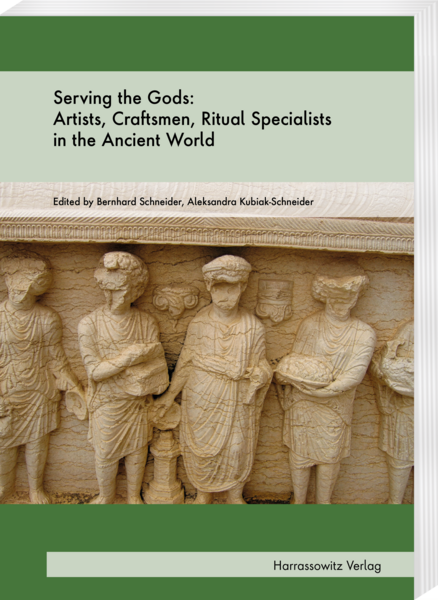
Kυκλοφόρησε πρόσφατα (2025) σε open access από τον οίκο Harrassowitz ένας συλλογικός τόμος Serving the Gods: Artists, Craftsmen, Ritual Specialists in the Ancient World, σε επιμέλεια Bernhard Schneider και Aleksandra Kubiak-Schneider. Οι μελέτες που φιλοξενούνται σε αυτόν τον τόμο προσφέρουν μια διεπιστημονική και διαπολιτισμική ματιά στο ερώτημα: ποιος, πέρα από τους ιερείς, υπηρετούσε τους θεούς στην αρχαιότητα;

Πρόκειται για τα πρακτικά του 23ου Melammu Workshop (Βρότσλαβ, Σεπτέμβριος 2024), με 16 μελέτες που καλύπτουν μία ευρεία γεωγραφικά, χρονικά και πολιτισμικά περιοχή: από τη Μεσοποταμία μέχρι τη ρωμαϊκή Παλαιστίνη και από την αρχαϊκή εποχή μέχρι την όψιμη αρχαιότητα.

Η βασική ιδέα είναι απλή αλλά πολύ γόνιμη: όταν μιλάμε για ναούς και λατρεία, συνήθως το ενδιαφέρον στρέφεται στο ιερατείο. Ο τόμος, όμως, μεταθέτει την προσοχή σε όσους/όσες στήριζαν πρακτικά τη λατρευτική ζωή και τη λειτουργία των ιερών: τεχνίτες, καλλιτέχνες, εργάτες, ειδικούς των τελετουργιών, μουσικούς, διαχειριστές, και γενικότερα το προσωπικό που έκανε δυνατή την καθημερινότητα του ιερού.

Ο τόμος είναι οργανωμένος σε δύο μέρη: 

  • Ιστορία/Φιλολογία (μελέτες που δουλεύουν κυρίως με κείμενα και ιστορικές μαρτυρίες)
  • Αρχαιολογία/Εθνογραφία (με έμφαση στην υλικότητα, τις πρακτικές και τα κατάλοιπα)

Ενδεικτικά αναφέρω εδώ κάποια θέματα του τόμου που έχουν ενδιαφέρον για τους αναγνώστες αυτού του ιστολογίου:

  • Το μη-ιερατικό προσωπικό του Ναού Ιερουσαλήμ στην περσική περίοδο (πυλωροί, Νετινείμ, υιοί δούλων του Σολομώντα, ψάλτες) με βάση τα βιβλία Έσδρα και Νεεμία
  • Παιδιά-ιερείς στη ρωμαϊκή Ιταλία – από τις Εστιάδες Παρθένες μέχρι τους Salii και την αυτοκρατορική οικογένεια
  • Κτίστες, γλύπτες και διακοσμητές στους παρθικούς και ρωμαϊκούς ναούς της Ανατολής
  • Εβραίοι στρατιώτες στο ρωμαϊκό στρατό και η θρησκευτική τους δράση (Dura-Europos, Παλμύρα, Σάρδεις)
  • Τεχνίτες και προμηθευτές στους αιγυπτιακούς ναούς της ρωμαϊκής εποχής
  • Εθνογραφικές προσεγγίσεις: από τους κεραμείς της αρχαίας Εγγύς Ανατολής μέχρι τους σύγχρονους κατασκευαστές θυμιατηρίων στην Κύπρο

Οι μελέτες του τόμου αναδεικνύουν πώς οι ναοί ήταν πολύπλοκοι κοινωνικοί, οικονομικοί και θρησκευτικοί θεσμοί που αξιοποιούσαν τεχνίτες, κτίστες, μουσικούς, διαχειριστές, βοσκούς, και πολλούς άλλους – και σίγουρα όχι μόνο ιερείς. Ο τόμος υπενθυμίζει ότι η λατρεία δεν είναι μόνο θεολογικό ή τελετουργικό γεγονός, αλλά και κοινωνική πράξη που προϋποθέτει ρόλους, εργασία και οργάνωση—και γι' αυτό έχει αξία ως υλικό συγκριτικής ανάγνωσης.

Bernhard Schneider / Aleksandra Kubiak-Schneider, Serving the Gods: Artists, Craftsmen, Ritual Specialists in the Ancient World, Harrassowitz Verlag 2025

doi: 10.13173/9783447125116

------------------------------------------------------------------

A new open access volume has recently been published (2025) by Harrassowitz: Serving the Gods: Artists, Craftsmen, Ritual Specialists in the Ancient World, edited by Bernhard Schneider and Aleksandra Kubiak-Schneider. The studies in this volume offer an interdisciplinary and cross-cultural perspective on the question: who, besides priests, served the gods in antiquity?

The volume contains the proceedings of the 23rd Melammu Workshop (Wrocław, September 2024), with 16 studies covering a broad geographical, chronological, and cultural area: from Mesopotamia to Roman Palestine and from the archaic period to late antiquity.

The core idea is simple but highly productive: when we talk about temples and worship, attention typically focuses on the priesthood. This volume, however, shifts attention to those who provided practical support for religious life and the functioning of sanctuaries: craftsmen, artists, laborers, ritual specialists, musicians, administrators, and more generally the personnel who made the daily operations of the sanctuary possible.

The volume is organized in two parts:

  • History/Philology (studies working primarily with texts and historical evidence)
  • Archaeology/Ethnography (emphasizing materiality, practices, and material remains)

Some topics in the volume of particular interest to readers of this blog include:

  • Non-priestly personnel of the Jerusalem Temple in the Persian period (gatekeepers, Netinim, sons of Solomon's servants, singers) based on the books of Ezra and Nehemiah
  • Child priests in Roman Italy – from the Vestal Virgins to the Salii and the imperial family
  • Builders, sculptors and decorators in Partho-Roman Eastern temples
  • Jewish soldiers in the Roman army and their religious activities (Dura-Europos, Palmyra, Sardis)
  • Craftsmen and suppliers in Egyptian temples during the Roman era
  • Ethnoarchaeological approaches: from potters in the ancient Near East to modern incense-burner makers in Cyprus

The studies in this volume demonstrate how temples functioned as complex social, economic, and religious institutions that employed craftsmen, builders, musicians, administrators, shepherds, and many others – and certainly not just priests. The volume reminds us that worship is not only a theological or ritual event, but also a social practice that presupposes roles, labor, and organization—and for this reason it has value as material for comparative analysis.

Bernhard Schneider / Aleksandra Kubiak-Schneider, Serving the Gods: Artists, Craftsmen, Ritual Specialists in the Ancient World, Harrassowitz Verlag 2025

doi: 10.13173/9783447125116

Τρίτη 27 Ιανουαρίου 2026

JBL 144.4 (2025)

 Journal of Biblical Literature 144/4 (2025)

  • Phillip M. Lasater, "Legal Thinking and Notions of the Self: Why Biblical Studies Needs an Anthropology of Law," 579-600 (abstract)
  • Benjamin Kantor, "The Origins of 'In the Beginning . . .': Genesis 1:1 in Light of the Biblical Hebrew Reading Traditions," 601-636 (abstract)
  • Joshua Berman, "Abigail and Her Honor Culture Wisdom," 637-656 (abstract)
  • J. Jona Schellekens, "Creative Imitation in the Story of Josiah," 657-673 (abstract)
  • Olga Fabrikant-Burke, "Exegeting God: Prophetic Sign Acts and Inner-Biblical Interpretation in the Book of Jeremiah," 675-695 (abstract)
  • James Wykes, "Always Two There Are? The Combined Dragon in Job 40:15–41:26 LXX," 697-718 (abstract
  • Joseph Scales, "Responsibility for Murder: The Background of Judith’s Legal Argumentation," 719-739 (abstract
  • Jonathan (Yonatan) Bourgel, "Revisiting Sabbath Observance during the Great Jewish Revolt (66–73/74 CE)," 741-762 (abstract)
  • Holly Beers, "The 'Teachings of Demons' as 'Magical' Practices in 1 Timothy 4:1," 763-781 (abstract)
  • Stephen C. Carlson, "The Text of 1 Peter in Polycarp and Irenaeus," 783-805 (abstract)


Η Γραφή ως τεκμήριο λαϊκής ευσέβειας: ένα χριστιανικό φυλακτό του 3ου αι. μ.Χ. βόρεια των Άλπεων / Scripture as Evidence of Popular Piety: A Christian Amulet from the 3rd Century CE North of the Alps

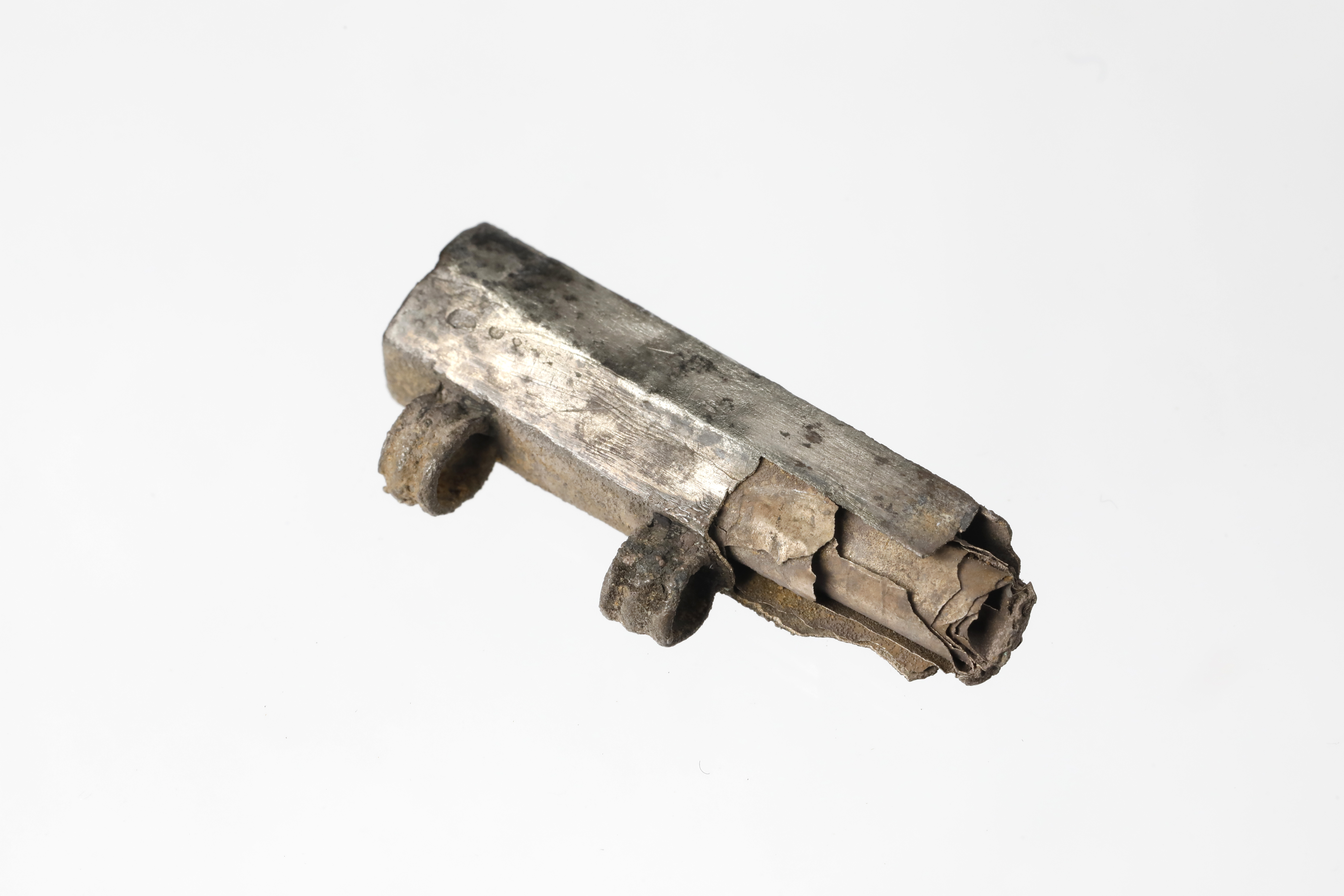
Μια εντυπωσιακή ανακάλυψη φέρνει στο φως την παλαιότερη επιγραφική χριστιανική μαρτυρία βόρεια των Άλπεων  και μας δείχνει πώς οι αρχαίοι χριστιανοί «ξαναδιάβαζαν» τον Παύλο. Πρόκειται για ένα φυλακτό (3,5 εκ.) που περιείχε ένα ασημένιο έλασμα (35-90 χιλ.) με μία εκτενή λατινική επιγραφή (18 στ.). Aς σημειωθεί ότι το υλικό για τέτοιου είδους αντικείμενα είναι συνηθισμένο (ενώ ελάσματα από μόλυβδο χρησιμοποιούνται στις defixiones). Η ανάγνωση του κειμένου κατέστη δυνατή μέσω αξονικής τομογραφίας (CT) και ψηφιακής “αποτύλιξης”, ακριβώς επειδή το άνοιγμα του ελάσματος θα οδηγούσε σε καταστροφή.

To φυλακτό (Φωτο: U. Dettmar, AMF)

Το φυλακτό κι ο σκελετός
(© Monument Office of the City of Frankfurt am Main, photo: Michael Obst )

Το φυλακτό βρέθηκε στο λαιμό ενός νεκρού άνδρα 35-45 ετών σε τάφο του ρωμαϊκού νεκροταφείου της αρχαίας Nida (περιοχή της σημερινής Φρανκφούρτης στο Praunheim). Η Nida υπήρξε στρατιωτική βάση κατά τον 1ο αι. μ.Χ. και εξελίχθηκε σε σημαντικό οικονομικό και πολιτιστικό κέντρο κατά τον 2ο αι. μ.Χ. (civitas Taunensium) Η εγκατάλειψη της πόλης περί το 260 μ.Χ. παρέχει ένα ασφαλές terminus ante quem, ενώ τα κτερίσματα του τάφου (π.χ. θυμιατήριο και κεραμικό αγγείο) τοποθετούν την ταφή μεταξύ 230–260 μ.Χ. Κατά τις εκτιμήσεις των ειδικών πρόκειται για την αρχαιότερη μαρτυρία για τη χριστιανική παρουσία στην περιοχή βόρεια των Άλπεων (οι προηγούμενες μαρτυρίες χρονολογούνται στον 4ο αι.).

Το ασημένιο έλασμα
[© Leibniz Institute for Archaeology
in Mainz (LEIZA)]


Το Κείμενο και η σημασία του
Το κείμενο, γραμμένο σε επισεσυρμένη λατινική γραφή, τη γραφή δηλαδή των καθημερινών κειμένων και των defixiones, περιέχει μία σειρά επικλήσεων και αιτήσεων για προστασία και παρουσιάζει ένα ιδιαίτερο ενδιαφέρον για παλαιογραφικούς, ιστορικούς λόγους και για την ιστορία του κειμένου και της πρόσληψής του κατά τον 3ο αι. μ.Χ. 
Το κείμενο της επιγραφής έχει ως εξής: 

1 IN NOMINE SANCTI TIT̅ I
2 AGIOS AGIOS AGIOS
3 IN NOMINE I͞H X͞P DEI F(ilii)
4 MVNDI DOMINVS
5 VIRIBVS OMNIBVS
6 INCVRSIONIBVS OPONIT
7 DEVS VALETVDINIBVS
8 SALVIS ACCESSVM
9 PRAESTAT HAEC SALUS TVEAT
10 HOMINEM QVI SE
11 DEDIT VOLVNTATI
12 DOMINI I͞H X͞P TI DEI F(ilii)
13 QVONIAM I͞ H X͞PO
14 OMNES GENVA FLEC
15 TENT CAELESTES
16 TERRESTRES ET
17 INFERI ET OMNIS LIN
18 GVA CONFITEATVR

(και η μετάφραση με βάση την αποκατάσταση του Santiago Guijarro: Στο όνομα του Αγίου Τίτου. Άγιος, Άγιος, Άγιος. Στο όνομα του Ιησού Χριστού Υιού του Θεού, ο Κύριος του κόσμου με όλη τη δύναμή του αντιτάσσεται στις επιθέσεις. Ο Θεός στις θεραπευμένες ασθένειες δίνει πρόσβαση. Αυτή η σωτηρία (ή: αυτό το φυλακτό) ας προστατεύει τον άνθρωπο που τον εαυτό του παρέδωσε στη βούληση του Κυρίου Ιησού Χριστού Υιού του Θεού. Επειδή ενώπιον του Ιησού Χριστού όλοι θα λυγίσουν τα γόνατα – οι ουράνιοι, οι επίγειοι και οι υπόγειοι – και κάθε γλώσσα θα ομολογήσει.)
Ειδικότερα: 
  • Η γλώσσα του κειμένου είναι στα λατινικά, κάτι ασυνήθιστο, αφού συνήθως φυλακτά και defixiones γράφονταν στα ελληνικά και με εβραϊκά/αραμαϊκά στοιχεία ή voces magicae
  • Δεν υπάρχει επίκληση σε διάφορους θεούς και δυνάμεις, αλλά στον απόστολο Τίτο (πιθανόν τον συνεργάτη του Παύλου) και στον Ιησού Χριστό. Ας σημειωθεί ότι είναι το πρώτο κείμενο αυτού του είδους που αναφέρεται στον Τίτο 
  • Το όνομα του Ιησού Χριστού γράφεται ως nomen sacrum στα ελληνικά (aυτό υποδηλώνει προφανώς την ιερότητα που ο συγγραφέας του κειμένου αποδίδει στο πρόσωπο του Ιησού Χριστού
  • O τρισάγιος ύμνος, γνωστός από τη λειτουργική πράξη της αρχαίας Εκκλησίας είναι στα ελληνικά, γραμμένος με λατινικούς χαρακτήρες, κάτι που ίσως υποδηλώνει την εδραιωμένη λειτουργική του πράξη ως δοξολογική φόρμουλα
  • Οι τίτλοι που αποδίδονται στον Ιησού Χριστό («υιός του Θεού, κύριος του κόσμου) παραπέμπει στην αυτοκρατορική ορολογία για το πρόσωπο του αυτοκράτορα κι έχει, επομένως, ιδιαίτερη σημασία ως ομολογία σε μία εποχή που οι χριστιανοί διώκονται
  • Το κείμενο κλείνει με μία σχεδόν κατά λέξη παράθεση στα λατινικά από το χριστολογικό ύμνο της και συγκεκριμένα το χωρίο 2:10-11
Η παράθεση του Φιλ 2:10-11
Το συγκεκριμένο καινοδιαθηκικό παράθεμα παρουσιάζει ιδιαίτερο ενδιαφέρον. Ειδικότερα, το φυλακτό από την Φρανκφούρτη διασώζει την αρχαιότερη μαρτυρία του συγκεκριμένου χωρίου στα λατινικά (ο αρχαιότερος μάρτυρας του ελληνικού κειμένου είναι ο Ρ46, περ. 200 μ.Χ.). Αποτελεί, επομένως, μία από τις αρχαιότερες μαρτυρίες της Vetus Latina, των λατινικών μεταφράσεων, δηλαδή, πριν την Vulgata του Ιερωνύμου. 
Είναι επίσης ενδιαφέρουσες οι αλλαγές τις οποίες κάνει ο συγγραφέας του κειμένου στο συγκεκριμένο φυλακτό, οι οποίες κατά την εξαιρετική ανάλυση του Guijarro έχουν και βαθύτερη θεολογική σημασία:
  • Το κείμενο εισάγεται με το αιτιολογικό quoniam αντί του τελικού/συμπερασματικού «ἵνα» του ελληνικού πρωτοτύπου. Έτσι η προσκύνηση των πάντων στον Ιησού αποτελεί την απόδειξη της δύναμης του Ιησού (ενώ το τελικό ή συμπερασματικό «ἵνα» υποδηλώνει ότι η καθολική υποταγή είναι η συνέπεια της κένωσης και της υπακοής του Χριστού. Με αυτόν τον τρόπο, το φυλακτό μετατρέπει τον θεολογικό ύμνο ταπείνωσης σε κείμενο δύναμης και προστασίας. 
  • Αποδίδει με το omnes genua και το μελλοντικό χρόνο flectent, κάτι που ταιριάζει στον αποτροπαϊκό χαρακτήρα του φυλακτού.
Συμπερασματικά
Το φυλακτό της Φρανκφούρτης αποτελεί ένα ακόμη εξαιρετικό παράδειγμα του πώς η επιγραφική υποστηρίζει τη μελέτη της ιστορίας του κειμένου της Καινής Διαθήκης και της πρόσληψής του κατά την αρχαιότητα. Αποτελεί, επίσης, μία σημαντική μαρτυρία για το πώς εκείνοι οι αρχαίοι χριστιανοί βίωσαν την πίστη τους. Η αναφορά στον Τίτο και το παύλειο κείμενο, στην προκειμένη περίπτωση, βεβαιώνει τη σημασία που έχει η παύλεια παράδοση σε αυτήν την πρώιμη περίοδο στο δυτικό τμήμα της αρχαίας Εκκλησίας. 
Οι επικλήσεις στο πρόσωπο του Ιησού, ο χαρακτήρας του ευρήματος και ο τρόπος που αξιοποιείται το Φιλ 2:10-11  υπενθυμίζουν  ότι υπήρχαν πολλοί τρόποι να είσαι χριστιανός στον 3ο αιώνα – και ότι η θρησκεία των καθημερινών ανθρώπων, αυτών που αγωνίζονταν να επιβιώσουν στα σύνορα της αυτοκρατορίας, είχε τις δικές της στρατηγικές ανάγνωσης της Γραφής και συχνά αξιοποιεί το βιβλικό κείμενο ως αντικείμενο πίστης. Ο ίδιος βιβλικός στίχος μπορεί να σημαίνει διαφορετικά πράγματα για διαφορετικούς ανθρώπους – και ότι αυτό είναι μέρος της πλούσιας ιστορίας της πρώιμης Εκκλησίας.

Βιβλιογραφία
--------------------------------------------------------------------------
A remarkable discovery reveals how ancient Christians "re-read" Paul for everyday protection
A remarkable discovery brings to light the earliest Christian evidence north of the Alps. An amulet (3.5 cm) containing a silver sheet (35-90 mm) with an 18-line Latin inscription was found around the neck of a man aged 35-45 in a tomb at the Roman cemetery of ancient Nida (modern Frankfurt, Praunheim). Reading the text was made possible through CT scanning and digital "unrolling."
The city's abandonment around 260 CE provides a secure terminus ante quem, while the tomb's grave goods place the burial between 230–260 CE. This is the earliest epigraphic evidence of Christian presence in the region north of the Alps (previous evidence dates to the 4th century).

The Text and Its Significance
The text, written in cursive Latin script—the script of everyday texts—contains a series of invocations and requests for protection. The English translation (based on Santiago Guijarro's reconstruction):

"In the name of Saint Titus. Saint, Saint, Saint. In the name of Jesus Christ Son of God. The Lord of the world with all his might faces attacks. God, to the diseases healed grants access. This salvation (this amulet?) may protect the man who himself surrendered to the will of the Lord Jesus Christ Son of God. For before Jesus Christ everyone knees shall bend, those of heavens, those of the earth and those underneath and all tongue confess."

Key features:
  • Written in Latin (unusual—most amulets were in Greek with Hebrew/ Aramaic elements and voces magicae)
  • Invokes the apostle Titus (probably Paul's collaborator) and Jesus Christ—the first text of this kind referring to Titus
  • Jesus Christ's name written as Greek nomina sacra, indicating veneration
  • The Trisagion in Greek written with Latin characters, suggesting established liturgical practice
  • Titles for Jesus ("Son of God," "Lord of the world") echo imperial terminology—a significant confession in an era of persecution
  • Closes with an almost word-for-word Latin quotation from Philippians 2:10-11

The Philippians 2:10-11 Quotation
This is of special interest. The Frankfurt amulet preserves the earliest witness of this passage in Latin (the earliest Greek witness is P46, ca. 200 CE), making it one of the earliest attestations of the Vetus Latina.
The changes made by the author have deeper theological significance (Guijarro's analysis):
The text is introduced with the causal "quoniam" instead of the final "ἵνα" of the Greek original. Thus the worship of all to Jesus constitutes proof of Jesus' power (while the Greek "ἵνα" indicates that universal submission is the consequence of Christ's kenosis and obedience).
It renders with "omnes genua" and the future tense "flectent," which suits the apotropaic character of the amulet.
With this change, the amulet transforms the theological hymn of humiliation into a text of power and protection.

In Conclusion
The Frankfurt amulet exemplifies how epigraphy supports the study of New Testament textual history and its ancient reception. The reference to Titus and the Pauline text confirms the importance of Pauline tradition in the early western Church.
The invocations to Jesus, the character of the find, and the way Phil 2:10-11 is utilized remind us that there were many ways to be Christian in the 3rd century—and that the religion of everyday people struggling to survive on the empire's frontiers had its own reading strategies for Scripture and often utilized biblical text as an object of faith. The same biblical verse could mean different things to different people—and this is part of the rich history of the early Church.

Bibliography:

Δευτέρα 26 Ιανουαρίου 2026

Vetus Testamentum 76/1 (2026)

Vetus Testamentum 76/1 (2026)

  • Idan Dershowitz - Na’ama Pat-El, "The Forgotten Meaning of אוֹת"  (OA)
  • David J. Forward, "Why Susa? A Textual Explanation of Daniel 8:2," 44–65 (OA)
  • David Alan Hannan, "Seen from Afar: Genesis 22:4 in Comparative Perspective," 66–91 (abstract)
  • Ekaterina E. Kozlova, "On Wings like Eagles!” (Isa 40:31): Hybridity, Indefatigability, and Wings in Deutero-Isaiah’s Vision of Restoration," 92–122 (OA)
  • Norman Simon Rodriguez, "Manasseh, not Moses: A Case for the Masoretic Reading in Judges 18:30," 123–132 (abstract)
  • Jeremy Schipper - Jeffrey Stackert, "On the Root גאל II, 'To Diminish'," 133–154 (OA)

Dead Sea Discoveries 32/3 (2025)

 Dead Sea Discoveries 32/2 (2025)

  • Jeffrey M. Cross, "Out of Many, One: The Sons of Zadok and the Compositional Coherence of the Cave 1 Rule Scroll (1QS-1QSa-1QSb)," 273–307 (OA)
  • Wenyue Qiang,  "'Lest the King be Captured': Legal Scripturalization in the King’s Guards Law of the Temple Scroll," 308–342 (OA)
  • Michael Press,  "Fake Dead Sea Scrolls: Towards a Full History," 343–377 (abstract)

Κυριακή 25 Ιανουαρίου 2026

Old Testament Essays 38/3 (2025)

 Old Testament Essays 38/3 (2025)

Journal of Greco-Roman Christianity and Judaism 21 (2025)