Δευτέρα 18 Μαΐου 2015

Ένα νέο βιβλίο για τον βιβλικό αναγνώστη / An new book on biblical reader

coverΑπό τον εκδοτικό οίκο Peeters κυκλοφόρησε ένας νέος συλλογικός τόμος σχετικά με τη στροφή που παρατηρείται κατά τις τελευταίες δεκαετίες από την ιστορικοκριτική μέθοδο σε μεθόδους περισσότερο προσανατολισμένες στον αναγνώστη και στη δική του ανταπόκριση στο βιβλικό κείμενο. Ο νέος αυτός τόμος περιέχει τις εισηγήσεις που διαβάστηκαν στην 6η Διεθνή Επιστημονική Συνάντηση της RRENAB (Réseau de la Narratologie et Bible) στη Louvain-la-Neuve τον Μάη του 2012. 

R. Burnet / D. Luciani / G. Van Oyen, Le lecteur: Sixième Colloque International du RRENAB, Université Catholique de Louvain, 24-26 mai 2012 (BETL 273), Peeters, Leuven 2015
xiv + 530 σελίδες
ISBN: 978-90-429-3160-2
85 €

Conf: Authorial voices and religious innovation in Hellenistic Roman times: From Ben Sira to Tertullian

Die Stimme des Autors: Religiöse Innovation in hellenistisch-römischer Zeit / 
Authorial voices and religious innovation in Hellenistic Roman times: From Ben Sira to Tertullian


Erfurt, 20-22 Μαΐου 2015

To συνέδριο, το οποίο διοργανώνεται από το Πανεπιστήμιο του Erfurt σε συνεργασία με το Πανεπιστήμιο του Aarhus, έχει ως θέμα τη θρησκευτική ταυτότητα των συγγραφέων της αρχαιότητας, όπως αυτή δηλώνεται μέσα από τα κείμενά τους. 

Περιγραφή του συνεδρίου και πρόγραμμα εδώ / Description of the conference and programme here

Ένα άρθρο βιβλικού ενδιαφέροντος στο τρέχον τεύχος του LThPh / An article of biblical interest in the current issue of LThPh

Laval Théologique et Philosophique 70:4 (2014)

Agnès Bastit, "L’apologue synoptique du « Fort ligoté » (Mt 12,29 et par.) dans la théologie d’Irénée et la première littérature chrétienne," 291-314
This presentation deals with a microstory — passed down by the Synoptic gospels (Mt 12,29 and par.) and the Gospel of Thomas — about a conflict due to the plundering of the “goods” possessed (unjustly, as the context suggests) by a “strong one”. Our study begins with an analysis of the different textual forms in which this story circulated initially ; there follows an investigation into the various theological readings and uses of that theme in Irenaeus’s work at the end of the 2nd century, and also in the works of some of his contemporaries or later upholders of his theses. As for the general presence of that verse and the history of its interpretation in the ancient Church, research has been fairly exhaustive with regard to the first three centuries, but it remains only indicative for the 4th and 5th centuries (with an opening-up to the medieval West). The propagation of that story in the ancient Church is closely related to its kerygmatic function : a simple, efficacious act sums up the economy of redemption, the rescue of man unjustly kept prisoner by the devil ; thus the story connects the ultimate revitalisation of man to his initial formation and subsequent captivity by recalling the decisive moment of man’s liberation.

Το πρόσφατο τεύχος του HeBAI / The recent issue of HeBAI

Hebrew Bible and Ancient Judaism 3:4 (2014)

  • Gary N. Knoppers, "The Theory and Practice of Textual Criticism," 355-362
  • Emanuel Tov, "Scribal Practices and Approaches Revisited," 363-374 (abstract)
  • Emanuel Tov, "New Editions of the Hebrew Scriptures: A Response," 375-383 
  • H.G.M. Williamson, "Comments on New Editions of the Hebrew Scriptures," 384-391 (abstract)
  • Ronald Hendel, "The Idea of a Critical Edition of the Hebrew Bible: A Genealogy," 392-423 (abstract)
  • Armin Lange, "The Question of the So-Called Qumran Orthography, the Severus Scroll, and the Masoretic Text," 424-475 (abstract)
  • Robert J.V. Hiebert, "The Rationale for the Society of Biblical Literature Commentary on the Septuagint," 476-490 (abstract)

Ένα νέο βιβλίο για τον Ευσέβιο στο διαδίκτυο / A new book on Eusebius online

Cover Johnson-ed largeΤο Center for Hellenic Studies του Πανεπιστημίου του Harvard κυκλοφόρησε ένα νέο συλλογικό τόμο για τον Ευσέβιο και το έργο του, όπου υπάρχουν αρκετές επίσης μελέτες που αφορούν στις βιβλικές σπουδές. Πρόσβαση σε αυτό δίνεται στη σελίδα του Κέντρου, ενώ σε έντυπη μορφή το βιβλίο πωλείται από το Harvard University Press.

Κυριακή 17 Μαΐου 2015

O Αβραάμ στο Ρωμ 4 / Abraham in Romans 4

Themelios 40:1 (2015)

David Shaw, "Romans 4 and the Justification of Abraham in Light of Perspectives New and Newer," 50-62

Το τρέχον τεύχος του ZNT / The current issue of ZNT

Zeitschrift für Neues Testament 17/24 (2014)

  • Christian Strecker, "Ritual oder Übung? Ereignis oder Wiederholung? Rettung oder Glück? Gedanken zur frühchristlichen Lebenskunst im Corpus Paulinum"
  • Bernhard Lang, "Jesus – ein kynischer Philosoph. Philosophische Lebensweise und griechisches Denken in den Evangelien"
  • Judith Perkins, "Verwehrtes Personsein"
  • Kristina Dronsch, "Prekäres Wissen. Zeugenschaft als Lebensform im Johannesevangelium"
  • Eckart Reinmuth, "Einleitung zur Kontroverse Die frühen Christen: selbstbestimmt oder fremdbestimmt?"
  • Theo Kobusch, "Selbstbestimmte Freiheit. Das frühe Christentum im Kontext der antiken Philosophie"
  • Manuel Vogel, "Fremdbestimmte Freiheit. Einige vorwiegend paulinische Paraphrasen"
  • Thomas Popp, "»damit ihr seinen Fußspuren nachfolgt« (1 Petr 2,21). Christus als Leitbild der Lebenskunst im 1. Petrusbrief"

Ένα νέο βιβλίο για την Επιστολή Αριστέα / A new book on the Letter of Aristeas

The Meaning of the Letter of AristeasΑπό τις εκδόσεις Vandenhoeck & Ruprecht κυκλοφόρησε το βιβλίο της Ekaterina Matusova σχετικά με την Επιστολή Αριστέα. Η συγγραφέας ασχολείται με τη δομή της αφήγησης και προσφέρει μία νέα ερμηνεία του:

Ekaterina Matusova, The Meaning of the Letter of Aristeas: In light of biblical interpretation and grammatical tradition, and with reference to its historical context (FRLANT 260), Vandenhoeck & Ruprecht, Göttingen 2015
172 σελίδες
ISBN 978-3-525-54043-5
79,99 €

Περιγραφή εκδοτικού οίκου / Publisher's description
Ekaterin Matusova offers a new approach to the old problems of interpretation of the “Letter of Aristeas”.
Chapter 1 deals with the question of the structure of the narrative. Matusova argues that at the time of Aristeas compositions of the kind of the Reworked Pentateuch, or Rewritten Bible were circulating in Egypt in parallel with the LXX and were a source of interpretations of the Hebrew text different from the LXX and of specific combinations of subjects popular in Second Temple Judaism. In particular, Matusova further argues that the leading principle of the composition of the Letter is that of the Reworked Deuteronomy, where subjects referring to the idea of following the Law among the gentiles were grouped together. The analysis is based on a broad circle of Jewish sources, including Philo of Alexandria and documents from the Qumran library. The principle of the composition discovered in this part of the study is referred to as the Jewish paradigm.
Chapter 2 offers a new interpretation of the frame story in the narrative, i.e. of the story of the translation in the strict sense. Matusova shows that two paradigms are skilfully combined in this split story: the Jewish one, based on the Bible, and the Greek one, which involves Greek grammatical theory. She further argues that the story, when read in terms of Greek grammar, turns out to be a consistent story not of the translation, but of the correction of the LXX, which is important for our understanding of the early history of the translation. The analysis involves extensive excurses into Greek grammatical theory, including a discussion of Aristotle, Dionysius Thrax and other Hellenistic grammarians.
In Chapter 3 Matusova tries to find the reason for the combination of these two paradigms, namely the Jewish biblical paradigm and the Greek grammatical ones, and to interpret their interconnected meaning, by placing it in the broad historical context of the Ptolemaic state

Το τρέχον τεύχος του Apocrypha / The current issue of Apocrypha

Apocrypha 25 (2014)

  • Jean-Daniel Kaestli / Willy Rordorf, "La fin de la vie de Thècle dans les manuscrits des Actes de Paul et Thècle. Édition des textes additionnels"
  • Zvi Ron, "The Habakkuk Section in ‘Bel and the Snake’: The Rabbinic Perspective"
  • Stephen Pelle, "A Quotation from the Questions of Bartholomew in an early Medieval Latin Sermon" 
  • Magdalena Diaz Araujo, "Some Remarks on the Merkabah’s Vision in the Greek Life of Adam and Eve"
  • Jean-Daniel Dubois, "La figure d’Adam dans les Extraits du gnostique valentinien Théodote"
  • Sever Voicu, "Gematria e acrostico di Adamo: nuovi testimoni"
  • Frédéric Amsler, "Qui a dit qu’Adam avait péché? Adam et Ève dans les Homélies pseudo-clémentines"
  • Cecilia Antonelli, "Étude critique : Antonio Orbe, Introduction à la théologie des iie et iiie siècles"


Ancient World Digital Library

Μία εξαιρετική πρωτοβουλία του Institute for the Study of the Ancient World του Πανεπιστημίου της Νέας Υόρκης είναι η ψηφιακή βιβλιοθήκη του, η οποία παρέχει πρόσβαση σε ένα συνεχώς αυξανόμενο αριθμό βιβλίων, σχετικά με την Αρχαία Εγγύς Ανατολή, Αρχαίο Ιουδαϊσμό και Αρχέγονο Χριστιανισμό. Οι ενδιαφερόμενοι ερευνητές μπορούν να διαβάσουν τα ψηφιοποιημένα βιβλία online: 

Σάββατο 16 Μαΐου 2015

Βιβλογνωσία της Καινής Διαθήκης / Bible study of the NT

Από τις εκδόσεις Πεδίο κυκλοφόρησε ένα νέο βιβλίο σχετικό με τη "Βιβλογνωσία" της Καινής Διαθήκης. Πρόκειται για τον κλάδο των βιβλικών σπουδών που παρέχει βασικές πληροφορίες για τα βιβλία της Καινής Διαθήκης (σύντομες εισαγωγικές πληροφορίες, περιεχόμενο και δομή του κειμένου). Το παρόν βιβλίο είναι η μετάφραση από το γερμανικό του βιβλίου του Klaus-Michael Bull κι εκπονήθηκε από τον αναπληρωτή καθηγητή της ΚΔ στο Πανεπιστήμιο των Αθηνών Χρήστο Καρακόλη. Εγκαινιάζει μία νέα σειρά επιστημονικών εγχειριδίων υπό τον τίτλο "Βιβλική Επιστήμη", που σκοπό έχει να προσφέρει στο ευρύ αναγνωστικό κοινό βασικά εργαλεία πρόσβασης, όπως τονίζεται στον πρόλογο του βιβλίου. 

Klaus-Michael Bull, Βιβλογνωσία της Καινής Διαθήκης, μτφρ. Χ. Καρακόλης (Βιβλική Επιστήμη 1), Πεδίο, Αθήνα 2015
28 ευρώ

Διεθνές Συνέδριο: Sacra privata. From pagan religiosity to early Christian domestic cult / International Conf.: Sacra privata. From pagan religiosity to early Christian domestic cult

Sacra privata. From pagan religiosity to early Christian domestic cult
21-21 Μαΐου 2015
Πανεπιστήμιο της Βιέννης

The three-day international conference brings together scholars from different scientific fields comprising New Testament Studies, Christian Archaeology, Ancient History of Religion and Church History. By analyzing archaeological and literary sources the lectures will discuss the phenomenon of domestic religion from various perspectives reaching from the Egyptian, Hellenistic and Roman time to early Christianity.

Πρόγραμμα / Programme

Thursday, 21 May 2015


14.00–14.15:     Opening Session

14.15–15.00:     Edward Adams | King's College, London
Sacra privata and early Christian meeting places
15.00–15.30:     Coffee Break
15.30–16.15:     Christoph Auffarth | University of Bremen
Nach dem Opfer. Transformation von Religion in der Spätantike: Religion in der Familie
16.15–17.00:     Andreas Bendlin | University of Toronto
Religious Agency in the Household: The Praxeology of Domestic Cult in Roman Italy
17.00–17.45:     Verena Fugger | Austrian Academy of Sciences
Norbert Zimmermann | German Archaeological Institute Rome
Archaeological evidences and new questions concerning early Christian domestic cult
18.30–20.45:     Reception and guided tour through the Collection of Greek and Roman Antiquities in the KHM (Kunsthistorisches Museum Wien)
      Registration required!

Friday, 22 May 2015

9.00–9.45:        John Bodel | Brown University, Providence
Household religion and religions of the house: The spiritual lives of Roman slaves
9.45–10.30:       David Frankfurter | University of Boston
The Spaces of Domestic Religion in Late Antique Egypt
10.30–11.00:     Coffee Break
11.00–11.45:     Marco Frenschkowski | University of Leipzig
Persönliche und innerfamiliäre religiöse Praxis in apokryphen Apostelakten
11.45–12.30:     Sible De Blaauw | University Nijmegen
The Early History of the Roman Titular Churches: Archaeological Traces, Memories and Myths
12.30–14.00:     Lunch Break
14.00–14.45:     Katharina Greschat | University of Bochum
Oratorium nostrum. Gregory of Tours and his Construction of a Christian lararium
14.45–15.30:     Caroline Johnson-Hodge | College of the Holy Cross, Worcester
Through the Back Door: Christianity as Household Cult
15.30–16.00:     Coffee Break
16.00–16.45:     Ulrich Volp | University of Mainz
Domestic Religion and Family Duties: Insights from the Fathers and Cultural Anthropology

Saturday, 23 May 2015

9.00–9.45:         Andrew McGowan | Yale University, New Haven
Carcer autem pulcher: Christian ritual, gender, and space
9.45–10.30:       Andreas Müller | University of Kiel  
                        Der Kult in der Zelle. Häusliche Religiosität im spätantiken Mönchtum
10.30–11.00:     Coffee Break
11.00–11.45:     Andreas Pülz | Austrian Academy of Sciences
Alexander Schobert | Austrian Academy of Sciences
Architectural decoration with Christian Symbols in late antique/early Byzantine houses
11.45–12.30:     Judith Lieu | Cambridge University
Household and Family in Diaspora Judaism
12.30–14.00:     Lunch Break
14.00–14.45:     Margaret Y. MacDonald | St. Francis Xavier University, Antigonish
Re-envisioning Ekklesia Space: Evidence of the Flexible use of Household Space for Religious Instruction and Practice in the Pastoral Epistles
14.45–15.30:     Günther Schörner | University of Vienna
Location of domestic rituals in the Roman Empire: an interprovincial comparison
15.30–15.45:     Closing Session

RBL 15.5.2015

John Ashton, The Gospel of John and Christian Origins
Reviewed by Seth Pollinger

Cornelis Bennema, A Theory of Character in New Testament Narrative
Reviewed by Alicia D. Myers

David G. Burke, Philip H. Towner, and John F. Kutsko, eds., The King James Version at 400: Assessing Its Genius as Bible Translation and Its Literary Influence
Reviewed by Brian Hartley

Josef Forsling, Composite Artistry in the Book of Numbers: A Study in Biblical Narrative Conventions
Reviewed by Benjamin D. Giffone

Robert W. Funk, A Beginning-Intermediate Grammar of Hellenistic Greek
Reviewed by James W. Voelz

Mark Harding and Alanna Nobbs, eds., All Things to All Cultures: Paul among Jews, Greeks, and Romans
Reviewed by Andrew Spurgeon

Felipe de Jesús Legarreta-Castillo, The Figure of Adam in Romans 5 and 1 Corinthians 15: The New Creation and Its Ethical and Social Reconfiguration
Reviewed by John Anthony Dunne

Boris Paschke,  Particularism and Universalism in the Sermon on the Mount: A Narrative-Critical Analysis of Matthew 5-7 in the Light of Matthew's View on Mission
Reviewed by Jeannine K. Brown

Michael L. Satlow, How the Bible Became Holy
Reviewed by Chad Spigel

Jay Twomey, 2 Corinthians: Crisis and Conflict
Reviewed by Adam White

Το τρέχον τεύχος του ZAC / The current issue of ZAC

Zeitschrift für antikes Christentum 18:3 (2014)

  • Robert G. T. Edwards, "Clement of Alexandria’s Anti-Valentinian Interpretation of Gen 1:26−27," 365-389 (abstract)
  • Clemens Leonhard, "Morning salutationes and the Decline of Sympotic Eucharists in the Third Century," 420-442 (abstract)
  • Dan Batovici, "Textual Revisions of the Shepherd of Hermas in Codex Sinaiticus," 443-470 (abstract)

Παρασκευή 15 Μαΐου 2015

Στο τρέχον τεύχος του ThB / In the current issue of ThB

Theologische Beiträge 46:1 (2015)

  • Volker Gäckle, "Grüße aus Babylon.Anmerkungen zur Verfasserfrage des 1. Petrusbriefes" (text)
  • Christian Stettler, "Die Taufe im Neuen Testament – und heute"

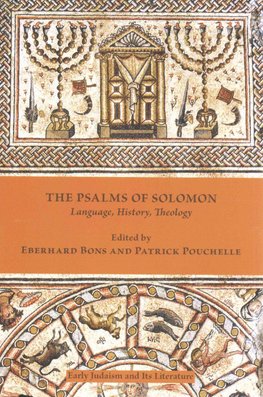
Ένας νέος συλλογικός τόμος για τους Ψαλμούς του Σολομώντος / A new collective volume on the Psalms of Solomon

The Psalms of Solomon cover imageΕυχαριστώ τον συνάδελφο καθ. του Παν/μίου του Στρασβούργου Eberhard Bons για την παρακάτω είδηση. 
Κυκλοφόρησε από την Society of Biblical Literature ένας νέος συλλογικός τόμος με τις εισηγήσεις που διαβάστηκαν στην πρώτη διεθνή συνάντηση για τους Ψαλμούς του Σολομώντα: 

Eberhard Bons and Patrick Pouchelle (eds.), The Psalms of Solomon: Language, History, Theology, (Early Judaism and Its Literature 40), SBL 2015
240 p.
$34.95 (pb) / $49.95 (hb)
ISBN: 9781628370423 /  9781628370447

Στο τρέχον τεύχος του JJS / In the current issue of JJS

Journal of Jewish Studies 66:1 (2015)

  • Søren Lund Sørensen, "Identifying the Jewish Eupolemoi: an onomastic approach," 24-35 (abstract)
  • Ishay Rosen-Zvi, "The Mishnaic mental revolution: a reassessment," 36-58 (abstract)
  • Barak S. Cohen, "In quest of Babylonian Tannaitic traditions II: the case of Avuha de-Shmuel," 59-78 (abstract)
  • Uri Mor, "The verbal noun of the qal stem in Rabbinic Hebrew traditions and qĕṭēlâ/qĕṭîlâ alternations," 79-96 (abstract)
  • Julia Schwartzmann, "From mystical visions to gender equality aspirations: a hermeneutical journey of two biblical verses," 138-156 (abstract)

Το τρέχον τεύχος του SJOT / The current issue of SJOT

Scandinavian Journal of the Old Testament 29:1 (2015)

  • John Van Seters, "The Tent of Meeting in the Yahwist and the Origin of the Synagogue," 1-10 (abstract)
  • John Strange, "Solomon and His Empire: Fact or Fiction?," 11-21 (abstract)
  • Niels Peter Lemche, "When the End is the Beginning: Creating a National History: For Michael Niemann," 22-32 (abstract)
  • Sigmund A. Wagner-Tsukamoto, "The Genesis of Economic Cooperation in the Stories of Joseph: A Constitutional and Institutional Economic Reconstruction," 33-54 (abstract)
  • Amanda Norsker, "Genesis 6,5-9,17: A Rewritten Babylonian Flood Myth," 55-62 (abstract)
  • Charles E. Baukal Jr., "Hydrotechnics on Mount Carmel," 63-79 (abstract)
  • Nissim Amzallag, "The Material Nature of the Radiance of YHWH and its Theological Implications," 80-96 (abstract)
  • Bernard Gosse, "Le “serviteur” et “élu” d’Is 42,1 et ses disciples en Is 54,17ss," 97-109 (abstract)
  • Łukasz Niesiołowski-Spanò, "Food or Drink? Pork or Wine? The Philistines and their “Ethnic” Markers," 110-116 (abstract
  • Dominic Zappia, "Demythologizing the Satan Tradition of Historical-Criticism: A Reevaluation of the Old Testament Portrait of שָׂטָן in Light of the Old Testament Pseudepigrapha," 117-134 (abstract)
  • Fredrik Lindström, "“I am God and Not Human” (Hos 11,9): Can Divine Compassion Overcome our Anthropomorphisms?," 135-151 (abstract)


Biblicum Jassyense: Romanian Journal for Biblical Philology and Hermeneutics

Ένα ακόμη βιβλικό περιοδικό, το οποίο διατίθεται στο διαδίκτυο. Πρόκειται για το Biblicum Jassyense: Romanian Journal for Biblical Philology and Hermeneutics, το οποίο εκδίδεται από τη Θεολογική Σχολή του Πανεπιστημίου “Alexandru Ioan Cuza” του Ιασίου. 
Ετήσιο και με κριτές, δημοσιεύει τα κύρια άρθρα του κυρίως στα αγγλικά και γαλλικά. Ήδη διατίθενται σε μορφή pdf οι τέσσερις πρώτοι τόμοι (2010-2013)


Πέμπτη 14 Μαΐου 2015

Στο τρέχον τεύχος του ThZ / In the current issue of ThZ

Theologische Zeitschift 70:4 (2014)

  • Edgar Kellenberger, "Jesus berührt das Unreine. Zum spezifischen Heilswirken des Juden Jesus," 273-289 (Abstract)
  • Torben Plitt, "«Ist nicht das Kürzere, das Schmucklose, gewöhnlich das Frühere». Zur Begründung des Gesetzes vom Wachstum der mündlichen Jesusüberlieferung bei Johann Gottfried Herder (1744-1803)," 290-309 (Abstract)

Το τρέχον τεύχος του VT / The current issue of VT

Vetus Testamentum 65:2 (2015)

  • Simeon Chavel, "A Kingdom of Priests and its Earthen Altars in Exodus 19-24," 169-222 (abstract)
  • Stuart A. Irvine, "A Note on the Translation and Meaning of Hosea 13:9," 223-229 (abstract)
  • Yosef Ofer, "Acrostic Signatures in Masoretic Notes," 230-246 (abstract)
  • Susanne Rudnig-Zelt, "JHWH und Ræšæp – Zu JHWHs Umgang mit einem syrischen Pestgott," 247-264 (abstract)
  • Bernd Ulrich Schipper, "Raamses, Pithom, and the Exodus: A Critical Evaluation of Ex 1:11," 265-288 (abstract)
  • Matthew Seufert, "Zechariah 5:5-11: Why an ephah?," 289-296 (abstract)
  • W. Derek Suderman, "The Vocative Lamed and Shifting Address in the Psalms: Reevaluating Dahood’s Proposal," 297-312 (abstract)
  • Takamitsu Muraoka, "Textual Criticism and Nationalist Sentiments," 313-315 (abstract)


Το τρέχον τεύχος του JSNT / The current issue of JSNT

Journal for Study of the New Testament 37:4 (2015)

  • Stephen C. Barton, "Why Do Things Move People? The Jerusalem Temple as Emotional Repository," 351-380 (abstract)
  • Elizabeth E. Shively, "What Type of Resistance? How Apocalyptic Discourse Functions as Social Discourse in Mark’s Gospel," 381-406 (abstract)
  • Timothy W. Reardon, "‘Hanging on a Tree’: Deuteronomy 21.22-23 and the Rhetoric of Jesus’ Crucifixion in Acts 5.12-42," 407-431 (abstract)
  • Robert Morgan, "C.K. Barrett and New Testament Theology," 432-457 (abstract)
  • Matthew D. Jensen, "Noah, the Eighth Proclaimer of Righteousness: Understanding 2 Peter 2.5 in Light of Genesis 4.26," 458-469 (abstract)

Σάββατο 9 Μαΐου 2015

Διεθνές συνέδριο για την παρουσία των πρώτων χριστιανών στις αρχαίες πόλεις / International conference on Christian presence in ancient cities

temple-of-athena-nike-2010To Centre for the Social-Scientific Study of the Bible (CSSSB) του Πανεπιστημίου St. Mary Twickenham London διοργανώνει διεθνές διεπιστημονικό συνέδριο με θέμα την παρουσία των πρώτων χριστιανών στις πόλεις του ελληνορωμαϊκού κόσμου:

Cities of God? An Interdisciplinary Assessment of Early Christian Engagement with the Ancient Urban Environment(s)

22-23 Μαΐου 2015

Μεταξύ των ομιλητών θα είναι οι :
  • P. Trebilco, University of Otago, New Zealand
  • Prof David Gill, University Campus Suffolk
  • Prof Eddie Adams, King’s College London
  • Prof David Horrell, University of Exeter
  • Dr Ian Paul, University of Nottingham
  • Dr Jutta Leonhardt-Balzer, University of Aberdeen
  • Dr Anders Runesson, McMaster University, Canada
  • Dr Anthony Le Donne, United Theological Seminary, Dayton, OH, USA
  • Prof Chris Keith, St Mary’s University
  • Prof Steve Walton, St Mary’s University and Tyndale House, Cambridge
  • Dr Matthew Sleeman, Oak Hill College, London
  • Prof Paul Cloke, University of Exeter
  • Dr Volker Rabens, Friedrich-Schiller-Universität, Jena
Για το πρόγραμμα και περισσότερες πληροφορίες πατήστε εδώ.

Δύο άρθρα βιβλικού ενδιαφέροντος στο τρέχον τεύχος του HTS / Two articles of biblical interest in the current issue of HTS

Hervomde teologiese studies 71:1 (2015)

Η συνάντηση του Biblicum για το μήνα Μάιο / Τhe meeting of Biblicum in May

Η συνάντηση του Βiblicum του Τμήματος Θεολογίας ΑΠΘ θα γίνει την Δευτέρα 11.5.2015 και ώρα 19.30 στην αίθουσα συνεδριάσεων της Θεολογικής Σχολής. 
Εισηγήτρια θα είναι η δρ. Θεολογίας κ. Ευανθία Αδαμτζίλογλου με θέμα:

"Η βιβλική σοφιολογία στην προς Ρωμαίους επιστολή ως παράδειγμα οικουμενικού ανοίγματος" 

Στο τρέχον τεύχος του JTI / In the current issue of JTI

Journal of Theological Interpretation 9:1 (2015)

  • Jason A. Fout, "What Do I Fear When I Fear My God? A Theological Reexamination of a Biblical Theme," 23-38
  • R. W. L. Moberly, "Bible and Church, Bultmann and Augustine: A Response to David Congdon," 39-48
  • Nicholas P. Lunn, "Prophetic Representations of the Divine Presence: The Theological Interpretation of the Elijah-Elisha Cycles," 49-64
  • Joshua E. Leim, "Worshiping the Father, Worshiping the Son: Cultic Language and the Identity of God in the Gospel of Matthew," 65-84
  • William Glass, "The Treasures of Wisdom and Knowledge: The Role of Esthetics in Ancient and Modern Interpretations of Paul," 85-100
  • Rebekah Eklund, "'To Us, the Word': The Double-λόγος of Hebrews 4:12–13," 101-116
  • Wil Rogan, "Toward a Christian New Testament Theology: A Response to Thomas Hatina," 117-126
  • Darian R. Lockett, "Not Whether, but What Kind of Canonical Approach: A Review Essay," 127-136
  • Peter H. Davids, "What Reading Is Truly Canonical? A Brief Response," 137-148
  • Robert W. Wall and David R. Nienhuis, "On Reading Canonical Collections: A Response," 149

Διεθνές Συνέδριο "Θρησκείες - Θεσμοί - Πολιτισμοί μέσα στο έργο του αποστόλου Παύλου" / International Conference "Religions - Institutions - Cultures in the work of the Apostle Paul"

Το Τμήμα Ποιμαντικής και Κοινωνικής Θεολογίας, με πρωτοβουλία του Κέντρου Αποστόλου Παύλου του Τμήματος και μέσα στο πλαίσιο των δραστηριοτήτων του Κέντρου για την προώθηση και καλλιέργεια των Παύλειων σπουδών, διοργανώνει το δεύτερο διεθνές επιστημονικό του συνέδριο με θέμα:

«ΘΡΗΣΚΕΙΕΣ, ΘΕΣΜΟΙ, ΠΟΛΙΤΙΣΜΟΙ ΜΕΣΑ ΣΤΟ ΕΡΓΟ ΤΟΥ ΑΠΟΣΤΟΛΟΥ
ΠΑΥΛΟΥ. ΣΥΝΑΝΤΗΣΗ ΚΑΙ ΥΠΕΡΒΑΣΗ ΕΝ ΧΡΙΣΤΩι»

Το συνέδριο θα διεξαχθεί την Τρίτη 12 Μαΐου και την Τετάρτη 13 Μαϊου 2015 στη Θεολογική Σχολή του Α.Π.Θ. Η εναρκτήρια συνεδρία θα γίνει στην αίθουσα τελετών της Ι. Μ. Θεσσαλονίκης (Βογατσικού 7).

Για να διαβάσετε το πρόγραμμα πατήστε εδώ.

RBL 7.5.2015

Markus Bockmuehl and Guy G. Stroumsa, eds., Paradise in Antiquity: Jewish and Christian Views
Reviewed by Pieter G. R. de Villiers

Tony Burke, ed., Ancient Gospel or Modern Forgery?: The Secret Gospel of Mark in Debate: Proceedings from the 2011 York University Christian Apocrypha Symposium
Reviewed by James F. McGrath

Andrew R. Davis, Tel Dan in Its Northern Cultic Context
Reviewed by Bob Becking
Reviewed by Aren M. Maeir

Stephen Finlan, The Family Metaphor in Jesus’ Teaching: Gospel Imagery and Application
Reviewed by Joanna Dewey

Kai Kaniuth, Anne Löhnert, Jared L. Miller, Adelheid Otto, Michael Roaf, and Walther Sallaberger, eds., Tempel im Alten Orient
Reviewed by Jeffrey L. Morrow

Emma Loosley, The Architecture and Liturgy of the Bema in Fourth- to-Sixth-Century Syrian Churches
Reviewed by Robert Morehouse

Elvira Martín Contreras and Guadalupe Seijas de los Ríos-Zarzosa, Masora: La transmisión de la tradición de la Biblia Hebrea
Reviewed by Amparo Alba Cecilia

Halvor Moxnes, Jesus and the Rise of Nationalism: A New Quest for the Nineteenth Century Historical Jesus
Reviewed by Craig A. Evans

Pheme Perkins, First Corinthians
Reviewed by H. H. Drake Williams III

Δευτέρα 4 Μαΐου 2015

Το τρέχον τεύχος του Sacra scripta / The current issue of Sacra Scripta

Sacra Scripta 12:1 (2014)

Mihai Handaric, "Zechariah 9,9-19 in the OT and Early Judaism," 7-42
The scholars accept that the second part of Zechariah, known also as the Deutero-Zecharia (chapters 9-14), creates some of the most difficult problems concerning its literary structure, authorship, historical setting and its relationship with Proto-Zechariah (chapters 1-8). The passage from Zechariah 9,9-10 is one of these texts intensely debated by theologians. This paper intended to show that Zechariah 9,9-10 may have been circulated as an independent unit before being introduced in the book of Zechariah. Comparing this text with other similar biblical passages, it was supported that the text circulated in the form of a special oracle vision. Based on the internal evidences, it was suggested that Zechariah 9,9-10 could be composed during the time of Josiah's reign, a Davidic king, who represented the hope for Judah. Even though the sudden death of Iosiah cut down the hope of his generation, it was considered that the passage could circulate as a motif of hope for the next generations. The passage could have been introduced into Deutero-Zechariah, some time at the end of the sixth century, after the year 520 BC, when the prophet Zechariah's wrote his book. It was argued that Zechariah could write Deutero-Zechariah, some time later than Proto-Zechariah, in a different context. The paper presents the work of Yahweh and his coming king. It is underlined the moral character of the king, described as being צדיק saddiq – righteous. Looking to the context, we understand, that the same moral character of the king was expected also from the community to which the king is coming. As far as the reception of Zechariah 9,9-10 in Judaism and in LXX, we observed a variant reading of Zechariah 9,10, between the Masoretic text and Septuagint, which could support an identification of Yahweh with the coming king. The New Testament identified the king with Jesus Christ entering triumphantly in Jerusalem.

Hans Klein, "Paulus als Verkündiger, Apostel und Lehrer in den Pastoralbriefen," 43-64
Die Pastoralbriefe sind durch und durch lehrhaft geprägt. Die Vermittlung der „gesunden Lehre“ ist ihr Hauptanliegen. Dennoch wird Paulus auch als Verkündiger und Apostel gekennzeichnet. Die beiden werden zusammen gesehen und kennzeichnen Paulus in seiner Verkündigung, die er in überlieferten Texten der Gemeinde einschärft und seiner Autorität, die ihm Leiden einbringt. Als Lehrer bedient sich der Autor auch traditioneller jüngerer Texte, die er mit einer Bekräftigungsformel abschließt und so einzuschärfen anweist. Er kann aber auch mit Elementen der Tradition souverän umgehen. Die „gesunde Lehre“ dient dem Heil aller Glaubenden.

Valeriy Alikin, "'Come Lord Jesus!' The Eschatological Character of the Early Christian Communities," 64-76
The earliest Christians lived in expectation of the parousia and this influenced the character of their communal gatherings. This eschatological character of their gatherings was expressed in the intense expectation of the eschaton and an orientation toward the future rather than the past and present. The eschatology of the earliest Christians was expounded in various activities that took place during the early Christian gatherings. The eucharistic and other types of communal prayers that were pronounced during and after the communal meal were filled with words that expressed future coming of Jesus Christ and establishment of God’s Kingdom. Early Christians also read texts which looked toward the Second Coming of Jesus Christ, the resurrection, and the final fate of all people. Extant texts of early Christian sermons also contained eschatological appeals. As for early Christian singing, the texts of songs do not contain clear eschatological material; however some of them have eschatological motifs. During their assemblies, early Christians also expressed eschatologically-oriented liturgical exclamations. Thus, on the basis of the extant early Christian texts that were heard in their gatherings and described their content, one can conclude that those gatherings clearly had an eschatological character in the first and second centuries.

Romeo Popa, "Das Blut Jesus und 'das ganze Volk'. Mt 27,24-25 in narrativen Rahmen der Matthäischen Konfliktgeschichte,"  87-119 
Die vorliegende Studie nimmt sich vor, Mt 27,24-25 erneut zur Debatte zu stellen. Um die s.g. ‚Selbstverfluchung‘ des Volkes vor dem Richterstuhl des Pilatus einzuordnen, kommt man weder ausschließlich durch punktuelle Begriffsuntersuchungen, noch durch theologische oder historische Betrachtungen voran. Erst eine narrative Analyse der gesamten Konfliktgeschichte schafft den passenden Rahmen, um das Verhältnis ὄχλος / λαός im Sinne der matthäischen Konzeption zu bestimmen. Die Volksmenge erweist sich bei näherer Betrachtung als die treibende Kraft des narrativen Konflikts zwischen Jesus und den jüdischen Autoritäten. Sie unterscheidet sich von den letzten in Bezug auf wichtige Konfliktthemen und entdeckt allmählich bei Jesus die ihr entsprechende christologische Dimension – die Davidssohnschaft. Die Gegner Jesu versuchen aber ständig, das Volk von diesem Kurs abzubringen, und es für die eigenen Ziele zu instrumentalisieren; zu dieser Strategie gehört auch die Tötung Jesu. Matthäus bemüht sich, sowohl das Volk und die führenden Kräfte als auch die Landesbevölkerung und die Bewohner Jerusalems durch redaktionelle Arbeit voneinander zu halten. Von diesem erzählerischen Entwurf her muss auch Mt 27,24-25 gelesen werden. Die gezielten Querbezüge legen eher eine narrative Verbindung der Pilatus-Szene mit der Kindheitserzählung nahe, die zusammen einen großen Bogen über die ganze Konfliktgeschichte spannen.

Σεμινάριο για τη λογοτεχνία και τον πολιτισμό της αρχαίας Μεσογείου / Seminar on Literature and Culture in the Ancient Mediterranean

Advanced Seminar in the Humanities 2015– 2016

Literature and Culture in the Ancient Mediterranean: Greece, Rome, and the Near East

From November 23 to December 4, 2015 Università Ca’ Foscari Venezia, in cooperation with Venice International University, will offer an advanced seminar on “Literature and Culture in the Ancient Mediterranean: Greece, Rome and the Near East”.

The Program
The program is conceived as a two year commitment over two successive years (2015 and 2016). The first session (November 23 – December 4, 2015) will consist of lectures by scholars with a seminar approach on the origins and development of literary genres and literacy in Ancient Greece, Rome and the Near East. Some of the lectures will run simultaneously and will be devoted respectively to the interpretation of specific classical and near eastern texts, with more focus on textual analysis. Two or three evening lectures by special guests are also under consideration.
The lectures will alternate with a series of site visits, for example, to the Marciana Library, the Library of San Lazzaro degli Armeni, and the Basilica of San Marco.
The aim of the program is firstly to investigate the relationship between themes, motifs and structures of the texts and/or of the myths involved, starting with the early examples of epic poetry and of wisdom and didactic literature; secondly, to examine the processes involved in their transmission and preservation in both oral and written forms. A variety of issues concerning the history of literate cultures will also be reviewed, such as, for example, the textual traditions, the creation and organization of libraries, the classification of genres, and the relationship between literature and politics, and between literature and religion.
During the first session the fellows will identify a research project according to their own scholarly interests and under the supervision of one of the faculty. The research project will be presented in the form of an essay of about 20 pages in the second session of the seminar, which will run between September and October 2016 (an eight day slot, still to be determined).

The second session will also host a number of lectures by invited speakers. The invited speakers in the last session of the seminar were Antoine Cavigneaux (Université de Genève), Marco Fantuzzi (Università di Macerata/Columbia University), Mark Geller (Freie Universität Berlin), Johanna Hanink (Brown University), Michele Lowrie (University of Chicago), Douglas Olson (University of Minnesota) and Suzanne Said (Columbia University).

The Faculty
The faculty consists of scholars active in the field of Greek, Latin and Ancient Near Eastern literature, including: Alessandro Barchiesi (Università di Siena - Stanford University); Ettore Cingano (Università Ca’ Foscari Venezia); Joy Connolly (New York University); Richard Hunter (Trinity College, Cambridge); Lucio Milano (Università Ca’ Foscari Venezia); Dirk Obbink (Christ Church, Oxford); Alessandro Schiesaro (Università di Roma La Sapienza); David Sider (New York University); Antoine Cavigneaux (Université de Genève); Yoram Cohen (Tel Aviv University), Rocio Da Riva (Universitat de Barcelona) and Dina Katz (Nederlands Instituut voor het Nabije Oosten).

Pre-requisites
Good knowledge of Greek and Latin, and/or of some of the ancient Near Eastern languages, is expected. Lectures will be in English. Good knowledge of spoken and written English is also a prerequisite.

Where?
The lectures will take place at Venice International University, on the Island of San Servolo, in Venice (Italy).
Fellows and faculty will arrive on Sunday, November 22; they will be hosted in the residential halls on the island of San Servolo. Fellows will share twin rooms with ensuite bathroom or 3-bed rooms with 2 ensuite bathrooms.
Lunch and dinner are served at the cafeteria on the Island of San Servolo.
The program will cover room and board for the fellows accepted.

Who is it for?
The program is open to 20 fellows who will be either in an advanced stage of doctoral research, or recently completed Ph.D.s. The candidates will be selected by a committee whose decision will be final.
Day of arrival: Sunday, November 22 (or Saturday, November 21)
Day of departure: Saturday, December 5
Application deadline: Monday, June 15

Conveners:
Ettore Cingano, professor of Greek Literature, Università Ca' Foscari Venezia
Lucio Milano, professor of History of the Ancient Near East, Università Ca' Foscari Venezia

Application forms are available on-line at http://www.univiu.org/other-programs/humanities-seminar.
The completed form together with the requested documents should be sent by e-mail, fax or regular mail to Venice International University (see address below) and must reach our offices no later than Monday, June 15, 2015.

For information, please contact:
Ms. Silvia Casalini
E-mail: classics@univiu.org

Venice International University
Ref: Literature and Culture in the Ancient Mediterranean: Greece, Rome and the Near East
Isola di San Servolo
30100 Venezia - Italy

Tel. +39 041 2719 581 / +39 041 2719 511
Fax +39 041 2719 510

Το βυζαντινό κείμενο του κατά Ιωάννην ευαγγελίου / The Byzantine text of John's Gospel

Για όσους ενδιαφέρονται για την ιστορία του κειμένου η ιστοσελίδα για το βυζαντινό, λατινικό και κοπτικό κείμενο του κατά Ιωάννην του International Greek New Testament Project (IGNTP) είναι ένα ιστοτόπος που αξίζει να επισκεφτούν. Ήδη ηλεκτρονικά διατίθεται η δεύτερη έκδοση του κριτικού κειμένου (2014), ενώ το κείμενο κυκλοφορεί από τις Ηνωμένες Βιβλικές Εταιρίες και σε έντυπη μορφή:


Aυτή τη στιγμή τρέχει επίσης ένα πρόγραμμα μεταγραφής του κειμένου των παύλειων επιστολών, το οποίο αναμένεται να ολοκληρωθεί το 2031:

Κυριακή 3 Μαΐου 2015

Το τρέχον τεύχος του EC / The current issue of EC

Early Christianity 6:1 (2015)

  • David B. Capes, "Introduction: A Centenary Celebration of Bousset's Kyrios Christos," 3-4
  • Cilliers Breytenbach, "Bousset's Kyrios Christos: Imperfections of a Benchmark," 5-16 (abstract)
  • Larry W. Hurtado, "Wilhelm Bousset's Kyrios Christos: An Appreciative and Critical Assessment," 17-29 (abstract)
  • Kelley Coblentz Bautch, "Kyrios Christos in Light of Twenty-First Century Perspectives on Second Temple Judaism," 30-50 (abstract)
  • Lutz Doering, "Wilhelm Bousset's Die Religion des Judentums im neutestamentlichen Zeitalter," 51-66 (abstract)
  • Robert Matthew Calhoun, "The Power of the Call: Wilhelm Bousset on Miracle, and Mark 1:16–20," 67-88 (abstract)
  • Richard Bauckham - Stefano De Luca, "Magdala As We Know It," 91-118 


Στο τρέχον τεύχος του JSQ / In the current issue of JSQ

Jewish Studies Quarterly 22:1 (2015)

  • Eran Viezel, " Context, Harmonization, and the Uniqueness of the Commentaries to the Book of Chronicles," 1-35
  • Yael Wilfand, "From the School of Shammai to Rabbi Yehuda the Patriarch's Student: The Evolution of the Poor Man's Tithe," 36-61

Στο τρέχον τεύχος του JETS / In the current issue of JETS

Journal of the Evangelical Theological Society 58:1 (2015)

  • Gregory Goswell, "Having the Last Say: The End of the OT," 15-30
  • Terrance R. Wardlaw Jr., "Shaddai, Providence, and the Narrative Structure of  Ruth," 31-42
  • Brian J. Tabb, "Salvation, Spreading, and Suffering: God's Unfolding Plan in Luke-Acts," 43-62
  • Ben Witherington III, "'Almost Thou  Persuadest  Me...': The Importance of  Greco-Roman Rhetoric for the Understanding of the Text and Context of  the NT," 63-88

Σάββατο 2 Μαΐου 2015

Μηχανή εύρεσης ψηφιοποιημένων χειρογράφων στο διαδίκτυο / Search engine for digitized manuscripts online

Στην ιστοσελίδα του Princeton University δίνεται η δυνατότητα αναζήτησης των ψηφιοποιημένων χειρογράφων που διατίθενται ήδη στο διαδίκτυο:

Ένα άρθρο βιβλικού ενδιαφέροντος στο τρέχον τεύχος του HTS / An article of biblical interest in the current issue of HTS

Hervomde teologiese studies 71:2 (2015)

Gert Breed, "Finding guidelines on social change in the two-tiered narrative and diakonia in the Gospel of John"

RBL 1.5.2015

Francis Borchardt, The Torah in 1Maccabees: A Literary Critical Approach to the Text
Reviewed by Thomas Hieke

Cilliers Breytenbach and Jörg Frey, eds., Reflections on the Early Christian History of Religion—Erwägungen zur frühchristlichen Religionsgeschichte
Reviewed by Thomas J. Kraus

Walter Dietrich, Die Samuelbücher im deuteronomistischen Geschichtswerk: Studien zu den Geschichtsüberlieferungen des Alten Testaments II
Reviewed by Mark W. Hamilton

James D. G. Dunn, The Oral Gospel Tradition
Reviewed by David B. Sloan

Paul S. Evans and Tyler F. Williams, eds., Chronicling the Chronicler: The Book of Chronicles and Early Second Temple Historiography
Reviewed by Michael D. Matlock

Katharina Galor and Hanswulf Bloedhorn, The Archaeology of Jerusalem: From the Origins to the Ottomans
Reviewed by Aren M. Maeir

Moshe Garsiel, From Earth to Heaven: A Literary Study of the Eliijah Stories in the Book of Kings
Reviewed by Keith Bodner
Reviewed by David A. Glatt-Gilad

Alison Ruth Gray, Psalm 18 in Words and Pictures: A Reading through Metaphor
Reviewed by Leslie C. Allen

Mignon R. Jacobs and Raymond F. Person Jr., eds., Israelite Prophecy and the Deuteronomistic History: Portrait, Reality, and the Formation of a History
Reviewed by James M. Bos
Reviewed by Thomas Wagner

Ronald Jolliffe, Gertraud Harb, Christoph Heil, Anneliese Felber, and Angelika Magnes, Q11: 39a, 42, 39b, 41, 43-44: Woes against the Pharisees
Reviewed by Peter J. Judge

W. G. Lambert, Babylonian Creation Myths
Reviewed by Michael S. Moore

Daniel C. Matt, trans., The Zohar: Pritzker Edition, Volume 6
Reviewed by Ralph K. Hawkins

Abera M. Mengestu, God as Father in Paul: Kingship Language and Identity Formation in Early Christianity
Reviewed by Inhee C. Berg

Anthony M. Moore, Signs of Salvation: The Theme of Creation in John’s Gospel
Reviewed by Brian J. Tabb

Valérie Nicolet-Anderson, Constructing the Self: Thinking with Paul and Michel Foucault
Reviewed by Chris L. de Wet

Vernon K. Robbins, Who Do People Say I Am? Rewriting Gospel in Emerging Christianity
Reviewed by Michael J. Kok

David S. Vanderhooft and Abraham Winitzer, eds., Literature as Politics, Politics as Literature: Essays on the Ancient Near East in Honor of Peter Machinist
Reviewed by Shawn W. Flynn

Ryan Donald Wettlaufer, No Longer Written: The Use of Conjectural Emendation in the Restoration of the Text of the New Testament, the Epistle of James as a Case Study
Reviewed by Jeff Cate

Παρασκευή 1 Μαΐου 2015

D. Clines: οι ανδρικές παραστάσεις και ιδέες στην Βίβλο / D.Clines: male perceptions and language in the Bible

Μπορείτε να παρακολουθήσετε τη μαγνητοσκοπημένη διάλεξη του καθηγητή David J.A. Clines στο King's College τον Φεβρουάριο 2015 (2015 Ethel M. Wood lecture):

Τα χειρόγραφα της Νεκράς Θάλασσας στο διαδίκτυο / Dead Sea Scrolls Online

Τα κυριότερα χειρόγραφα της Νεκράς Θάλασσας βρίσκονται ψηφιοποιημένα και σε υψηλή ανάλυση στο διαδίκτυο σε ειδική σελίδα του Israel Museum με εισαγωγές κι άλλες πληροφορίες σχετικά με το κάθε χειρόγραφο και την ανακάλυψή τους:

To τρέχον τεύχος του HeBAI / The current issue of HeBAI

Hebrew Bible and Ancient Israel 3:3 (2014)

  • Molly M. Zahn, "Introduction: Perspectives on Editing in the Hebrew Bible and Ancient Judaism," 293-297 
  • Molly M. Zahn, "'Editing' and the Composition of Scripture: The Significance of the Qumran Evidence," 298-316 (abstract)
  • Alexander Rofé, "Writing, Interpolating and Editing: 2 Samuel 24 and 1 Chronicles 21 as a Case Study," 317-326  (abstract)
  • Juha Pakkala, "Textual Development within Paradigms and Paradigm Shifts," 327-342 (abstract)
  • John Van Seters, "Editing the Bible: The Romantic Myths about Authors and Editors," 343-354 (abstract)

Στο τρέχον τεύχος The Bible Translator / In the current The Bible Translator

The Bible Translator 66:1 (2015)

  • Marlon Winedt, "Translation as Performance and Engagement: Performing Philemon from a Modern Caribbean Perspective," 3-23 (abstract)
  • Simon Wong, "Bible Translation of Non-Mandarin Han Fangyan (Dialects) in Mainland China: The Case of Swatow," 24-44 (abstract)
  • Yu Suee Yan, "Translating Job 42.6—A Modest Proposal," 45-55 (abstract)
  • Adrian Schenker, "Translation and Textual Criticism: The Case of Two Competing Readings, Both of Which Make Good Sense," 56-60 (abstract)
  • Paul J. N. Lawrence and Peter Schmidt, "Mĕkōnôt, Models, and Mathematics: 1 Kings 7.27-37," 61-72 (abstract)
  • David H. Wenkel, "Lexicography to the Aid of a Problematic Pastoral Proverb: With What Should Christians Be Content in 1 Timothy 6.8?," 73-90 (abstract)
  • Andrew Bowden, "Translating Ἀσθενέω in James 5 in Light of the Prophetic LXX," 91-105 (abstract)
  • Ross Cole, "Food and Wine as Seductress to Doom, Even If the Sleeping Is with One’s Own Wife! A Translation Note on 2 Sam 11.8b," 106-110 (abstract)

Ένα άρθρο βιβλικού περιεχομένου στο τρέχον In die Skriflig / In Luce Verbi / An article of biblical interest in the current issue of In die Skriflig / In Luce Verbi

 In die Skriflig / In Luce Verbi 49:1 (2015)

Jacob J. Scholtz, "Matthew 13 and the feasts of the LORD"

Τρίτη 28 Απριλίου 2015

Στο τρέχον τεύχος του HTR / In the current issue of HTR

Harvard Theological Review 108:2 (2015)

  • Bradley C. Gregory, "Pride and Sin in Sirach 10:13 (15): A Study in the Interdependence of Text and Tradition," 213-234 (abstract)
  • John B. Whitley, "The Literary Expansion of Ezekiel's “Two Sticks” Sign Act (Ezekiel 37:15–28)," 307-324 (abstract)

To φίδι στον κήπο της Εδέμ / The snake in the Garden of Eden

Στην ιστοσελίδα The Bible and Interpretation δημοσιεύεται το σύντομο του ομότιμου καθηγητή της Παλαιάς Διαθήκης John Day (Oxford University), σχετικά με την αρχική σημασία του φιδιού στην ιστορία στον κήπο στην Εδέμ. Η ταύτισή του με τον διάβολο είναι μεταγενέστερη και για αυτό έχουν διατυπωθεί διάφορες θεωρίες, τις οποίες παρουσιάζει κριτικά ο συγγραφέας και στο τέλος προτείνει τη δική του εκδοχή:

Δευτέρα 27 Απριλίου 2015

Ένα άρθρο βιβλικού ενδιαφέροντος στο τρέχον τεύχος του In die Skriflig / An article of biblical interest in the current issue of In die Skriflig

In die Skriflig / In luce verbi 49:2 (2015)

Martin H. Pohlmann, "Embracing a vision of the New Jerusalem (Rv 21:1−22:5) to impact on life and society"

Συνέδριο για τον Κανόνα και την αυθεντία του / Conference on the Canon and its authority

Η σημασία του κανόνα και ο ρόλος της αυθεντίας ο οποίος προσδίδεται στα βιβλία που περιέχονται σε αυτόν αποτελεί το θέμα του διεθνούς συνεδρίου που θα λάβει χώρα στο Πανεπιστήμιο του Εδιμβούργου στις 6 Μαΐου 2015. Οι εισηγητές θα προσεγγίσουν θέματα όπως ποιες είναι οι συνέπειες της κανονικοποίησης συγκεκριμένων βιβλίων για την πίστη και την ηθική των ομάδων που αποδέχονται τον κανόνα ή κατά πόσο και με ποιο τρόπο η αποδοχή της αγιότητας αυτών των βιβλίων υπαγορεύει την χρήση και την παράχρησή τους.

6 May 2015
University of Edinburgh - New College

Πρόγραμμα / Schedule
9.00-9.15         Welcome
9.15-10.00 John Collins (Yale University), “Uses of Torah in the Second Temple Period”
10.00-10.45 Michael Satlow (Brown University), "Bad Prophecies"

10.45-11.00 Coffee
11.00-11.45 Manfred Oeming (Universität Heidelberg), “The Way of God: Ethics and Ritual as                               Birthplaces of Canonicity”
11.45-12.30 Timothy Lim (University of Edinburgh), “The Insufficiency of Divine Inspiration”

12.30-13.30 Lunch

14.00-14.45 John Barton (University of Oxford), “How far does the content of canonical texts                                 matter?
14.45-15.30 Walter Moberly (University of Durham), “Canonicity and religious truth: What role,                           if any, should a traditional canon play today?”
15.30-1615 Craig Evans (Acadia Divinity School), “Jesus and the Beginnings of the Christian                               Canon of Scripture”

16.15-17.00 Tea

17.00-17.45 Shaye Cohen (Harvard University), “Some Reflections on the Canon”
17.45-18.00 Closing Remarks

Το τρέχον τεύχος του ZAW / The current issue of ZAW

Zeitschrift für die alttestamentliche Wissenschaft 127:1 (2015)

  • Paul Michael Kurtz, "The Way of War: Wellhausen, Israel, and Bellicose Reiche," 1-19 (abstract)
  • Michaela Bauks, "Erkenntnis und Leben in Gen 2–3 – Zum Wandel eines ursprünglich weisheitlich geprägten Lebensbegriffs," 20-42 (abstract)
  • Gianni Barbiero, "The Structure of Job 3," 43-62 (abstract)
  • Gard Granerød, "The former and the future temple of YHW in Elephantine: a traditio-historical case study of ancient Near Eastern antiquarianism," 63-77 (abstract)
  • Daniel D. Pioske, "Memory and its Materiality: The Case of Early Iron Age Khirbet Qeiyafa and Jerusalem," 78-95 (abstract)
  • Edmond L. Gallagher, "Is the Samaritan Pentateuch a Sectarian Text?," 96-107 (abstract)