Εμφάνιση αναρτήσεων με ετικέτα δουλεία. Εμφάνιση όλων των αναρτήσεων

Δευτέρα 24 Απριλίου 2023

Το τρέχον τεύχος του New Testament Studies / The current issues of New Testament Studies

 New Testament Studies 69/2 (2023)

  • Joel Marcus, "The Enigma of the Antitheses," 121-137 (open access)
  • Brittany E. Wilson, "The Scriptural Shape of God: Divine Anthropomorphisms in Synoptic Perspective," 138-153 (abstract)
  • Marc Rastoin, "La promesse face à la peur: de nouveau Mc 16. 8b," 154-165 (abstract)
  • Lukas Bormann, "Die Zukunft Jerusalems nach Lukasevangelium und Apostelgeschichte," 166-181 (open access)
  • Annalisa Phillips Wilson, "Συνɛίδησις in Paul's Texts and Stoic Self-Perception," 182-194 (abstract)
  • Ruben A. Bühner, "Die paulinische Rede von der Selbstversklavung in 1 Kor 9,19 vor dem Hintergrund jüdischer Identität im Sklavenstand," 195-209 (open access)
  • Grigory Kessel, "A New (Double Palimpsest) Witness to the Old Syriac Gospels (Vat. iber. 4, ff. 1 & 5)," 210-221 (open access)

 Short Study 

  • Rebekah Eklund, "Fury or Folly? ἄνοια in Luke 6.11," 222-229 (abstract)
  • Euntaek D. Shin, "‘I Will Complete a New Covenant’ (Heb 8.8): Christology and New Creation in Hebrews," 230-234 (abstract)

Τετάρτη 7 Σεπτεμβρίου 2022

Το τρέχον τεύχος του Biblical Interpretation / The current issue of Biblical Interpretation

 Biblical Interpretation 30/4 (2022)

  • Jeremy Schipper, "The Blessing of Ham: Genesis 9:1 in Early African American Biblical Scholarship," 399–414 (abstract)
  • David A. Schones, "Texts of Terror: The Bible and Bathroom Bill in Texas," 415–436 (abstract)
  • Katherine E. Southwood, "The “Foreigner” and the Eunuch: The Politics of Belonging in Isaiah 56:1–8,"
  •  437–459
  • Daniel L. Smith-Christopher, "Plowshares: The Career of a Biblical Allusion in The New York Times, 1940–1990," 460–485 (abstract
  • Richard Anthony Purcell, "Playing the Man in the Book of Ruth: Reshaping the Masculine Ideal," 486–508 (abstract
  • Laura Nasrallah, "Christemporos: Christ and the Market in Early Christian Texts," 509–537 (abstract)

Τετάρτη 15 Δεκεμβρίου 2021

Το τρέχον τεύχος του Currents in Biblical Research / The current issue of Currents in Biblical Research

 Currents in Biblical Research 20/1 (2021)

  • Ryan Kristopher Giffin, "The Justification Clause of Philippians 3.12: Past and Current Appraisals of a Striking Variant Reading," 8–27 (abstract)
  • Matthew Chalmers, "Samaritans, Biblical Studies, and Ancient Judaism: Recent Trends," 28–64 (abstract)
  • Melanie A. Howard, "Recent Feminist Approaches to Interpreting the New Testament," 65–96 (abstract)
  • Jonathan J. Hatter, "Currents in Biblical Research Slavery and the Enslaved in the Roman World, the Jewish World, and the Synoptic Gospels," 97–127 (abstract)

Τετάρτη 10 Νοεμβρίου 2021

Μια ενδιαφέρουσα αρχαιολογική ανακάλυψη στην Πομπηία / An interesting archaeological find in Pompeii


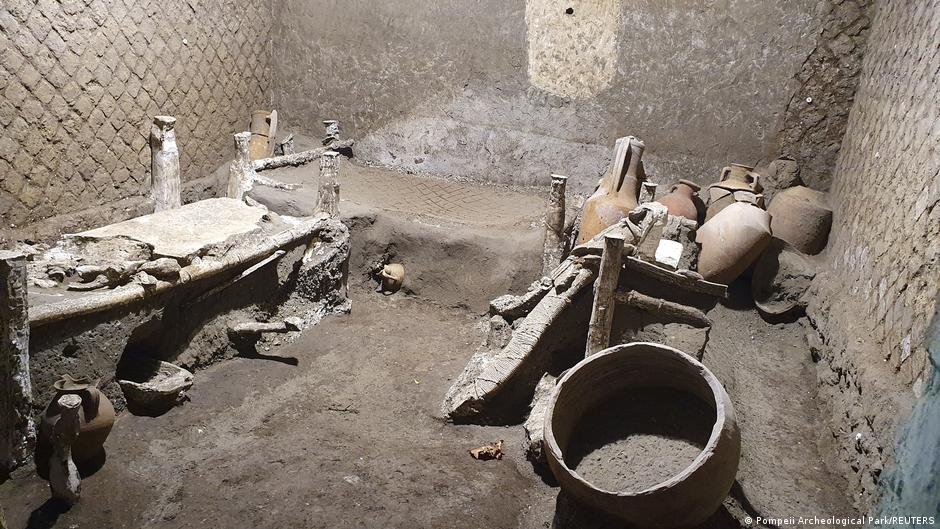
 Η Πομπηία εξακολουθεί να μας εντυπωσιάζει με τα  ευρήματα που έρχονται στο φως κατά τα τελευταία χρόνια. Τα τελευταία ευρήματα προέρχονται από μία βίλλα στην περιοχή Civita Giuliana, βόρεια της Πομπηίας. Ήδη νωρίτερα οι αρχαιολόγοι εντόπισαν έναν στάβλο και τους σκελετούς δύο αλόγων, ένα άρμα καθώς και τους σκελετούς δύο 
ανδρών. Οι πρόσφατες αρχαιολογικές εργασίες έφεραν στο φως ένα δωμάτιο, το οποίο κατά την εκτίμηση των αρχαιολόγων, χρησιμοποιούνταν από μία οικογένεια δούλων. Στο χώρο βρέθηκαν τρεις ξύλινες κλίνες, ένα ξύλινο μπαούλο με διάφορα μεταλλικά αντικείμενα, ένας άξονας άρματος και διάφορα κεραμικά αγγεία. Μολονότι η ταύτιση του δωματίου ως χώρου κατοικίας κάποιων δούλων της οικίας είναι πιθανή, φαίνεται πως το δωμάτιο χρησιμοποιούνταν επίσης ως χώρος αποθήκευσης. Ίσως κάποια άλλα ευρήματα να ενισχύσουν την υπόθεση σύνδεσης του χώρου με τους δούλους της οικίας:

"The Room of the Slaves - The Latest Discovery at Civita Giuliana

Παρασκευή 15 Οκτωβρίου 2021

Η δουλεία στην αρχαία Εγγύς Ανατολή / Slavery in ancient Near East

Στην ιστοσελίδα ANE Today οι Ella Karev (University of Chicago) και Seth Richardson (Journal of Near Eastern Studies) παραθέτουν μία σειρά από ενδιαφέροντα δεδομένα για τη δουλεία στην αρχαία Εγγύς Ανατολή και την συγκρίνουν με ανάλογα φαινόμενα σε νεότερες εποχές:

Rethinking Slavery in the Ancient Near East

Τετάρτη 18 Αυγούστου 2021

Θεατρικές παραστάσεις στα ελληνικά στην Πομπηία / Theatre performances in Greek in Pompeii

H ταφική επιγραφή στο μνημείο του M. Venerius Secundio             
(Φωτο Alfio Giannotti) 

 Ένα νέο αρχαιολογικό εύρημα προσφέρει σημαντικές πληροφορίες για την πολιτιστική και κοινωνική ζωή της αρχαίας Πομπηίας στην εποχή λίγο πριν την καταστροφή της πόλης το 79 μ.Χ. Πρόκειται για ταφικό μνημείο ενός απελεύθερου του Marcus Venerius Secundio που βρέθηκε στη νεκρόπολη της πόλης στη Porta Sarno. Αυτό το μνημείο και οι επιγραφές που βρέθηκαν in situ παρουσιάζουν εξαιρετικό ενδιαφέρον. 

α) Μέσα στο μνημείο βρέθηκαν ο εν μέρει μουμιοποιημένος σκελετός του νεκρού (διασώζεται μέρος των μαλλιών και το ένα αυτί του νεκρού) καθώς και δύο τεφροδόχοι εκ των οποίων η μία περιείχε την τέφρα της Novia Amabilis, ίσως συζύγου του νεκρού. O νεκρός εκτιμάται ότι ήταν 60-70 ετών κατά την ημέρα του θανάτου του. Είναι άξιο προσοχής ότι για τον επώνυμο νεκρό του μνημείου δεν προτιμήθηκε η καύση, ταφική πρακτική συνηθισμένη για τους ενήλικες στο ρωμαϊκό κόσμο.
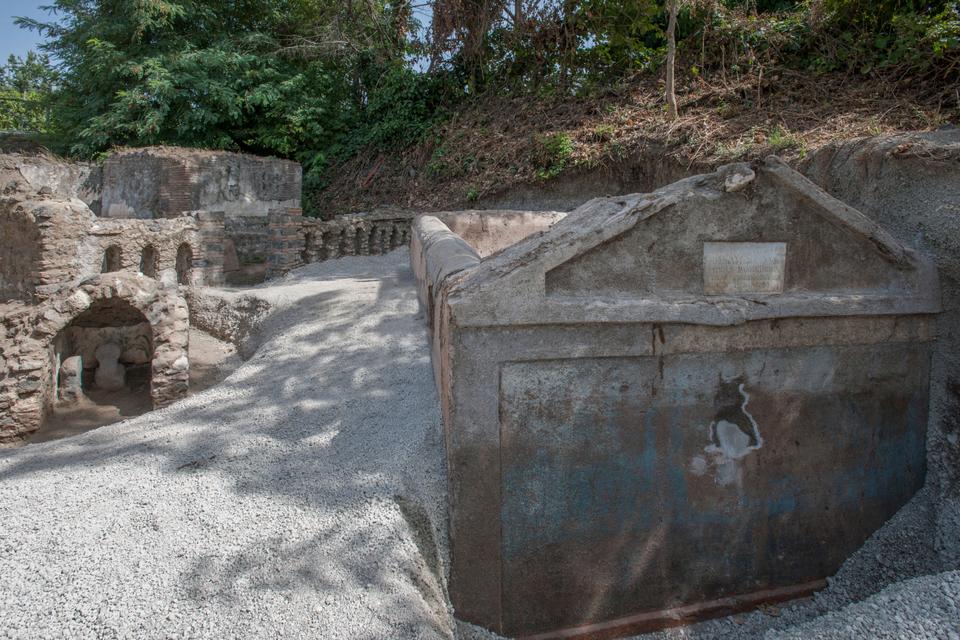
To ταφικό μνημείο (Φωτο: Alfio Giannotti
/Pompeii Archeological Park / AP)

β) Ο νεκρός, Marcus Venerius Secundio, είναι γνωστός κι από μία κηρωμένη πινακίδα που ανήκε σε κάποιον τραπεζίτη και βρέθηκε στην πόλη. Εκεί εμφανίζεται το όνομα του νεκρού, ο οποίος εμφανίζεται ως δημόσιος δούλος και επιστάτης στο ναό της Αφροδίτης. Στην επιγραφή που βρέθηκε στο νέο μνημείο ο Marcus Venerius Secundio είναι πλέον ελεύθερος και μέλος του collegium augustalium, ενός θρησκευτικού συλλόγου που ήταν υπεύθυνος για την αυτοκρατορική λατρεία (το κτίριο αυτού του συλλόγου βρέθηκε στην πόλη της Πομπηίας). Από αυτά τα στοιχεία αλλά κι από το είδος του μνημείου είναι προφανές ότι ο Secundio κατάφερε να ανελιχθεί κοινωνικά και να αποκτήσει μία τέτοια οικονομική επιφάνεια που του έδινε πλέον τη δυνατότητα να συμμετέχει στη δημόσια ζωή της πόλης. Μία τέτοια κοινωνική κινητικότητα είναι γνωστή κι από άλλα μνημεία του ρωμαϊκού κόσμου κι αποτελεί ένα ενδιαφέρον στοιχείο της κοινωνίας των ελληνορωμαϊκών πόλεων. 

γ) Σύμφωνα με την επιγραφή του μνημείου ο Secundio, ως Augustalis, οργάνωσε επίσης "graeci et latini ludi" διάρκειας τεσσάρων ημερών. Η αναφορά σε ελληνικούς θεατρικούς αγώνες επιβεβαιώνει την πολυπολιτισμικότητα της αρχαίας Πομπηίας και την πολυγλωσσία στην πόλη, μία θεωρία που είχε διατυπωθεί παλαιότερα με βάση κάποιες ενδείξεις. Είναι προφανές από την επιγραφή ότι οι κάτοικοι της πόλης κατανοούσαν τα ελληνικά κι εκτιμούσαν το ελληνικό θέατρο, το οποίο αποτελούσε από ό,τι φαίνεται μέρος της πολιτιστικής ζωής της πόλης. 

Στο διαδίκτυο υπάρχουν αρκετά δημοσιεύματα και φωτογραφίες από τη νέα αρχαιολογική ανακάλυψη. Ενδεικτικά παραθέτω μερικά εδώ:

The tomb of Marcus Venerius Secundio discovered at Porta Sarno with mummified human remains (Pompeiisites.org)

Human remains in tomb are best-preserved ever found in Pompeii (The Guardian)

Archaeologists find skeleton, evidence of Greek in Pompeii (Phys.org)

Unusual Partially Mummified Body Found In Newly Discovered Pompeii Tomb (IFL Science)

Stunningly preserved mummy of slave found in Pompeii graveyard (LiveScience)

Αρχαιολογική ανακάλυψη: Στην Πομπηία ανέβαιναν θεατρικές παραστάσεις στα ελληνικά (KΑΘΗΜΕΡΙΝΗ)

«Η Πομπηία δεν σταματά να εκπλήσσει»: Τάφος σκλάβου που είχε απελευθερωθεί αποκάλυψε εντυπωσιακά διατηρημένα λείψανα (Lifo.gr)

Τετάρτη 2 Ιουνίου 2021

Στο τρέχον τεύχος του Historia / In the current issue of Historia

 Historia 70/2 (2021)

  • Mait Kõiv,  "Why Did the Greeks hate the Tyrants? A Comparative View on Monarchy in Archaic Greece," 134-184 (abstract)
  • Jason D. Porter, "The Apophora and the “Leasing” of Property to Slaves and Manumitted Slaves in Classical Athens," 185-205 (abstract)
  • Jonas Borsch, "Erdbeben im römischen Kleinasien und die Grenzen der Resilienz," 206-241 (abstract)
  • Jeffrey Easton, "Mostly Work and Some Play," 242-266 (abstract)

Σάββατο 20 Μαρτίου 2021

Στο τρέχον τεύχος του VigChr / In the current issue of VigChr

 Vigiliae Christianae 75/2 (2021)

  • Paul F. Bradshaw, "The Ordination Prayers in the So-Called Apostolic Tradition," 119–129 (abstract)
  • Julia Winnebeck, "Slaves and Slavery in the Late Antique and Early Medieval Penitentials," 130–154 (abstract)

Δευτέρα 21 Δεκεμβρίου 2020

Στο τρέχον τεύχος του Journal of Roman Studies / In the current issue of Journal of Roman Studies

 Journal of Roman Studies 110/2020

  • Allison L. C. Emmerson, "Re-examining Roman Death Pollution," 5-27 (abstract)
  • John Weisweiler, "The Heredity of Senatorial Status in the Principate," 29-56 (abstract)
  • Monica Hellström, "Epigraphy and Ambition: Building Inscriptions in the Hinterland of Carthage," 57-90 (abstract)
  • Katharine P. D. Huemoeller, "Freedom in Marriage? Manumission for Marriage in the Roman World," 123-139 (abstract)    


Πέμπτη 17 Δεκεμβρίου 2020

Το τρέχον τεύχος του Biblica / The current issue of Biblica

 Biblica 101/3 (2020)

  • Peter Dubovský, "Usual and Unusual Concluding Formulas in 2 Kings 13-14: A Reconstruction of the Old Greek and its Implication for the Literary History," 321-339 (abstract)
  • Sigrid K. Kjaer, "Root Variation in Tautological Infinitives: The Case of Jeremiah," 340-351 (abstract
  • Ariel Kopilovitz, "Land for the Landless: Assigning Land to Gerim in Ezekiel's Restoration Program," 352-372 (abstract
  • Jerome H.Neyrey, "Rhetoric and the Prologue of John: An Invitation to a New Conversation," 373-387 (abstract)
  • Maria Micheal Felix, "Scribal Habits in John 21: A Codicological and Paratextual Analysis of Some of the Early Greek Manuscripts," 388-410 (abstract)
  • Alexis Bunine, "Quand Félix a-t-il été nommé gouverneur de Judée? À propos d'Ac 24,27," 411-430 (abstract)
  • Janelle Peters, "Slavery and the Gendered Construction of Worship Veils in 1 Corinthians," 431-443 (abstract)

Animadversiones


Δευτέρα 7 Δεκεμβρίου 2020

Το τρέχον τεύχος του Biblical Interpretation / The current issue of Biblical Interpretation

 Biblical Interpretation 28/5 (2020)

  • Julie Faith Parker, "Hardly Happily Ever After: Trafficking of Girls in the Hebrew Bible," 540–556 (abstract)
  • Dong Sung Kim, "Reading with Minor Feelings: Racialized Emotions and Children’s (Non)agency in Judges 10–12," 557–583 (abstract)
  • John W. Martens, "Are Enslaved Children Called to Come to Jesus? Freeborn and Enslaved Children in John Chrysostom’s On Vainglory," 584–607 (abstract)
  • Alice Yafeh-Deigh, "Children, Motherhood, and the Social Death of Childless Women: The Social and Theological Construction of Infertility in the Hebrew Bible and in Cameroon," 608–634 (abstract)
  • Kristine Henriksen Garroway, "Moses’s Slow Speech: Hybrid Identity, Language Acquisition, and the Meaning of Exodus 4:10," 635–657 (abstract)
  • Sharon Betsworth, "The Child Snatched Away: Reading Revelation Through a Childist Lens," 658–676 (abstract)

Σάββατο 5 Δεκεμβρίου 2020

Στο τρέχον τεύχος του Interpretation / In the current issue of Interpretation

 Interpretation 75:1 (2021)

  • Raquel S. Lettsome, "Mary’s Slave Song: The Tensions and Turnarounds of Faithfully Reading Doulē in the Magnificat," 6-18 (abstract)
  • Matthew Elia, "Slave Christologies: Augustine and the Enduring Trouble with the “Form of a Slave” (Phil 2:5–7)," 19-32 (abstract)
  • William B. Sweetser, Jr., "Biblical Interpretation, Race, and Union Presbyterian Seminary," 44-55 (abstract)


Κυριακή 22 Νοεμβρίου 2020

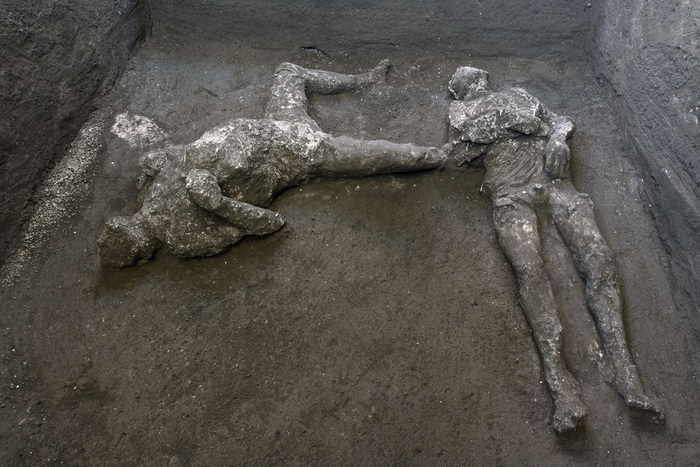
Ένα μακάβριο νέο εύρημα στην Πομπηία / A new macabre finding in Pompeii

Oι δύο νεκροί στη βίλλα της Πομπηίας, δεξιά
η σωρός
του πιθανού δούλου (Φωτο: Ansa)

 Αρχαιολόγοι που εργάζονταν στην ανασκαφή της αρχαίας βίλλα 700 μ. ΒΔ της Πομπηίας έφεραν στο φως ένα μακάβριο εύρημα. Ας σημειωθεί ότι οι ανασκαφές στους στάβλους της οικίας το 2018 εντόπισαν τρία άλογα και μία σέλα. Πριν λίγους μήνες στην ίδια οικία εντοπίστηκε ένα γράφημα με το όνομα Mummia, μάλλον το όνομα του μικρού κοριτσιού της οικογένειας. Το νέο εύρημα είναι εξίσου εντυπωσιακό. Με τη μέθοδο των γύψινων εκμαγείων οι αρχαιολόγοι "ανέστησαν" τις σωρούς δύο κατοίκων της οικίας, οι οποίοι φαίνεται ότι προσπάθησαν να βρουν καταφύγιο στους υπόγειους χώρους της οικίας όπου τους βρήκε η φονική λάβα του Βεζούβιου. Πρόκειται για έναν νεαρό άνδρα, ηλικίας μεταξύ 18 και 23. Με βάση την ενδυμασία του και τους τραυματισμούς και κατάγματα που φέρει οι αρχαιολόγοι εκτιμούν ότι πρόκειται για δούλο. Το δεύτερο θύμα είναι μεγαλύτερο στην ηλικία (30-40 ετών). Κοντά τους βρέθηκαν τα υπολείμματα μίας στοίβας υφασμάτων. Σε κάθε περίπτωση οι αρχαιολόγοι εκτιμούν ότι θα είναι σε θέση να καταλήξουν σε περισσότερα συμπεράσματα για την ταυτότητα των δύο ανδρών, για το πού κατευθύνονταν κτλ. Προς το παρόν εκτιμούν ότι ο θάνατός τους έλαβε χώρα το πρωί της δεύτερης μέρας της έκρηξης του Βεζουβίου (25.10.79 μ.Χ): 

Pompeii gives back whole bodies of two fugitives (ANSA, english edition)

Pompei, nuove scoperte grazie all' antica tecnica dei calchi in gesso (Italian ministry of culture)

Κυριακή 26 Ιανουαρίου 2020

Η σιωπή των σκλάβων / The silence of slaves

The Silencing of Slaves in Early Jewish and Christian Texts: 1st Edition (Hardback) book coverΚυκλοφόρησε από τον εκδοτικό οίκο Routledge η μελέτη του Ronald Charles σχετικά με τους τρόπους που αρχαία ιουδαϊκά και χριστιανικά κείμενα χρησιμοποιούν ή εξαφανίζουν από την αφήγηση τους δούλους με σκοπό να εξυπηρετήσουν τους σκοπούς της αφήγησής τους. Ο συγγραφέας αξιοποιεί τις αρχές της μεταποικιακής θεωρίας και την οπτική της ιστορίας "από κάτω" προκειμένου να εντοπίσει τους δούλους σε αυτά τα κείμενα και να τους επαναφέρει στο κάδρο της αφήγησης. 

Ronald Charles, The Silencing of Slaves in Early Jewish and Christian Texts, Routledge 2019
272 σελίδες

Για τα περιεχόμενα της μελέτης, πατήστε εδώ.

Δευτέρα 6 Ιανουαρίου 2020

Το τρέχον τεύχος του Neot / The Current Issue of Neot

Neotestamentica 53:2 (2019)

  • Editorial: "Mothering Feminism," 227-230
  • Jeremy Punt, "Lilly Nortjé-Meyer’s (En)Gendered New Testament Hermeneutics: Theory, Practice, Engagement," 231-248 (abstract)
  • Yolanda Dreyer, "Remembering the 'Oldest Creed,' Overcoming the Age-Old Anomaly," 249-269 (abstract)
  • Marianne Bjelland Kartzow, "The Ambiguous Neighbour: Female Neighbourhood Networks and the Parable of the Lost Coin," 271-289 (abstract)
  • Nina Müller van Velden, "When Gender Performance Is Not Straightforward: Feet, Masculinity and Power in John 13:1–11," 291-309 (abstract)
  • Batanayi I. Manyika, Elna Mouton, "When Rhoda Opens the Door: Reimagining Ancient Households from the Perspective of the Least for the Least," 311-337 (abstract)
  • Llewellyn Howes, "The Q Parables of the Mustard Seed and Leaven: Half-Baked and Garden-Variety Metaphors?" 339-374 (abstract)
  • Alta Vrey, "The Body Metaphor Reinforcing the Identity of the In-Group in Ephesians," 375-393 (abstract)
  • Chris L. de Wet, "Slavery and Asceticism in 1 Timothy," 395-419 (abstract)
  • Miranda N. Pillay, "Reading Revelation 18: A South African Theo-Ethical Feminist Perspective in a Context of Violence against Women," 421-436 (abstract)

Κυριακή 3 Νοεμβρίου 2019

Το τρέχον τεύχος του JSHJ / The current issue of JSHJ

Journal for the Study of the Historical Jesus 17:3 (2019)
Special issue: Howard Thurman’s Jesus 70 Years Later

  • Jemar Tisby, "Howard Thurman: Spiritual Activist and Mystic of the Movement," 176–184 (abstract)
  • Abraham Smith, "‘Low in the Well’: A Mystic’s Creative Message of Hope in Jesus and the Disinherited," 185–200 (abstract)
  • Esau McCaulley, "Thurman among Modern Jesus Scholars:  Howard Thurman’s Jesus and the Disinherited in Conversation with Jens Schröter and Dale Allison," 201–213 (abstract
  • Richard A. Horsley, "Discerning What the Quest of the Historical Jesus Could Not See: Howard Thurman, Jesus and the Disinherited," 214–239 (abstract
  • Emerson Powery, "Howard Thurman’s Jesus: Recovering a Disinherited Identity," 240–255 (abstract
  • Dennis R. Edwards, "Jesus and the Disinherited and 1 Peter," 256–270 (abstract)
  • Mitzi J. Smith, "Howard Thurman and the Religion of Jesus:  Survival of the Disinherited and Womanist Wisdom," 271–291 (abstract