- Olivier Robin, "La Parole et ses chemins (4) Lc 10, 25-37. La parabole du « Bon Samaritain » Un regard qui donne à vivre" (abstract)
- Jean-Yves Thériault - Jean Delorme, "Le signe des pains inépuisables et le grand malentendu (Jn 6)" (abstract)
- Maryse Saghbini, "Parce qu’il fut jeté, l’accusateur de nos frères… » Une lecture énonciative d’Ap 12, 1-18 (1)" (abstract)
Κυριακή 27 Ιανουαρίου 2019
Το τρέχον τεύχος του SemBib / The current issue of SemBib
Sémiotique et Bible 172 (2018)


Σάββατο 26 Ιανουαρίου 2019
Στο τρέχον τεύχος του JECS / In the current issue of JECS
Journal of Early Christian Studies 26:4 (2018)
- Thomas J. Farrar, "The Intimate and Ultimate Adversary: Satanology in Early Second-Century Christian Literature," 517-546 (abstract)
- Sean Moberg, "The Use of Illness in the Apophthegmata Patrum," 571-600 (abstract)
- Robert Couzin, "Uncircumcision in Early Christian Art," 601-629 (abstract)
- Luke J. Stevens, "The Origin of the de Boor Fragments Ascribed to Philip of Side," 631-657 (abstract)
Η ιστορία ενός τάφου / The story of a tomb
Στην ιστοσελίδα Phys.org διαβάστε ένα σύντομο αλλά ενδιαφέρον άρθρο για την ιστορία ενός ξεχασμένου μάλλον τάφου της ρωμαϊκής εποχής στην ανατολική Ιερουσαλήμ. Τα ζητήματα που σχετίζονται με το άνοιγμά του και την ελεύθερη πρόσβαση σε αυτό αντικατοπτρίζουν τη γενικότερη προβληματική της αρχαιολογίας στους Αγίους Τόπους:
Παρασκευή 25 Ιανουαρίου 2019
Στο τρέχον τεύχος του JRPC / In the current issue of JRPC
Journal of Religion and Popular Culture 30:3 (2018)
Rhiannon Graybill, "Day of the Woman: Judges 4–5 as Slasher and Rape Revenge Narrative," 193-205 (abstract)
Rhiannon Graybill, "Day of the Woman: Judges 4–5 as Slasher and Rape Revenge Narrative," 193-205 (abstract)
Στο τρέχον τεύχος του Past & Present / In the current issue of Past and Present
Past & Present 241:1 (2018)
Kimberley Czajkowski - Benedikt Eckhardt, "Law, Status And Agency in the Roman Provinces" 3-31 (abstract)
Kimberley Czajkowski - Benedikt Eckhardt, "Law, Status And Agency in the Roman Provinces" 3-31 (abstract)
Πέμπτη 24 Ιανουαρίου 2019
Το αγαλματίδιο ενός βασιλιά / The statuette of a king
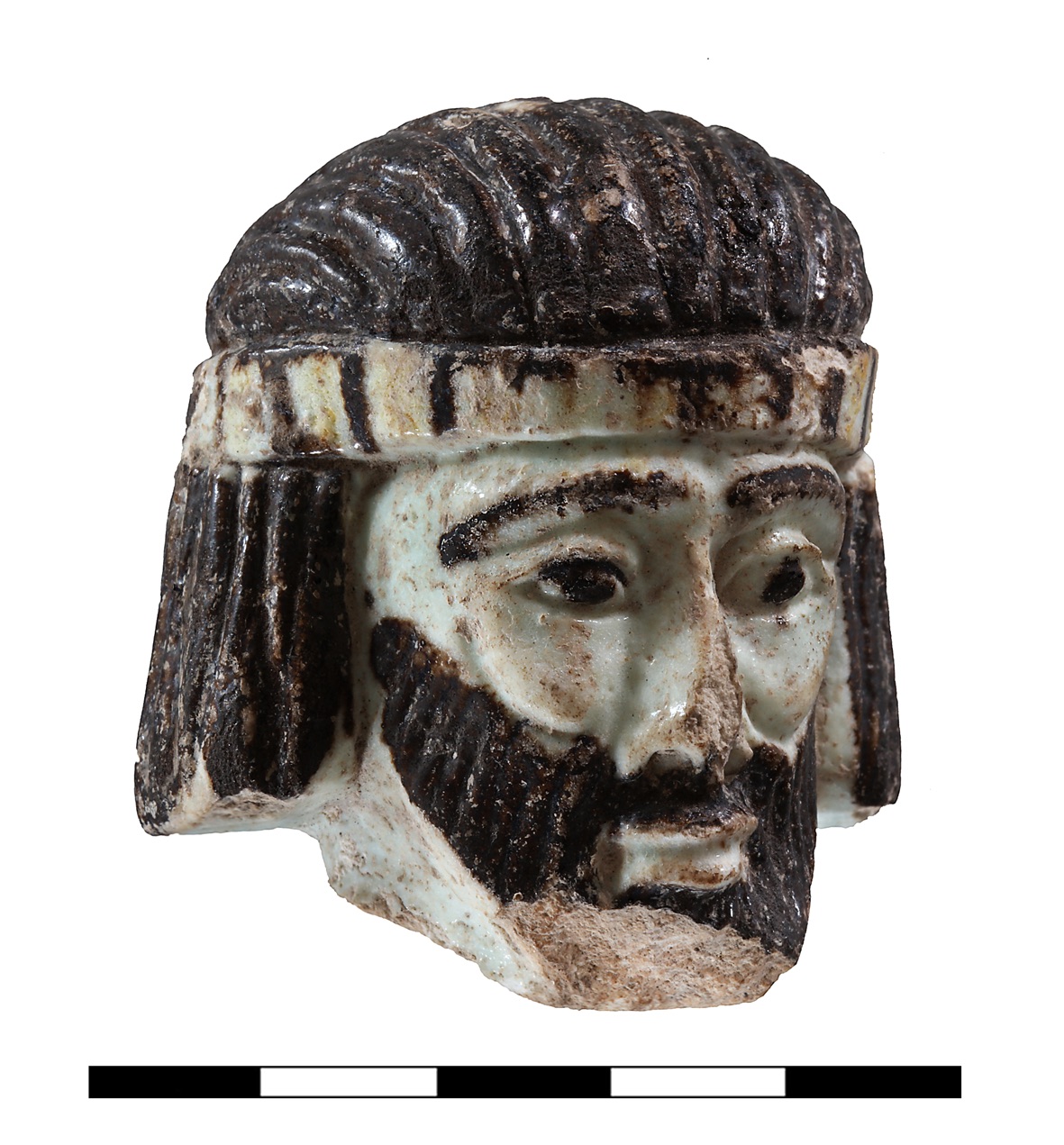 Στο ιστολόγιο των Φίλων της ASOR έχει αναρτηθεί το κείμενο του Naama Yahalom-Mack (The Hebrew University, Ιερουσαλήμ) σχετικά με το εύρημα της κεφαλής ενός αγαλματιδίου που βρέθηκε κατά την ανασκαφή στην Tel Abel Beth Maacah και το οποίο πιθανόν απεικονίζει έναν βασιλέα:
Αρχαία χριστιανική ταυτότητα και τέχνη / Early Christian identity and art
Στην ιστοσελίδα Ancient Jew Review ο Eric Smith συζητά την αξία του νέου βιβλίου της Maia Kotrosits, Rethinking Early Christian Identity: Affect, Violence, and Belonging (Fortress, 2015) στην αξιολόγηση και ανάλυση της αρχαίας χριστιανικής τέχνης κυρίως ως μέσου έκφρασης και διαμόρφωσης της χριστιανικής ταυτότητας:
Στο τρέχον τεύχος του HTS / In the current issue of HTS
Hervormde teologiese studies 75:3 (2019)
Annalie E. Steenkamp-Nel, "Transformative joy in Qohelet: A thread that faintly glistens"
Annalie E. Steenkamp-Nel, "Transformative joy in Qohelet: A thread that faintly glistens"
Στο τρέχον τεύχος του PRS / In the current issue of PRS
Perspectives in Religious Studies 45:3 (2018)
Mark Proctor, "“Were we infants among you?”—Punctuating 1 Thessalonians 2:7b Properly," 313–26
Mark Proctor, "“Were we infants among you?”—Punctuating 1 Thessalonians 2:7b Properly," 313–26
Depending on the variant reading one adopts, the text of 1 Thess 2:7b describes Paul’s ministry in Thessalonica as either gentle (ἤπιοι) or infantile (νήπιοι). While New Testament textual criticism has long recognized the latter reading’s superior text-critical pedigree, the persistence on the part of modern critical editions like the UBSGNT in punctuating v. 7b as a declarative statement has left many preferring its rival on the grounds that ἤπιοι alone makes sense in light of the surrounding context. This paper seeks to resolve the text-critical and interpretive issues surrounding 1 Thess 2:7b by reading it instead as a rhetorical question that expects a negative answer. Doing so both permits the well-attested lectio difficilior νήπιοι to remain in the letter’s text and allows Paul’s readers to regard the verse’s content as a perfectly natural lead-in to his claim in the next sentence: “Indeed, were we like infants among you? Just like a nurse tenderly cares for her own children, even so we who long for you thought it appropriate to share with you not only the good news about God, but even our very own souls; for you were beloved by us” (1 Thess 2:7b–8).
Εγγραφή σε:
Σχόλια (Atom)