Τρίτη 10 Νοεμβρίου 2020

To τρέχον τεύχος του Sémiotique et Bible / The current issue of Sémiotique et Bible

Sémiotique et Bible 179 (2020)

  • Olivier Robin, "Théologie et lecture, théologie de la lecture" (abstract)
  • Kyriakoula Papademetriou, "Dialogue entre l’Herméneutique contemporaine et l’Herméneutique patristique. De Saint Jean Chrysostome et de l’acte liturgique jusqu’à la théorie des Actes de Parole et l’analyse performative"

[Eυχαριστώ τη συνάδελφο καθ. Κυριακούλα Παπαδημητρίου για την αποστολή της ελληνικής μετάφρασης της περίληψης]

Είναι σημαντικό να ανοίξουμε τις στήλες του Sémiotique & Bible και σε άλλες ερμηνευτικές συλλογιστικές, όπως αυτή της Κυριακούλας Παπαδημητρίου, Καθηγήτριας Σημειωτικής στην Ελλάδα, που δείχνει πώς η προσέγγιση του Austin, η οποία άνοιξε η ίδια νέους ερμηνευτικούς ορίζοντες, αναπτύσσοντας την προσέγγιση της επιτελεστικής διάστασης της γλώσσας, δεν έκανε κάτι άλλο παρά να αποκαλύψει αυτό με το οποίο οι Πατέρες της Εκκλησίας, ιδίως ο Άγιος Ιωάννης Χρυσόστομος, είχαν ήδη θρέψει την ερμηνευτική τους. Το άρθρο της Κυριακούλας Παπαδημητρίου μας προσφέρει, εξάλλου, την ευκαιρία να θεσουμε ένα συναρπαστικό θεωρητικό ερώτημα: ποιες ομοιότητες και ποιες διαφορές θα υπήρχαν μεταξύ των επιτελεστικών πράξεων του λόγου του Austin και της εκφώνησης, όπως κατανοείται στη διατριβή του Olivier Robin ή, ευρύτερα, στα έργα του CADIR; Ή το ερώτημα: κι αν η πατερική ερμηνευτική περικρύβει κι άλλα πλούτη, για τα οποία οι 20ός και 21ος αιώνες δεν έχουν ακόμη παρουσιάσει μία θεωρία;

  • Anne Fortin, "À quoi est semblable le Royaume de Dieu en temps de pandémie ? - Luc 13, 18-21" (abstract)


Κυριακή 8 Νοεμβρίου 2020

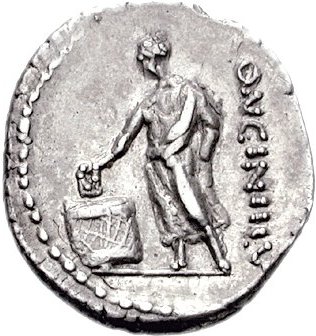
Οι εκλογές στην αρχαία Ελλάδα και Ρώμη / Voting in ancient Greece and Rome

Παράσταση ψηφοφορίας σε ρωμαϊκό 
νόμισμα, 63 π.Χ. (Classical Wisdom)
 Οι εκλογές στις ΗΠΑ, που προκάλεσαν το ενδιαφέρον σε όλη την υφήλιο, έχουν πλέον ολοκληρωθεί με
την ανάδειξη του νικητή της αναμέτρησης. Πώς όμως διεξάγονταν οι εκλογές στην αρχαία Ελλάδα και Ρώμη; Ο Ed Whelan μας γίνει κάποιες χρήσιμες πληροφορίες σχετικά με αυτές στην ιστοσελίδα Classical Wisdom: 

A Short History of Voting in the Ancient World

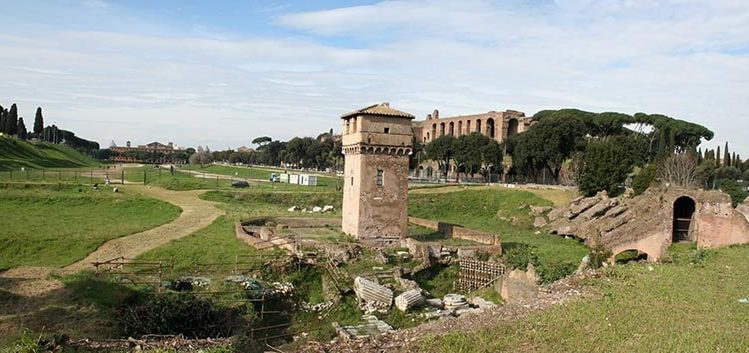
Η δημοτικότητα των αγώνων στο ρωμαϊκό ιππόδρομο / Popularity of the Roman circus races

Circus Maximus της Ρώμης - ΝΑ όψη
(Peter Clarke; Collective Commons BY-SA 3.0)

 Οι αγώνες στον ιππόδρομο της Ρώμης και των άλλων πόλεων της ρωμαϊκής αυτοκρατορίας ήταν ένα ιδιαίτερα αγαπητό θέαμα κάτι το οποίο βεβαιώνεται κι από τις πολλές παραστάσεις με σχετικό περιεχόμενο που κοσμούν σαρκοφάγους κι άλλα μνημεία του αρχαίο κόσμου. Διαβάστε το άρθρο του Sinclair Bell (Νorthern Illinois University) για τη σημασία του ιππόδρομου στον αρχαίο κόσμο:

The Sound and the Fury: The Passion for Chariot Racing in Imperial Rome

Το τρέχον τεύχος του Journal of Ethics in Antiquity and Christianity / The current issue of the Journal of Ethics in Antiquity and Christianity

Journal of Ethics in Antiquity and Christianity 2 (2020)

Dialog

Miszellen

Τρίτη 3 Νοεμβρίου 2020

Το τρέχον τεύχος του BTB / The current issue of BTB

 Biblical Theology Buletin 50/4 (2020)

  • Simon J. Joseph, "'The Land Is Mine' (Leviticus 25:23): Reimagining the Jubilee in the Context of the Palestinian-Israeli Conflict," 180-190 (abstract)
  • Rebecca L. Copeland, "Women, Wells, and Springs: Water Rights and Hagar’s Tribulations," 191-199 (abstract)
  • Victor H. Matthews, "Josiah at Bethel and the “Monument” to the Unnamed Prophet from Judah," 200-206 (abstract)
  • Shinji Takagi, "The Rich Young Man and the Boundary of Distributive Justice: An Economics Reading of Matthew 20:1–16," 207-215 (abstract)
  • Paul K. Moser, "Jesus as Moral-Kingmaker: Gatekeeper for a Co-Owned Dual Kingdom," 216-226 (abstract)
  • Brian Schmisek, "Luke as the Master Architect of “God’s Plan”: An Analysis of a Distinctive Lucan Concept," 227-235 (abstract)


Σάββατο 31 Οκτωβρίου 2020

Μουσουλμάνοι συγγραφείς του Μεσαίωνα για την αρχαία Αίγυπτο / Medieval Muslim writers on ancient Egypt

 Στην ιστοσελίδα ANE Today η Tara Stephan (Hampden-Sydney College) παρουσιάζει μαρτυρίες των μουσουλμάνων συγγραφέων του Μεσαίωνα που αποκαλύπτουν πώς έβλεπαν την αρχαία Αίγυπτο ως μέρος της δικής του πολιτιστικής κληρονομιάς και του δικού τους παρελθόντος:

Myth and Marvel: Medieval Muslim Writings on Ancient Egypt 

Στο τρέχον τεύχος του JRF / Ιn the current issue of JRF

 Journal of Religion and Film 24/2 (2020)

Jonathan Lyonhart and Jennifer Matheny, "The Monstrous Other and the Biblical Narrative of Ruth"


Παρασκευή 30 Οκτωβρίου 2020

Ένα νέο άρθρο στο τρέχον τεύχος του HTS / An article in the current issue of HTS

 Hervormde Teologiese Studies 76/4 (2020)

Peter Nagel, "The New Testament κύριος problem and how the Old Testament speeches can help solve it"


Διαδικτυακή εισήγηση: Φύλο και ομορφιά στην Βίβλο / e-Lecture: Gender and beaty in the Bible

Στην ιστοσελίδα του Πανεπιστημίου του Oslo φιλοξενείται μαγνητοσκοπημένη η εισήγηση της επίκουρης καθηγήτριας του Πανεπιστημίου McMaster (Καναδάς), Hanna Tervanotko, στο πλαίσιο διαδικτυακών διαλέξεων με τον τίτλο 'Ancient Attraction: Gender and Beauty in the Hebrew Bible'. Τίτλος της εισήγησης ήταν:

"Ancient Attraction: Gender and Beauty in the Hebrew Bible" 

Το τρέχον τεύχος του Sacra Scripta / The current issue of Sacra Scripta

 Sacra Scripta 17/2 (2019)

Gottfried Schimanowski, "Das Vaterunser als elementarer Baustein lukanischer Theologie," 119-148

Luke is the canonical Gospel with the most material on prayer; you could say: “the evangelist of prayer”. This subject therefore should play an important role in Lucan theology. Especially in the narrative of chapter 11, Luke includes an extended section on prayer, inclusive the Lord’s Prayer (five petitions or lines: “Pentalogue”) – in a different form compared with Matthew (six or seven petitions, or perhaps ten lines to utter: “Decalogue”). Perhaps the narrative in the description of Jesus and the development of the disciples could explain the difference from placing the material in Matthew. But surely both versions show that the message and the content of the Lord’s Prayer are totally in accordance to the teaching and praying of Jesus himself! Several perspectives should be considered: the context and especially the introduction of the ch.11 in Luke; the addressing: God, the Father; all the different petitions of the prayer itself. Nevertheless, to Luke, prayer is central in the discipleship Jesus calls his followers to. The audience is in a very direct way thought to participate in God’s work through prayer. On the canonical Gospels, it is only in Luke that prayer is the central act of piety and devotion. But what does this mean in direction of the theological understanding of the evangelist himself?

Gheorghe Șchiopu-Constantin, "Job's Behaviour Towards Disanvantaged People in Society: An Exegetical Study of the Text of Job 31:16-23," 149-164

Job 31 is a chapter that arouses both confusion and amazement. The perplexity is given by the negative-imprecative way in which, for the last time, Job defends his behaviour during his prosperity. The amazement emerges from the values that are highlighted by him, starting from the motivations and intentions, and continuing with the nature of the words and the manifested acts. Job 31:16-23 is the rendering of the way in which Job used to behave with the poor and defenseless people of society. Job's concern for the poor is a benevolent modus operandi, derived from a modus vivendi whose intrinsic motivations discover an ethic of epitomical nature in relation to the disadvantaged ones in society.

Walter Dietrich, "König David - Ein andächtig-kritisches Porträt," 165-178

The biblical portrait of David is not at all onesided but multifaceted and colourful. He is, particularly in the Books of Samuel, depicted as a venerable man and king on the one side and as a fallible and deterrent monarch on the other side. His best qualities are: he is a master of music and poetry, his rise from a nobody to a powerful king is admirable, he is able to avoid violence and to spare human life, and he became the founder of a powerful and longstanding dynasty. The dark sides of David are: he seems to be a classical usurper, he has been a man of violence and war, he made himself guilty of horrifying crimes, he was unable to manage a peaceful life within his family and a fruitful transition from his rule to his son and successor Solomon. The superscription of his biblical portrait could be: «ecce rex» and «ecce homo». 

Michael Sommer, "John the Baptist, the Reception of Malachi and Luke's Widows - A Quick Look at Luke's Understanding of δικαιοσύνη," 179-195

The biblical portrait of David is not at all onesided but multifaceted and colourful. He is, particularly in the Books of Samuel, depicted as a venerable man and king on the one side and as a fallible and deterrent monarch on the other side. His best qualities are: he is a master of music and poetry, his rise from a nobody to a powerful king is admirable, he is able to avoid violence and to spare human life, and he became the founder of a powerful and longstanding dynasty. The dark sides of David are: he seems to be a classical usurper, he has been a man of violence and war, he made himself guilty of horrifying crimes, he was unable to manage a peaceful life within his family and a fruitful transition from his rule to his son and successor Solomon. The superscription of his biblical portrait could be: «ecce rex» and «ecce homo». 

Hans Klein, "Die Enrwicklung im Denken des Paulus über Israel in Röm 9-11," 196-212

Röm 9-11 ist ein einzigartiger Entwurf zur Frage des Schicksals Israels angesichts der Annahme der Heiden in die werdende Kirche. Die vorliegende Studie bemüht sich um den Nachweis, dass das berühmte Geheiminis der Rettung Gesamtisraels dem Apostel erst beim Schreiben des Römerbriefes als Offenbarung zuteilwurde. Eine genaue Beachtung des komplizierten Satzgefüges in Röm 9,22f kann zum Schluss führen, dass ihm dieses Geheimnis erst nach der Niederschrift der Aussagen dieser Verse geschenkt wurde.