Δευτέρα 25 Ιουλίου 2016

Το τρέχον τεύχος του ASE / The current issue of ASE

Annalli di storia dell' esegesi 33:1 (2016)

The Letter to the Hebrews
  • Simon C. Mimouni, "Ouverture introductive," 11-14
  • Pierre de Salis, "'Aux Hébreux', lettre ou épître?," 15-29
  • Steeve Bélanger, "L’Épître aux Hébreux dans le contexte spéculatif sur la figure de Melchisédéch durant la période du Second Temple de Jérusalem (IIe  siècle avant notre ère - Ier siècle de notre ère)," 31-77
  • Simon C. Mimouni, "Le «grand prêtre» Jésus «à la manière de Melchisédech» dans l’Épître aux Hébreux," 79-105

Early Christianity
  • Simon Butticaz, "Paul et la culture antique de l’honneur. Contexte et enjeux de la justification par la foi dans la Lettre aux Galates," 107-128
  • Bert Jan Lietaert Peerbolte & Leendert F. Groenendijk, "Family Discourse, Identity Formation, and the Education of Children in Earliest Christianity," 129-149
  • Cambry Pardee, "Peter’s Tarnished Image: Scribal Polishing in the Gospel of Luke (Ms. 0171)," 151-174

Religion in Modern Age
  • Cristiana Facchini, "Luigi Luzzatti e la teoria della tolleranza religiosa. Per una storia del consumo pubblico delle scienze delle religioni," 175-200
Discussion of Books
  • Luca Arcari, Daniele Tripaldi, Thomas Witulski, "Discussion of Thomas Witulski’s Works on Dating the Revelation," 201-236
  • Adriana Destro, Mauro Pesce, Claudio Gianotto, Luca Arcari, "Discussion of the Book of Adriana Destro – Mauro Pesce, Il racconto e la scrittura. Introduzione alla lettura dei vangeli, Roma, Carocci, 2014," 237-257
  • Simon C. Mimouni, Claudio Gianotto, Mauro Pesce, "Discussion of the Book of Simon C. Mimouni, Jacques le Juste, frère de Jésus de Nazareth. Histoire de la communauté nazoréenne/chrétienne de Jérusalem du Ier au IVe siècle, Paris, Bayard, 2015," 259-288


Αναπαράσταση της καταστροφής της Πομπηίας / Animation of Pompeii's destruction

Στις 24 Αυγούστου του 79 μ.Χ. η πόλη της Πομπηίας μαζί με εκείνη του Herculaneum καταστράφηκαν όταν ο Βεζούβιος εξερράγη και σκέπασε την γύρω περιοχή με στάχτη. Η πόλη ξεχάστηκε για να έρθει ξανά στο φως στα 1748. Το Μουσείο της Μελβούρνης φιλοξένησε στα 2009 μία έκθεση με τον τίτλο "A Day in Pompeii". Στο πλαίσιο αυτής της εκδήλωση παρουσιάστηκε και βίντεο με αναπαράσταση των τελευταίων 48 ωρών της Πομπηίας:

Κυριακή 24 Ιουλίου 2016

Το τρέχον τεύχος του JS / The current issue of JS

Journal of Semitics 24:2 (2015)

  • Kristopher Lyle, "Benefits of a principled analysis of Biblical Hebrew prepositions," 403-426 (abstract)
  • Jock Matthew Agai, "Rethinking Yoruba culture in the light of Yoruba origins," 427-450 (abstract)
  • Gudrun Lier, et al., "An appraisal of source material for the study of Targum minor prophets," 451-469 (abstract)
  • Sidney Berman, "Translation shifts and the improvement of Bible translations : the case of Ruth 4:13 in the Setswana versions," 470-483 (abstract)
  • Johan Wildenboer, "Joshua 24 : some literary and theological remarks," 484-502 (abstract)
  • Casper Greeff, "Hidden messages from teeth of the past revealed; palaeodontology in the Holy Land," 522-543 (abstract)
  • Aron Pinker, "Schadenfreude in the Tanak," 544-574 (abstract)
  • Gudrun Lier / Lucas Cornelis Muller, "Another look at the function of מַשָֺּׂא in prophetic literature," 575-593 (abstract)
  • Risimati Hobyane, "Canonical narrative schema : a key to understanding the victory discourse in Judith : a Greimassian contribution," 638-656 (abstract)
  • Wilhelm J. Wessels, "Leaders and times of crisis : Jeremiah 5:1-6 a case in point," 657-677 (abstract)
  • V. Christides, "The Himyarite kingdom on the eve of and after the Ethiopian dominance in the sixth century A.D. in the Martyrdom of St. Arethas and his companions and in the Acts of St. Gregentius," 678-700 (abstract)
  • Paul Decock, "Bernard of Clairvaux's reading of the Song of Songs 2:4-5 : wounded by love - putting order in love," 701-718 (abstract)
  • David Ussishkin, "Sennacherib's campaign in Judah : the conquest of Lachish," 719-758 (abstract)


Σάββατο 23 Ιουλίου 2016

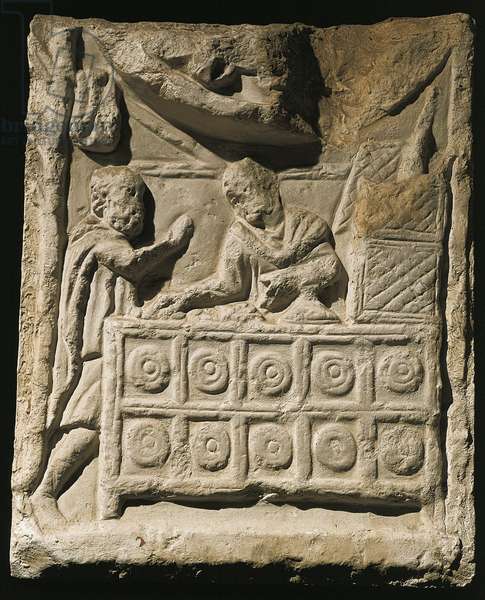
Η φωτογραφία της ημέρας: ρωμαϊκά ανταλλακτήρια / Photo of the day: a money-changer's shop

Relief portraying moneychanger's shop or 'Silver tavern', from sarcophagus in Palazzo Salviati in Rome
Αrgentarius στο κατάστημά του (μ. 3ου αι. μ.Χ.)
argentarii της αρχαίας Ρώμης ήταν οι τραπεζίτες της αρχαιότητας, οι οποίοι προσέφεραν τις υπηρεσίες της φύλαξης με τόκο χρημάτων και του συναλλάγματος. Ήταν ιδιώτες κι όχι υπάλληλοι του κράτους, ωστόσο, τα καταστήματά τους γύρω από το forum ήταν κρατική περιουσία. Η κύρια δραστηριότητά τους ήταν η ανταλλαγή χρήματος και με αυτήν την ιδιότητα μαρτυρούνται ήδη από τον 4ο αι. π.Χ. Για την ανταλλαγή έπαιρναν μία μικρή προμήθεια (collybus). Mία επίσης σημαντική υπηρεσία των argentarii ήταν αυτή της φύλαξης χρημάτων. Εάν δεν έπρεπε να καταβληθεί τόκος, το ποσό της κατάθεσης λεγόταν depositum, ενώ στην περίπτωση καταβολής τόκου creditum. Στη δεύτερη αυτή περίπτωση ο argentarius μπορούσε να αξιοποιήσει τα χρήματα που είχαν κατατεθεί. Ο πελάτης μπορούσε να στείλει κάποιον να εισπράξει μέρος των χρημάτων του. Η εντολή πληρωμής λεγόταν perscriptio. Σε κάποιες άλλες περιπτώσεις δάνειζαν χρήματα με τόκο. Όλες οι συναλλαγές καταγράφονταν με ακρίβεια στους codices ή tabulae, τα οποία ήταν αξιόπιστα τεκμήρια και μπορούσαν να χρησιμοποιηθούν σε δίκες. Οι argentarii ήταν οργανωμένοι σε collegium με αρκετά αυστηρά κριτήρια υποδοχής νέων μελών. 

Ένα νέο βιβλίο για την Μαρία Μαγδαληνή / A new book on Mary Magdalene

Κυκλοφόρησε αυτήν την εβδομάδα από τον εκδοτικό οίκο Peeters ένας νέος συλλογικός τόμος με θέμα την πρόσληψη της μορφής της Μαρίας της Μαγδαληνής στην αρχαιότητα και σήμερα. Ο τόμος παρουσιάστηκε στο πλαίσιο της συνάντησης της European Association of Biblical Studies με ομιλητές τους Reimund Bieringer, Outi Lehtipuu, Gergey Juhasz και Martijn Steegen.

Reimund Bieringer, Barbara Baert & Karlijn Demasure (eds.), Noli me tangere in Interdisciplinary Perspective: Textual, Iconographic and Contemporary Interpretations (Bibliotheca Ephemeridum Theologicarum Lovaniensium, 283), Leuven - Paris - Bristol, CT: Peeters, 2016
ISBN: 978-90-429-3328-6

Το τρέχον τεύχος του JESOT / The current issue of JESOT

Journal for the Evangelical Study of the Old Testament 5:1 (2016)

Το τρέχον τεύχος του VE / The current issue of VE

Verbum et ecclesia 37:1 (2016)

Gerda de Villiers, Jurie le Roux, "The Book of Ruth in the time of the Judges and Ruth, the Moabitess"

Παρασκευή 22 Ιουλίου 2016

Φωτογραφία της ημέρας: το χρήμα δεν βρωμάει / Photo of the day: money does not stink

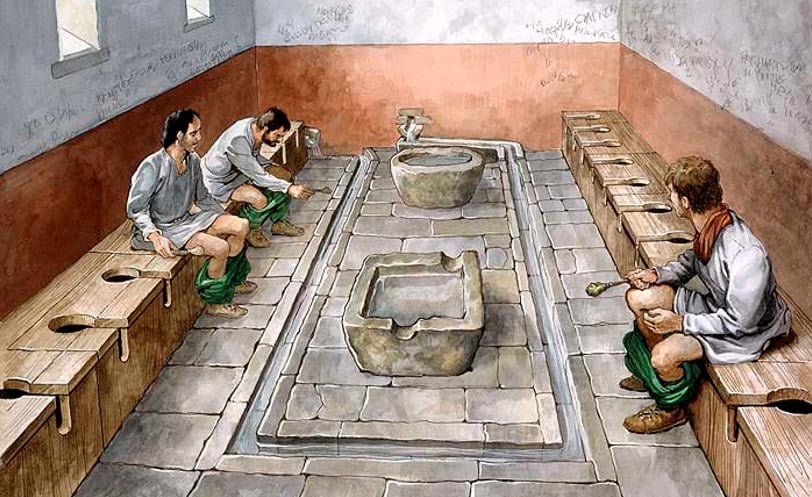
Roman toilets
Οι δημόσιες τουαλέτες στην ρωμαϊκή Όστια (Πηγή: panoramio)

"Pecunia non olet" φαίνεται να απάντησε ο αυτοκράτορας Βεσπασιανός στον γιο του Τίτο, όταν ο πρώτος επέβαλε τον περίφημο φόρο για τη συλλογή των ούρων από τις δημόσιες τουαλέτες. Ο Βεσπασιανός δεν ήταν ο πρώτος που επινόησε αυτόν τον ιδιότυπο φόρο. Πριν από αυτόν ο Νέρων είχε εισάγει τον vectigal urinae, ο οποίος όμως καταργήθηκε από τους διαδόχους του. Ο Βεσπασιανός, ο οποίος παρουσιάζεται από τους αρχαίους ιστορικούς ως φιλοχρήματος και αδίστακτος στην επιβολή φόρων, προσπάθησε να ανορθώσει οικονομικά την αυτοκρατορία (κάτι που μακροπρόθεσμα τελικά το κατόρθωσε) επιβάλλοντας διαφόρων ειδών φόρους. Στο πλαίσιο μάλιστα του φόρου για τα ούρα ο Βεσπασιανός εισήγαγε ουσιαστικά το σύστημα των δημόσιων τουαλετών, οι οποίες συχνά σκωπτικά ονομάζονταν από τους Ρωμαίους "Βεσπασιανές". 
Αναπαράσταση του εσωτερικού μίας ρωμαϊκής τουαλέτας
(Πηγή: Ancient Origins)
Τα ούρα ήταν ένα συστατικό που χρησιμοποιούνταν σε πολλές εφαρμογές στον αρχαίο κόσμο, καθώς περιέχουν φωσφόρο και ποτάσιο μεταξύ άλλων. Τα χρησιμοποιούσαν για την πλύση των δοντιών αλλά και στη λεύκανση των ρούχων. Σύμφωνα με τις αρχαίες πηγές ως καλύτερης ποιότητας θεωρούνταν εκείνα που εισάγονταν από την Πορτογαλία. Σε κάθε περίπτωση η ιδέα του Βεσπασιανού φαίνεται ότι ήταν εξαιρετικά χρήσιμη, καθώς έφερε σημαντικά ποσά στο δημόσιο ταμείο και συνέβαλε επίσης στη δημόσια υγιεινή. 

Ένα νέο ερευνητικό πρόγραμμα για τα λιμάνια του αρχαίου κόσμου / A research programme for the harbours of the ancient world

Σύμφωνα με το δημοσίευμα της Daily Echo ο καθηγητής Simon Keay, του Πανεπιστημίου του Southampton εξασφάλισε χρηματοδότηση ύψους  €2,49 εκατ, από το European Research Council προκειμένου να μελετήσει το μεγάλο δίκτυο των ρωμαϊκών λιμανιών της Μεσογείου. Το πρόγραμμα θα καλύψει 31 λιμάνια σε όλη την Μεσόγειο ξεκινώντας από την Τουρκία και καταλήγοντας στην Ισπανία. Οι ειδικοί θα αξιοποιήσουν δορυφορικές εικόνες και αρχαιολογικά δεδομένα για να μελετήσουν 23 από αυτά τα λιμάνια που εξακολουθούν να υφίστανται, ενώ με τη βοήθεια της αρχαιολογίας και των αρχαίων πηγών ελπίζουν ότι θα εντοπίσουν και κάποια ακόμη. Το πρόγραμμα αναμένεται να ολοκληρωθεί μέχρι το 2018 και τα πορίσματα να καταχωρηθούν σε ηλεκτρονική πλατφόρμα.

Τα δύο πρώτα τεύχη του Gnosis / The two first issues of Gnosis

Gnosis 1 (2016)
Ένα νέο περιοδικό με μελέτες σχετικά με τον γνωστικισμό και τις σύγχρονες προσλήψεις του κυκλοφόρησε πριν από μερικές μέρες από τον εκδοτικό οίκο Brill. Για να διαβάσετε τα σχετικά με το σκεπτικό των εκδοτών του καθώς και τις θεματικές που αυτό θα καλύπτε πατήστε εδώ.
  • April D. DeConick, "The Countercultural Gnostic: Turning the World Upside Down and Inside Out," 7-35 (abstract)
  • Grant Adamson, "'I Turned away from the Temple': Sethian Counterculture in the Apocryphon of John," 36-55 (abstract)
  • John D. Turner, "Transgressing Boundaries: Plotinus and the Gnostics," 56-85 (abstract)
  • Zeke Mazur, "Forbidden Knowledge: Cognitive Transgression and 'Ascent Above Intellect' in the Debate Between Plotinus and the Gnostics," 86-109 (abstract)
  • Lautaro Roig Lanzillotta, "The Apocalypse of Paul (NHC V,2): Cosmology, Anthropology, and Ethics," 110-131 (abstract)
  • Dylan M. Burns, "Gnosis Undomesticated: Archon-Seduction, Demon Sex, and Sodomites in the Paraphrase of Shem (NHC VII,1)," 132-156 (abstract)
  • M. David Litwa, "Gnostic Self-Deification: The Case of Simon of Samaria," 157-176 (abstract)
  • Gregory Shaw, "Demon est Deus Inversus: Honoring the Daemonic in Iamblichean Theurgy," 177-195 (abstract)
  • Brent Landau, "The Coming of the Star-Child: The Reception of the Revelation of the Magi in New Age Religious Thought and Ufology," 196-217 (abstract)
  • Sarah Iles Johnston, "The Great God Pan," 218-233 (abstract)
  • Wouter J. Hanegraaff, "Alan Moore’s Promethea: Countercultural Gnosis and the End of the World," 234-258 (abstract)
  • Victoria Nelson, "Children of the Light: Gnostic Fiction and Gnostic Practice in Vladimir Sorokin’s Ice Trilogy," 259-275 (abstract)
  • Matthew J. Dillon, "Symbolic Loss, Memory, and Modernization in the Reception of Gnosticism," 276-309 (abstract)
  •  Margarita Simon Guillory, "Gnostic and Countercultural Elements in Zora Neale Hurston’s 'Hoodoo in America'," 310-327 (abstract)