Zeitschrift für Theologie und Kirche 112:1 (2015)
Martin Schott, "Die Jakobpassagen in Hosea 12," 1-26 (abstract)
Πέμπτη 12 Μαρτίου 2015


H χρονολόγηση του Ευαγγελίου του Ιούδα / Dating the Gospel of Judas
Η χρονολόγηση του χειρόγραφου του Ευαγγελίου του Ιούδα είναι το θέμα της εκτενούς ανάρτησης του Peter Kirby στο ιστολόγιό του και μίας συντομότερης του Christian Askeland στο ιστολόγιο Evangelical Textual Criticism. Κι οι δύο αντιμετωπίζουν κριτικά την χρονολόγηση που πρότεινε ο Herbert Krosney για το κείμενο: το 280 ±60 με βάση κυρίως τη χρονολόγηση C 14. Ειδικότερα, ο δεύτερος προτείνει ως πιθανή εποχή συγγραφής του κώδικα τα τ. 3ου - τ. 4ου αι., τείνοντας μάλλον προς τον 4ο αι.
- Gospel of Judas: Radiocarbon Age Results (P. Kirby)
- Radiometric Dating of the Gospel of Judas (Chr. Askeland)
P.M. Head, "The Gospel of Judas and the Qarara Codices: Some Preliminary Observations," TynBull 58/1 (2007): 1-23
Τετάρτη 11 Μαρτίου 2015
Στο τρέχον τεύχος του JBL / The current issue of JBL
Journal of Biblical Literature 134:1 (2015)
- Fernando F. Segovia, "Criticism in Critical Times: Reflections on Vision and Task," 6-29 (abstract)
- Duane E. Smith, "The Divining Snake: Reading Genesis 3 in the Context of Mesopotamian Ophiomancy," 31-49 (abstract)
- David E. S. Stein, "A Rejoinder concerning Genesis 3:6 and the NJPS Translation," 51-52 (abstract)
- Murray H. Lichtenstein, "The Fearsome Sword of Genesis 3:24," 53-57 (abstract)
- Kerry D. Lee, "Two Translations of HSS V 67 and Their Significance for Genesis 16, 21, and 30," 59-63 (abstract)
- Ken Brown, "Vengeance and Vindication in Numbers 31," 65-84 (abstract)
- Orly Keren / Hagit Taragan, "Merab, Saul's Mute and Muffled Daughter," 85-103 (abstract)
- Joshua Berman, "The Legal Blend in Biblical Narrative (Joshua 20:1–9, Judges 6:25–31, 1 Samuel 15:2, 28:3–25, 2 Kings 4:1–7, Jeremiah 34:12–17, Nehemiah 5:1–12)," 105-125 (abstract)
- John B. Whitley, "עיפה in Amos 4:13: New Evidence for the Yahwistic Incorporation of Ancient Near Eastern Solar Imagery," 127-138 (abstract)
- Warren Carter, "Cross-Gendered Romans and Mark's Jesus: Legion Enters the Pigs (Mark 5:1–20)," 139-155 (abstract)
- David Lertis Matson, "Pacifist Jesus? The (Mis)Translation of ἐᾶτε ἓως τούτου in Luke 22:51," 157-176 (abstract)
- Daniel Lynwood Smith, "Interrupted Speech in Luke-Acts,"177-191 (abstract)
- Ryan S. Schellenberg, "The First Pauline Chronologist? Paul's Itinerary in the Letters and in Acts," 193-213 (abstract)
- Jennifer A. Glancy, "The Sexual Use of Slaves: A Response to Kyle Harper on Jewish and Christian Porneia," 215-229 (abstract)
Τρίτη 10 Μαρτίου 2015
Τα θαύματα στη συνοπτική παράδοση (IX): η σημασία τους στο κατά Ματθαίον / Miracles in the synoptic tradition: their significance in Matthew
Με μεγαλύτερη έμφαση από ό,τι στο κατά Μάρκον τα θαύματα του Ιησού στο κατά Ματθαίον επιβεβαιώνουν και υπομνηματίζουν τη διδασκαλία του. Διαφορετικά από ό,τι κάνει ο Μάρκος, ο Ματθαίος συγκεντρώνει το μεγαλύτερο μέρος των θαυμάτων σε μία ενότητα (Μτ 8-9). Η τοποθέτησή της αμέσως μετά την επί του Όρους Ομιλία δεν είναι τυχαία·ο Ιησούς που στα κεφ. 5-7 αναδεικνύεται ο Μεσσίας του Λόγου, στη συνέχεια με τα θαύματα αποδεικνύεται επίσης ο Μεσσίας των πράξεων. Επιπλέον τα summaria (4,23-25· 9,35) δημιουργούν την εντύπωση ότι οι δύο ενότητες (διδασκαλία και θαύματα) συγκροτούν μία μεγάλη ενότητα.
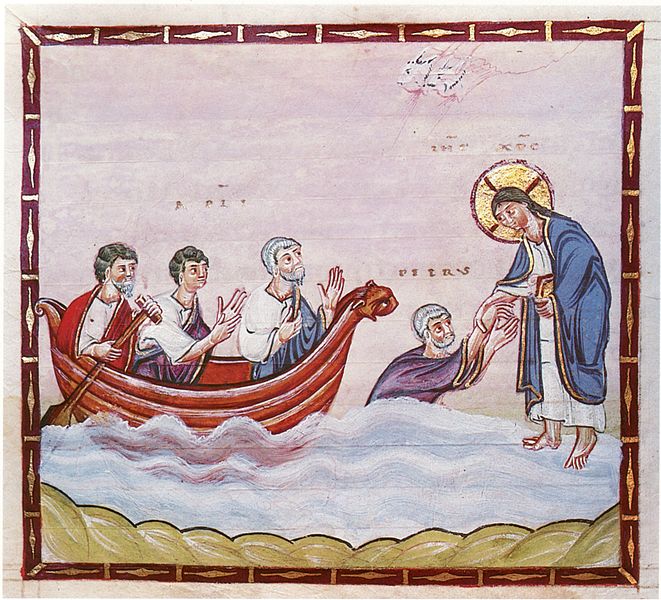 Το βαθύτερο νόημα της ενότητας των θαυμάτων δεν είναι κυρίως χριστολογικό, όπως υποστηριζόταν παλαιότερα στην έρευνα, αλλά εκκλησιολογικό. Μέσα από την επεξεργασία των θαυμάτων στο κατά Ματθαίον προβάλλεται κυρίως η μαθητεία και η Εκκλησία (αυτό, για παράδειγμα, υπονοείται στην εκδοχή του Ματθαίου για το θαύμα της κατάπαυσης της τρικυμίας, η οποία λειτουργεί ως παράδειγμα της κοινότητας που αντιμετωπίζει τις τρικυμίες της ζωής κι ο σωτήρας της είναι ο Ιησούς ή στο θαύμα του εκατόνταρχου, τύπο του ανοίγματος της κοινότητας του Ματθαίου προς τα έθνη ή στην αναφορά στην εξουσία που δίνεται στους ανθρώπους να συγχωρούν αμαρτίες στο 9,8).
Οπωσδήποτε, ο Ιησούς παραμένει το κέντρο στα θαύματα στο Μτ κι αυτά κατανοούνται ως έκφραση της αγάπης και του ελέους του Ιησού προς τους ανθρώπους. Στον Ματθαίο, λοιπόν, βρίσκουμε μία ιδιαίτερη έμφαση στη θεραπεία που χαρίζει ο Ιησούς σε όλα τα μέλη του Ισραήλ. Μάλιστα με την προσθήκη επιπλέον περιληπτικών αφηγήσεων θαυμάτων (summaria) ο Ματθαίος συνεχίζει να αφηγείται θαύματα μέχρι την ιστορία του Πάθους. Διαφορετικά από τον Μκ, όπου ο Ιησούς εμφανίζεται ως ο υιός του Θεού, ο Μτ τονίζει κυρίως τη δαυιδική του καταγωγή (βλ. χαρακτηριστικά για τη σύνδεσή του με τον Δαυίδ: Μτ 9,27· 15,22· 20,30-31· 21,15). Για τον Μτ όμως ο Ιησούς δεν είναι πολεμιστής απόγονος του Δαυίδ αλλά ο ειρηνικός βασιλιάς και χαρακτηριστικό της βασιλείας του είναι το έλεος όσων υποφέρουν και θεραπεύει τους ασθενείς.
Με παραθέσεις χωρίων από τον Ησαΐα ο Ματθαίος συνδέει τη θαυματουργική δράση του Ιησού με τον πάσχοντα δούλο του Κυρίου (8,17· 12,18-21). Με αυτόν όμως τον τρόπο μετριάζεται η όποια έμφαση στα θαύματα και προβάλλεται κυρίως η ευσπλαχνία και η ταπείνωση του Ιησού μέσα σε αυτά.
Επιπλέον, στον Μτ υποχωρεί η προβολή του δαιμονικού στοιχείου κι απαλείφονται όσα στοιχεία θα μπορούσαν να παρεξηγηθούν ως μαγικές πρακτικές. Για παράδειγμα, συχνά ο Μτ μιλά για ασθένεια εκεί που ο Μκ μιλά για δαιμόνια κι ο Μτ αποσιωπά το θαύμα της θεραπείας του τυφλού με το σάλιο του Ιησού.
Αυτές οι τάσεις στην αφήγηση του Μτ οδηγούν στις εξής υποθέσεις όσον αφορά στη σκοπιμότητα των θαυμάτων στον Μτ; α) για τους έξω αποτελούν τα θαύματα μία απάντηση στις όποιες κατηγορίες, που πιθανόν προέρχονται από το ιουδαϊκό περιβάλλον της κοινότητας του Μτ, ότι ο Ιησούς εξαπάτησε τον λαό με μαγικές πράξεις (βλ. αργότερα τις κατηγορίες του Κέλσου) και β) για την ίδια την κοινότητα ο μετριασμός της όποιας έμφασης στα θαύματα ίσως ήταν η απάντηση σε κάποιους χαρισματούχους που με τη δράση τους απειλούσαν την ενότητα της κοινότητας.
Συνέδριο για το ρήμα και τη σημασία του στην εξήγηση της ΚΔ / Conference on verb and the NT exegesis
 The aim of the conference is to bring together NT scholars, linguists, and Classicists to discuss the Greek verbal system in a way that is clear and that moves the conversation forward while acknowledging and respecting the discussions of the past three decades within Biblical Studies. (If you would like to read the backstory of this conference, see my post “How We Got to Where We’re Going: A Story.”) I am incredibly excited about this conference. Not only will we have some phenomenal speakers from within the Biblical Studies guild, but we will also have the benefit of learning from Classicists, voices often not heard in Biblical Studies.
The conference is an affiliate session of Tyndale Fellowship and will take place on July 10-11 (Friday–Saturday) at Tyndale House Library. Just prior to this, on July 8-10, the Tyndale Fellowship New Testament and Biblical Theology Study Groups will gather for their annual conferences. So, if you are planning to come to Tyndale Fellowship, consider prolonging your stay for another day or two! If you are planning to come to Linguistics and the Greek Verb, consider coming earlier to attend Tyndale Fellowship!
Presenters and their topics:
Rutger Allan – Historical Development of the Greek Verb (focusing on Tense/Aspect)
Randall Buth – Morphology of the Perfect and Pluperfect: A Diachronic Overview
Robert Crellin – Semantics of the Perfect
Helma Dik – What does a NT Specialist Need to Know about the Greek Verb (From a Classicist’s Perspective)?
Nicholas Ellis – Overview of the Greek Verbal System in Koine as an Aspect-Prominent Language
Stephen Levinsohn – Finite Verbs and the Contribution of Tense, Aspect, and Mood to the Development of Narrative Discourse
Amalia Moser – What does a NT Specialist Need to Know about the Greek Verb (From a Linguist’s Perspective)?
Steven E. Runge – Finite Verbs and the Contribution of Tense, Aspect, and Mood to the Development of Non-Narrative Discourse
If you would like to attend, please register by filling out this Booking Form.
If you have any questions, please email TyndaleGreekVerb@gmail.com.
Τα ελληνικά χειρόγραφα της συλλογής Curzon / The Greek manuscripts of the Curzon collection
Στο ιστολόγιο της Βρετανικής Βιβλιοθήκης Medieval Manuscripts Blog η Sarah Biggs παρουσιάζει σε μία σειρά αναρτήσεων τα ελληνικά χειρόγραφα του Robert Curzon, μεταξύ των οποίων κι αρκετά της Καινής Διαθήκης:
Γυναίκες και θρησκεία στον αρχαίο Ισραήλ / Women and religion in ancient Israel
Στην ιστοσελίδα The Bible and Interpretation έχει αναρτηθεί μία σύντομη μελέτη του Willam Dever σχετικά με τη συμμετοχή της γυναίκας στη θρησκευτική ζωή του Ισραήλ:
RBL 9.3.2015
Olivier Artus (ed.), Loi et Justice dans la Littérature du Proche-Orient ancien
Review by Michael S. Moore
Gary M.Beckman / R. Bryce Trevor / Eric H. Cline, The Ahhiyawa Texts
Review by Paul Sanders
Review by Aren M. Maeir
Keith Bodner, Elisha's Profile in the Book of Kings: The Double Agent
Review by Gerhard Karner
Walter Brueggemann, Reality, Grief, Hope: Three Urgent Prophetic Tasks
Review by LeAnn Snow Flesher
Katharine J. Dell, Interpreting Ecclesiastes: Readers Old and New
Review by Mark Sneed
Robert Geis, Exegesis and the Synoptics
Review by Jeffrey Paul García
Wilfred J. Harrington, Reading Mark for the First Time
Review by Jeff Jay
Thomas R. Hatina, New Testament Theology and its Quest for Relevance: Ancient Texts and Modern Readers
Review by Gary M. Burge
John Huehnergard, An Introduction to Ugaritic
Review by Philip C. Schmitz
Hans Leander, Discourses of Empire: The Gospel of Mark from a Postcolonial Perspective
Review by Angela N. Parker
M. David Litwa, Iesus Deus: The Early Christian Depiction of Jesus as a Mediterranean God
Review by Joseph Verheyden
Siobhan Dowling Long, The Sacrifice of Isaac: The Reception of a Biblical Story in Music
Review by Deborah W. Rooke
Scot McKnight / Joseph B. Modica (eds.), Jesus Is Lord, Caesar Is Not: Evaluating Empire in New Testament Studies
Review by Russell Morton
Sarah J. K. Pearce, The Words of Moses: Studies in the Reception of Deuteronomy in the Second Temple Period
Review by Sven Petry
Kenneth C. Way, Donkeys in the Biblical World: Ceremony and Symbol
Review by Brent Strawn
Review by Michael S. Moore
Gary M.Beckman / R. Bryce Trevor / Eric H. Cline, The Ahhiyawa Texts
Review by Paul Sanders
Review by Aren M. Maeir
Keith Bodner, Elisha's Profile in the Book of Kings: The Double Agent
Review by Gerhard Karner
Walter Brueggemann, Reality, Grief, Hope: Three Urgent Prophetic Tasks
Review by LeAnn Snow Flesher
Katharine J. Dell, Interpreting Ecclesiastes: Readers Old and New
Review by Mark Sneed
Robert Geis, Exegesis and the Synoptics
Review by Jeffrey Paul García
Wilfred J. Harrington, Reading Mark for the First Time
Review by Jeff Jay
Thomas R. Hatina, New Testament Theology and its Quest for Relevance: Ancient Texts and Modern Readers
Review by Gary M. Burge
John Huehnergard, An Introduction to Ugaritic
Review by Philip C. Schmitz
Hans Leander, Discourses of Empire: The Gospel of Mark from a Postcolonial Perspective
Review by Angela N. Parker
M. David Litwa, Iesus Deus: The Early Christian Depiction of Jesus as a Mediterranean God
Review by Joseph Verheyden
Siobhan Dowling Long, The Sacrifice of Isaac: The Reception of a Biblical Story in Music
Review by Deborah W. Rooke
Scot McKnight / Joseph B. Modica (eds.), Jesus Is Lord, Caesar Is Not: Evaluating Empire in New Testament Studies
Review by Russell Morton
Sarah J. K. Pearce, The Words of Moses: Studies in the Reception of Deuteronomy in the Second Temple Period
Review by Sven Petry
Kenneth C. Way, Donkeys in the Biblical World: Ceremony and Symbol
Review by Brent Strawn
Δευτέρα 9 Μαρτίου 2015
Το τρέχον τεύχος του JSOT / The current issue of JSOT
Journal for the Study of the Old Testament 39:3 (2015)
- Mathilde Frey, "Sabbath in Egypt? An Examination of Exodus 5," 249-263 (abstract)
- David Janzen, "‘What he did for me’: David's Warning about Joab in 1 Kings 2.5," 265-279 (abstract)
- Amitai Baruchi-Unna, "The Story of Hezekiah's Prayer (2 Kings 19) and Jeremiah's Polemic concerning the Inviolability of Jerusalem," 281-297 (abstract)
- Andrew T. Abernethy, "‘Right Paths’ and/or ‘Paths of Righteousness’? Examining Psalm 23.3b within the Psalter," 299-318 (abstract)
- Jeremy Schipper, "Why Does Imagery of Disability Include Healing in Isaiah?," 319-333 (abstract)
- Joshua Moon, "Honor and Shame in Hosea's Marriages," 335-351 (abstract)
- Annette Schellenberg, "An Anti-Prophet among the Prophets? On the Relationship of Jonah to Prophecy," 353-371 (abstract)
Εγγραφή σε:
Αναρτήσεις (Atom)