- Jeremy Punt, "(Southern) African Postcolonial Biblical Interpretation: A White African Perspective," 4-24 (abstract)
- Pieter F. Craffert, "Coming to (Terms with) Our Senses: Seeing, Hearing and Smelling the Gods," 25-56 (abstract)
- Lilly (SJ) Nortjé-Meyer, "A Rhetorical Construction of Masculinities in the Letter of Jude," 57-72 (abstract)
Παρασκευή 1 Ιουνίου 2018
Στο τρέχον τεύχος του JECH / In the current issue of JECH
Journal of Early Christian History 7:3 (2017)


Η νύφη που το έσκασε / The runaway bride
Στο ιστολόγιο Papyrus Stories παρουσιάζονται δύο όστρακα τα οποία αναφέρονται στην περίπτωση γυναικών που εγκατέλειψαν τον σύζυγό τους (O.Lips.Copt. 24 και O.Crum 72). Στο πρώτο, γίνεται λόγος για μια μικρή κοπέλα που εγκατέλειψε τη συζυγική εστία καταφεύγοντας σε ένα ζευγάρι χριστιανών, κάτι που προκαλεί την αντίδραση του ιερέα Μάρκου, ο οποίος τους απειλεί με αφορισμό. Στο δεύτερο, ο επίσκοπος Αβραάμ, ιδρυτής της μονής στο Deir el-Bahri συζητά τις περιπτώσεις μοιχείας. Είναι προφανές ότι η αντιμετώπιση του διαζυγίου ήταν μάλλον αυστηρή κι όσοι το προκαλούσαν απειλούνταν με αφορισμό (τουλάχιστον στα δύο κείμενα που παρουσιάζονται εδώ):
Iουδαϊκά γραφήματα της αρχαιότητας / Ancient Jewish graffiti
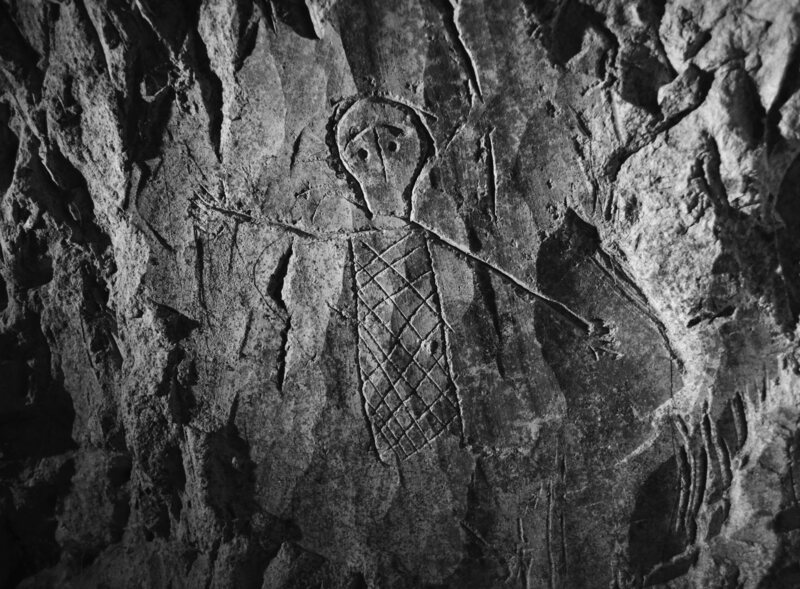 |
| Κατακόμβη 1, Beth She'arim (φωτο: EZRA GABBAY) |
Με αφορμή την έκδοση του νέου βιβλίου της Karen Stern, Writing on the Wall: Graffiti and the Forgotten Jews of Antiquity, στην ιστοσελίδα Atlas Obscura δημοσιεύεται ένα σύντομα ενδιαφέρον άρθρο για τα γραφήματα σε αρχαίους ιουδαϊκούς τάφους. Ήδη σε παλαιότερη ανάρτηση στο ιστολόγιο είχα παρουσιάσει ένα τέτοιο ενδιαφέρον κείμενο από τις κατακόμβες της Beth She'arim.
Η αναζήτηση για τον ιστορικό Ιησού κατά το 19ο αι. / The historical Jesus quest in the 19th c.
Στην ιστοσελίδα The Bible and Interpretation ο Halvor Moxnes δημοσιεύει ένα πολύ ενδιαφέρον άρθρο για το κοινωνικό υπόβαθρο της αναζήτησης για τον ιστορικό Ιησού κατά το 19ο αι. Ο Moxnes εξηγεί πώς αυτή η αναζήτηση συνδέθηκε άμεσα με εθνικιστικές συζητήσεις στην κεντρική Ευρώπη και κυρίως στη Γερμανία και πώς αξιοποιήθηκε στη συνέχεια από το ναζισμό κατά τον 20ο αι.
Τετάρτη 30 Μαΐου 2018
Τα ζώα στα αρχαία χριστιανικά και ραββινικά κείμενα / Animals in early Christian and rabbinic texts
Στην ιστοσελίδα Ancient Jew Review φιλοξενούνται μία σειρά από κείμενα σχετικά με την παρουσία και το ρόλο των ζώων σε αρχαία χριστιανικά και ραββινικά κείμενα:
- R.R. Neis, "When Species Meet in the Mishah"
- Janet Spittler, "Animals in the Way"
- Beth Berkowitz, "The Uppity Donkey and the Distraught Rabbi: Critical Animal Studies and the Talmud"
- C.M. Chin, "After Post, or, Animal Religion in an Age of Extinction"
Το τρέχον τεύχος του SJOT / The current issue of SJOT
Scandinavian Journal of Old Testament 32:1 (2018)
- R. Gnuse, "Samson and Heracles Revisited," 1-19 (abstract)
- T. Hensel, "Die Bedeutung Samarias für die formative Period der alttestamentlichen Theologie- und Literaturgeschichte," 20-48 (abstract)
- Y.-H. Kwon, "Divergence of the Book of Job from Deuteronomic/Priestly Torah: Intertextual Reading between Job and Torah," 49-71 (abstract)
- A. Létourneau, "Beauty, Bath and Beyond: Framing Bathsheba as a Royal Fantasy in 2 Sam 11,1-5," 72-91 (abstract)
- E. Pfoh, "Rethinking the Historiographical Impulse: The History of Ancient Israel as a Problem," 92-105 (abstract)
- R. Schmid, "Prognosis and Postgnosis in Biblical Prophecy," 106-120 (abstract)
- M. Schreiner, "'But He Could Not Warm Himself': Sexual Innuendo and the Place of 1 Kgs 1,1-4," 121-130 (abstract)
- S. Wagner-Tsukamoto, "Rational Religion: Economic Patterns in Old Testament Thought," 131-155 (abstract)
To τρέχον τεύχος του JSJ / The current issue of JSJ
Journal for the Study of Judaism 49:2 (2018)
- Benjamin Edidin Scolnic, "The Festival of Dionysus in 2 Macc 6:7b," 153-164 (abstract)
- Matthew Thiessen, "Protecting the Holy Race and Holy Space: Judith’s Reenactment of the Slaughter of Shechem," 165-188 (abstract)
- Jill Hicks-Keeton, "Aseneth between Judaism and Christianity: Reframing the Debate," 189-222 (abstract)
- Deborah Forger, "Divine Embodiment in Philo of Alexandria," 223-262 (abstract)
- Sarit Kattan Gribetz, "Zekhut Imahot: Mothers, Fathers, and Ancestral Merit in Rabbinic Sources," 263-296 (abstract)
Σάββατο 19 Μαΐου 2018
To 1 Ενώχ και η σημασία του / 1 Enoch and its significance
Ο Philip Esler δημοσιεύει στην ιστοσελίδα The Bible and Interpretation ένα σύντομο αλλά εξαιρετικά ενδιαφέρον άρθρο για το 1 Ενώχ, τους συγγραφείς του και τη σημασία του:
Το τρέχον τεύχος του JSOT / The current issue of JSOT
Journal for the Study of the Old Testament 42:3 (2018)
- Louis C. Jonker, "Chronicles in an (Un)Changing World: The ‘Persian Context’ in Biblical Studies," 267-283 (abstract)
- Stuart A. Irvine, "‘Is Anything Too Hard for Yahweh?’: Fulfillment of Promise and Threat in Genesis 18–19" 285-302 (abstract)
- Karl G. Wilcox, "Job, His Daughters and His Wife," 303-315 (abstract)
- Sarah Schwartz, "Bridge over Troubled Waters: Psalm 147," 317-339 (abstract)
- Christopher Meredith, "‘Eating Sex’ and the Unlovely Song of Songs: Reading Consumption, Excretion and D.H. Lawrence," 341-362 (abstract)
- Csaba Balogh, "The Problem with Isaiah's So-Called ‘Refrain Poem’: A New Look at the Compositional History of Isaiah 9.7–20," 363-390 (abstract)
Το τρέχον τεύχος του CBQ / The current issue of CBQ
Catholic Biblical Quarterly 28:2 (2018)
- Anne Marie Kitz, "To Be or Not to Be, That Is the Question: Yhwh and Ea," 191-214
- Mark S. Smith , "Before Human Sin and Evil: Desire and Fear in the Garden of God," 215-230
- Isabel Cranz, "Advice for a Successful Doctor's Visit: King Asa Meets Ben Sira," 231-246
- Nathan C. Johnson, "The Passion according to David: Matthew's Arrest Narrative, the Absalom Revolt, and Militant Messianism," 247-272
- Elizabeth E. Shively, "Recognizing Penguins: Audience Expectation, Cognitive Genre Theory, and the Ending of Mark's Gospel," 273-292
- W. Daniel Jackson, "The Logic of Divine Presence in Romans 3:23," 293-305
Εγγραφή σε:
Αναρτήσεις (Atom)