Τετάρτη 18 Φεβρουαρίου 2026

Ένας σκαραβαίος στη Σαρδηνία: δίκτυα και εμπορικές επαφές στην αρχαία Μεσόγειο / A Scarab in Sardinia: Networks and Trade Contacts in the Ancient Mediterranean

 Μια μικρή ανασκαφική είδηση από τη Σαρδηνία προσφέρει μία χρήσιμη πληροφορία για την ανάπτυξη των εμπορικών δικτύων μεταξύ της ανατολικής και δυτικής Μεσογείου κατά την Εποχή του Σιδήρου: στο Nuraghe Ruinas ήρθε στο φως ένας σκαραβαίος/σφραγίδα από στεατίτη με ιερογλυφικούς χαρακτήρες. Δεν έχουν ακόμη δημοσιευθεί λεπτομέρειες για το αντικείμενο, καθώς αυτό βρίσκεται στη διαδικασία συντήρησης και μελέτης, αλλά οι ιερογλυφικοί χαρακτήρες φαίνεται να παραπέμπουν σε σχέσεις με το ανατολικό τμήμα της Μεσογείου. Το εύρημα εντοπίστηκε στην περιοχή μπροστά από το πηγάδι του συγκροτήματος και, σύμφωνα με τις ανακοινώσεις σε ιταλικές σελίδες, έφερε και αργυρό κάλυμμα, κάτι που μπορεί να συνάδει με χρήση ως περίαπτο.

Η είδηση είναι ενδιαφέρουσα, όχι μόνο επειδή τεκμηριώνει τις επαφές με την ανατολική Μεσόγειο (συχνά μέσω της Φοινίκης), αλλά και επειδή προστίθεται σε άλλα παρόμοια ευρήματα της περιοχής. Είναι πιθανόν, επομένως, να παραπέμπει σε σταθερότερες διαδρομές ανταλλαγών και να μην πρόκειται για ένα τυχαίο “εξωτικό” αντικείμενο. 

Σε ένα δεύτερο επίπεδο, το εύρημα παρουσιάζει ενδιαφέρον και για τους βιβλικούς ερευνητές: μας θυμίζει ότι οι λαοί της Βίβλου ζούσαν μέσα σε μία Μεσόγειο γεμάτη κινητικότητα κι ήταν οργανωμένοι σε εμπορικά και άλλα δίκτυα. Ο μικρός αυτός σφραγιδόλιθος, λοιπόν, μπορεί να λειτουργήσει ως υλικό τεκμήριο για να σκεφτούμε τις σχέσεις εμπορίου και εξουσίας που προϋποθέτουν ή περιγράφουν τα βιβλικά κείμενα. Ο ρόλος άλλωστε της Φοινίκης (Τύρου και Σιδώνος, για παράδειγμα), ως εμπορικών κέντρων και σημαντικών κόμβων στα αρχαία θαλάσσια κι εμπορικά δίκτυα, μαρτυρείται μέσα στη Βίβλο. Επιπλέον, το εύρημα γεννά γόνιμα ερευνητικά ενδιαφέροντα, όπως, για παράδειγμα, για το ποιος το φορούσε ή το χρησιμοποιούσε και ποια λειτουργία εξυπηρετούσε. Ή για το ποια είναι η σχέση του συγκεκριμένου αντικειμένου με το χώρο στον οποίο βρέθηκε. 

Lauren K. McCormick, "Phoenician Scarab Discovered in Sardinia"  (Bible History Daily)

Επιπλέον βιβλιογραφία

Vanessa Boschloos, "Sardinia, Etruria, Cyprus and the Phoenician Homeland: Reflections on Distribution, Chronology, Typology and Iconography of Scarabs from a ‘Tyrian Group’" (2018) 

W. Culican, “The Iconography of Some Phoenician Seals and Seal ImpressionsAJBA 1/1 (1968): 50-103

E. Matisoo-Smith et al., "Ancient mitogenomes of Phoenicians from Sardinia and Lebanon: A story of settlement, integration, and female mobility,"  PLoS ONE 13/1 (2018)

------------------------------------

[ENG

A brief excavation report from Sardinia offers a useful piece of information regarding the development of trade networks between the eastern and western Mediterranean during the Iron Age: at the Nuraghe, a steatite scarab/seal with hieroglyphic characters has come to light. No details about the object have yet been published, as it is currently undergoing conservation and study, but the hieroglyphic characters appear to point to connections with the eastern Mediterranean. The find was located in the area in front of the well of the complex and, according to reports on Italian websites, it also bore a silver cover, which may be consistent with its use a pendant.

The news is interesting not only because it documents contacts with the eastern Mediterranean (often mediated through Phoenicia), but also because it adds to other similar finds from the region. It is therefore possible that it points to more established exchange routes, rather than being a single, incidental "exotic" object.

On a second level, the find is also of interest to biblical scholars: it reminds us that the peoples of the Bible lived within a Mediterranean world full of mobility and were organized into commercial and other networks. This small seal-stone can thus serve as material evidence for reflecting on the trade and power relations that biblical texts presuppose or describe. The role of Phoenicia (Tyre and Sidon, for example) as commercial centers and important nodes in ancient maritime and trade networks is, after all, attested within the Bible. Furthermore, the find raises productive research questions — such as who wore or used it and what function it served, or what the relationship is between this particular object and the space in which it was found.

Lauren K. McCormick, "Phoenician Scarab Discovered in Sardinia"  (Bible History Daily)

Eπιπλέον βιβλιογραφία

Vanessa Boschloos, "Sardinia, Etruria, Cyprus and the Phoenician Homeland: Reflections on Distribution, Chronology, Typology and Iconography of Scarabs from a ‘Tyrian Group’" (2018) 

W. Culican, “The Iconography of Some Phoenician Seals and Seal Impressions” AJBA 1/1 (1968): 50-103

E. Matisoo-Smith et al., "Ancient mitogenomes of Phoenicians from Sardinia and Lebanon: A story of settlement, integration, and female mobility,"  PLoS ONE 13/1 (2018)

Archiv für Religionsgeschichte 27/1 (2025)

 Archiv für Religionsgeschichte 27/1 (2025)

Special section: The Religion of Little Things. Edited by Sandra Blakely and Megan Daniels

  • Sandra Blakely - Megan Daniels, "The Little Things Aren’t Little: Approaching Religious Experience in the Ancient Mediterranean through Small Finds," 3-12 (abstract)
  • Laura Gawlinski, "A Loomweight for Herakles: The Problems and Possibilities of Loomweights in Greek Sanctuaries," 13-36 (abstract)
  • Frederick E. Brenk, "Investigating and Theorizing: The Small Artifacts in the Temple of Isis at Pompeii," 27-58 (abstract)
  • Colleen Elizabeth Kron, "Material Bricolage? The Afterlife of Gold in the Orphic-Bacchic Lamellae," 59-88 (OA)
  • Caitie Barrett, "Small Things Remembered: Scale, Materiality, and the Archaeology of Religion," 89-100 (abstract)

Varia

  • Miranda Amey Black, "Zeus’ Proxy Womb: The Myth of Dionysus and Alternative Medicine in Soranus’ Gynecology," 103-124 (OA)
  • Dane Scott, "Chaining Gods: Ritualized Coercion and the Excessive Agency of Bound Cult Images in the Ancient Mediterranean," 125-146 (abstract)
  • Emrys Schlatter, "An Egyptian God in a Greek Pantheon? Sarapis, Egyptian Dreams, and Sacred Texts in Ailios Aristeides’ Hieroi Logoi and Hymn to Sarapis," 147-168 (OA)

Τρίτη 17 Φεβρουαρίου 2026

Δειπνώντας με τον Διόνυσο: εικονογραφία, συμβολισμός και καθημερινότητα / Dining with Dionysos: Iconography, Symbolism, and Everyday Life

Η διονυσιακή μεγαλογραφία στην αποκαλούμενη
“Οικία του Θιάσου” (Regio IX – Insula 10), Πομπηία. Φ
ωτο: Parco Archeologico di Pompei

Στην Πομπηία, τοιχογραφίες μαινάδων με σπαθιά και σατύρους με κέρατα κρασιού στολίζουν μια πολυτελή τραπεζαρία όπου οι πλούσιοι οικοδεσπότες του 1ου αιώνα π.Χ. φιλοξενούσαν τους καλεσμένους τους σε εκστατικά συμπόσια. Η διονυσιακή "μεγαλογραφία" (τοιχογραφία με παραστάσεις μεγαλύτερες του φυσικού μεγέθους και θέματα μυθολογικά/θρησκευτικά) που ήρθε στο φως στη λεγόμενη "Οικία του Θιάσου" στην Πομπηία (Regio IX - Insula 10) μας προσφέρει κάτι περισσότερο από ένα εντυπωσιακό εικονογραφικό σύνολο. Μας βοηθά να κατανοήσουμε πώς η ρωμαϊκή οικία, ειδικά στο χώρο του συμποσίου, μπορούσε να οργανώνει την εμπειρία του κοινού δείπνου και να αποτυπώνει την κοινωνική δομή αλλά και την υπέρβασή της, μέσα από μία εικονογραφική αφήγηση με βαθύ συμβολικό περιεχόμενο.

Ένα πρόσφατο άρθρο στο Archaeology Magazine (Μάρτιος-Απρίλιος 2026) παρουσιάζει τη σημαντική ανακάλυψη μιας αριστοκρατικής κατοικίας στην Πομπηία με την αίθουσα συμποσίων να είναι διακοσμημένη με παραστάσεις διονυσιακής λατρείας και μία σκηνή μύησης γυναίκας στα μυστήρια του θεού.  Η οικία ονομάστηκε "Οικία του θιάσου". Oι τοιχογραφίες της χρονολογούνται στα 40-30 π.Χ. και έχουν στυλιστικές και θεματικές ομοιότητες με τις παραστάσεις από τη Βίλλα των Μυστηρίων.  Οι μορφές κινούνται στον κόσμο του διονυσιακού θιάσου: μαινάδες, σάτυροι, μουσική, θήρα, υπαινιγμοί βίας και “άγριας” έντασης, μαζί με την ατμόσφαιρα της μέθης και έκστασης. 

Οπωσδήποτε η παρουσία τέτοιων διονυσιακών παραστάσεων στους τοίχους μιας ρωμαϊκής οικίας δεν σημαίνει αυτόματα και τη λατρεία του Διονύσου από τους ενοίκους της. Σημαίνει, όμως, ότι το συμπόσιο πλαισιώνεται από ένα συμβολικό λεξιλόγιο που καθιστά το δείπνο πολιτισμικό γεγονός και όχι απλώς κατανάλωση.

Ένας προβληματισμός

Αν τώρα μετακινηθούμε—ερμηνευτικά κι όχι αποδεικτικά—προς τον υλικό πολιτισμό των πρώτων χριστιανών, η Πομπηία λειτουργεί ως χρήσιμος “καθρέφτης κανονικότητας”. Στον 1ο αιώνα οι χριστιανικές συναθροίσεις είναι σε μεγάλο βαθμό κατ' οίκον. Λαμβάνουν χώρα, επομένως, μέσα σε ήδη υπάρχοντες οικιακούς χώρους (δωμάτια υποδοχής/δείπνου, αυλές, περιστύλια). Αυτό σημαίνει ότι η νέα ταυτότητα δεν εκδηλώνεται σε ειδικά σχεδιασμένους, “ουδέτερους” χώρους, αλλά μέσα σε σπίτια με προϋπάρχουσα χωροταξία και εικονογραφία. 

Οπωσδήποτε η κοινωνική διαστρωμάτωση και κατ' επέκταση το ζήτημα των χώρων σύναξης των χριστιανών παραμένει ανοικτό στην έρευνα. Ακόμη όμως κι αν μιλάμε για σπίτια κατώτερων τάξεων, μπορούμε να αποκλείσουμε την παρουσία διονυσιακής ή άλλης "ειδωλολατρικής" διακόσμησης σε αυτά; Αρχαιολογικά δεδομένα από το Herculaneum και αλλού δείχνουν τοιχογραφίες ακόμη και σε insulae (πολυκατοικίες), με τα διονυσιακά θέματα να είναι από τα πιο δημοφιλή. Πώς διαπραγματεύονταν οι πρώιμοι χριστιανοί την εικονογραφία του περιβάλλοντός τους; Την αγνοούσαν; Την επανερμήνευαν; Την δέχονταν ως μέρος του πολιτισμικού τους κόσμου; Πώς επηρέαζε, για παράδειγμα, η παρουσία μαινάδων σε έκσταση, σατύρων με κρασί και σκηνών μύησης τον τρόπο που βίωναν το δικό τους κοινό γεύμα και την Ευχαριστία;

Benjamin Leonard, “Pompeii’s House of Dionysian Delights” (March/April 2026) [Archaeology Magazine]  

Σύντομη βιβλιογραφία
  • Parco Archeologico di Pompei, “Pompeii, discovery of a room with frescoes depicting the initiation into the mysteries and the Dionysiac procession” (26 Feb 2025)
  • Elaine K. Gazda,  (ed.). Roman Art in the Private Sphere: New Perspectives on the Architecture and Decor of the Domus, Villa, and Insula. Ann Arbor: University of Michigan Press, 1991
  • David G. Horrell, “Domestic Space and Christian Meetings at Corinth: Imagining New Contexts and the Buildings East of the Theatre,” NTS 50/3 (2004): 349–369
  • Richard Last, The Earliest History of the Christian Gathering (OA)
  • Fiachra Mac Góráin,  (ed.). Dionysus and Rome: Religion and Literature. Berlin/Boston: De Gruyter, 2019
  • Francesco Massa, Tra la vigna e la croce: Dioniso nei discorsi letterari e figurativi cristiani (II-IV secolo). Stuttgart: Franz Steiner Verlag, 2014
  • Dennis E. Smith, From Symposium to Eucharist: The Banquet in the Early Christian World. Minneapolis: Fortress, 2003
    --------------------------------------
[ENG]

In Pompeii, frescoes of maenads wielding swords and satyrs holding wine horns adorn a luxurious dining room where wealthy hosts of the 1st century BC entertained their guests at ecstatic symposia. The Dionysian "megalography" (wall painting with figures larger than life-size and mythological/religious themes) that came to light in the so-called "House of the Thiasus" in Pompeii (Regio IX - Insula 10) offers us something more than an impressive iconographic ensemble. It helps us understand how the Roman house, especially in the symposium space, could organize the experience of communal dining and reflect social structure as well as its transcendence, through an iconographic narrative with deep symbolic content.

A recent article in Archaeology Magazine (March/April 2026) presents the significant discovery of an aristocratic residence in Pompeii with its symposium hall decorated with scenes of Dionysian worship and a scene of a woman's initiation into the mysteries of the god. The house was named "House of the Thiasus." Its frescoes are dated to 40-30 BC and have stylistic and thematic similarities with the representations from the Villa of the Mysteries. The figures move in the world of the Dionysian thiasus: maenads, satyrs, music, hunting, hints of violence and "wild" intensity, along with the atmosphere of intoxication and ecstasy.

Certainly, the presence of such Dionysian representations on the walls of a Roman house does not automatically mean worship of Dionysus by its inhabitants. It does mean, however, that the symposium is framed by a symbolic vocabulary that makes dining a cultural event and not mere consumption.

A Reflection

If we now shift—interpretively rather than demonstratively—toward the material culture of the first Christians, Pompeii functions as a useful "mirror of normality." In the 1st century, Christian gatherings largely took place in homes. They occurred, therefore, within already existing domestic spaces (reception/dining rooms, courtyards, peristyles). This means that the new identity was not expressed in specially designed, "neutral" spaces, but within houses with pre-existing spatial organization and iconography.

Certainly, social stratification and by extension the question of Christian meeting spaces remains open to research. But even if we are talking about lower-class houses, can we exclude the presence of Dionysian or other "pagan" decoration in them? Archaeological evidence from Herculaneum and elsewhere shows wall paintings even in insulae (apartment buildings), with Dionysian themes being among the most popular. How did early Christians negotiate the iconography of their environment? Did they ignore it? Did they reinterpret it? Did they accept it as part of their cultural world? How did the presence of maenads in ecstasy, satyrs with wine, and initiation scenes affect the way they experienced their own communal meal and the Eucharist?

Benjamin Leonard, “Pompeii’s House of Dionysian Delights” (March/April 2026) [Archaeology Magazine]  

Additional bibliography
  • Parco Archeologico di Pompei, “Pompeii, discovery of a room with frescoes depicting the initiation into the mysteries and the Dionysiac procession” (26 Feb 2025)
  • Elaine K. Gazda,  (ed.). Roman Art in the Private Sphere: New Perspectives on the Architecture and Decor of the Domus, Villa, and Insula. Ann Arbor: University of Michigan Press, 1991
  • David G. Horrell, “Domestic Space and Christian Meetings at Corinth: Imagining New Contexts and the Buildings East of the Theatre,” NTS 50/3 (2004): 349–369
  • Richard Last, The Earliest History of the Christian Gathering (OA)
  • Fiachra Mac Góráin,  (ed.). Dionysus and Rome: Religion and Literature. Berlin/Boston: De Gruyter, 2019
  • Francesco Massa, Tra la vigna e la croce: Dioniso nei discorsi letterari e figurativi cristiani (II-IV secolo). Stuttgart: Franz Steiner Verlag, 2014
  • Dennis E. Smith, From Symposium to Eucharist: The Banquet in the Early Christian World. Minneapolis: Fortress, 2003
    ---------

Κυριακή 15 Φεβρουαρίου 2026

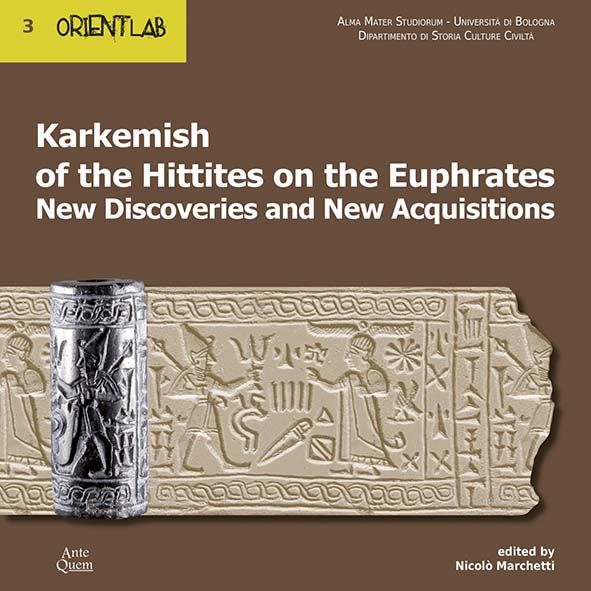
OA: Ένας νέος εικονογραφημένος οδηγός για την / OA: A New Illustrated Guide to Karkemish

(via AWOL)

Κυκλοφόρησε πρόσφατα ένας ιδιαίτερα χρήσιμος κατάλογος έκθεσης με υλικό από την αρχαία Καρχεμίς. Πρόκειται για έκδοση του OrientLab, με αντικείμενα που παρέχουν πολύτιμη μαρτυρία για τη διοίκηση, την κοινωνική ιεραρχία και τις λατρευτικές πρακτικές στη βόρεια Συρία και τη ΝΑ Ανατολία κατά την Ύστερη Εποχή του Χαλκού (περίπου 1600–1200 π.Χ.) και την Πρώιμη Εποχή του Σιδήρου (1200–800 π.Χ.). Εκτός από τα κείμενα, ο κατάλογος περιέχει πλούσιο και ενδιαφέρον οπτικό υλικό και κυκλοφορεί ως open access (CC BY-NC-SA 4.0).

Η Καρχεμίς υπήρξε ένας σημαντικός εμπορικός και στρατιωτικός κόμβος στη δυτική όχθη του Ευφράτης, κοντά στα σημερινά σύνορα ΤουρκίαςΣυρίας. Η έκθεση του OrientLab μάς ανοίγει παράθυρο σε έναν κόσμο όπου η εξουσία δεν εκφράζεται μόνο με «μεγάλα» μνημεία, αλλά και μέσα από μικρότερα τεκμήρια: σφραγίδες, δακτυλικά αποτυπώματα πάνω στον πηλό, εικονογραφικές παραστάσεις που υποδηλώνουν εξουσία και κύρος, καθώς και συστήματα ελέγχου της διακίνησης αγαθών. Αυτά τα υλικά ίχνη καθιστούν απτό κάτι που συχνά περιγράφουμε αφηρημένα: πώς οργανώνεται η διοίκηση, πώς δηλώνεται η ταυτότητα, ποιος έχει πρόσβαση σε μηχανισμούς ελέγχου και εξουσίας. Και εδώ ο κατάλογος προσφέρει «νέα δεδομένα»—με αδημοσίευτα αντικείμενα και νέα τεκμηρίωση—ώστε ο αναγνώστης να μη μένει σε μια γενική περιγραφή, αλλά να βλέπει πώς αυτή στηρίζεται σε συγκεκριμένα υλικά τεκμήρια.

Ανάμεσα στα πολλά και ενδιαφέροντα εκθέματα σημειώνω εδώ τρία. Πρώτον, τις σφραγίδες με αρ. καταλ. 27–30, με παραστάσεις γυναικείας μορφής που κρατά ράβδο εξουσίας και παραπέμπουν στις γυναίκες κατόχους τους. Δεύτερον, την κρεμαστή σφραγίδα με αρ. καταλ. 26, η οποία πιθανότατα ήταν δεμένη ίσως σε ξύλινη πινακίδα. Τρίτον, το μπρούντζινο ειδώλιο του Θεού της Καταιγίδας, με αρ. καταλ. 44, που μας οδηγεί στη λατρεία και στην υλικότητα της θρησκευτικότητας στον αρχαίο κόσμο.

Nicoló Marcetti, Karkemish of the Hittites on the Euphrates: New Discoveries and New Acquisitions (2025)

Περαιτέρω βιβλιογραφία

OrientLab, "Karkemish"

----------------------------------------

[ENG

A particularly useful exhibition catalogue featuring material from ancient Karkemish has recently been published. Issued by OrientLab, it presents objects that provide valuable evidence for administration, social hierarchy, and cultic practices in northern Syria and southeastern Anatolia during the Late Bronze Age (ca. 1600–1200 BCE) and the Early Iron Age (1200–800 BCE). In addition to its texts, the catalogue includes rich and engaging visual documentation and is available open access (CC BY-NC-SA 4.0).

Karkemish was a major commercial and military hub on the western bank of the Euphrates, near today’s Turkey–Syria border. The OrientLab exhibition opens a window onto a world in which power was expressed not only through “monumental” architecture, but also through smaller-scale evidence: seals, fingerprints impressed in clay, iconographic scenes that signal authority and prestige, and systems for controlling the circulation of goods. These material traces make tangible what we often describe in abstract terms: how administration was organized, how identity was articulated, and who had access to mechanisms of control and power. Here the catalogue offers “new data”—including unpublished objects and updated documentation—so that the reader is not left with a general overview, but can see how the larger picture is grounded in specific material evidence.

Among the many interesting exhibits, I highlight three here. First, the seals catalogued as nos. 27–30, which depict a female figure holding a staff of authority and point to their female owners. Second, the hanging seal, catalogue no. 26, which was most likely tied—perhaps to a wooden tablet. Third, the bronze figurine of the Storm God, catalogue no. 44, which leads us into questions of cult and the materiality of religious life in the ancient world.

Nicoló Marcetti, Karkemish of the Hittites on the Euphrates: New Discoveries and New Acquisitions (2025)

Further reading

OrientLab, "Karkemish"

Σάββατο 14 Φεβρουαρίου 2026

Στο τρέχον τεύχος του European Journal of Theology / In the current issue of European Journal of Theology

 European Journal of Theology 34/2 (2025)

Jens Dörpinghaus, "The Portrayal of a Mediator: The Social Network of Peter in Luke–Acts," 225-248 (abstract)

Παρασκευή 13 Φεβρουαρίου 2026

Από την παλαιογραφία στην υπολογιστική ανάλυση: προς μια νέα μεθοδολογία χρονολόγησης των χειρογράφων της Νεκράς Θάλασσας / From Paleography to Computational Analysis: Toward a New Methodology for Dating the Dead Sea Scrolls

 Σε πρόσφατο άρθρο τους στην ιστοσελίδα Bible Interpretation ("Redating the Dead Sea Scrolls and the Book of Daniel"), οι Ian Young, Gareth Wearne και Evan Caddy (Australian Catholic University) αξιοποιούν νέα δεδομένα ραδιοχρονολόγησης και ανάλυσης γραφής με τεχνητή νοημοσύνη (Popović κ.ά., PLoS One 2025) για να επανεξετάσουν τη χρονολόγηση χειρογράφων της Νεκράς Θάλασσας, εστιάζοντας στο 4Q114 (4QDanc), που περιλαμβάνει τμήματα των κεφαλαίων 10–11 του Δανιήλ. Το εύρος 230–160 π.Χ. που προτείνει η νέα ανάλυση είναι συμβατό με τη χρονολόγηση του βιβλίου στην εποχή του Αντιόχου Δ΄ Επιφανούς, και οι συγγραφείς αντιμετωπίζουν τα δεδομένα με μεθοδολογική προσοχή, αποφεύγοντας τις υπεραπλουστεύσεις ορισμένων «συντηρητικών» αναγνώσεων. Ιδιαίτερα εύστοχο είναι το δεύτερο μέρος του άρθρου, που ιχνηλατεί την ερμηνευτική ιστορία των αποκαλυπτικών οραμάτων του Δανιήλ — από τον Ιππόλυτο Ρώμης και τον Εφραίμ τον Σύρο έως τη σύγχρονη αμερικανική ευαγγελική πολιτική — δείχνοντας πώς η αποκαλυπτική εικονογραφία επανερμηνεύεται διαρκώς για να απαντήσει σε νέες κρίσεις. Ωστόσο, αξίζει να σημειωθεί ότι η ανατολική ερμηνευτική παράδοση εκπροσωπείται ελάχιστα: απουσιάζουν οι βυζαντινοί σχολιαστές, ενώ η συριακή παράδοση περιορίζεται σε δύο μόνο ονόματα. Πώς διαμορφώθηκε η πρόσληψη του Δανιήλ στον ελληνόφωνο χριστιανικό κόσμο μετά τον Ιππόλυτο; Και σε ποιο βαθμό οι νέες μέθοδοι χρονολόγησης μπορούν να αναδιαμορφώσουν τη συζήτηση για τη σχέση υλικών τεκμηρίων και ερμηνευτικής παράδοσης; Ένα άρθρο που αξίζει τον χρόνο κάθε αναγνώστη που ενδιαφέρεται για τη Νεκρά Θάλασσα, τον Δανιήλ και τη ζωντανή δυναμική των βιβλικών κειμένων.

Η συμβολή του κειμένου είναι διπλή. Πρώτον, βοηθά να αποσαφηνιστεί τι μπορεί (και τι δεν μπορεί) να υποστηρίξει η ραδιοχρονολόγηση με C14: χρονολογεί πρωτίστως το υλικό φορέα (π.χ. περγαμηνή), σε διαστήματα πιθανότητας και δεν προτείνει μία «ακριβή» χρονολογία. Δεύτερον, καθιστά πιο ορατό το πώς η παλαιογραφική εφαρμογή της ΑΙ, εκπαιδευμένης σε περιορισμένο σύνολο δειγμάτων χρονολογημένων με C14, επιχειρεί να χρονολογήσει περισσότερα χειρόγραφα. Αυτή είναι μια πολλά υποσχόμενη εξέλιξη, η οποία όμως βρίσκεται ακόμη σε φάση ελέγχου και συζήτησης.

Για περαιτέρω μελέτη

------------------------------------
[ENG]
In a recent article on the Bible Interpretation website ("Redating the Dead Sea Scrolls and the Book of Daniel"), Ian Young, Gareth Wearne, and Evan Caddy (Australian Catholic University) draw on new radiocarbon dating data and AI-assisted handwriting analysis (Popović et al., PLoS One 2025) to reassess the dating of Dead Sea Scrolls manuscripts, focusing on 4Q114 (4QDanc), which preserves portions of Daniel chapters 10–11. The range of 230–160 BCE suggested by the new analysis is compatible with dating the book to the era of Antiochus IV Epiphanes, and the authors treat the data with methodological caution, avoiding the oversimplifications of certain "conservative" readings. Particularly effective is the second part of the article, which traces the interpretive history of Daniel's apocalyptic visions — from Hippolytus of Rome and Ephrem the Syrian to contemporary American evangelical politics — showing how apocalyptic imagery is continually reinterpreted to address new crises. It is worth noting, however, that the eastern interpretive tradition is minimally represented: Byzantine commentators are absent, while the Syriac tradition is limited to just two names. How did the reception of Daniel develop in the Greek-speaking Christian world after Hippolytus? And to what extent can new dating methods reshape the discussion on the relationship between material evidence and interpretive tradition? An article well worth the time of any reader interested in the Dead Sea Scrolls, Daniel, and the living dynamic of biblical texts.

The contribution of this article is twofold. First, it helps clarify what radiocarbon (C14) dating can (and cannot) support: it primarily dates the material carrier (e.g., parchment) within probability intervals and does not propose a single "precise" date. Second, it makes more visible how a paleographic application of AI, trained on a limited set of C14-dated samples, attempts to date additional manuscripts. This is a very promising development, which is nevertheless still in a phase of scrutiny and discussion.

For further reading

Biblical Annals 16/1 (2026)

 Biblical Annals 16/1 (2026)

  • Tomasz Bartłomiej Bąk, "Critical Editing and Philological Analysis of the First Chapters of Trito-Isaiah (Isa 56–57) Based on the Coptic Manuscript sa 52 (M 568) and Other Coptic Manuscripts in the Sahidic Dialect and the Greek Text of the Septuagint," 1-25 (OA)
  • Joanna Nowińska, "The Presence and the Role of Senses in Proto-Apocalyptic Book of Joel," 27-42 (OA)
  • Marcin Biegas, "King David as a Righteous Man in the Light of Qumran Literature and Post-Biblical Texts of Early Judaism," 43-66 (OA)
  • Janusz Kręcidło, "What Is the Sin of Blasphemy against the Holy Spirit, and Why Is It Unforgivable (Mark 3:28-30 and Parallels)?" 97-113 (OA)
  • William Bowes, "John’s Farewell Discourse under the Shadow of Mark," 115-140 (OA)
  • Tomasz Tułodziecki, "Verifying Biblical Allusions in John 1:51: A Methodological Framework for Genesis Reception Studies," 141-158 (OA)
  • Łukasz Zakonnik, "Polish Bibles from the 16th Century: A Review of Copies, Characteristics and Factors Affecting Prices on the Polish Antiquaria Auction Market," 159-188 (OA) [πολωνικά/polish] 

Πέμπτη 12 Φεβρουαρίου 2026

Takamitsu Muraoka (1938–2026)


Φωτο: Koine-Greek blog
Στις 10 Φεβρουαρίου 2026 έφυγε από τη ζωή ο ομότιμος καθηγητής Εβραϊκής Γλώσσας και Γραμματείας στο Πανεπιστήμιο του Leiden, Takamitsu Muraoka. Ο εκλιπών υπήρξε ένας από τους σημαντικότερους μελετητές της Μετάφρασης των Εβδομήκοντα (Ο΄) των τελευταίων δεκαετιών.

Γεννημένος στις 9 Φεβρουαρίου 1938 στη Χιροσίμα, σπούδασε γενική γλωσσολογία και βιβλικές γλώσσες στο Tokyo University of Education και ολοκλήρωσε τη διδακτορική του διατριβή (Emphasis in Biblical Hebrew) στο Hebrew University of Jerusalem (1970). Δίδαξε σημιτικές γλώσσες στο Πανεπιστήμιο του Manchester (1970–1980), στο Πανεπιστήμιο της Melbourne (1980–1991) και εβραϊκή γλώσσα στο Πανεπιστήμιο του Leiden (1991–2003). 

Η συμβολή του στη μελέτη των βιβλικών γλωσσών υπήρξε καθοριστική. Μεταξύ των σημαντικότερων έργων του συγκαταλέγονται: η ριζική αναθεώρηση και μετάφραση στα αγγλικά της Grammaire de l'hébreu biblique του P. Joüon (A Grammar of Biblical Hebrew, 1991, ²2006), το A Greek-English Lexicon of the Septuagint (2009) — το πληρέστερο λεξικό της Ο΄ που υπάρχει σήμερα — και το A Syntax of Septuagint Greek (2016), η πρώτη ολοκληρωμένη γραμματική της ελληνικής των Εβδομήκοντα. Εξίσου σημαντικά είναι τα έργα του για άλλες αρχαίες γλώσσες της Εγγύς Ανατολής. 

Το 2017 τιμήθηκε με το Burkitt Medal της British Academy για την εξαιρετική συμβολή του στη μελέτη της εβραϊκής γραμματικής και σύνταξης και των Ο΄. Μετά τη συνταξιοδότησή του, αφιέρωσε το χρόνο του στην εθελοντική διδασκαλία βιβλικών γλωσσών σε ασιατικές χώρες που είχαν υποφέρει από τον ιαπωνικό μιλιταρισμό, πράξη βαθιάς προσωπικής συμφιλίωσης που περιέγραψε στο βιβλίο My Via Dolorosa: Along the Trails of the Japanese Imperialism in Asia (2016).

Ο Takamitsu Muraoka υπήρξε σημαντικός μελετητής της βιβλικής φιλολογίας, Το έργο του αποτελεί πολύτιμη παρακαταθήκη για τις επόμενες γενιές ερευνητών. Αιωνία η μνήμη του.

---------------------------------------

[ENG]

It is with deep sadness that we learned of the passing of Takamitsu Muraoka on February 10, 2026. Muraoka, Professor Emeritus of Hebrew Language and Literature at Leiden University, was one of the most important Semiticists and Septuagint scholars of recent decades.

Born on February 9, 1938 in Hiroshima, he studied general linguistics and biblical languages at the Tokyo University of Education and completed his doctoral dissertation (Emphasis in Biblical Hebrew) at the Hebrew University of Jerusalem (1970). He taught Semitic languages at the University of Manchester (1970–1980), Middle Eastern Studies at the University of Melbourne (1980–1991), and Hebrew at Leiden University (1991–2003).

His contribution to the study of biblical languages was decisive. Among his most important works are: the thorough revision and English translation of P. Joüon's Grammaire de l'hébreu biblique (A Grammar of Biblical Hebrew, 1991, 2nd ed. 2006), A Greek-English Lexicon of the Septuagint (2009) — the most comprehensive lexicon of the LXX available today — and A Syntax of Septuagint Greek (2016), the first complete grammar of LXX Greek. Equally significant are his works on Qumran Aramaic, Egyptian Aramaic, and Classical Syriac.

In 2017 he was awarded the Burkitt Medal by the British Academy for his outstanding contribution to the study of Hebrew grammar and syntax and the Septuagint. After his retirement, he devoted decades to the voluntary teaching of biblical languages in Asian countries that had suffered under Japanese militarism — an act of profound personal reconciliation that he recounted in My Via Dolorosa: Along the Trails of the Japanese Imperialism in Asia (2016).

Takamitsu Muraoka was a giant of biblical philology, whose work will continue to shape the study of Hebrew, Aramaic, and LXX Greek for generations of scholars to come. May his memory be eternal.

Journal for the Study of the Old Testament 50/3 (2026)

 Journal for the Study of the Old Testament 50/3 (2026)

  • Phillip Michael Sherman, "Houses full of owls: Oracular owls in Isaiah," 231-250 (abstract)
  • Jihye Yu, "Cultural memory in Deuteronomy 4 and 32," 251-271 (abstract)
  • Zara Zhang, "Sintflut and Sinai: Genesis 6–8’s allusion to Exodus 24–40," 272-298 (OA)
  • Stuart Lasine, "Cain and the book of Jonah," 299-314 (abstract)
  • Ole Martin Moen, "Elisha—predatory prophet?" 315-332 (OA)
  • Samantha J. Scott, "Provisioning the Persians and the prophetic imagination: Reconceiving subversion and sovereignty in 2 Kings 6.8–23," 333-347 (abstract)  


Τετάρτη 11 Φεβρουαρίου 2026

Οι φθεγγόμενοι λίθοι: επιγραφές και Καινή Διαθήκη (Ι) / The Stones that Speak: Inscriptions and the New Testament World (Ι)

 Σημειώσεις για την επιγραφική μαρτυρία και τον κόσμο της Καινής Διαθήκης.

Κάθε μήνα, κατά κανόνα την πρώτη Δευτέρα.


Οι επιγραφές —κείμενα, δηλαδή, γραμμένα επάνω σε σκληρές επιφάνειες (πέτρα, μέταλλο, κεραμικά και άλλα υλικά)— αποτελούν αναμφισβήτητα μία ιδιαίτερα σημαντική μορφή του αρχαίου γραπτού πολιτισμού. Δεν έχουμε μπροστά μας μόνο «λέξεις», αλλά υλικά μνημεία που στήνονται, εκτίθενται και διαβάζονται σε συγκεκριμένους χώρους: στην αγορά, στα ιερά, στα δημόσια κτήρια, κατά μήκος των οδών ή στις νεκροπόλεις. Με άλλα λόγια, η επιγραφή είναι ταυτόχρονα κείμενο και αντικείμενο· και ακριβώς γι’ αυτό λειτουργεί ως τεκμήριο μνήμης, τιμής, εξουσίας, ευσέβειας, πένθους, προσδοκιών — αλλά και ως ίχνος κοινωνικών σχέσεων μέσα στο δημόσιο (ή ημι-δημόσιο) χώρο της πόλης.

Αυτή η «υλικότητα» της γραφής έχει ιδιαίτερη σημασία για την κατανόηση του κόσμου της Καινής Διαθήκης. Οι πρώτες χριστιανικές κοινότητες δε γεννήθηκαν μέσα σε ιστορικό κενό· έζησαν μέσα σε ένα συγκεκριμένο κοινωνικό και πολιτισμικό περιβάλλον, στον ελληνορωμαϊκό κόσμο και, ειδικότερα, στην ανατολική ρωμαϊκή αυτοκρατορία, όπου η ελληνική γλώσσα λειτουργεί σε μεγάλο βαθμό ως κοινός κώδικας δημόσιας επικοινωνίας. Τα κείμενα της Καινής Διαθήκης γράφονται, διαβάζονται και ερμηνεύονται μέσα σε αυτό το πλαίσιο σχέσεων και θεσμών: μέσα σε πόλεις, δίκτυα, καθώς και σε ένα πολυεπίπεδο θρησκευτικό οικοσύστημα. Επομένως, η ερμηνεία των κειμένων δεν μπορεί να αποκοπεί από τον κόσμο που τα περιβάλλει. Αυτός ο κόσμος δεν είναι ένα γενικό και αόριστο σκηνικό, αλλά ένα δυναμικό πεδίο αλληλεπιδράσεων.

Σε αυτό ακριβώς το σημείο η επιγραφική μαρτυρία μπορεί να αποδειχθεί πολύτιμη. Οι επιγραφές καλύπτουν ένα ευρύ φάσμα της ιδιωτικής και δημόσιας ζωής και συχνά διασώζουν λεπτομέρειες που δεν αποτυπώνονται αλλού με τον ίδιο τρόπο: μορφές δημόσιου λόγου, πρακτικές τιμής και μνήμης, θεσμικές σχέσεις, τοπικές ιδιαιτερότητες, καθώς και φωνές κοινωνικών ομάδων που σπανιότερα ακούγονται στις φιλολογικές πηγές. Μπορούν, λοιπόν, να συμβάλουν ουσιαστικά ώστε ο ερμηνευτής της Καινής Διαθήκης και ο ιστορικός των πρώτων χριστιανικών κοινοτήτων να αναπαραστήσουν με μεγαλύτερη ακρίβεια το κοινωνικό περιβάλλον μέσα στο οποίο κινήθηκαν αυτές οι ομάδες και να κατανοήσουν μέσα σε αυτό τον κόσμο των ιδεών τα κείμενα της Καινής Διαθήκης.

Θα πρέπει, ωστόσο, να τονιστεί εξαρχής κάτι αυτονόητο αλλά συχνά παραγνωρισμένο: η επιγραφική δεν είναι «δεξαμενή παραλληλισμών» ούτε εργαλείο για εύκολες επιβεβαιώσεις. Πρόκειται για μία αυτοτελή επιστήμη, με δικά της μεθοδολογικά εργαλεία, η οποία προϋποθέτει κριτική επεξεργασία των δεδομένων. Το γεγονός ότι οι επιγραφές έχουν συχνά αμεσότητα, δεν σημαίνει ότι η χρήση τους είναι απλή· αντιθέτως, η επιγραφή σώζεται αποσπασματικά, φθείρεται, αποκαθίσταται, χρονολογείται, και πάντοτε πρέπει να εντάσσεται στη συνάφεια του μνημείου και του χώρου της.

Εδώ εμφανίζονται συνήθως δύο αντίθετοι κίνδυνοι. Ο πρώτος είναι να υποτιμηθεί η επιγραφική ως «βοηθητική» επιστήμη που απλώς συμπληρώνει άλλες πηγές. Ο δεύτερος είναι να υπερεκτιμηθεί, ζητώντας από τις επιγραφές να απαντήσουν σε ερωτήματα που δεν τις αφορούν ή να λειτουργήσουν ως άμεσες «αποδείξεις» για βιβλικά χωρία. Και στις δύο περιπτώσεις το αποτέλεσμα είναι προβληματικό. Αυτό που χρειάζεται είναι μια ισορροπημένη, μεθοδική προσέγγιση: σαφή ερωτήματα, προσεκτική αξιολόγηση των δεδομένων, καθαρή διάκριση ανάμεσα σε ό,τι πράγματι λέει το μνημείο και στις ερμηνευτικές υποθέσεις που μπορεί να προκύψουν.

Με αυτή τη στόχευση θα κινηθεί και η παρούσα σειρά. Δεν θα επιχειρήσει να συγκεντρώσει «εντυπωσιακές» επιγραφές που μοιάζουν με συγκεκριμένα χωρία, αλλά να δείξει πώς η επιγραφική μαρτυρία μπορεί να συμβάλει στη διαμόρφωση μιας πιο συγκεκριμένης, ιστορικά τεκμηριωμένης εικόνας για τον κόσμο της Καινής Διαθήκης: των θεσμών και των μορφών εξουσίας που διέπουν τη ζωή των πόλεων, των συλλογικών ταυτοτήτων και των κοινωνικών κατηγοριών, των θρησκευτικών οικοσυστημάτων και των πρακτικών τους, της μνήμη και της έκφρασης των συναισθημάτων. Επιπλέον, βοηθούν να κατανοήσουμε το τι σημαίνει να «γράφεται» κάτι δημόσια — και πώς αυτή η δημόσια γραφή λειτουργεί ως μνήμη, ως διάλογος με τον αναγνώστη και ως κοινωνική πράξη.

Το γεωγραφικό και γλωσσικό πλαίσιο της σειράς θα είναι κατά κύριο λόγο οι ελληνόφωνες επιγραφές της ανατολικής ρωμαϊκής αυτοκρατορίας. Η επιλογή αυτή δεν είναι τυχαία: επιτρέπει να εργαστούμε με υλικό που «μιλά» την ίδια γλώσσα με μεγάλο μέρος των κειμένων της Καινής Διαθήκης και να δούμε με μεγαλύτερη καθαρότητα το κοινωνικό πλαίσιο, τη θρησκευτική ατμόσφαιρα, τους πολιτικούς μηχανισμούς και τα οικονομικά δίκτυα του κόσμου μέσα στον οποίο συγκροτούνται οι πρώτες χριστιανικές ομάδες.

Στην επόμενη ανάρτηση (Μάρτιος): Όταν τα γράμματα μέσα σε αγκύλες [ ] γίνονται «γεγονότα». Τι συμβαίνει όταν αποκαθιστούμε μια επιγραφή με βάση το βιβλικό κείμενο—και μετά χρησιμοποιούμε την αποκατάσταση για να «επιβεβαιώσουμε» το ίδιο το βιβλικό κείμενο; Ένα παράδειγμα από την Πάφο της Κύπρου που δείχνει τους κινδύνους της κυκλικής επιχειρηματολογίας—και γιατί αυτό έχει σημασία για την ερμηνεία της Καινής Διαθήκης.

Σημείωση: Η παρούσα ανάρτηση κι όσες θα ακολουθήσουν στη συνέχεια σε αυτήν τη θεματική παρουσιάζει υλικό της υπό εκπόνηση μονογραφίας μου για τις ελληνόφωνες επιγραφές και τον κόσμο της Καινής Διαθήκης.

---------------------------------

[ENG] 

Notes on epigraphic evidence and the world of the New Testament.

Each month, typically the first Monday.


Inscriptions—texts, that is, written on hard surfaces (stone, metal, ceramics, and other materials)—constitute an undeniably significant form of ancient written culture. What we have before us are not merely "words," but material monuments that are erected, displayed, and read in specific spaces: in the agora, in sanctuaries, in public buildings, along roads, or in necropoleis. In other words, an inscription is simultaneously text and object; and precisely for this reason it functions as evidence of memory, honor, power, piety, grief, expectations—but also as a trace of social relationships within the public (or semi-public) space of the city.

This "materiality" of writing is particularly significant for understanding the world of the New Testament. The first Christian communities were not born in a historical vacuum; they lived within a specific social and cultural environment, in the Greco-Roman world and, more specifically, in the eastern Roman Empire, where the Greek language functioned largely as a common code of public communication. The texts of the New Testament were written, read, and interpreted within this framework of relationships and institutions: within cities, networks, and a multilayered religious ecosystem. Therefore, the interpretation of these texts cannot be severed from the world that surrounds them. This world is not a generic and vague backdrop, but a dynamic field of interactions.

It is precisely at this point that epigraphic evidence can prove invaluable. Inscriptions cover a wide spectrum of private and public life and often preserve details that are not captured elsewhere in the same way: forms of public discourse, practices of honor and memory, institutional relationships, local particularities, as well as voices of social groups that are heard less frequently in literary sources. They can, therefore, contribute substantially so that the interpreter of the New Testament and the historian of the early Christian communities can reconstruct with greater accuracy the social environment within which these groups moved and understand within this world of ideas the texts of the New Testament.

It should be emphasized from the outset, however, something self-evident but often overlooked: epigraphy is not a "reservoir of parallels" nor a tool for easy confirmations. It is an autonomous discipline, with its own methodological tools, which requires critical processing of data. The fact that inscriptions often have immediacy does not mean that their use is simple; on the contrary, an inscription survives fragmentarily, deteriorates, is restored, is dated, and must always be situated within the context of the monument and its space.

Here two opposing dangers usually emerge. The first is to underestimate epigraphy as an "auxiliary" discipline that merely supplements other sources. The second is to overestimate it, asking inscriptions to answer questions that do not concern them or to function as direct "proofs" for biblical passages. In both cases the result is problematic. What is needed is a balanced, methodical approach: clear questions, careful evaluation of data, clear distinction between what the monument actually says and the interpretive hypotheses that may emerge.

It is with this aim that the present series will proceed. It will not attempt to gather "impressive" inscriptions that resemble specific passages, but to show how epigraphic evidence can contribute to forming a more concrete, historically grounded picture of the world of the New Testament: of the institutions and forms of power that govern the life of cities, of collective identities and social categories, of religious ecosystems and their practices, of memory and the expression of emotions. Moreover, they help us understand what it means for something to be "written" publicly—and how this public writing functions as memory, as dialogue with the reader, and as social action.

The geographical and linguistic framework of the series will be primarily the Greek-language inscriptions of the eastern Roman Empire. This choice is not accidental: it allows us to work with material that "speaks" the same language as much of the texts of the New Testament and to see with greater clarity the social framework, the religious atmosphere, the political mechanisms, and the economic networks of the world within which the first Christian groups are formed.

Next post (March): When the letters inside square brackets [ ] become "facts." What happens when we restore an inscription based on the biblical text—and then use the restoration to "confirm" that same biblical text? An example from Paphos, Cyprus that shows the dangers of circular reasoning—and why this matters for the interpretation of the New Testament.

Note: This post and those that follow in this series present material from my monograph-in-progress on Greek-language inscriptions and the world of the New Testament.