Εμφάνιση αναρτήσεων με ετικέτα οικονομία. Εμφάνιση όλων των αναρτήσεων

Πέμπτη 12 Μαρτίου 2026

Biblical Theology Bulletin 56/1 (2026)

 Biblical Theology Bulletin 56/1 (2025)

  • Elton L. Hollon, "Cognitive Dissonance And Social-Memory Assessment Of Jesus’s Temple Prophecies," 4-17 (abstract)
  • Philip Esler, "Babatha, En-Gedi And The Bar Kokhba Revolt: A New Approach Using Evidence From The Cave Of Letters," 18-32 (abstract)
  • Peter Joshua Atkins, "Lethal Agents or Locally Extinct: Wild Animals and Divine Violence in the Hebrew Bible," 33-41 (abstract)
  • Dwi Maria Handayani, "The Use of Imprecatory Lament in Religious Violence: A Comparison of Psalm 35 and Surah 2," 42-55 (abstract)
  • Kornelius Lumbanbatu, "Interpreting Matthean Remuneration in a Neoliberal Economy: Expanding Socioeconomic Interpretations of Matthew 20.1-16," 56-66 (abstract

Παρασκευή 20 Φεβρουαρίου 2026

«Οι Ασσύριοι έρχονται» – αλλά πού είναι; / "The Assyrians Are Coming" — But Where Are They?

Mία νέα μελέτη που δημοσιεύεται στη σελίδα The Bible and Interpretation, της  Margreet L. Steiner, με τον χαρακτηριστικό τίτλο “The Assyrians Are Coming” θέτει ένα από τα πιο ενδιαφέροντα ερωτήματα που απασχολούν την αρχαιολογία της Εποχής του Σιδήρου: πώς γίνεται μια αυτοκρατορία που κυριαρχεί στην Εγγύς Ανατολή για περίπου τρεις αιώνες (9ος–7ος αι. π.Χ.) να αφήνει τόσο «φτωχό» και δυσδιάκριτο υλικό αποτύπωμα στο νότιο τμήμα της περιοχής;

Από τον 9ο έως τον 7ο αι. π.Χ., η Ασσυρία επεκτάθηκε συστηματικά στην περιοχή. Ασσύριοι βασιλείς, όπως ο Ασσουρνασιρπάλ Β΄, ο Σαλμανασάρ Γ΄ και ο Τιγλάθ-Φαλασάρ Γ΄, υπέταξαν διάφορα βασίλεια, ανάμεσά τους εκείνα του Ισραήλ και του Ιούδα, ενώ πόλεις, όπως η Μεγιδδώ και η Σαμάρεια, έπεσαν στα ασσυριακά χέρια. Κι όμως, σε αντίθεση με τους μεταγενέστερους Ρωμαίους, που άφησαν ανεξίτηλο το αποτύπωμά τους σε κάθε πτυχή της τοπικής ζωής — από πολεοδομία και ναούς μέχρι κεραμική και γαστρονομία — οι Ασσύριοι σχεδόν «εξαφανίζονται» από το αρχαιολογικό τοπίο μόλις απομακρυνθούμε γεωγραφικά από το κέντρο της ασσυριακής εξουσίας. 

Ενδεικτικά, στην Παλαιστίνη έχουν ανακαλυφθεί μόλις τέσσερις μνημειακές επιγραφές. Η αρχιτεκτονική ασσυριακού τύπου ταυτοποιείται σε λίγες μόνο θέσεις κι ακόμη κι εκεί είναι συνήθως υβριδική — τοπική στην ουσία, ασσυριακή μόνο σε επιμέρους στοιχεία. Χαρακτηριστικό παράδειγμα είναι ο ναός 650 στην Ekron: ο ναός που κτίσθηκε από τοπικό βασιλιά, έχει ασσυριακής έμπνευσης κάτοψη, αφιερώθηκε σε άγνωστη τοπική θεότητα και τα ευρήματά του είναι κατά κύριο λόγο τοπικής ή αιγυπτιακής προέλευσης.

Η Steiner δίνει μία πειστική απάντηση για το λόγο που τα ίχνη της πολιτιστικής διείσδυσης των Ασσυρίων είναι τόσο λίγα. Οι Ασσύριοι δεν ενδιαφέρονταν να εξάγουν τον πολιτισμό τους· ενδιαφέρονταν να ενσωματώσουν τις κατακτημένες περιοχές σε ένα ενιαίο οικονομικό σύστημα — αυτό που η αρχαιολόγος Stefania Mazzoni έχει αποκαλέσει «ασσυριακή κοινή». Το σύστημα αυτό στηριζόταν σε τρεις άξονες: τη δικτύωση των τοπικών οικονομιών σε διαπεριφερειακές αγορές, την καταβολή φόρου-υποτέλειας στον ασσυριακό θρόνο (σε μέταλλα, υφάσματα, άλογα και αγροτικά προϊόντα), και την εντατικοποίηση του εμπορίου πολυτελών αγαθών σε μεγάλες αποστάσεις.

Τα αποτελέσματα αυτής της μορφής διείσδυσης είναι εντυπωσιακά. Η Ekron αναδείχθηκε στο μεγαλύτερο κέντρο παραγωγής ελαιόλαδου στην αρχαία Εγγύς Ανατολή, με πάνω από εκατό εγκαταστάσεις έκθλιψης που παρήγαγαν εκατοντάδες τόνους λαδιού ετησίως — σαφώς μία ένδειξη εξαγωγής σε διεθνείς αγορές. Στην Ιερουσαλήμ του 7ου αι. π.Χ. αποκαλύπτεται ένα αστικό πλέγμα τεχνιτών και εμπόρων που διακινούσαν έπιπλα από τη Βόρεια Συρία, ελεφαντόδοντο, κρασί από Ελλάδα και Κύπρο, σκαραβαίους από Αίγυπτο — ενώ αραβικές επιγραφές σε αγγεία μαρτυρούν εμπορικές επαφές με την Αραβία. Στη Μωάβ, το μικρό Mudayna Thamad αναδείχθηκε σε σημαντικό κέντρο παραγωγής εκλεπτυσμένων υφασμάτων — σε κλίμακα αδιανόητη για τα προγενέστερα δεδομένα της περιοχής — με πλούσια ευρήματα που αντικατοπτρίζουν τη συμμετοχή στα διεθνή εμπορικά δίκτυα.

Το άρθρο της Steiner είναι επίσης εξαιρετικά χρήσιμο στη βιβλική έρευνα. Επιβεβαιώνει ότι η ασσυριακή παρουσία δεν αφορά μόνο τη στρατιωτική κυριαρχία αλλά τη συνεχή διείσδυση στην καθημερινή ζωή των υποτελών λαών. Στα βιβλικά κείμενα η Ασσυρία εμφανίζεται ως απειλή και «ράβδος» κρίσης κι η μνήμη της συνδέεται με το φόβο, τη βία, στις εκτοπίσεις και την πολιτική εξάρτηση. Πίσω, όμως, από τη δραματική εξάρτηση υπάρχει μία περισσότερο «ήρεμη» αλλά πολύ δυναμική διείσδυση στις πολιτικές και οικονομικές δομές της κοινωνίας: φόρος υποτέλειας, αναγκαστική ανακατεύθυνση πόρων, κάτι που οι αφηγήσεις και η προφητική κριτική συχνά υπονοούν, χωρίς ωστόσο να το αναλύουν με οικονομικούς όρους.

Με άλλα λόγια: το άρθρο της Steiner υπογραμμίζει κάτι πολύ σημαντικό προκειμένου να καταλάβουμε τι σημαίνει «έρχονται οι Ασσύριοι»· για παράδειγμα, δεν αρκεί ο εντοπισμός ασσυριακής κεραμικής. Είναι απαραίτητο να διερευνηθεί πώς μια αυτοκρατορία γίνεται καθημερινότητα.

Margreet L. Steiner, "The Assyrians Are Coming"

Επιπλέον βιβλιογραφία

  • Farber, Z. & Wright, J.L. (επιμ.), Archaeology and History of Eighth-Century Judah (SBL Press, 2018)
  • Avraham Faust, “The Interests of the Assyrian Empire in the West: Olive Oil Production as a Test-Case,” Journal of the Economic and Social History of the Orient 54/1 (2011): 62-86
  • Finkelstein Ι.,  Gadot, Υ. & Langgut, D., “The Unique Specialised Economy of Judah under Assyrian Rule and its Impact on the Material Culture of the Kingdom,”  PEQ 154 (2022): 261-279
  • Gitin, S., Ortiz, S.M. & Dothan, T. (2022). Tel Miqne-Ekron Excavations: Iron Age IIC Temple Complex 650 (University Park, PA: Eisenbrauns, 2022)
  • Margreet L. Steiner, “The Walls that Nehemiah Built: The Town of Jerusalem in the Persian Period
  • Margreet L.Steiner, “Archaeology, Biblical Research and Ancient Israel
  • Ephraim Stern, Archaeology of the Land of the Bible, Volume II: The Assyrian, Babylonian, and Persian Periods, 732–332 BCE (Doubleday: Anchor Bible, 2001)
--------------------------------------------------
[ENG
A new study published on The Bible and Interpretation by Margreet L. Steiner, with the telling title “The Assyrians Are Coming,” poses one of the most intriguing questions in Iron Age archaeology: how can an empire that dominated the Near East for almost three centuries (9th–7th c. BCE) leave such a “thin,” barely visible material footprint in the southern Levant?

From the ninth to the seventh century BCE, Assyria expanded systematically across the region. Assyrian kings such as Ashurnasirpal II, Shalmaneser III, and Tiglath-pileser III subdued a number of kingdoms, including those of Israel and Judah, while cities such as Megiddo and Samaria fell into Assyrian hands. And yet, unlike the later Romans—who left an indelible mark on virtually every aspect of local life, from urban planning and temples to pottery and even cuisine—the Assyrians almost “disappear” from the archaeological landscape once we move away from the geographic heartland of Assyrian power.

Indicatively, in Palestine only four monumental inscriptions have been discovered. Assyrian-style architecture has been identified at only a handful of sites, and even there it is usually hybrid—essentially local in character, Assyrian only in certain features. A characteristic example is Temple 650 at Ekron: built by a local king, it has a ground plan inspired by Assyrian models, was dedicated to an unknown local deity, and its finds are largely of local or Egyptian origin.

Steiner offers a persuasive explanation for why the traces of Assyrian cultural penetration are so few. The Assyrians were not primarily interested in exporting their culture; they were interested in integrating conquered regions into a single economic system—what the archaeologist Stefania Mazzoni has called an “Assyrian koine.” This system rested on three axes: the networking of local economies into interregional markets; the payment of tribute to the Assyrian throne (in metals, textiles, horses, and agricultural products); and the intensification of long-distance trade in luxury goods.

The results of this form of penetration are striking. Ekron emerged as the largest center of olive-oil production in the ancient Near East, with more than one hundred pressing installations producing five hundred tons of oil annually—clear evidence of export to international markets. In seventh-century BCE Jerusalem, an urban web of artisans and merchants comes into view, trading furniture from northern Syria, ivory, wine from Greece and Cyprus, and scarabs from Egypt—while Arabic inscriptions on vessels attest commercial contacts with Arabia. In Moab, the small site of Mudayna Thamad developed into a major center for the production of refined textiles—on a scale unimaginable for earlier periods in the region—along with rich finds that reflect participation in international trade networks.

Steiner’s article is also exceptionally useful for biblical research. It confirms that Assyrian presence was not limited to military domination but involved a sustained infiltration into the everyday life of subject peoples. In biblical texts, Assyria appears as a threat and as a “rod” of judgment, and its memory is linked to fear, violence, deportations, and political dependence. Yet behind this dramatic subjugation lies a quieter—but highly dynamic—penetration of social and economic structures: tribute, vassalage, the forced redirection of resources—realities that narratives and prophetic critique often imply, even if they do not analyze them in explicitly economic terms.

In other words, Steiner’s article underscores something crucial for understanding what it means to say “the Assyrians are coming”: for example, the identification of Assyrian pottery is not enough. We also need to investigate how an empire becomes everyday reality.

Margreet L. Steiner, "The Assyrians Are Coming"

Further reading

  • Farber, Z. & Wright, J.L. (επιμ.), Archaeology and History of Eighth-Century Judah (SBL Press, 2018)
  • Avraham Faust, “The Interests of the Assyrian Empire in the West: Olive Oil Production as a Test-Case,” Journal of the Economic and Social History of the Orient 54/1 (2011): 62-86
  • Finkelstein Ι.,  Gadot, Υ. & Langgut, D., “The Unique Specialised Economy of Judah under Assyrian Rule and its Impact on the Material Culture of the Kingdom,”  PEQ 154 (2022): 261-279
  • Gitin, S., Ortiz, S.M. & Dothan, T. (2022). Tel Miqne-Ekron Excavations: Iron Age IIC Temple Complex 650 (University Park, PA: Eisenbrauns, 2022)
  • Margreet L. Steiner, “The Walls that Nehemiah Built: The Town of Jerusalem in the Persian Period
  • Margreet L.Steiner, “Archaeology, Biblical Research and Ancient Israel
  • Ephraim Stern, Archaeology of the Land of the Bible, Volume II: The Assyrian, Babylonian, and Persian Periods, 732–332 BCE (Doubleday: Anchor Bible, 2001)

Κυριακή 15 Φεβρουαρίου 2026

OA: Ένας νέος εικονογραφημένος οδηγός για την / OA: A New Illustrated Guide to Karkemish

(via AWOL)

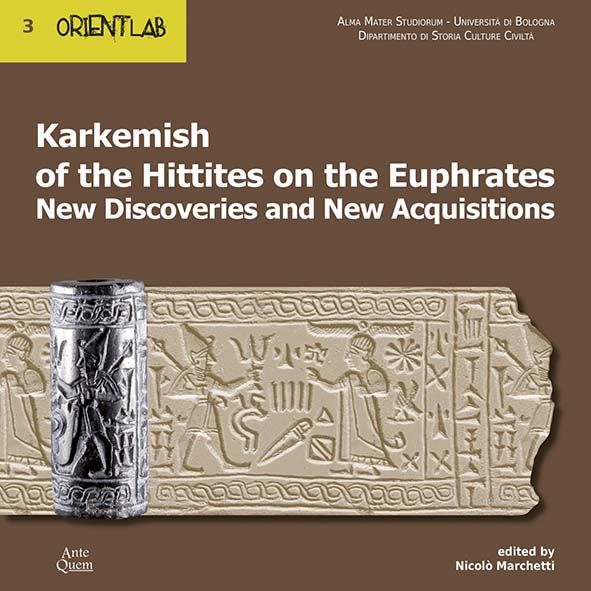
Κυκλοφόρησε πρόσφατα ένας ιδιαίτερα χρήσιμος κατάλογος έκθεσης με υλικό από την αρχαία Καρχεμίς. Πρόκειται για έκδοση του OrientLab, με αντικείμενα που παρέχουν πολύτιμη μαρτυρία για τη διοίκηση, την κοινωνική ιεραρχία και τις λατρευτικές πρακτικές στη βόρεια Συρία και τη ΝΑ Ανατολία κατά την Ύστερη Εποχή του Χαλκού (περίπου 1600–1200 π.Χ.) και την Πρώιμη Εποχή του Σιδήρου (1200–800 π.Χ.). Εκτός από τα κείμενα, ο κατάλογος περιέχει πλούσιο και ενδιαφέρον οπτικό υλικό και κυκλοφορεί ως open access (CC BY-NC-SA 4.0).

Η Καρχεμίς υπήρξε ένας σημαντικός εμπορικός και στρατιωτικός κόμβος στη δυτική όχθη του Ευφράτης, κοντά στα σημερινά σύνορα ΤουρκίαςΣυρίας. Η έκθεση του OrientLab μάς ανοίγει παράθυρο σε έναν κόσμο όπου η εξουσία δεν εκφράζεται μόνο με «μεγάλα» μνημεία, αλλά και μέσα από μικρότερα τεκμήρια: σφραγίδες, δακτυλικά αποτυπώματα πάνω στον πηλό, εικονογραφικές παραστάσεις που υποδηλώνουν εξουσία και κύρος, καθώς και συστήματα ελέγχου της διακίνησης αγαθών. Αυτά τα υλικά ίχνη καθιστούν απτό κάτι που συχνά περιγράφουμε αφηρημένα: πώς οργανώνεται η διοίκηση, πώς δηλώνεται η ταυτότητα, ποιος έχει πρόσβαση σε μηχανισμούς ελέγχου και εξουσίας. Και εδώ ο κατάλογος προσφέρει «νέα δεδομένα»—με αδημοσίευτα αντικείμενα και νέα τεκμηρίωση—ώστε ο αναγνώστης να μη μένει σε μια γενική περιγραφή, αλλά να βλέπει πώς αυτή στηρίζεται σε συγκεκριμένα υλικά τεκμήρια.

Ανάμεσα στα πολλά και ενδιαφέροντα εκθέματα σημειώνω εδώ τρία. Πρώτον, τις σφραγίδες με αρ. καταλ. 27–30, με παραστάσεις γυναικείας μορφής που κρατά ράβδο εξουσίας και παραπέμπουν στις γυναίκες κατόχους τους. Δεύτερον, την κρεμαστή σφραγίδα με αρ. καταλ. 26, η οποία πιθανότατα ήταν δεμένη ίσως σε ξύλινη πινακίδα. Τρίτον, το μπρούντζινο ειδώλιο του Θεού της Καταιγίδας, με αρ. καταλ. 44, που μας οδηγεί στη λατρεία και στην υλικότητα της θρησκευτικότητας στον αρχαίο κόσμο.

Nicoló Marcetti, Karkemish of the Hittites on the Euphrates: New Discoveries and New Acquisitions (2025)

Περαιτέρω βιβλιογραφία

OrientLab, "Karkemish"

----------------------------------------

[ENG

A particularly useful exhibition catalogue featuring material from ancient Karkemish has recently been published. Issued by OrientLab, it presents objects that provide valuable evidence for administration, social hierarchy, and cultic practices in northern Syria and southeastern Anatolia during the Late Bronze Age (ca. 1600–1200 BCE) and the Early Iron Age (1200–800 BCE). In addition to its texts, the catalogue includes rich and engaging visual documentation and is available open access (CC BY-NC-SA 4.0).

Karkemish was a major commercial and military hub on the western bank of the Euphrates, near today’s Turkey–Syria border. The OrientLab exhibition opens a window onto a world in which power was expressed not only through “monumental” architecture, but also through smaller-scale evidence: seals, fingerprints impressed in clay, iconographic scenes that signal authority and prestige, and systems for controlling the circulation of goods. These material traces make tangible what we often describe in abstract terms: how administration was organized, how identity was articulated, and who had access to mechanisms of control and power. Here the catalogue offers “new data”—including unpublished objects and updated documentation—so that the reader is not left with a general overview, but can see how the larger picture is grounded in specific material evidence.

Among the many interesting exhibits, I highlight three here. First, the seals catalogued as nos. 27–30, which depict a female figure holding a staff of authority and point to their female owners. Second, the hanging seal, catalogue no. 26, which was most likely tied—perhaps to a wooden tablet. Third, the bronze figurine of the Storm God, catalogue no. 44, which leads us into questions of cult and the materiality of religious life in the ancient world.

Nicoló Marcetti, Karkemish of the Hittites on the Euphrates: New Discoveries and New Acquisitions (2025)

Further reading

OrientLab, "Karkemish"

Κυριακή 1 Φεβρουαρίου 2026

Dead Sea Discoveries 33/1 (2026)

 Dead Sea Discoveries 33/1 (2026)

Special Issue: Intersectional Investigations into the Complexity of Social Life in Early Judaism

Edited by Elisa Uusimäki and Hanna Tervanotko

Το τρέχον τεύχος του Dead Sea Discoveries αποτελεί μια σημαντική συμβολή στην κοινωνική ιστορία της πρώιμης ιουδαϊκής κοινωνίας. Οι επιμελήτριες του τεύχους, Elisa Uusimäki και Hanna Tervanotko, θέτουν ως κεντρικό άξονα την έννοια της διαθεματικότητας (intersectionality) και αναδεικνύουν την αναλυτική δυναμική του συγκεκριμένου μεθοδολογικού πρίσματος. Αντί να εξετάζουμε μεμονωμένα κάθε κατηγορία ταυτότητας —γένος, κοινωνική θέση, ηλικία, εθνότητα— η διαθεματική ανάλυση επιτρέπει να βλέπουμε πώς αυτές αλληλοεπιδρούν και πώς διαμορφώνουν σχέσεις ισχύος μέσα σε μια κοινωνία. Το πλαίσιο αυτό, που αρχικά αναπτύχθηκε στις σπουδές φύλου και στις κοινωνικές επιστήμες, εφαρμόζεται εδώ τόσο στα κείμενα της ερήμου της Ιουδαίας όσο και σε αρχαιολογικό υλικό από την Παλαιστίνη.

Τα άρθρα που φιλοξενούνται στο τεύχος αποτελούν επιμέρους μελέτες περίπτωσης, όπου το μεθοδολογικό αυτό πρίσμα εφαρμόζεται σε διαφορετικά παραδείγματα. Οι Millar, Comerford και Atkins επιχειρούν κάτι τολμηρό και πρωτοπόρο: αναδεικνύουν πώς η διαθεματική ανάλυση δεν αφορά μόνο τις ανθρώπινες ταυτότητες, αλλά μπορεί να εφαρμοστεί και στον μη ανθρώπινο κόσμο, καθώς τα ζώα αποτελούν μέρος του κοινωνικού ιστού. Οι αναφορές στα ζώα, για παράδειγμα, στο Χειρόγραφο της Δαμασκού και στον Τωβίτ, αποκαλύπτουν δυναμικές ισχύος που δεν γίνονται εξίσου ορατές αλλού. Ο Martens, στη συνέχεια, εξετάζει το ζήτημα της εκπαίδευσης στην κοινότητα του Qumran και αναθεωρεί προηγούμενες αντιλήψεις, θέτοντας ένα κρίσιμο διττό ερώτημα: τι σημαίνει «εκπαίδευση» σε αυτήν την κοινότητα και κατά πόσο και τα κορίτσια είχαν πρόσβαση σε αυτήν. Στο επόμενο άρθρο του τεύχους, η Palmer φωτίζει ένα μικρό αλλά ενδιαφέρον κείμενο: ένα απόσπασμα από το Χειρόγραφο της Δαμασκού που αφορά την τροφό και δείχνει πώς η ταυτότητα αυτής της γυναίκας —εάν είναι ελεύθερη ή δούλη, Ιουδαία ή ξένη— μπορεί να δημιουργεί καταστάσεις συγκρούσεων σε σχέση με τους κοινοτικούς κανόνες. Τέλος, ο Nam στρέφεται στην οικονομική διάσταση: εξετάζει τα αρχεία του Ketef Jericho και αναδεικνύει ότι οι πρόσφυγες της Ιουδαϊκής Ερήμου δεν είναι απλώς «θύματα» του πολέμου· είναι ενεργοί οικονομικοί δρώντες που διατηρούν αρχεία, εντάσσονται σε δίκτυα συναλλαγών και καλλιεργούν μνήμη, ακόμη και μέσα σε συνθήκες προσφυγιάς.

------------------------------------------------------------------
The current issue of Dead Sea Discoveries represents a significant contribution to the social history of early Jewish society. The issue's editors, Elisa Uusimäki and Hanna Tervanotko, foreground the concept of intersectionality and highlight the analytical power of this methodological lens. Rather than examining each category of identity in isolation —gender, social status, age, ethnicity— intersectional analysis allows us to see how these categories interact with one another and how they shape relations of power within a society. This framework, originally developed in gender studies and the social sciences, is applied here both to the texts from the Judean Desert and to archaeological material from Palestine.

The articles hosted in this issue constitute individual case studies, in which this methodological lens is applied to different examples. Millar, Comerford, and Atkins undertake something bold and pioneering: they demonstrate how intersectional analysis does not concern only human identities, but can be extended to the nonhuman world as well, since animals form part of the social fabric. References to animals, for instance, in the Damascus Document and in Tobit, reveal dynamics of power that are not equally visible elsewhere. Martens, in turn, examines the question of education in the Qumran community and revisits previous assumptions, posing a crucial twofold question: what does "education" mean in this community, and to what extent did girls also have access to it? In the next article, Palmer sheds light on a small but fascinating text: a passage from the Damascus Document concerning the wetnurse, showing how this woman's identity —whether she is free or enslaved, Jewish or foreign— can give rise to situations of conflict in relation to the community's regulations. Finally, Nam turns to the economic dimension: he examines the Ketef Jericho archives and demonstrates that the refugees of the Judean Desert are not simply "victims" of war; they are active economic agents who maintain records, participate in networks of exchange, and cultivate memory, even under conditions of displacement.

Τετάρτη 24 Αυγούστου 2022

Στο τρέχον τεύχος του JAH / In the current issue of JAH

 Journal of Ancient History 10/1 (2022)

  • Seth Richardson, "Old Babylonian Letters and Class Formation: tropes of sympathy and social proximity," 1-34 (abstract)
  • Andreas Morakis, "The Introduction of Coinage in Southern Italy: Sybaris and Metapontium," 35-67 
  • Sylvie Honigman, Gilles Gorre, "Dynastic Genealogies and Funerary Monuments: Nectanebo, Alexander, and Judas Maccabee and the Evidence of Ptolemaic Influence on the Hasmoneans," 68-98 (abstract)
  • Philippus de Bree, "Roman Economic History from Coins and Papyri: Monetary Value, Trust and Crisis," 99-134 (abstract)
  • Andrei Gandila, "Fighting against nature: Romans and Barbarians on the Icy Danube," 135-164 (abstract)

Τρίτη 9 Αυγούστου 2022

Διαλέξεις του R.S. Bagnall για την οικονομική διαχείριση της Αιγύπτου των ρωμαϊκών χρόνων / R.S. Bagnall's lectures on labour and economic management in Roman Egypt

Μπορείτε να παρακολουθήσετε διαδικτυακά τις διαλέξεις που έδωσε ο ομότιμος καθηγητής Αρχαίας Ιστορίας του Πανεπιστήμιου της Ν. Υόρκης Roger S. Bagnall στο College de France στον Μάιο του 2022: 


Σάββατο 9 Ιουλίου 2022

Open Access: Cities, Resources and Religion


Anna-Katharina Rieger und Johanna Stöger (επιμ.), Cities, Resources and Religion – Economic Implications of Religion in Graeco-Roman Urban Environments. Panel 7.7:  Archaeology and Economy in the Ancient World – Proceedings of the 19th International Congress of Classical Archaeology, Cologne/Bonn 2018, (Archaeology and Economy in the Ancient World – Proceedings of the 19th International Congress of Classical Archaeology, Cologne/Bonn 2018, Band 40), Heidelberg: Propylaeum, 2022

doi: https://doi.org/10.11588/propylaeum.904 

Τετάρτη 2 Ιουνίου 2021

Στο τρέχον τεύχος του JJS / In the current issue of JJS

 Journal of Jewish Studies 72/1 (2021)

  • Theo A.W. van der Louw, Pieter B. Hartog, "Physical and economic aspects of the earliest Septuagint papyri" 1-22 (abstract)
  • Jonathan Bourgel, "Herod’s golden eagle on the Temple gate: a reconsideration," 23-44 (abstract)
  • Ohad Abudraham, "‘Joshua Son of Nun and the Seven Angels’: a Hebrew lamella from the Wolfe  Collection," 45-58 (abstract)
  • Yehoshua Granat, "The Hebrew epithalamium in late antiquity: new evidence from the Cairo Genizah and beyond," 59-78 (abstract)
  • Yehudit Henshke, "Defective spelling in manuscripts of the Mishnah: a proposed explanation," 77-94 (abstract)

Σάββατο 6 Μαρτίου 2021

Το τρέχον τεύχος του Biblical Interpretation / The current issue of Biblical Interpretation

 Biblical Interpretation 29/1 (2021)

  • Julián Andrés González Holguín, "Painted Eroticism: Sex and Death in Cain and Abel’s Story," 1–24 (abstract)
  • Bernon Lee, "Grace Aguilar, the Jealous Man, and Imperialism’s ‘Pleasure’," 25–48 (abstract)
  • Roger S. Nam, "Bribery and the Informal Economy in Proverbs,"  49–66 (abstract)
  • Rebecca L. Copeland, "Ecomimetic Interpretation: Ascertainment, Identification, and Dialogue in Matthew 6:25–34," 67–89 (abstract)
  • Alex Damm, "Gandhi and the Parable of the Prodigal Son,"  90–105 (abstract)


Τετάρτη 3 Φεβρουαρίου 2021

Στο τρέχον τεύχος του Ancient Society / In the current issue of Ancient Society

 Ancient Society 50 (2020)

  • Werner Huss, "Die Gesellschaft des ptolemaiischen Ägypten," 29-39
  • Katelijn Vandorpe -  Lisa Vanoppré, "Private and Commercial Pigeon Breeding Taxed: Ptolemaic Levies on Pigeon Houses and their Revenues," 41-64
  • Hans Hauben, "Playing Monopoly on the Nile: Captain Païs in his Dealings with Zenon (249-248 BC)," 65-98
  • Eddy Lanciers, "The Evolution of the Court Titles of the Ptolemaic Dioiketes in the Second Century," 99-128
  • Willy Clarysse, "The Emergence of God(s) in Private Greek Papyrus Letters," 129-151
  • Brent D. Shaw, "Social Status and Economic Behavior: A Hidden History of the Equites?" 153-202
  • Jeremy A. Simmons, " Pepper Consumption and the Importance of Taste in Roman Medicine," 277-324

Δευτέρα 28 Δεκεμβρίου 2020

Το τρέχον τεύχος του JSPs / The current issue of JSPs

 Journal for the Study of Pseudepigrapha 30/2 (2020)

  • Asaf Gayer, "A new reconstruction of the 'Wisdom of the Hands' unit in 4QInstructiond (4Q418)," 60-73 (abstract)
  • Benjamin Wold, "'Ḥokma of the Hands' in early Jewish sapiential tradition and the Letter of James," 74-86 (abstract)
  • Jonathan Ben-Dov, "Family relations and the economic-metaphysical message of Instruction," 87-100 (abstract)
  • George J. Brooke, "Esoteric wisdom texts from Qumran," 101-114 (abstract)

Παρασκευή 16 Οκτωβρίου 2020

Η επανάσταση της ερήμου (2η χιλιετία π.Χ.) / The desert revolution (2nd millenium BCE)

 Ο Juan Manuel Tebes δημοσιεύει στη σελίδα ANE Today παρουσιάζει τα αρχαιολογικά ευρήματα που βεβαιώνουν ότι οι κοινότητες νομάδων στο νότιο τμήμα της ΝΔ Αραβίας και στα νότια παράλια της ανατολικής Μεσογείου προχώρησαν σε μία σειρά δομικών κοινωνικοοικονομικών αλλαγών, τις οποίες χαρακτηρίζει ως "τρίτη επανάσταση"' της ερήμου, κατά τα μ. της 2ης χιλιετίας π.Χ.:

A Desert Revolution – Transformations in Northwestern Arabia and the Arid Southern Levant in the Late 2nd Millennium BCE

Πέμπτη 13 Αυγούστου 2020

Οι ιερείς του Ισραήλ και η ύπαιθρος / Jewish priesthood and countryside

 Μπορεί να κυριαρχεί η αντίληψη ότι οι ιερείς των Ιουδαίων ήταν αφοσιωμένοι στα ιερατικά τους καθήκοντα και δεν είχαν καμιά σχέση με την αγροτική ζωή, αλλά οι ιστορικές και αρχαιολογικές μαρτυρίες έρχονται να βεβαιώσουν το αντίθετο. Ένα μεγάλο μέρος των ιερέων ζούσαν στην ύπαιθρο κι ασχολούνταν με αγροτικές εργασίες. Κατέβαιναν στην Ιερουσαλήμ να εκπληρώσουν τα ιερατικά τους καθήκοντα σε τακτά διαστήματα. Επιπλέον, φαίνεται ότι κι ο Ναός είχε αγροτική περιουσία την οποία διαχειρίζονταν μέσω των ιερέων του. Περισσότερα για το θέμα μπορείτε να διαβάσετε στο άρθρο του Benjamin D. Gordon (University of Pittsburgh) στη σελίδα The Bible and Interpretation: 

The Agrarian Priesthood of Second Temple Judaism

Τρίτη 23 Ιουνίου 2020

Σαρκοφάγα άγρια ζώα σε αιχμαλωσία / Carnivorous wild animals in captivity

Στην ιστοσελίδα ANE Today οι Amir Gorzalczany και Baruch Rosen παρουσιάζουν μία σειρά από ψηφιδωτά των ρωμαϊκών και βυζαντινών χρόνων με παραστάσεις άγριων σαρκοφάγων ζώων στην αιχμαλωσία. Τέτοιες παραστάσεις επιβεβαίωναν την ανθρώπινη κυριαρχία στην άγρια φύση και μας δίνουν πληροφορίες για την καθημερινή ζωή των ανθρώπων της αρχαιότητας αλλά και τη στάση του ανθρώπου απέναντι στην άγρια φύση:


Τετάρτη 3 Ιουνίου 2020

Η παραγωγή της πορφύρας στην αρχαία Αίγυπτο / Purple dye production in ancient Egypt

Στην ιστοσελίδα Papyrus Stories o Daniel Soliman παρουσιάζει σύντομα μέσα από τις πηγές την παραγωγή εναλλακτικών μορφών πορφύρας στην Αίγυπτο των ρωμαϊκών χρόνων:

Κυριακή 17 Μαΐου 2020

Η εξημέρωση του όνου στην αρχαία Εγγύς Ανατολή / The domestication of donkeys in ancient Near East

Στην ιστοσελίδα ANE Today οι Ianir Milevski και Liora Kolska Horwitz δημοσιεύουν μία σειρά αρχαιολογικών ευρημάτων που πιστοποιούν την εξημέρωση των όνων στην αρχαία Εγγύς Ανατολή κατά Νεολιθική Εποχή (8η-6η χιλιετία π.Χ) και τις επιπτώσεις που είχε η αξιοποίησή τους στην οικονομία και την παραγωγή της περιοχής κατά την Χαλκολιθική Εποχή (μ. 5ης-μ. 4ης χιλιετίας π.Χ.): 


Σάββατο 9 Μαΐου 2020

Μέλισσες και μέλι στην αρχαία ανατολική Μεσόγειο / Bees and honey in ancient eastern Mediterranean

Στο ιστολόγιο ANE Today η Sophia Germanidou παρουσιάζει αρχαιολογικές μαρτυρίες σχετικά με τη μελισσοκομία στις χώρες της αρχαίας ανατολικής Μεσογείου:

Τρίτη 14 Ιανουαρίου 2020

Ένα αρχαίο εργαλείο μέτρησης από την Ιερουσαλήμ / A measurement tool from Jerusalem

To μέτρο υγρών που βρέθηκε στην Ιερουσαλήμ, 1ος αι. μ.Χ.
(Φωτο: 
Kobi Harati, City of David archive)
Σύμφωνα με ανακοίνωση της Αρχαιολογικής Υπηρεσίας του Ισραήλ αρχαιολόγοι οι οποίοι εργάζονται στον αρχαίο δρόμο των προσκυνητών της πόλης του Δαβίδ στην Ιερουσαλήμ έφεραν στο φως αρκετά μέτρα και σταθμά. Μεταξύ αυτών κι ένα εργαλείο μέτρησης των υγρών, του 1ου αι. μ.Χ. που χρησιμοποιούνταν για τη δίκαιη μέτρηση του οίνου ή του λαδιού. Σύμφωνα με την εκτίμηση των αρχαιολόγων στην περιοχή όπου βρέθηκαν τα νέα ευρήματα πρέπει να τοποθετηθεί το γραφείο των αγορανόμων, αξιωματούχων που ήταν υπεύθυνοι για τη σωστή χρήση των μέτρων και των σταθμών και των νόμων σχετικά με τις αγοραπωλησίες. 

Κυριακή 12 Ιανουαρίου 2020

Στο τρέχον τεύχος του JAH / In the current issue of JAH

Journal of Ancient History 7:2 (2019)

  • François Gauthier, "Auxiliaries and War-Financing in the Roman Republic," 251-268 (abstract)
  • Christopher Siwicki, "Defining Rome’s Pantheum," 269-316 (abstract)