Εμφάνιση αναρτήσεων με ετικέτα αρχαιολογία. Εμφάνιση όλων των αναρτήσεων

Τρίτη 10 Μαρτίου 2026

Η Casa del Tiaso και η ψηφιακή ανακατασκευή της “χαμένης” Πομπηίας / Casa del Tiaso and the digital reconstruction of "Pompei perduta"

Είναι πολύ καλή και στέκει απολύτως για το ιστολόγιο. Θα έκανα μόνο λίγες μικρές γλωσσικές/τυπογραφικές διορθώσεις, ώστε να ρέει πιο ομαλά:

Ένα πρόσφατο άρθρο στο E-Journal degli Scavi di Pompei στρέφει την προσοχή όχι απλώς σε ένα νέο εύρημα από την Πομπηία, αλλά σε ένα ευρύτερο αρχαιολογικό πρόβλημα: πώς μπορούμε να ανασυνθέσουμε ό,τι δεν σώζεται πια. Στο επίκεντρο της μελέτης βρίσκεται η Casa del Tiaso, όπου μια μνημειακή κλίμακα φαίνεται ότι οδηγούσε κάποτε σε ανώτερο επίπεδο της οικίας, ίσως ακόμη και σε πύργο. Η σημασία της έρευνας δεν έγκειται τόσο στην «ανακάλυψη» μιας σκάλας, όσο στην προσπάθεια κατανόησης της κατακόρυφης διάστασης της ρωμαϊκής κατοικίας.

Η μελέτη εντάσσεται στο πρόγραμμα POMPEII RESET, το οποίο αξιοποιεί μη επεμβατικές μεθόδους, τρισδιάστατη τεκμηρίωση και ψηφιακή ανακατασκευή, με στόχο την προσέγγιση της λεγόμενης Pompei perduta, της «χαμένης Πομπηίας». Ο όρος αυτός δεν παραπέμπει σε κάποια άγνωστη ή θαμμένη περιοχή της πόλης, αλλά κυρίως στους άνω ορόφους των οικοδομημάτων, οι οποίοι σε μεγάλο βαθμό δεν διατηρήθηκαν. Η απώλειά τους περιορίζει ουσιαστικά την κατανόησή μας όχι μόνο για την αρχιτεκτονική μορφή των οικιών, αλλά και για τον τρόπο με τον οποίο οργανωνόταν ο οικιακός χώρος και εκφραζόταν κοινωνικά η θέση των ιδιοκτητών.

Το ερευνητικό αυτό πρόγραμμα παρουσιάζει ιδιαίτερο ενδιαφέρον. Υπενθυμίζει ότι η αρχαιολογική γνώση δεν προκύπτει μόνο από όσα αποκαλύπτει η ανασκαφή, αλλά και από όσα μπορούν να αποκατασταθούν μέσω προσεκτικής ερμηνείας και σύγχρονων τεχνολογικών εργαλείων. Η περίπτωση της Casa del Tiaso δείχνει με σαφήνεια ότι η ψηφιακή αρχαιολογία δεν λειτουργεί απλώς ως τεχνικό βοήθημα, αλλά ως ουσιαστικό μέσο για την πληρέστερη κατανόηση της καθημερινής ζωής και της κοινωνικής οργάνωσης στον ρωμαϊκό κόσμο.

Για φωτογραφίες του ευρήματος και της σχετικής ψηφιακής ανακατασκευής βλ. Archaeological Park of Pompeii, “Pompeii, a domus with a tower? A hypothesis based on ‘digital archaeology’...”, 21 Οκτωβρίου 2025.

Susanne Muth κ.ά., «La torre della casa del Tiaso. Un nuovo progetto di ricerca per la documentazione e la ricostruzione digitale della Pompei “perduta”», E-Journal degli Scavi di Pompei 9 (20 Οκτωβρίου 2025).

-----------------------------------

[ENG

A recent article in the E-Journal degli Scavi di Pompei draws attention not simply to a new find from Pompeii, but to a broader archaeological problem: how we can reconstruct what no longer survives. At the center of the study is the Casa del Tiaso, where a monumental staircase seems once to have led to an upper level of the house, perhaps even to a tower. The significance of the research lies not so much in the “discovery” of a staircase as in the attempt to understand the vertical dimension of the Roman house.

The study forms part of the POMPEII RESET project, which makes use of non-invasive methods, three-dimensional documentation, and digital reconstruction, with the aim of approaching the so-called Pompei perduta, the “lost Pompeii.” This term does not refer to some unknown or buried part of the city, but chiefly to the upper storeys of buildings, which for the most part have not been preserved. Their loss substantially limits our understanding not only of the architectural form of the houses, but also of the way domestic space was organized and the way the social standing of the owners was expressed.

This research project is of particular interest. It reminds us that archaeological knowledge emerges not only from what excavation brings to light, but also from what can be recovered through careful interpretation and modern technological tools. The case of the Casa del Tiaso shows clearly that digital archaeology functions not merely as a technical aid, but as an essential means for a fuller understanding of everyday life and social organization in the Roman world.

For photographs of the find and the related digital reconstruction, see Archaeological Park of Pompeii, “Pompeii, a domus with a tower? A hypothesis based on ‘digital archaeology’...”, 21 Οκτωβρίου 2025.

Susanne Muth κ.ά., «La torre della casa del Tiaso. Un nuovo progetto di ricerca per la documentazione e la ricostruzione digitale della Pompei “perduta”», E-Journal degli Scavi di Pompei 9 (20 Οκτωβρίου 2025).

Κυριακή 8 Μαρτίου 2026

Συναγωγές, αρχαιολογία και ιστορία μέσα από τα μάτια της Jodi Magness / Synagogues, Archaeology, and History Through the Eyes of Jodi Magness

Η Jodi Magness στο ανασκαφικό
πεδίο της συναγωγής
στο Huqoq της Γαλιλαίας.
Photo: Jim Haberman
Στη σειρά άρθρων Retrospectives της σελίδας Ancient Jew Review δημοσιεύθηκε πρόσφατα (4 Μαρτίου 2026) ένα αυτοβιογραφικό κείμενο της Jodi Magness, Kenan Distinguished Professor for Teaching Excellence in Early Judaism στο Πανεπιστήμιο της Βόρειας Καρολίνας (Chapel Hill), με τίτλο "Jodi Magness: Retrospective". Πρόκειται για την προσωπική αφήγηση της ακαδημαϊκής πορείας μίας αξιόλογης αρχαιολόγου-ιστορικού του αρχαίου Ιουδαϊσμού, το οποίο ταυτόχρονα λειτουργεί ως χάρτης ερευνητικής εξέλιξης.

Η προσωπική της διαδρομή στο χώρο της αρχαιολογίας/ιστορίας ξεκινά πολύ νωρίς, όταν στα 12 της χρόνια ήρθε σε επαφή με τον κόσμο της αρχαιότητας χάρη σε έναν καθηγητή της στο γυμνάσιο. Η μετέπειτα πορεία της είναι εντυπωσιακή: από τα σπήλαια της Ιουδαϊκής Ερήμου και τον Β.Α. της στο Εβραϊκό Πανεπιστήμιο, ως τις ανασκαφές στη Μασάδα, στο Χουκόκ της Γαλιλαίας και τη συστηματική μελέτη της κεραμικής της ύστερης Ρωμαϊκής και Βυζαντινής περιόδου.. Εδώ βρίσκεται ένα από τα πιο γόνιμα σημεία του κειμένου: η Magness εξηγεί πώς η μελέτη της κεραμικής—συχνά υποτιμημένη έναντι της μνημειακής αρχιτεκτονικής, των επιγραφών και των ψηφιδωτών—είναι καθοριστική για τις χρονολογήσεις που στηρίζουν κάθε ιστορική ερμηνεία.

Ιδιαίτερα ενδιαφέρουσα σε αυτήν την περιγραφή της ερευνητικής της πορείας είναι η αναφορά της στο πώς μια πρόσκληση σε συνέδριο για τα Χειρόγραφα της Νεκράς Θάλασσας το 1992 την έκανε αυθημερόν «ειδικό στην αρχαιολογία του Κουμράν», ή πώς ένας επίμονος εκδότης της Oxford University Press την οδήγησε σε μία από τις πιο φιλόδοξες μελέτες της, στη  Jerusalem Through the Ages (2024).

Το νέο ερευνητικό της εγχείρημα: Herod the Messiah

Η Magness επίσης κάνει μία εκτενή αναφορά στο νέο της βιβλίο, το οποίο θα εκδοθεί από τον εκδοτικό οίκο Oxford University Press και φέρει τον προκλητικό τίτλο Herod the Messiah. Το project ξεκίνησε από ένα άρθρο του 2019, στο οποίο υποστήριξε ότι ο Ηρώδης σχεδίασε το μαυσωλείο του στο Ηρώδειο (ανακαλύφθηκε το 2007) ως βασιλικό δυναστικό μνημείο που τον τοποθετούσε μέσα στην ελληνιστική παράδοση των ηρωοποιημένων και θεοποιημένων βασιλέων. Καθοριστικής σημασίας είναι, κατά τη Magness, η θέση του Ηρωδείου: η οπτική γειτνίαση με τη Βηθλεέμ δεν ήταν τυχαία, αλλά αντανακλούσε μεσσιανικές διεκδικήσεις δαβιδικής προέλευσης. Στο νέο βιβλίο η θεματική αυτή επεκτείνεται: περιλαμβάνει άλλες οικοδομικές δραστηριότητες του Ηρώδη, τον Ναό της Ιερουσαλήμ, καθώς και τις αντιδράσεις που εκφράζουν τα Χειρόγραφα της Νεκράς Θάλασσας, η Καινή Διαθήκη και οι πρώτοι χριστιανοί συγγραφείς στις μεσσιανικές του αξιώσεις.

Ο συνδυασμός αρχαιολογικής και φιλολογικής τεκμηρίωσης στο συγκεκριμένο project είναι ιδιαίτερα ελκυστικός για όσους ασχολούνται με τη βιβλική έρευνα: ο Ηρώδης ως μεσσιανική φιγούρα δεν είναι απλώς ιστορικό ερώτημα, αλλά ανοίγει νέες προοπτικές στην ερμηνεία κειμένων της περιόδου του Δεύτερου Ναού και της πρώιμης χριστιανικής γραμματείας.

Ας μη λησμονούμε, τέλος, τη συμμετοχή της Magness στις ανασκαφές  της συναγωγής της Huqoq: μιας συναγωγής που χρονολογείται γύρω στο 400 μ.Χ., με εντυπωσιακά μωσαϊκά βιβλικών σκηνών αλλά και αφηγήσεων που δεν είναι «καθαρά βιβλικές». Η Magness δείχνει πώς τέτοια ευρήματα ανοίγουν συζήτηση για τη συλλογική μνήμη, την ταυτότητα και την «οπτική ερμηνεία» της Γραφής μέσα σε κοινότητες της ύστερης αρχαιότητας.

Ένα μεθοδολογικό σχόλιο

Πέρα από το βιογραφικό και ερευνητικό ενδιαφέρον, το κείμενο της Magness θέτει με σαφήνεια ένα ζήτημα που αφορά άμεσα τη βιβλική έρευνα: τη σχέση αρχαιολογικής και κειμενικής μαρτυρίας. Η Magness επιμένει ότι η αρχαιολογία δεν είναι απλώς επικουρική στη μελέτη των κειμένων· δε λειτουργεί ως «εικονογράφηση» ή επιβεβαίωση της γραπτής παράδοσης, αλλά αποτελεί ανεξάρτητη πηγή ιστορικής γνώσης που χρήζει ανεξάρτητης αξιολόγησης. Αυτή η θέση έχει άμεσες συνέπειες για την ερμηνευτική: εάν η αρχαιολογία μπορεί να αμφισβητήσει, να ανατρέψει ή να εμπλουτίσει αυτό που γνωρίζουμε από τα κείμενα, τότε ο διάλογος των δύο πεδίων πρέπει να είναι ισότιμος και κριτικός.

Πρόκειται για μια υπενθύμιση που η βιβλική έρευνα χρειάζεται διαρκώς — και η εντυπωσιακή πορεία της Magness είναι ένα πειστικό επιχείρημα υπέρ της.

Το πλήρες κείμενο του retrospective είναι διαθέσιμο στο Ancient Jew Review.

-------------------------------------------

[ENG]

The Ancient Jew Review recently published (March 4, 2026) an autobiographical piece by Jodi Magness, Kenan Distinguished Professor for Teaching Excellence in Early Judaism at the University of North Carolina (Chapel Hill), entitled "Jodi Magness: Retrospective." It is a personal account of the academic journey of a remarkable archaeologist and historian of ancient Judaism, which simultaneously functions as a map of scholarly evolution.

Her personal path in archaeology and history began very early, when at the age of 12 she was introduced to the ancient world by a middle school teacher. Her subsequent career is impressive: from the caves of the Judean Desert and her B.A. at the Hebrew University, to excavations at Masada, at Huqoq in Galilee, and the systematic study of late Roman and Byzantine pottery. Here lies one of the most productive points of the piece: Magness explains how the study of pottery — often undervalued in comparison to monumental architecture, inscriptions, and mosaics — is in fact decisive for the chronologies that underpin every historical interpretation.

Particularly striking in her account is the description of how an invitation to a 1992 conference on the Dead Sea Scrolls made her virtually overnight an "expert in the archaeology of Qumran," or how a persistent editor at Oxford University Press led her to one of her most ambitious works, Jerusalem Through the Ages (2024).

Her New Research Project: Herod the Messiah

Magness also offers an extended discussion of her forthcoming book, to be published by Oxford University Press, bearing the provocative title Herod the Messiah. The project grew out of a 2019 article in which she argued that Herod designed his mausoleum at Herodium (discovered in 2007) as a royal dynastic monument situating him within the Hellenistic tradition of heroized and deified kings. Central to Magness's argument is the location of Herodium: its visual proximity to Bethlehem was no accident, but reflected messianic claims rooted in Davidic tradition. The new book expands on this theme, encompassing Herod's other building projects, the Jerusalem Temple, and the reactions to his messianic claims as expressed in the Dead Sea Scrolls, the New Testament, and early Christian writers.

The combination of archaeological and philological evidence in this project is particularly compelling for those engaged in biblical research: Herod as a messianic figure is not merely a historical question, but opens new interpretive horizons for texts of the Second Temple period and early Christian literature.

We should not overlook, finally, Magness's role in the excavations of the synagogue at Huqoq — a synagogue dating to around 400 CE, adorned with stunning mosaics depicting biblical scenes as well as narratives that are not strictly biblical. Magness shows how such discoveries open up discussion about collective memory, identity, and the "visual interpretation" of Scripture within late antique communities.

A Methodological Note

Beyond its biographical and scholarly interest, Magness's piece articulates with clarity a question that bears directly on biblical research: the relationship between archaeological and textual evidence. Magness insists that archaeology is not merely ancillary to the study of texts — it does not function as "illustration" or confirmation of the written tradition, but constitutes an independent source of historical knowledge that requires independent evaluation. This position has direct hermeneutical consequences: if archaeology can challenge, overturn, or enrich what we know from texts, then the dialogue between the two fields must be one of equals, and critically engaged.

For biblical research in particular — and especially for the study of the New Testament — this means that the archaeological record is not simply a "backdrop" for understanding texts, but an independent interlocutor capable of changing the questions we ask. This is a reminder that biblical scholarship continually needs — and the remarkable career of Jodi Magness is a compelling argument in its favor.

The full text of the retrospective is available at the Ancient Jew Review. 

Σάββατο 7 Μαρτίου 2026

Εξερευνώντας τη βασιλική πρωτεύουσα των Αμμωνιτών / Exploring the Royal Capital of the Ammonites

 Το άρθρο της Katharina Schmidt που δημοσιεύεται στο ιστολόγιο ANE Today ("Excavating the Royal Capital of Ammon: A New Research Project on the Amman Citadel") παρουσιάζει το νέο ερευνητικό πρόγραμμα για την ακρόπολη του Αμμάν, δηλαδή την αρχαία Ραββάθ-Αμμών, πρωτεύουσα του βασιλείου των Αμμωνιτών. Η έρευνα κατά τις ανασκαφικές περιόδους 2024-2025 επικεντρώθηκε σε ένα μνημειακό συγκρότημα της Εποχής του Σιδήρου, το οποίο ενδέχεται να συνδέεται με την πολιτική ελίτ της πόλης και ίσως μάλιστα να ήταν βασιλική κατοικία. Παράλληλα, το άρθρο αναφέρεται στα νεότερα ευρήματα των ανασκαφών, όπως πολυτελή αντικείμενα και τρεις λίθινες γυναικείες κεφαλές, οι οποίες πιθανότατα είχαν αποτροπαϊκή ή προστατευτική λειτουργία και ενισχύουν την εικόνα ενός χώρου συνδεδεμένου με κύρος, πλούτο και συμβολική προβολή εξουσίας.

Τέτοιες ανακαλύψεις έχουν ιδιαίτερη σημασία, όχι μόνο επειδή προσθέτουν νέα δεδομένα για μια βιβλική πόλη, αλλά και επειδή μας βοηθούν να κατανοήσουμε καλύτερα πώς οργανώνονταν η εξουσία, η αστική μορφή και η ιδεολογία της βασιλείας στο νότιο Λεβάντε. Η Ραββάθ-Αμμών δεν ήταν ένας απομονωμένος τόπος· ανήκε σε έναν κόσμο διασυνδεδεμένο, όπου πολιτική κυριαρχία, εμπόριο, θρησκεία και πολιτισμικές επιρροές διαπλέκονταν διαρκώς. Το σημαντικό εδώ είναι ότι η αρχαιολογία δεν μας δίνει απλώς «εντυπωσιακά ευρήματα», αλλά ένα πιο σύνθετο υπόβαθρο για να σκεφτούμε τις κοινωνίες που βρίσκονται πίσω από τα βιβλικά κείμενα και τις ιστορικές μνήμες της περιοχής.

Katharina Schmidt, "Excavating the Royal Capital of Ammon: A New Research Project on the Amman Citadel"

------------------------

[ENG]  

Katharina Schmidt’s article, published on the ANE Today blog (“Excavating the Royal Capital of Ammon: A New Research Project on the Amman Citadel”), presents the new research project on the Amman Citadel, that is, ancient Rabbath-Ammon, the capital of the Ammonite kingdom. The research conducted during the 2024–2025 excavation seasons focused on a monumental Iron Age complex that may be connected with the city’s political elite and may even have served as a royal residence. At the same time, the article discusses the most recent excavation finds, such as luxury objects and three carved female stone heads, which most likely had an apotropaic or protective function and reinforce the image of a space associated with prestige, wealth, and the symbolic display of power.

Such discoveries are of particular importance not only because they add new data about a biblical city, but also because they help us better understand how power, urban form, and royal ideology were organized in the southern Levant. Rabbath-Ammon was not an isolated place; it belonged to an interconnected world in which political domination, trade, religion, and cultural influences were constantly intertwined. What matters here is that archaeology does not simply provide us with “impressive finds,” but with a more complex background for reflecting on the societies that lie behind the biblical texts and the historical memories of the region.

Katharina Schmidt, "Excavating the Royal Capital of Ammon: A New Research Project on the Amman Citadel"

Τρίτη 24 Φεβρουαρίου 2026

Κείμενα και πράγματα: γιατί η αρχαιολογία χρειάζεται τη Βίβλο (και το αντίστροφο) / Texts and Things: Why Archaeology Needs the Bible (and Vice Versa)

Το πρόσφατο άρθρο της Lauren K. McCormick στο ιστολόγιο Bible History Daily (23 Φεβρουαρίου 2026) παρουσιάζει τις θέσεις του Aaron A. Burke, όπως αυτές αναπτύσσονται στο άρθρο του με τον τίτλο "Putting the Bible Back in Biblical Archaeology" (Biblical Archaeology Review, Χειμώνας 2025), και αξίζει την προσοχή όσων ασχολούνται με τη διεπιστημονική έρευνα στον χώρο των βιβλικών σπουδών.

Ο Burke θέτει ένα ερώτημα που δεν είναι καινούργιο αλλά παραμένει επίκαιρο: έχει χάσει ο κλάδος της βιβλικής αρχαιολογίας την ταυτότητά του; Η απάντησή του είναι ότι ο πραγματικός κίνδυνος δεν είναι μόνο θεσμικός — μείωση θέσεων, περικοπές χρηματοδότησης — αλλά κυρίως ταυτοτικός. Στο άρθρο τονίζεται κάτι πολύ σημαντικό που συχνά σήμερα υποβαθμίζεται, ότι, δηλαδή, δεν είναι ένα ιδιότυπο παρακλάδι της αρχαιολογίας (κι ειδικότερα της αρχαιολογίας της Εγγύς Ανατολής), αλλά συνδέεται ιστορικά με τη συγκρότηση της ίδιας της αρχαιολογίας ως επιστήμης (μεθοδολογία πεδίου, στρωματογραφία, κεραμική τυπολογία, συστηματική καταγραφή).

Σημαντική είναι επίσης η παρατήρηση του Burke ότι έχει βέβαια παρέλθει η εποχή που ανασκάπταμε για να αποδείξουμε την αλήθεια της Βίβλου, αυτό όμως δε σημαίνει ότι θα πρέπει να αποκόψουμε το κείμενο από την αρχαιολογική συζήτηση. Το ψευτοδίλημμα μεταξύ "επιστημονικής" αρχαιολογίας (εργαστηριακά δεδομένα και μέθοδοι) και κειμενικής/ιστορικής ερμηνείας δε μπορεί να ισχύσει. Όταν χάνεται ο διάλογος μεταξύ του υλικού πολιτισμού και του κειμένου, τότε κι οι δύο πλευρές βγαίνουν χαμένες: ο αρχαιολόγος κινδυνεύει να ερμηνεύσει λανθασμένα, ενώ ο μελετητής των κειμένων κινδυνεύει να αποσπάσει τη Βίβλο από τον πραγματικό κόσμο που τη γέννησε.

Βέβαια εδώ είναι απαραίτητο να γίνει μία διευκρίνιση. Ο τίτλος του άρθρου, «Putting the Bible Back», παραπέμπει σε μια επιστροφή, σαν να επρόκειτο για διόρθωση μιας παρέκκλισης. Αυτή η διατύπωση αξίζει προσοχή: η απομάκρυνση από έναν αφελή βιβλικό θετικισμό δεν ήταν λάθος αλλά αναγκαία ωρίμανση. Το ερώτημα δεν είναι πώς «φέρνουμε πίσω» τη Βίβλο, αλλά πώς την ενσωματώνουμε με μεθοδολογική διαύγεια σε έναν κλάδο που έχει πια πολύ ισχυρότερα ερευνητικά εργαλεία από ό,τι είχε τον 19ο αιώνα.

Το άρθρο κλείνει με δύο σημαντικά ερωτήματα: μπορεί η αρχαιολογία να «ξεχάσει» τα κείμενα που διαμόρφωσαν τους πολιτισμούς που ερευνά; και μπορεί η βιβλική επιστήμη να αγνοήσει τον υλικό κόσμο που έδωσε μορφή στα κείμενα; Αν κάτι θέλουμε να υπηρετεί το ιστολόγιο, είναι ακριβώς αυτή η άρνηση του ψευδοδιλήμματος: ούτε τα ευρήματα χωρίς ερμηνεία, ούτε τα κείμενα χωρίς τον κόσμο μέσα στον οποίο γεννήθηκαν.

Lauren K. McCormick, "Why Biblical Archaeology Still Matters"

-----------------------------------------------------

[ENG

A recent article by Lauren K. McCormick on the Bible History Daily blog (February 23, 2026) presents the arguments of Aaron A. Burke as developed in his essay "Putting the Bible Back in Biblical Archaeology" (Biblical Archaeology Review, Winter 2025), and deserves the attention of anyone engaged in interdisciplinary research in biblical studies.

Burke raises a question that is not new but remains pressing: has the field of biblical archaeology lost its identity? His answer is that the real danger is not only institutional — reduced faculty lines, funding cuts — but above all a crisis of identity. The article highlights something very important that tends to be undervalued today: that biblical archaeology is not an eccentric offshoot of archaeology (and specifically of Near Eastern archaeology), but is historically connected to the formation of archaeology itself as a discipline — field methodology, stratigraphy, ceramic typology, systematic recording.

Also significant is Burke's observation that while the era of excavating in order to prove the truth of the Bible has indeed passed, this does not mean that the text should be severed from archaeological discussion. The false dilemma between "scientific" archaeology (laboratory data and methods) and textual/historical interpretation simply cannot hold. When the dialogue between material culture and text is lost, both sides suffer: the archaeologist risks misinterpretation, while the text scholar risks detaching the Bible from the real world that gave it birth.

Here, however, a clarification is necessary. The title "Putting the Bible Back" implies a return, as if correcting a deviation. This formulation deserves careful thought: the move away from a naive biblical positivism was not a mistake but a necessary maturation. The question is not how to "bring the Bible back," but how to integrate it with methodological clarity into a field that now commands far more powerful research tools than it did in the nineteenth century.

The article closes with two important questions: can archaeology "forget" the texts that shaped the cultures it excavates? And can biblical scholarship ignore the material world that gave those texts their form? If there is one thing this blog seeks to serve, it is precisely the refusal of that false dilemma: neither finds without interpretation, nor texts without the world in which they were born.

Lauren K. McCormick, "Why Biblical Archaeology Still Matters"

Κυριακή 22 Φεβρουαρίου 2026

Από την πολυχρωμία της αρχαίας γλυπτικής στη «λευκή» αρχαιότητα της νεωτερικότητας / From the Polychromy of Ancient Sculpture to the "White" Antiquity of Modernity

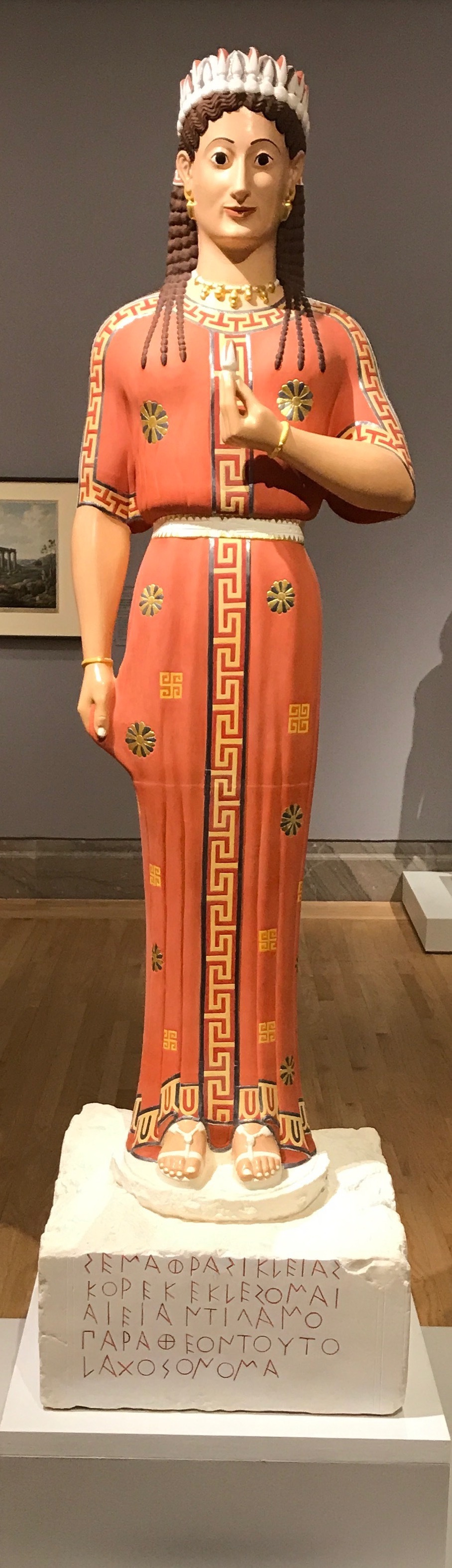
Η Φρασίκλεια (δημ. R.Marthaler, Wikimedia)

 Όταν σκεφτόμαστε τα αγάλματα και τα κτίρια που πλαισίωναν τη ζωή των πρώτων χριστιανών — τους ναούς, τις αγορές, τα ιερά, τα δημόσια μνημεία — τα φανταζόμαστε συνήθως στο λευκό του μαρμάρου, μια εικόνα που ταιριάζει με αυτήν που συχνά αποκομίζουμε από τα μουσεία. Όμως η αρχαιότητα δεν ήταν έτσι. Η πολυχρωμία —βαφές, επιχρυσώσεις, ένθετα υλικά, ποικίλες τεχνικές επεξεργασίας της επιφάνειας— δεν αποτελεί σήμερα απλώς μια «προκλητική ιδέα», αλλά ένα ερευνητικό πεδίο που στηρίζεται σε υλικά ίχνη και σε αναλυτικές μεθόδους. Αυτό που προκύπτει από την έρευνα είναι ότι η αυστηρή λευκότητα του μαρμάρου κι η μονοχρωμία των αγαλμάτων είναι νεωτερική κατασκευή και όχι η αρχαία πραγματικότητα.

Η έκθεση Chroma: Ancient Sculpture in Color του Μητροπολιτικού Μουσείου της Νέας Υόρκης (2022-2023) και ο συνοδευτικός τόμος Chroma: Sculpture in Color from Antiquity to Today, επιμ. Seán Hemingway, Sarah Lepinski, Vinzenz Brinkmann, (Yale University Press, 2025) τεκμηριώνουν με εντυπωσιακό τρόπο αυτό που η αρχαιολογία γνωρίζει εδώ και δεκαετίες: τα ελληνορωμαϊκά αγάλματα ήταν έντονα χρωματισμένα. Κόκκινα, κίτρινα, μπλε, πράσινα — χρώματα που καλύπτουν σώματα, ενδύματα, μαλλιά, ακόμη και τις σκηνές μάχης και τις μυθικές παραστάσεις που κοσμούσαν αετώματα και ζωφόρους. Η πολυχρωμία δεν ήταν πολυτέλεια· ήταν ο κανόνας σε μεγάλο μέρος της ελληνορωμαϊκής αρχιτεκτονικής και γλυπτικής.

Η «λευκή» κλασική αρχαιότητα που γνωρίζουμε από τα μουσεία είναι σε μεγάλο βαθμό προϊόν της πρώιμης νεωτερικής Ευρώπης, που ανακάλυψε τα αρχαία γλυπτά χωρίς τα χρώματά τους — διαβρωμένα από τον χρόνο — και τα ανήγαγε σε αισθητικό ιδεώδες. Τα χρώματα είχαν εξαφανιστεί, αλλά η απουσία τους δεν αξιολογήθηκε ως απώλεια, αλλά αναδείχθηκε σε αισθητικό κανόνα.

Ο νεοκλασικισμός —και ευρύτερα η νεότερη αισθητική ιεράρχηση— προέκρινε το “καθαρό” μάρμαρο ως ιδανικό. Το λευκό έγινε συνώνυμο του ευγενούς, του αυστηρού, του «κλασικού». Έτσι, ακόμη κι όταν υπήρχαν ενδείξεις χρώματος, συχνά αντιμετωπίζονταν ως κάτι δευτερεύον ή «ενοχλητικό», ως παρέκκλιση από την ωραία ιδέα που ήδη είχαμε σχηματίσει για την αρχαιότητα.

Με άλλα λόγια: δεν είναι μόνο ότι το χρώμα έφυγε από τα αντικείμενα· έφυγε και από τις προσδοκίες μας. Και όταν η προσδοκία κυριαρχεί, οργανώνει την έρευνα: τι ερωτήσεις θα κάνουμε, ποιες μεθόδους θα εφαρμόσουμε, ποια ευρήματα θα προβάλουμε, ποια θα περάσουν στο περιθώριο. Στην πράξη, η ιδεολογία συχνά λειτουργεί ως σιωπηλή προϋπόθεση κι όχι ως ρητή θέση. Κι αυτό ακριβώς την καθιστά επικίνδυνη στο ερευνητικό έργο. Στην περίπτωση του χρώματος στον αρχαίο κόσμο η πολιτισμικά ισχυρή προτίμηση του λευκού δεν είναι μόνο πολιτικά αλλά και επιστημολογικά επικίνδυνη. Αν θεωρούμε εξ αρχής ότι το «αληθινό» κλασικό είναι λευκό, τότε: α) υποβαθμίζουμε το υλικό τεκμήριο ως «λεπτομέρεια», β) μετατρέπουμε μια νεότερη αισθητική αξία σε ιστορική κανονικότητα και γ) δυσκολευόμαστε να ανασυνθέσουμε τον αρχαίο οπτικό κόσμο ως κόσμο διαφορετικό από τον δικό μας.

Συνειδητοποιώντας την ιδεολογική προδιάθεση ουσιαστικά αναγνωρίζουμε μία βασική αλήθεια, ότι, δηλαδή, στην έρευνα/επιστήμη η αυτοκριτική είναι ζωτικής σημασίας. Ο ερευνητής οφείλει να ελέγχει συνεχώς τους φακούς του. Η μελέτη της πολυχρωμίας αποτελεί ένα τέτοιο παράδειγμα: μας δείχνει πώς μια ισχυρή πολιτισμική προτίμηση (η πρόκριση της λευκότητας/μονοχρωμίας) μπορεί να επηρεάσει όχι μόνο την εικόνα που έχουμε για την αρχαιότητα, αλλά και την ίδια την επιστημονική ατζέντα.

Αν ο κόσμος του 1ου αιώνα ήταν έντονα έγχρωμος — αγάλματα, ναοί, αναθηματικές στήλες, ταφικά μνημεία, δημόσια κτίρια, όλα ζωγραφισμένα — τότε η αισθητική εμπειρία των πρώτων χριστιανών ήταν ριζικά διαφορετική από αυτή που φανταζόμαστε. Οι χριστιανοί δεν κινούνταν σε έναν κόσμο λιτής μαρμάρινης αξιοπρέπειας, αλλά σε ένα έντονα οπτικό περιβάλλον, γεμάτο χρώμα και συμβολισμό (βλ. και προηγούμενη ανάρτηση για τις διονυσιακές παραστάσεις στα τρικλίνια).

Αυτό έχει συνέπειες για την κατανόηση της σχέσης τους με τον γύρω κόσμο. Όταν ο Παύλος γράφει στους Θεσσαλονικείς για «είδωλα» (1 Θεσ 1:9) ή ο συγγραφέας της Αποκάλυψης περιγράφει τη «μεγάλη Βαβυλώνα» στολισμένη με χρυσό, πορφύρα και κόκκινο (Αποκ 17-18), δεν αναφέρονται σε αφηρημένες έννοιες αλλά σε έναν πολύχρωμο, ζωντανό κόσμο γεμάτο οπτικά ερεθίσματα που οι αναγνώστες τους έβλεπαν καθημερινά. Πώς διαχειρίζονταν αυτήν την εντυπωσιακή παρουσία; Πώς αξιοποίησαν το συμβολικό φορτίο αυτών των χρωμάτων στο δικό τους λόγο και στη συγκρότηση του δικού τους συμβολικού κόσμου;

Sarah Bond, "How White Elites Drained Ancient Art of Its Color," Hyperallergic (16 February 2026) [παρουσίαση του τόμου Chroma: Sculpture in Color from Antiquity to Today]

Πρόσθετη βιβλιογραφία

  •  Mark B. Abbe, "Polychromy of Antique Sculpture: A Difficult Heritage," in A Companion to Ancient Aesthetics, επιμ. Pierre Destrée, Penelope Murray. Oxford: Wiley-Blackwell, 2015, 242–257
  • Sarah E. Bond, "Why We Need to Start Seeing the Classical World in Color," Hyperallergic (7 June 2017)
  • Mark Bradley (επιμ.), Colour and Meaning in Ancient Rome. Cambridge: Cambridge University Press, 2009
  • Vinzenz Brinkmann, Raimund Wünsche (eds.), Bunte Götter: Die Farbigkeit antiker Skulptur. Munich: Staatliche Antikensammlungen und Glyptothek, 2004
  •  Renée Dreyfus, Vinzenz Brinkmann, Ulrike Koch-Brinkmann (επιμ.),  Gods in Color: Polychromy in the Ancient World. Munich/New York: Prestel, 2017
  • Seán Hemingway, Sarah Lepinski, Vinzenz Brinkmann (επιμ.), Chroma: Sculpture in Color from Antiquity to Today. New Haven: Yale University Press, 2025
  • Andrew Jones & Gavin MacGregor (επιμ.). Colouring the Past: The Significance of Colour in Archaeological Research. Oxford/New York: Berg, 2002.

 [ENG]

When we think of the statues and buildings that framed the lives of the first Christians — temples, marketplaces, sanctuaries, public monuments — we tend to imagine them in white marble, an image shaped largely by what we encounter in museums. But antiquity did not look like that. Polychromy — pigments, gilding, inlaid materials, varied techniques of surface treatment — is not merely a "provocative idea" today, but an established research field grounded in material evidence and analytical methods. What the evidence consistently shows is that the stark whiteness of marble and the monochromy of ancient statuary are a modern construction, not an ancient reality.

The exhibition Chroma: Ancient Sculpture in Color at the Metropolitan Museum of Art in New York (2022–2023) and the accompanying volume Chroma: Sculpture in Color from Antiquity to Today, edited by Seán Hemingway, Sarah Lepinski, and Vinzenz Brinkmann (Yale University Press, 2025), document in striking fashion what archaeology has known for decades: Greco-Roman statues were vividly colored. Reds, yellows, blues, greens — colors covering bodies, garments, hair, and even the battle scenes and mythological representations that adorned pediments and friezes. Polychromy was not a luxury; it was the norm across a large part of Greco-Roman architecture and sculpture.

The "white" classical antiquity familiar from museums is largely a product of early modern Europe, which encountered ancient sculptures stripped of their color by the passage of time and elevated their denuded state into an aesthetic ideal. The colors had disappeared, but their absence was not registered as a loss — it was transformed into an aesthetic standard.

Neoclassicism — and the broader hierarchies of modern taste — privileged "pure" marble as the ideal. White became synonymous with the noble, the austere, the "classical." Consequently, even when evidence of color was present, it was often treated as secondary or even inconvenient — a deviation from the idea of antiquity already firmly in place.

In other words: it is not only that color disappeared from the objects themselves; it disappeared from our expectations. And when expectation dominates, it shapes research — what questions get asked, what methods get applied, what findings are foregrounded and what gets marginalized. In practice, ideology frequently operates as a silent presupposition rather than an explicit position, and this is precisely what makes it dangerous in scholarly work. In the case of color in the ancient world, the culturally powerful preference for whiteness is not only politically but also epistemologically hazardous. If we assume from the outset that the "truly" classical is white, then we systematically undervalue the material evidence as mere "detail," we transpose a modern aesthetic value into historical normality, and we struggle to reconstruct the ancient visual world as something genuinely different from our own.

Recognizing ideological predisposition means acknowledging a fundamental truth: in research, self-criticism is indispensable. The scholar must continually examine the lenses through which they see. The study of polychromy offers precisely such an example — it shows how a powerful cultural preference (the privileging of whiteness and monochromy) can affect not only the image we construct of antiquity, but the scholarly agenda itself.

If the world of the first century was intensely colored — statues, temples, votive stelae, funerary monuments, public buildings, all painted — then the aesthetic experience of the first Christians was radically different from what we imagine. They did not move through a world of austere marble dignity, but through a visually dense environment saturated with color and symbolism (see also the previous post on Dionysian imagery in dining rooms).

This has consequences for understanding their relationship to the surrounding world. When Paul writes to the Thessalonians about "idols" (1 Thess 1:9), or when the author of Revelation describes "great Babylon" adorned with gold, purple, and scarlet (Rev 17–18), they are not invoking abstract concepts but a vivid, living world full of visual stimuli that their readers encountered every day. How did the first Christians navigate that overwhelming presence? How did they draw on the symbolic weight of these colors in their own discourse and in the construction of their own symbolic world?

Sarah Bond, "How White Elites Drained Ancient Art of Its Color," Hyperallergic (16 February 2026) [review of Chroma: Sculpture in Color from Antiquity to Today]

Further Reading

  • Mark B. Abbe, "Polychromy of Antique Sculpture: A Difficult Heritage," in A Companion to Ancient Aesthetics, ed. Pierre Destrée, Penelope Murray. Oxford: Wiley-Blackwell, 2015, 242–257
  • Sarah E. Bond, "Why We Need to Start Seeing the Classical World in Color," Hyperallergic (7 June 2017)
  • Mark Bradley (ed.), Colour and Meaning in Ancient Rome. Cambridge: Cambridge University Press, 2009
  • Vinzenz Brinkmann, Raimund Wünsche (eds.), Bunte Götter: Die Farbigkeit antiker Skulptur. Munich: Staatliche Antikensammlungen und Glyptothek, 2004
  • Renée Dreyfus, Vinzenz Brinkmann, Ulrike Koch-Brinkmann (eds.),  Gods in Color: Polychromy in the Ancient World. Munich/New York: Prestel, 2017
  • Seán Hemingway, Sarah Lepinski, Vinzenz Brinkmann (eds.), Chroma: Sculpture in Color from Antiquity to Today. New Haven: Yale University Press, 2025
  • Andrew Jones & Gavin MacGregor (eds.). Colouring the Past: The Significance of Colour in Archaeological Research. Oxford/New York: Berg, 2002.

Παρασκευή 20 Φεβρουαρίου 2026

OA: Ancient Water Supply and Management Systems in the Western Mediterranean

(via AWOL)

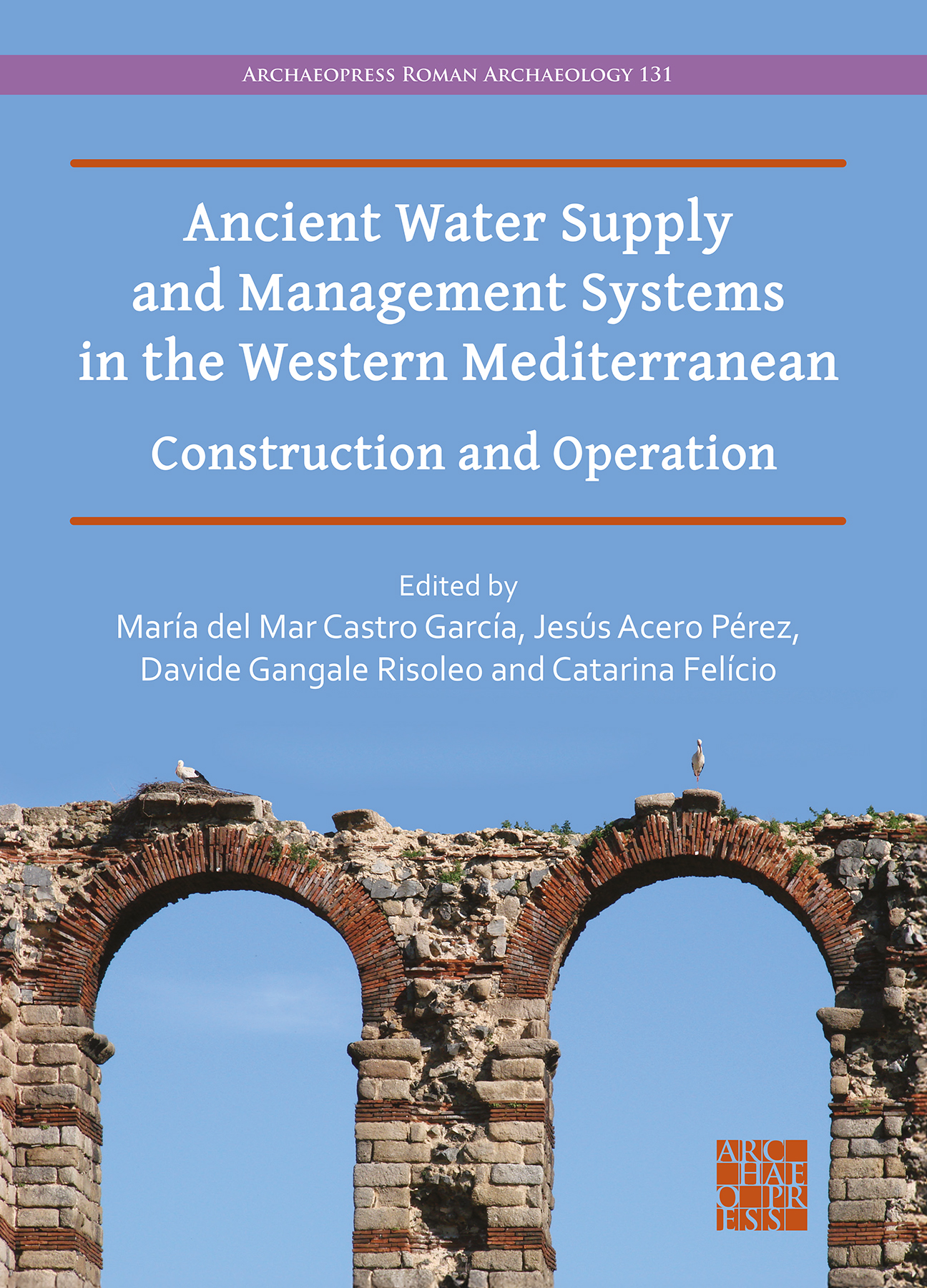
Από τις εκδόσεις Archaeopress κυκλοφόρησε ένας συλλογικός τόμος που φιλοξενεί μελέτες σχετικές με τη διαχείριση των υδάτων από την εποχή του Σιδήρου έως την Ύστερη Αρχαιότητα στη δυτική Μεσόγειο (με έμφαση κυρίως στην Ιταλία, Γαλλία, Ισπανία και Πορτογαλία). Στον τόμο εξετάζονται κυρίως η κατασκευή και η λειτουργία υποδομών συγκέντρωσης και παροχής των υδάτων: υδραγωγεία, φρέατα, δεξαμενές/κινστέρνες, φράγματα, δίκτυα διανομής, αλλά και υποδομές απορροής και αποχέτευσης.

Οι μελέτες δεν περιορίζονται στην παρουσίαση μόνο των τεχνολογικών χαρακτηριστικών αυτών των υποδομών, αλλά εξετάζουν τη σημασία των τοπικών περιβαλλοντικών και πολιτισμικών παραγόντων και την προσαρμογή της τεχνολογίας στα επιμέρους τοπία και ανάγκες. Παράλληλα επισημαίνουν πώς το νερό καθίσταται το σημείο συνάντησης της τεχνικής γνώσης, της διοίκησης και των κοινωνικών πρακτικών, αλλά και πώς μετασχηματίζεται σε συμβολικό και ιερό αγαθό.

Ο τόμος παρουσιάζει ιδιαίτερο ενδιαφέρον για τους αναγνώστες αυτού του ιστολογίου, διότι προσφέρει στέρεο υλικό για την κατανόηση του νερού όχι μόνο ως συμβόλου, αλλά κι ως καθημερινής πραγματικότητας γύρω από την οποία οργανώνονται η πόλη, η εργασία, η υγιεινή κι η πρόσβαση σε πόρους.

Ιδιαίτερα ενδιαφέρουσες για τη θεματική του ιστολόγιου είναι εκείνες του Ugo Fusco ("Water and the City of Veii: A Link between Mythology, Religion, Archaeology, and History"), που συνδέει την υλική διάσταση του νερού με τον ιερό και συμβολικό χαρακτήρα του στην περίπτωση της πόλης Veii, της Gemma Jansen ("Rainwater Collection and Storage in the Pompeian House: Slaves at Work"), η οποία περιγράφει τον ρόλο των δούλων στη διαχείριση του νερού στην περίπτωση της Πομπηίας — με αξιοσημείωτη την αναφορά της Jansen στην απεικόνιση της Σαμαρείτιδος στο φρέαρ στις χριστιανικές κατακόμβες του 4ου αι. — και, τέλος, του Jesús Acero Pérez ("'Domesticating Water': Some Conclusions on Water Infrastructure in the Ancient World"), η οποία επισημαίνει τη διπλή πάντοτε σημασία του νερού ως χρηστικού και ιερού στοιχείου.

Η τελευταία μελέτη παρουσιάζει ιδιαίτερη οικοθεολογική σημασία: το νερό «εξημερώνεται» τεχνικά και ταυτόχρονα διατηρεί το θρησκευτικό του φορτίο. Αυτό το παράδοξο — ο έλεγχος της φύσης και η ταυτόχρονη αναγνώριση της ιερότητάς της — είναι ακριβώς στο επίκεντρο μιας βιβλικής οικοθεολογίας που δεν αρκείται στη χρήση αλλά αναζητά τη σχέση με τη δημιουργία.

María del Mar Castro García, Jesús Acero Pérez, Davide Gangale Risoleo, Catarina Felício (επιμ.), Ancient Water Supply and Management Systems in the Western Mediterranean: Construction and Operation (Archaeopress Roman Archaeology 131), 2025

-------------------------------------------------

[ENG]

A new edited volume has been published by Archaeopress, bringing together studies on water management in the western Mediterranean from the Iron Age to Late Antiquity (with a focus primarily on Italy, France, Spain, and Portugal). The volume examines the construction and operation of water-collection and supply infrastructure—aqueducts, wells, cisterns, dams, and distribution networks—as well as drainage and sewerage systems.

The contributions go beyond a purely technical account of these infrastructures, exploring the importance of local environmental and cultural factors and the ways in which technology is adapted to particular landscapes and needs. They also show how water becomes a meeting point of technical expertise, administration, and social practice—while at the same time taking on symbolic, even sacred, significance.

The volume is of particular interest to readers of this blog, as it offers solid material for understanding water not only as a symbol but also as an everyday reality around which urban life, labour, hygiene, and access to resources are organised.

Especially relevant to the themes of this blog are the studies by Ugo Fusco (“Water and the City of Veii: A Link between Mythology, Religion, Archaeology, and History”), which links the material dimension of water with its sacred and symbolic character in the case of Veii; by Gemma Jansen (“Rainwater Collection and Storage in the Pompeian House: Slaves at Work”), which examines the role of enslaved labour in water management at Pompeii (notably, Jansen refers to depictions of the Samaritan woman at the well in the Christian catacombs of Rome, 4th century AD); and finally by Jesús Acero Pérez (“‘Domesticating Water’: Some Conclusions on Water Infrastructure in the Ancient World”), which highlights the enduring dual significance of water as both a practical and a sacred element.

This final study has particular eco-theological resonance: water is technically “domesticated” while simultaneously retaining its religious charge. This paradox—the control of nature alongside the recognition of its sacredness—lies at the heart of a biblical eco-theology that is not content with mere use, but seeks a relationship with creation.

María del Mar Castro García, Jesús Acero Pérez, Davide Gangale Risoleo, Catarina Felício (eds.), Ancient Water Supply and Management Systems in the Western Mediterranean: Construction and Operation (Archaeopress Roman Archaeology 131), 2025

«Οι Ασσύριοι έρχονται» – αλλά πού είναι; / "The Assyrians Are Coming" — But Where Are They?

Mία νέα μελέτη που δημοσιεύεται στη σελίδα The Bible and Interpretation, της  Margreet L. Steiner, με τον χαρακτηριστικό τίτλο “The Assyrians Are Coming” θέτει ένα από τα πιο ενδιαφέροντα ερωτήματα που απασχολούν την αρχαιολογία της Εποχής του Σιδήρου: πώς γίνεται μια αυτοκρατορία που κυριαρχεί στην Εγγύς Ανατολή για περίπου τρεις αιώνες (9ος–7ος αι. π.Χ.) να αφήνει τόσο «φτωχό» και δυσδιάκριτο υλικό αποτύπωμα στο νότιο τμήμα της περιοχής;

Από τον 9ο έως τον 7ο αι. π.Χ., η Ασσυρία επεκτάθηκε συστηματικά στην περιοχή. Ασσύριοι βασιλείς, όπως ο Ασσουρνασιρπάλ Β΄, ο Σαλμανασάρ Γ΄ και ο Τιγλάθ-Φαλασάρ Γ΄, υπέταξαν διάφορα βασίλεια, ανάμεσά τους εκείνα του Ισραήλ και του Ιούδα, ενώ πόλεις, όπως η Μεγιδδώ και η Σαμάρεια, έπεσαν στα ασσυριακά χέρια. Κι όμως, σε αντίθεση με τους μεταγενέστερους Ρωμαίους, που άφησαν ανεξίτηλο το αποτύπωμά τους σε κάθε πτυχή της τοπικής ζωής — από πολεοδομία και ναούς μέχρι κεραμική και γαστρονομία — οι Ασσύριοι σχεδόν «εξαφανίζονται» από το αρχαιολογικό τοπίο μόλις απομακρυνθούμε γεωγραφικά από το κέντρο της ασσυριακής εξουσίας. 

Ενδεικτικά, στην Παλαιστίνη έχουν ανακαλυφθεί μόλις τέσσερις μνημειακές επιγραφές. Η αρχιτεκτονική ασσυριακού τύπου ταυτοποιείται σε λίγες μόνο θέσεις κι ακόμη κι εκεί είναι συνήθως υβριδική — τοπική στην ουσία, ασσυριακή μόνο σε επιμέρους στοιχεία. Χαρακτηριστικό παράδειγμα είναι ο ναός 650 στην Ekron: ο ναός που κτίσθηκε από τοπικό βασιλιά, έχει ασσυριακής έμπνευσης κάτοψη, αφιερώθηκε σε άγνωστη τοπική θεότητα και τα ευρήματά του είναι κατά κύριο λόγο τοπικής ή αιγυπτιακής προέλευσης.

Η Steiner δίνει μία πειστική απάντηση για το λόγο που τα ίχνη της πολιτιστικής διείσδυσης των Ασσυρίων είναι τόσο λίγα. Οι Ασσύριοι δεν ενδιαφέρονταν να εξάγουν τον πολιτισμό τους· ενδιαφέρονταν να ενσωματώσουν τις κατακτημένες περιοχές σε ένα ενιαίο οικονομικό σύστημα — αυτό που η αρχαιολόγος Stefania Mazzoni έχει αποκαλέσει «ασσυριακή κοινή». Το σύστημα αυτό στηριζόταν σε τρεις άξονες: τη δικτύωση των τοπικών οικονομιών σε διαπεριφερειακές αγορές, την καταβολή φόρου-υποτέλειας στον ασσυριακό θρόνο (σε μέταλλα, υφάσματα, άλογα και αγροτικά προϊόντα), και την εντατικοποίηση του εμπορίου πολυτελών αγαθών σε μεγάλες αποστάσεις.

Τα αποτελέσματα αυτής της μορφής διείσδυσης είναι εντυπωσιακά. Η Ekron αναδείχθηκε στο μεγαλύτερο κέντρο παραγωγής ελαιόλαδου στην αρχαία Εγγύς Ανατολή, με πάνω από εκατό εγκαταστάσεις έκθλιψης που παρήγαγαν εκατοντάδες τόνους λαδιού ετησίως — σαφώς μία ένδειξη εξαγωγής σε διεθνείς αγορές. Στην Ιερουσαλήμ του 7ου αι. π.Χ. αποκαλύπτεται ένα αστικό πλέγμα τεχνιτών και εμπόρων που διακινούσαν έπιπλα από τη Βόρεια Συρία, ελεφαντόδοντο, κρασί από Ελλάδα και Κύπρο, σκαραβαίους από Αίγυπτο — ενώ αραβικές επιγραφές σε αγγεία μαρτυρούν εμπορικές επαφές με την Αραβία. Στη Μωάβ, το μικρό Mudayna Thamad αναδείχθηκε σε σημαντικό κέντρο παραγωγής εκλεπτυσμένων υφασμάτων — σε κλίμακα αδιανόητη για τα προγενέστερα δεδομένα της περιοχής — με πλούσια ευρήματα που αντικατοπτρίζουν τη συμμετοχή στα διεθνή εμπορικά δίκτυα.

Το άρθρο της Steiner είναι επίσης εξαιρετικά χρήσιμο στη βιβλική έρευνα. Επιβεβαιώνει ότι η ασσυριακή παρουσία δεν αφορά μόνο τη στρατιωτική κυριαρχία αλλά τη συνεχή διείσδυση στην καθημερινή ζωή των υποτελών λαών. Στα βιβλικά κείμενα η Ασσυρία εμφανίζεται ως απειλή και «ράβδος» κρίσης κι η μνήμη της συνδέεται με το φόβο, τη βία, στις εκτοπίσεις και την πολιτική εξάρτηση. Πίσω, όμως, από τη δραματική εξάρτηση υπάρχει μία περισσότερο «ήρεμη» αλλά πολύ δυναμική διείσδυση στις πολιτικές και οικονομικές δομές της κοινωνίας: φόρος υποτέλειας, αναγκαστική ανακατεύθυνση πόρων, κάτι που οι αφηγήσεις και η προφητική κριτική συχνά υπονοούν, χωρίς ωστόσο να το αναλύουν με οικονομικούς όρους.

Με άλλα λόγια: το άρθρο της Steiner υπογραμμίζει κάτι πολύ σημαντικό προκειμένου να καταλάβουμε τι σημαίνει «έρχονται οι Ασσύριοι»· για παράδειγμα, δεν αρκεί ο εντοπισμός ασσυριακής κεραμικής. Είναι απαραίτητο να διερευνηθεί πώς μια αυτοκρατορία γίνεται καθημερινότητα.

Margreet L. Steiner, "The Assyrians Are Coming"

Επιπλέον βιβλιογραφία

  • Farber, Z. & Wright, J.L. (επιμ.), Archaeology and History of Eighth-Century Judah (SBL Press, 2018)
  • Avraham Faust, “The Interests of the Assyrian Empire in the West: Olive Oil Production as a Test-Case,” Journal of the Economic and Social History of the Orient 54/1 (2011): 62-86
  • Finkelstein Ι.,  Gadot, Υ. & Langgut, D., “The Unique Specialised Economy of Judah under Assyrian Rule and its Impact on the Material Culture of the Kingdom,”  PEQ 154 (2022): 261-279
  • Gitin, S., Ortiz, S.M. & Dothan, T. (2022). Tel Miqne-Ekron Excavations: Iron Age IIC Temple Complex 650 (University Park, PA: Eisenbrauns, 2022)
  • Margreet L. Steiner, “The Walls that Nehemiah Built: The Town of Jerusalem in the Persian Period
  • Margreet L.Steiner, “Archaeology, Biblical Research and Ancient Israel
  • Ephraim Stern, Archaeology of the Land of the Bible, Volume II: The Assyrian, Babylonian, and Persian Periods, 732–332 BCE (Doubleday: Anchor Bible, 2001)
--------------------------------------------------
[ENG
A new study published on The Bible and Interpretation by Margreet L. Steiner, with the telling title “The Assyrians Are Coming,” poses one of the most intriguing questions in Iron Age archaeology: how can an empire that dominated the Near East for almost three centuries (9th–7th c. BCE) leave such a “thin,” barely visible material footprint in the southern Levant?

From the ninth to the seventh century BCE, Assyria expanded systematically across the region. Assyrian kings such as Ashurnasirpal II, Shalmaneser III, and Tiglath-pileser III subdued a number of kingdoms, including those of Israel and Judah, while cities such as Megiddo and Samaria fell into Assyrian hands. And yet, unlike the later Romans—who left an indelible mark on virtually every aspect of local life, from urban planning and temples to pottery and even cuisine—the Assyrians almost “disappear” from the archaeological landscape once we move away from the geographic heartland of Assyrian power.

Indicatively, in Palestine only four monumental inscriptions have been discovered. Assyrian-style architecture has been identified at only a handful of sites, and even there it is usually hybrid—essentially local in character, Assyrian only in certain features. A characteristic example is Temple 650 at Ekron: built by a local king, it has a ground plan inspired by Assyrian models, was dedicated to an unknown local deity, and its finds are largely of local or Egyptian origin.

Steiner offers a persuasive explanation for why the traces of Assyrian cultural penetration are so few. The Assyrians were not primarily interested in exporting their culture; they were interested in integrating conquered regions into a single economic system—what the archaeologist Stefania Mazzoni has called an “Assyrian koine.” This system rested on three axes: the networking of local economies into interregional markets; the payment of tribute to the Assyrian throne (in metals, textiles, horses, and agricultural products); and the intensification of long-distance trade in luxury goods.

The results of this form of penetration are striking. Ekron emerged as the largest center of olive-oil production in the ancient Near East, with more than one hundred pressing installations producing five hundred tons of oil annually—clear evidence of export to international markets. In seventh-century BCE Jerusalem, an urban web of artisans and merchants comes into view, trading furniture from northern Syria, ivory, wine from Greece and Cyprus, and scarabs from Egypt—while Arabic inscriptions on vessels attest commercial contacts with Arabia. In Moab, the small site of Mudayna Thamad developed into a major center for the production of refined textiles—on a scale unimaginable for earlier periods in the region—along with rich finds that reflect participation in international trade networks.

Steiner’s article is also exceptionally useful for biblical research. It confirms that Assyrian presence was not limited to military domination but involved a sustained infiltration into the everyday life of subject peoples. In biblical texts, Assyria appears as a threat and as a “rod” of judgment, and its memory is linked to fear, violence, deportations, and political dependence. Yet behind this dramatic subjugation lies a quieter—but highly dynamic—penetration of social and economic structures: tribute, vassalage, the forced redirection of resources—realities that narratives and prophetic critique often imply, even if they do not analyze them in explicitly economic terms.

In other words, Steiner’s article underscores something crucial for understanding what it means to say “the Assyrians are coming”: for example, the identification of Assyrian pottery is not enough. We also need to investigate how an empire becomes everyday reality.

Margreet L. Steiner, "The Assyrians Are Coming"

Further reading

  • Farber, Z. & Wright, J.L. (επιμ.), Archaeology and History of Eighth-Century Judah (SBL Press, 2018)
  • Avraham Faust, “The Interests of the Assyrian Empire in the West: Olive Oil Production as a Test-Case,” Journal of the Economic and Social History of the Orient 54/1 (2011): 62-86
  • Finkelstein Ι.,  Gadot, Υ. & Langgut, D., “The Unique Specialised Economy of Judah under Assyrian Rule and its Impact on the Material Culture of the Kingdom,”  PEQ 154 (2022): 261-279
  • Gitin, S., Ortiz, S.M. & Dothan, T. (2022). Tel Miqne-Ekron Excavations: Iron Age IIC Temple Complex 650 (University Park, PA: Eisenbrauns, 2022)
  • Margreet L. Steiner, “The Walls that Nehemiah Built: The Town of Jerusalem in the Persian Period
  • Margreet L.Steiner, “Archaeology, Biblical Research and Ancient Israel
  • Ephraim Stern, Archaeology of the Land of the Bible, Volume II: The Assyrian, Babylonian, and Persian Periods, 732–332 BCE (Doubleday: Anchor Bible, 2001)

Τετάρτη 18 Φεβρουαρίου 2026

Ένας σκαραβαίος στη Σαρδηνία: δίκτυα και εμπορικές επαφές στην αρχαία Μεσόγειο / A Scarab in Sardinia: Networks and Trade Contacts in the Ancient Mediterranean

 Μια μικρή ανασκαφική είδηση από τη Σαρδηνία προσφέρει μία χρήσιμη πληροφορία για την ανάπτυξη των εμπορικών δικτύων μεταξύ της ανατολικής και δυτικής Μεσογείου κατά την Εποχή του Σιδήρου: στο Nuraghe Ruinas ήρθε στο φως ένας σκαραβαίος/σφραγίδα από στεατίτη με ιερογλυφικούς χαρακτήρες. Δεν έχουν ακόμη δημοσιευθεί λεπτομέρειες για το αντικείμενο, καθώς αυτό βρίσκεται στη διαδικασία συντήρησης και μελέτης, αλλά οι ιερογλυφικοί χαρακτήρες φαίνεται να παραπέμπουν σε σχέσεις με το ανατολικό τμήμα της Μεσογείου. Το εύρημα εντοπίστηκε στην περιοχή μπροστά από το πηγάδι του συγκροτήματος και, σύμφωνα με τις ανακοινώσεις σε ιταλικές σελίδες, έφερε και αργυρό κάλυμμα, κάτι που μπορεί να συνάδει με χρήση ως περίαπτο.

Η είδηση είναι ενδιαφέρουσα, όχι μόνο επειδή τεκμηριώνει τις επαφές με την ανατολική Μεσόγειο (συχνά μέσω της Φοινίκης), αλλά και επειδή προστίθεται σε άλλα παρόμοια ευρήματα της περιοχής. Είναι πιθανόν, επομένως, να παραπέμπει σε σταθερότερες διαδρομές ανταλλαγών και να μην πρόκειται για ένα τυχαίο “εξωτικό” αντικείμενο. 

Σε ένα δεύτερο επίπεδο, το εύρημα παρουσιάζει ενδιαφέρον και για τους βιβλικούς ερευνητές: μας θυμίζει ότι οι λαοί της Βίβλου ζούσαν μέσα σε μία Μεσόγειο γεμάτη κινητικότητα κι ήταν οργανωμένοι σε εμπορικά και άλλα δίκτυα. Ο μικρός αυτός σφραγιδόλιθος, λοιπόν, μπορεί να λειτουργήσει ως υλικό τεκμήριο για να σκεφτούμε τις σχέσεις εμπορίου και εξουσίας που προϋποθέτουν ή περιγράφουν τα βιβλικά κείμενα. Ο ρόλος άλλωστε της Φοινίκης (Τύρου και Σιδώνος, για παράδειγμα), ως εμπορικών κέντρων και σημαντικών κόμβων στα αρχαία θαλάσσια κι εμπορικά δίκτυα, μαρτυρείται μέσα στη Βίβλο. Επιπλέον, το εύρημα γεννά γόνιμα ερευνητικά ενδιαφέροντα, όπως, για παράδειγμα, για το ποιος το φορούσε ή το χρησιμοποιούσε και ποια λειτουργία εξυπηρετούσε. Ή για το ποια είναι η σχέση του συγκεκριμένου αντικειμένου με το χώρο στον οποίο βρέθηκε. 

Lauren K. McCormick, "Phoenician Scarab Discovered in Sardinia"  (Bible History Daily)

Επιπλέον βιβλιογραφία

Vanessa Boschloos, "Sardinia, Etruria, Cyprus and the Phoenician Homeland: Reflections on Distribution, Chronology, Typology and Iconography of Scarabs from a ‘Tyrian Group’" (2018) 

W. Culican, “The Iconography of Some Phoenician Seals and Seal ImpressionsAJBA 1/1 (1968): 50-103

E. Matisoo-Smith et al., "Ancient mitogenomes of Phoenicians from Sardinia and Lebanon: A story of settlement, integration, and female mobility,"  PLoS ONE 13/1 (2018)

------------------------------------

[ENG

A brief excavation report from Sardinia offers a useful piece of information regarding the development of trade networks between the eastern and western Mediterranean during the Iron Age: at the Nuraghe, a steatite scarab/seal with hieroglyphic characters has come to light. No details about the object have yet been published, as it is currently undergoing conservation and study, but the hieroglyphic characters appear to point to connections with the eastern Mediterranean. The find was located in the area in front of the well of the complex and, according to reports on Italian websites, it also bore a silver cover, which may be consistent with its use a pendant.

The news is interesting not only because it documents contacts with the eastern Mediterranean (often mediated through Phoenicia), but also because it adds to other similar finds from the region. It is therefore possible that it points to more established exchange routes, rather than being a single, incidental "exotic" object.

On a second level, the find is also of interest to biblical scholars: it reminds us that the peoples of the Bible lived within a Mediterranean world full of mobility and were organized into commercial and other networks. This small seal-stone can thus serve as material evidence for reflecting on the trade and power relations that biblical texts presuppose or describe. The role of Phoenicia (Tyre and Sidon, for example) as commercial centers and important nodes in ancient maritime and trade networks is, after all, attested within the Bible. Furthermore, the find raises productive research questions — such as who wore or used it and what function it served, or what the relationship is between this particular object and the space in which it was found.

Lauren K. McCormick, "Phoenician Scarab Discovered in Sardinia"  (Bible History Daily)

Eπιπλέον βιβλιογραφία

Vanessa Boschloos, "Sardinia, Etruria, Cyprus and the Phoenician Homeland: Reflections on Distribution, Chronology, Typology and Iconography of Scarabs from a ‘Tyrian Group’" (2018) 

W. Culican, “The Iconography of Some Phoenician Seals and Seal Impressions” AJBA 1/1 (1968): 50-103

E. Matisoo-Smith et al., "Ancient mitogenomes of Phoenicians from Sardinia and Lebanon: A story of settlement, integration, and female mobility,"  PLoS ONE 13/1 (2018)

Τρίτη 17 Φεβρουαρίου 2026

Δειπνώντας με τον Διόνυσο: εικονογραφία, συμβολισμός και καθημερινότητα / Dining with Dionysos: Iconography, Symbolism, and Everyday Life

Η διονυσιακή μεγαλογραφία στην αποκαλούμενη
“Οικία του Θιάσου” (Regio IX – Insula 10), Πομπηία. Φ
ωτο: Parco Archeologico di Pompei

Στην Πομπηία, τοιχογραφίες μαινάδων με σπαθιά και σατύρους με κέρατα κρασιού στολίζουν μια πολυτελή τραπεζαρία όπου οι πλούσιοι οικοδεσπότες του 1ου αιώνα π.Χ. φιλοξενούσαν τους καλεσμένους τους σε εκστατικά συμπόσια. Η διονυσιακή "μεγαλογραφία" (τοιχογραφία με παραστάσεις μεγαλύτερες του φυσικού μεγέθους και θέματα μυθολογικά/θρησκευτικά) που ήρθε στο φως στη λεγόμενη "Οικία του Θιάσου" στην Πομπηία (Regio IX - Insula 10) μας προσφέρει κάτι περισσότερο από ένα εντυπωσιακό εικονογραφικό σύνολο. Μας βοηθά να κατανοήσουμε πώς η ρωμαϊκή οικία, ειδικά στο χώρο του συμποσίου, μπορούσε να οργανώνει την εμπειρία του κοινού δείπνου και να αποτυπώνει την κοινωνική δομή αλλά και την υπέρβασή της, μέσα από μία εικονογραφική αφήγηση με βαθύ συμβολικό περιεχόμενο.

Ένα πρόσφατο άρθρο στο Archaeology Magazine (Μάρτιος-Απρίλιος 2026) παρουσιάζει τη σημαντική ανακάλυψη μιας αριστοκρατικής κατοικίας στην Πομπηία με την αίθουσα συμποσίων να είναι διακοσμημένη με παραστάσεις διονυσιακής λατρείας και μία σκηνή μύησης γυναίκας στα μυστήρια του θεού.  Η οικία ονομάστηκε "Οικία του θιάσου". Oι τοιχογραφίες της χρονολογούνται στα 40-30 π.Χ. και έχουν στυλιστικές και θεματικές ομοιότητες με τις παραστάσεις από τη Βίλλα των Μυστηρίων.  Οι μορφές κινούνται στον κόσμο του διονυσιακού θιάσου: μαινάδες, σάτυροι, μουσική, θήρα, υπαινιγμοί βίας και “άγριας” έντασης, μαζί με την ατμόσφαιρα της μέθης και έκστασης. 

Οπωσδήποτε η παρουσία τέτοιων διονυσιακών παραστάσεων στους τοίχους μιας ρωμαϊκής οικίας δεν σημαίνει αυτόματα και τη λατρεία του Διονύσου από τους ενοίκους της. Σημαίνει, όμως, ότι το συμπόσιο πλαισιώνεται από ένα συμβολικό λεξιλόγιο που καθιστά το δείπνο πολιτισμικό γεγονός και όχι απλώς κατανάλωση.

Ένας προβληματισμός

Αν τώρα μετακινηθούμε—ερμηνευτικά κι όχι αποδεικτικά—προς τον υλικό πολιτισμό των πρώτων χριστιανών, η Πομπηία λειτουργεί ως χρήσιμος “καθρέφτης κανονικότητας”. Στον 1ο αιώνα οι χριστιανικές συναθροίσεις είναι σε μεγάλο βαθμό κατ' οίκον. Λαμβάνουν χώρα, επομένως, μέσα σε ήδη υπάρχοντες οικιακούς χώρους (δωμάτια υποδοχής/δείπνου, αυλές, περιστύλια). Αυτό σημαίνει ότι η νέα ταυτότητα δεν εκδηλώνεται σε ειδικά σχεδιασμένους, “ουδέτερους” χώρους, αλλά μέσα σε σπίτια με προϋπάρχουσα χωροταξία και εικονογραφία. 

Οπωσδήποτε η κοινωνική διαστρωμάτωση και κατ' επέκταση το ζήτημα των χώρων σύναξης των χριστιανών παραμένει ανοικτό στην έρευνα. Ακόμη όμως κι αν μιλάμε για σπίτια κατώτερων τάξεων, μπορούμε να αποκλείσουμε την παρουσία διονυσιακής ή άλλης "ειδωλολατρικής" διακόσμησης σε αυτά; Αρχαιολογικά δεδομένα από το Herculaneum και αλλού δείχνουν τοιχογραφίες ακόμη και σε insulae (πολυκατοικίες), με τα διονυσιακά θέματα να είναι από τα πιο δημοφιλή. Πώς διαπραγματεύονταν οι πρώιμοι χριστιανοί την εικονογραφία του περιβάλλοντός τους; Την αγνοούσαν; Την επανερμήνευαν; Την δέχονταν ως μέρος του πολιτισμικού τους κόσμου; Πώς επηρέαζε, για παράδειγμα, η παρουσία μαινάδων σε έκσταση, σατύρων με κρασί και σκηνών μύησης τον τρόπο που βίωναν το δικό τους κοινό γεύμα και την Ευχαριστία;

Benjamin Leonard, “Pompeii’s House of Dionysian Delights” (March/April 2026) [Archaeology Magazine]  

Σύντομη βιβλιογραφία
  • Parco Archeologico di Pompei, “Pompeii, discovery of a room with frescoes depicting the initiation into the mysteries and the Dionysiac procession” (26 Feb 2025)
  • Elaine K. Gazda,  (ed.). Roman Art in the Private Sphere: New Perspectives on the Architecture and Decor of the Domus, Villa, and Insula. Ann Arbor: University of Michigan Press, 1991
  • David G. Horrell, “Domestic Space and Christian Meetings at Corinth: Imagining New Contexts and the Buildings East of the Theatre,” NTS 50/3 (2004): 349–369
  • Richard Last, The Earliest History of the Christian Gathering (OA)
  • Fiachra Mac Góráin,  (ed.). Dionysus and Rome: Religion and Literature. Berlin/Boston: De Gruyter, 2019
  • Francesco Massa, Tra la vigna e la croce: Dioniso nei discorsi letterari e figurativi cristiani (II-IV secolo). Stuttgart: Franz Steiner Verlag, 2014
  • Dennis E. Smith, From Symposium to Eucharist: The Banquet in the Early Christian World. Minneapolis: Fortress, 2003
    --------------------------------------
[ENG]

In Pompeii, frescoes of maenads wielding swords and satyrs holding wine horns adorn a luxurious dining room where wealthy hosts of the 1st century BC entertained their guests at ecstatic symposia. The Dionysian "megalography" (wall painting with figures larger than life-size and mythological/religious themes) that came to light in the so-called "House of the Thiasus" in Pompeii (Regio IX - Insula 10) offers us something more than an impressive iconographic ensemble. It helps us understand how the Roman house, especially in the symposium space, could organize the experience of communal dining and reflect social structure as well as its transcendence, through an iconographic narrative with deep symbolic content.

A recent article in Archaeology Magazine (March/April 2026) presents the significant discovery of an aristocratic residence in Pompeii with its symposium hall decorated with scenes of Dionysian worship and a scene of a woman's initiation into the mysteries of the god. The house was named "House of the Thiasus." Its frescoes are dated to 40-30 BC and have stylistic and thematic similarities with the representations from the Villa of the Mysteries. The figures move in the world of the Dionysian thiasus: maenads, satyrs, music, hunting, hints of violence and "wild" intensity, along with the atmosphere of intoxication and ecstasy.

Certainly, the presence of such Dionysian representations on the walls of a Roman house does not automatically mean worship of Dionysus by its inhabitants. It does mean, however, that the symposium is framed by a symbolic vocabulary that makes dining a cultural event and not mere consumption.

A Reflection

If we now shift—interpretively rather than demonstratively—toward the material culture of the first Christians, Pompeii functions as a useful "mirror of normality." In the 1st century, Christian gatherings largely took place in homes. They occurred, therefore, within already existing domestic spaces (reception/dining rooms, courtyards, peristyles). This means that the new identity was not expressed in specially designed, "neutral" spaces, but within houses with pre-existing spatial organization and iconography.

Certainly, social stratification and by extension the question of Christian meeting spaces remains open to research. But even if we are talking about lower-class houses, can we exclude the presence of Dionysian or other "pagan" decoration in them? Archaeological evidence from Herculaneum and elsewhere shows wall paintings even in insulae (apartment buildings), with Dionysian themes being among the most popular. How did early Christians negotiate the iconography of their environment? Did they ignore it? Did they reinterpret it? Did they accept it as part of their cultural world? How did the presence of maenads in ecstasy, satyrs with wine, and initiation scenes affect the way they experienced their own communal meal and the Eucharist?

Benjamin Leonard, “Pompeii’s House of Dionysian Delights” (March/April 2026) [Archaeology Magazine]  

Additional bibliography
  • Parco Archeologico di Pompei, “Pompeii, discovery of a room with frescoes depicting the initiation into the mysteries and the Dionysiac procession” (26 Feb 2025)
  • Elaine K. Gazda,  (ed.). Roman Art in the Private Sphere: New Perspectives on the Architecture and Decor of the Domus, Villa, and Insula. Ann Arbor: University of Michigan Press, 1991
  • David G. Horrell, “Domestic Space and Christian Meetings at Corinth: Imagining New Contexts and the Buildings East of the Theatre,” NTS 50/3 (2004): 349–369
  • Richard Last, The Earliest History of the Christian Gathering (OA)
  • Fiachra Mac Góráin,  (ed.). Dionysus and Rome: Religion and Literature. Berlin/Boston: De Gruyter, 2019
  • Francesco Massa, Tra la vigna e la croce: Dioniso nei discorsi letterari e figurativi cristiani (II-IV secolo). Stuttgart: Franz Steiner Verlag, 2014
  • Dennis E. Smith, From Symposium to Eucharist: The Banquet in the Early Christian World. Minneapolis: Fortress, 2003
    ---------

Τετάρτη 11 Φεβρουαρίου 2026

Πέτρα: η αινιγματική πόλη της Αραβικής ερήμου / Petra: The Enigmatic City of the Arabian Desert

Στο ιστολόγιο Bible History Daily (Biblical Archaeology Review) ο Glenn J. Corbett, ειδικός στην αρχαιολογία της προϊσλαμικής Αραβίας, μας ξεναγεί στην αρχαία Πέτρα, την εντυπωσιακή πρωτεύουσα των Ναβαταίων στη σημερινή Ιορδανία.

Οι Ναβαταίοι ξεκίνησαν ως νομαδικός αραβικός λαός κατά την περσική περίοδο (539-332 π.Χ.) και σταδιακά εξελίχθηκαν σε μια από τις πιο ακμάζουσες δυνάμεις της περιοχής, ελέγχοντας το εμπόριο λιβανιού και σμύρνας από τη νότια Αραβία ως τη Μεσόγειο. Ως τον 1ο αιώνα π.Χ. η Πέτρα είχε γίνει μια πλήρως ανεπτυγμένη πρωτεύουσα, αντίπαλη της Ιερουσαλήμ του Ηρώδη.

Αυτό που κάνει τους Ναβαταίους ιδιαίτερα ενδιαφέροντες είναι ο διπλός χαρακτήρας του πολιτισμού τους: αφενός, η ελληνιστική αρχιτεκτονική — λαξευτές προσόψεις, θέατρο, κολοσσαία ναοδομία, τοιχογραφίες πομπηιανού τύπου — αφετέρου, η αυθεντικά τοπική παράδοση, με υπαίθρια ιερά σε υψώματα, λιτές στήλες (betyls) ως αναπαραστάσεις των θεοτήτων τους και η λατρεία του Δουσάρη και της αλ-Ούζζα. Ιδιαίτερα εντυπωσιακή είναι η υδραυλική μηχανική τους: υδραγωγεία, σωληνώσεις και φράγματα που εκμεταλλεύονταν κάθε φυσική πηγή και χειμερινή βροχή.

Η ακμή της Πέτρας δεν κράτησε πολύ. Το 106 μ.Χ. η Ναβατία προσαρτήθηκε στη Ρωμαϊκή Αυτοκρατορία και, αν και η πόλη συνέχισε να ακμάζει για αρκετές δεκαετίες, η παρακμή του εμπορίου και ο καταστροφικός σεισμός του 363 μ.Χ. σήμαναν τη σταδιακή εγκατάλειψή της.

Για τον μελετητή της Καινής Διαθήκης, οι Ναβαταίοι αποτελούν σημαντικό μέρος του ιστορικού πλαισίου: ο βασιλιάς Αρέτας Δ' (9 π.Χ. – 40 μ.Χ.), στον οποίο αποδίδεται το περίφημο Khazneh ("Θησαυρός"), αναφέρεται ρητά στην 2 Κορ 11:32. Η Πέτρα δεν είναι “μία” ιστορία αλλά πολλές: ναβαταϊκή, ρωμαϊκή, και μια πορεία μετασχηματισμών στη μακρά διάρκεια της ζωής της. Μας υπενθυμίζει, επίσης, ότι η περιφέρεια της ρωμαϊκής αυτοκρατορίας δεν είναι στατική· αλλάζει πολιτικά καθεστώτα, διοικητική δομή και πρακτικές, πληθυσμούς και τελικά τους όρους μέσα από τους οποίους εκφράζονται οι κοινότητες και οι ταυτότητές τους. 

"Solving the Enigma of Petra and the Nabataeans"

Βιβλιογραφία

--------------------------------------

On the Bible History Daily blog (Biblical Archaeology Review), Glenn J. Corbett, a specialist in the archaeology of pre-Islamic Arabia, takes us on a tour of ancient Petra, the stunning capital of the Nabataeans in modern-day Jordan.

The Nabataeans began as a nomadic Arabian people during the Persian period (539–332 BCE) and gradually evolved into one of the most thriving powers in the region, controlling the trade in frankincense and myrrh from South Arabia to the Mediterranean. By the first century BCE, Petra had become a fully developed capital, rivalling Herod's Jerusalem.

What makes the Nabataeans particularly fascinating is the dual character of their civilization: on the one hand, Hellenistic architecture — rock-cut façades, a theatre, colossal temple construction, Pompeian-style frescoes — and on the other, an authentically local tradition, with open-air sanctuaries on high places, plain standing stones (betyls) as representations of their deities, and the worship of Dushara and al-Uzza. Equally impressive is their hydraulic engineering: aqueducts, piping systems, and dams that harnessed every natural spring and winter rainfall.

Petra's heyday did not last long. In 106 CE, Nabataea was annexed by the Roman Empire, and although the city continued to flourish for several decades, the decline of trade and the devastating earthquake of 363 CE marked its gradual abandonment.

For the student of the New Testament, the Nabataeans constitute an important part of the historical backdrop: King Aretas IV (9 BCE – 40 CE), to whom the famous Khazneh ("Treasury") is attributed, is explicitly mentioned in 2 Cor 11:32. Petra is not "one" story but many: Nabataean, Roman, and a trajectory of transformations across its long lifespan. It also reminds us that the periphery of the Roman Empire is not static; it undergoes changes in political regimes, administrative structures and practices, populations, and ultimately in the very terms through which communities and their identities find expression.

"Solving the Enigma of Petra and the Nabataeans"

Further reading 


Τρίτη 10 Φεβρουαρίου 2026

Eugesta 15 (2025)

Kυκλοφόρησε το τεύχος 15 (2025) του ηλεκτρονικού περιοδικού για τις σπουδές φύλου στην αρχαιότητα Eugesta, με επτά πολύ ενδιαφέροντα άρθρα που εκτείνονται από τον Πλάτωνα έως τη γυναικεία αναγνωστική πράξη κατά το 16ο αιώνα. Η θεματική ποικιλία του τεύχους αντανακλά την πλούσια παράδοση των σπουδών φύλου στις κλασικές σπουδές: από τη βιολογία και την πολιτική στον Πλάτωνα, το ρωμαϊκό χορό και τη γυναικεία τρίτη ηλικία, την αφιέρωση μνημείων ύδρευσης από γυναίκες ευεργέτιδες στο ανατολικό τμήμα της ρωμαϊκής αυτοκρατορίας, έως τις θεοποιήσεις της Ινούς στον Οβίδιο και την "παρακωμωδία" (κωμικές παραστάσεις παρεμβαλλόμενες σε τραγικά θεάματα) με αποκλειστική γυναικεία παρουσία. Όλα τα άρθρα είναι ελεύθερα διαθέσιμα. 

-------------------

[ENG] 

Issue 15 (2025) of Eugesta, the electronic journal for gender studies in antiquity, has been published, featuring seven very interesting articles ranging from Plato to female reading practices in the 16th century. The thematic variety of the issue reflects the rich tradition of gender studies in classical scholarship: from biology and politics in Plato, Roman dance and female old age, the dedication of waterworks monuments by female benefactors in the eastern part of the Roman Empire, to the deifications of Ino in Ovid and "paracomedy" (comic performances interpolated into tragic spectacles) with an exclusively female presence. All articles are open access.

Eugesta 15 (2025)